The Rise of Artificial Stone Countertops: An Overview
In the realm of modern kitchen design, artificial stone countertops have emerged as a game-changer, offering both aesthetic appeal and durability. These countertops are not just a trend; they represent a significant evolution in the material science and craftsmanship that goes into creating kitchen surfaces.
Understanding Artificial Stone
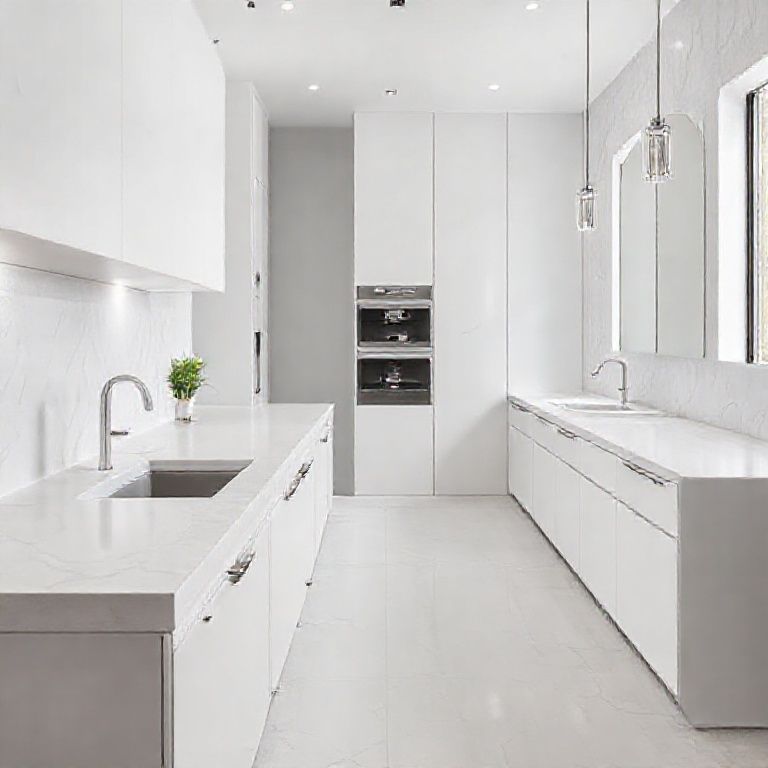
Artificial stone, also known as engineered stone, is a composite material made primarily from natural stone powder, such as quartz, combined with a resin binder. This combination results in a material that is not only strong and durable but also incredibly versatile in terms of design. Unlike traditional stone, artificial stone can be molded into virtually any shape or size, providing designers and homeowners with an almost limitless range of possibilities.
The Fabrication Process
The fabrication of artificial stone countertops involves several meticulous steps, each contributing to the final product’s quality and durability. Here’s a closer look at the process:
Design and Planning: The first step in the fabrication process is the design phase. Architects and designers work together to create a layout that suits the specific needs and aesthetics of the kitchen. Digital design software is often used to visualize the final product, allowing for precise adjustments before any physical work begins.
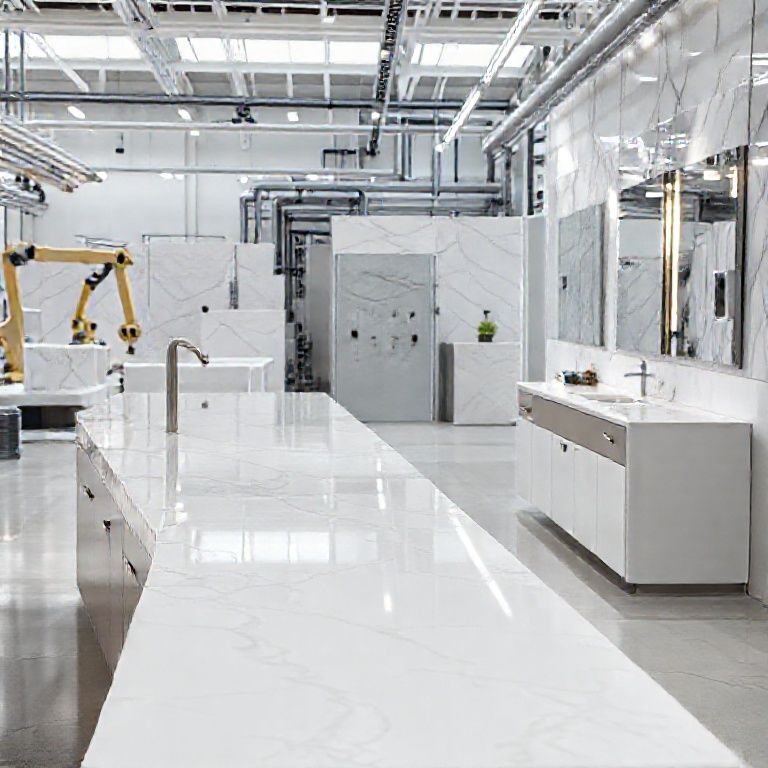
Material Preparation: Once the design is finalized, the next step is to prepare the materials. High-quality natural stone powder and resin are mixed in controlled environments to ensure the right proportions and consistency. This step is crucial for achieving the desired strength and appearance of the artificial stone.
Molding: The mixture is then poured into molds that replicate the design of the countertop. These molds are carefully crafted to ensure that the artificial stone takes on the exact shape and dimensions required. The molding process often involves curing under specific temperature and pressure conditions to allow the resin to bind the stone powder effectively.
Cutting and Shaping: After the artificial stone has cured, it is carefully cut and shaped to fit the kitchen’s dimensions. Advanced cutting techniques and tools are used to achieve precise edges and surfaces. The shaping process also includes grinding and polishing to enhance the stone’s texture and appearance.
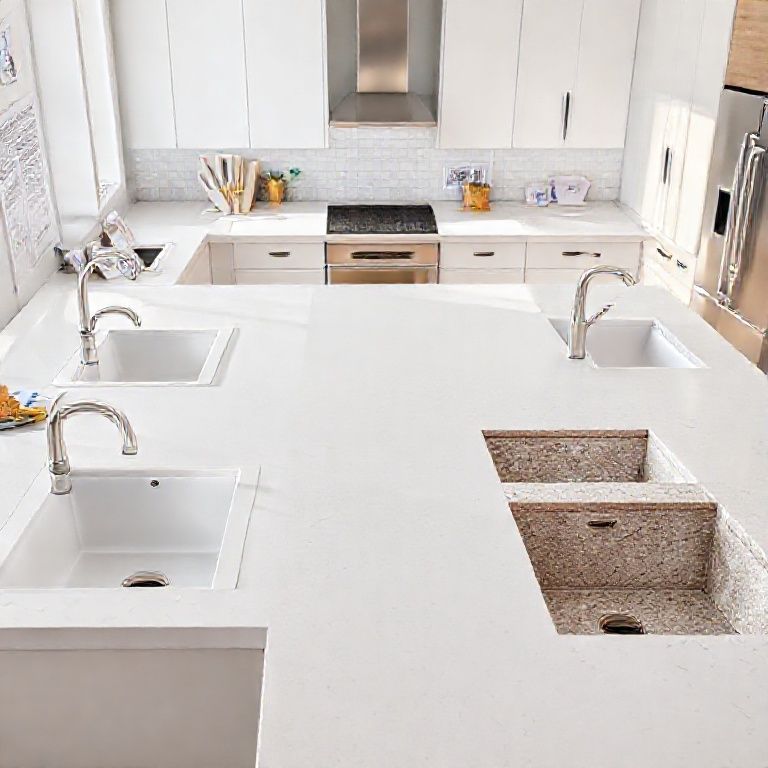
Finishing Touches: The final step involves adding finishing touches such as edge treatments, color variations, and special finishes. This step ensures that the countertop not only looks beautiful but also withstands daily use and cleaning.
Benefits of Artificial Stone Countertops
Artificial stone countertops offer several advantages over traditional materials:
Durability: Artificial stone is highly resistant to scratches, stains, and chips, making it an excellent choice for high-traffic areas like kitchens. Design Flexibility: With a wide range of colors, patterns, and textures, artificial stone can mimic the look of natural stone while offering more design freedom. Maintenance: Unlike natural stone, artificial stone does not require sealing or regular maintenance to maintain its appearance. Affordability: While the initial investment may be higher than some other materials, the durability and low maintenance costs make artificial stone a cost-effective choice in the long run.
Innovations in Artificial Stone Fabrication
The field of artificial stone fabrication is continuously evolving, with new innovations enhancing the quality and functionality of these countertops. Some of the latest advancements include:
Advanced Resin Technologies: New resin formulations are making artificial stone even stronger and more resistant to wear and tear. Eco-Friendly Options: Manufacturers are developing more sustainable production processes and using eco-friendly materials to reduce the environmental impact. Smart Integration: Some artificial stone countertops are now being designed with built-in smart technology, such as touch-sensitive controls for lighting and appliances.
Conclusion
Artificial stone countertop fabrication is a sophisticated process that blends science and art to create stunning, durable surfaces for kitchens and other spaces. The benefits of artificial stone—from its durability and design flexibility to its low maintenance and cost-effectiveness—make it an increasingly popular choice for modern homeowners and designers.
Stay tuned for Part 2, where we will delve deeper into the installation process, explore popular design trends, and showcase some remarkable examples of artificial stone countertop fabrication in action.
Installation and Design Trends in Artificial Stone Countertop Fabrication
In this part, we will explore the installation process for artificial stone countertops and discuss the latest design trends that are shaping the future of kitchen and bathroom design.
Installation Process
The installation of artificial stone countertops is a critical phase that requires precision and expertise to ensure the best possible outcome. Here’s an overview of the installation process:
Preparation: Before installation, the kitchen or bathroom space must be prepared. This includes cleaning the surfaces where the countertop will be placed and ensuring that any existing fixtures are properly positioned. The countertop manufacturer may provide specific instructions for preparation based on the countertop’s design and material.
Cutting to Fit: Artificial stone countertops are often cut to fit the specific dimensions of the space. High-precision tools and techniques are used to achieve perfect fits, ensuring that the countertop integrates seamlessly with existing cabinetry and other elements.
Adhesive Application: A strong adhesive is applied to the back of the countertop and the surface where it will be installed. This step is crucial for ensuring that the countertop remains securely in place over time. The type of adhesive used may vary based on the countertop’s weight and the surface it will be attached to.
Installation: The countertop is carefully positioned and pressed into place. Any excess adhesive is removed, and the countertop is allowed to set according to the manufacturer’s instructions. This step requires careful handling to avoid any damage to the countertop or the surrounding areas.
Sealing and Finishing: Once the countertop is securely in place, it may be sealed to protect it from stains and spills. The edges and surfaces are polished and finished to enhance the countertop’s appearance and texture. The final touches ensure that the countertop looks polished and professional.
Design Trends in Artificial Stone Countertops
Artificial stone countertops have become a blank canvas for designers, allowing for endless creative possibilities. Here are some of the latest design trends in artificial stone countertop fabrication:
Custom Patterns and Colors: Designers are increasingly creating custom patterns and color schemes that mimic natural stone while offering more flexibility. Advances in resin technology have enabled the creation of intricate designs that were once impossible with traditional materials.
Mixed Material Designs: Combining artificial stone with other materials like metal, glass, and wood is a popular trend. These mixed material designs create unique textures and visual effects that enhance the overall aesthetic of the kitchen or bathroom.
Geometric Patterns: Geometric patterns, including hexagons, diamonds, and other shapes, are trending in artificial stone countertop design. These patterns add a modern and sleek look to countertops, making them stand out in any kitchen or bathroom.
Natural Stone Mimicry: While artificial stone offers design freedom, it can also closely mimic the look of natural stone. Designers are using advanced techniques to create countertops that look just like marble, granite, and quartz, but with the added benefits of durability and low maintenance.
Integrated Features: Some artificial stone countertops are now featuring integrated elements like built-in sinks, storage spaces, and even electrical outlets. These features not only enhance the functionality of the countertop but also add to its aesthetic appeal.
Showcasing Remarkable Examples
To truly appreciate the artistry and innovation in artificial stone countertop fabrication, let’s look at some remarkable examples:
Modern Kitchens: In a sleek, contemporary kitchen, an artificial stone countertop with a geometric pattern can serve as a focal point. The durability of the stone ensures that it remains pristine, even with daily use, while its design adds a modern touch to the overall look.
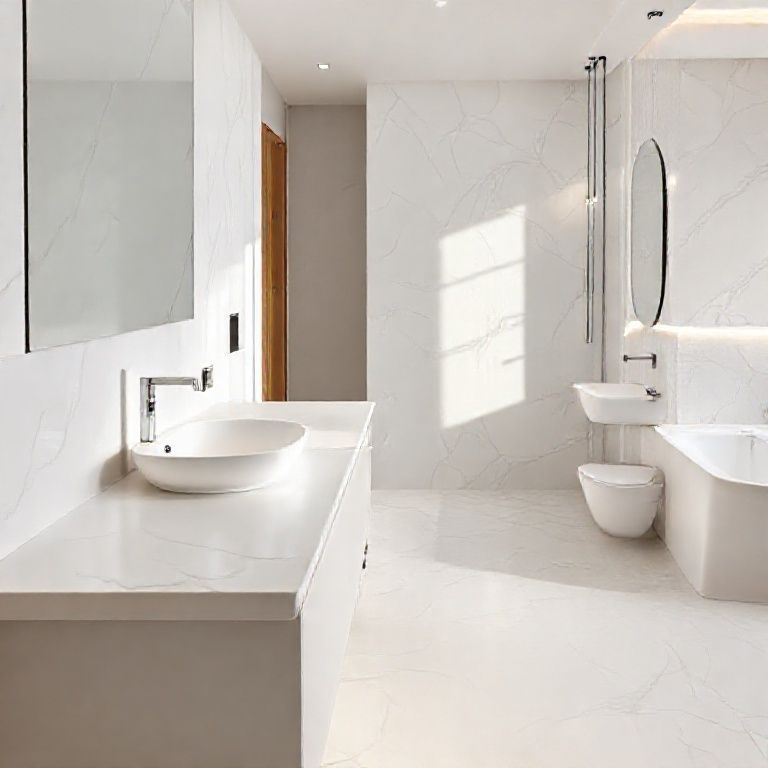
Luxury Bathrooms: In high-end bathrooms, artificial stone countertops can mimic the look of expensive natural stone while offering superior durability. Custom color blends and intricate patterns create stunning visual effects that enhance the bathroom’s luxury appeal.
Commercial Spaces: Restaurants and cafes often choose artificial stone countertops for their durability and ease of maintenance. Custom designs and colors can help create a unique and inviting atmosphere that draws customers in.
Conclusion
Artificial stone countertop fabrication is a dynamic and exciting field that combines technical precision with creative design. The installation process ensures that these countertops are securely and beautifully integrated into any space, while the latest design trends showcase the endless possibilities of this versatile material.
Whether you are a homeowner looking to upgrade your kitchen or a designer seeking innovative design solutions, artificial stone countertops offer a perfect blend of beauty, functionality, and durability.
For more detailed information on artificial stone countertop fabrication, stay tuned for additional resources and expert advice to help you make the best choice for your next project.
This comprehensive guide aims to provide you with valuable insights into the world of artificial stone countertop fabrication, ensuring that you have all the information needed to make informed decisions and appreciate the craftsmanship involved in this modern kitchen design trend.