Origins, Benefits, and Applications
Introduction: In the realm of contemporary interior design, the demand for aesthetically pleasing yet durable materials has never been higher. Enter artificial quartz and artificial marble, two groundbreaking innovations that have been transforming the landscape of home and commercial interiors. These materials combine the elegance of natural stone with the practicality of modern manufacturing, offering a plethora of benefits that cater to the needs of today’s design enthusiasts.

Origins and Composition: Artificial quartz and artificial marble are composite materials created through meticulous manufacturing processes. They are primarily composed of silica, which mimics the natural appearance of quartz and marble. The manufacturing process involves blending high-quality silica sand with coloring agents, binders, and other additives to create a stone-like surface. This composite material is then subjected to high pressure and temperature to form a solid, durable stone.
Benefits:
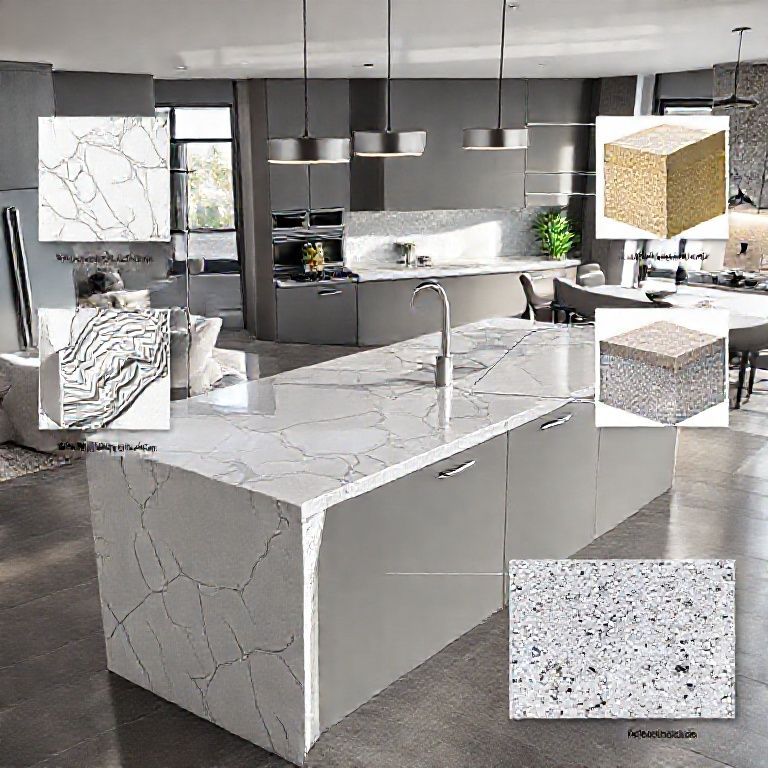
Durability and Longevity: Scratch Resistance: Unlike natural stone, artificial quartz and marble are highly resistant to scratches and stains. This makes them ideal for high-traffic areas where durability is paramount. Water Resistance: These materials do not absorb water, which means they are impervious to spills and stains. This characteristic makes them perfect for kitchens, bathrooms, and other areas prone to moisture. Longevity: Artificial quartz and marble surfaces maintain their appearance over time, eliminating the need for frequent maintenance and repairs. Design Versatility: Customization: These materials come in an array of colors, textures, and finishes. From sleek and modern to traditional and rustic, designers have the freedom to create unique and personalized designs. Thickness and Shape: Artificial quartz and marble can be manufactured in various thicknesses and shapes, making them suitable for different applications, whether it’s a countertop, backsplash, or even decorative elements. Affordability: Cost-Effectiveness: Compared to natural stone, artificial quartz and marble are more affordable. This makes them accessible to a broader range of consumers without compromising on quality. Installation: The installation process for these materials is straightforward and less labor-intensive, contributing to overall cost savings.
Applications:
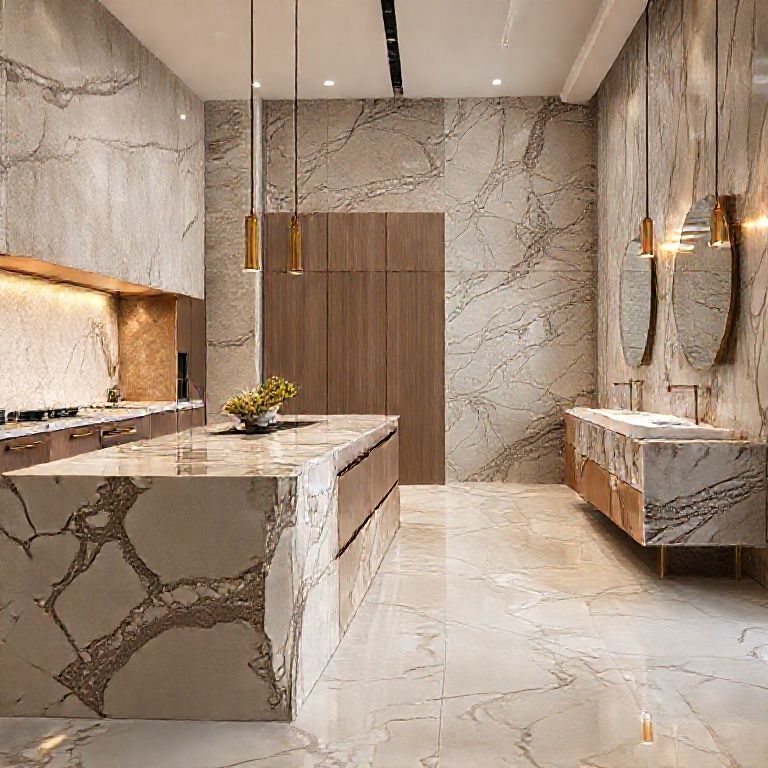
Kitchens and Bathrooms: Countertops: Artificial quartz and marble are popular choices for kitchen and bathroom countertops due to their durability and aesthetic appeal. Vanity Tops: Their versatility allows them to be used for bathroom vanities, providing a luxurious yet practical surface. Backsplashes: These materials can also be used for backsplashes, offering a sleek and modern look that complements various kitchen styles. Commercial Spaces: Offices: In commercial settings, artificial quartz and marble are used for reception desks, conference tables, and other high-traffic areas where durability is crucial. Restaurants and Cafes: Their stain and scratch resistance make them ideal for countertops in dining areas and kitchens. Interior Design: Decorative Elements: Beyond functional applications, artificial quartz and marble are used for decorative purposes, including fireplace surrounds, wall cladding, and feature walls. Art Installations: Their aesthetic appeal also makes them suitable for contemporary art installations and sculptures.
Conclusion: The emergence of artificial quartz and artificial marble marks a significant advancement in the world of interior design. These materials offer a perfect blend of beauty, durability, and practicality, making them an excellent choice for both residential and commercial spaces. As we move towards more sustainable and innovative design solutions, artificial quartz and marble stand out as exemplary materials that meet the demands of modern design while ensuring longevity and low maintenance. Stay tuned for Part 2, where we will explore their environmental impact, market trends, and future innovations in greater detail.
Environmental Impact, Market Trends, and Future Innovations
Introduction: Having explored the origins, benefits, and applications of artificial quartz and artificial marble, it’s essential to delve deeper into their broader implications. This part focuses on the environmental impact of these materials, current market trends, and the exciting innovations on the horizon that promise to shape the future of interior design.
Environmental Impact:
Sustainability: Reduction in Resource Consumption: The production of artificial quartz and marble significantly reduces the need for quarrying natural stone, thus conserving natural resources and reducing habitat disruption. Lower Carbon Footprint: The manufacturing process of these materials typically generates less carbon dioxide compared to the extraction and transportation of natural stone. End-of-Life Management: Artificial quartz and marble can be recycled at the end of their lifecycle, contributing to a circular economy and reducing waste. Eco-Friendly Production: Non-Toxic Materials: The manufacturing process of these materials involves non-toxic ingredients, ensuring that the production and installation processes do not release harmful substances into the environment. Energy Efficiency: Modern manufacturing techniques have improved energy efficiency, further reducing the environmental impact of producing these composite materials.
Market Trends:
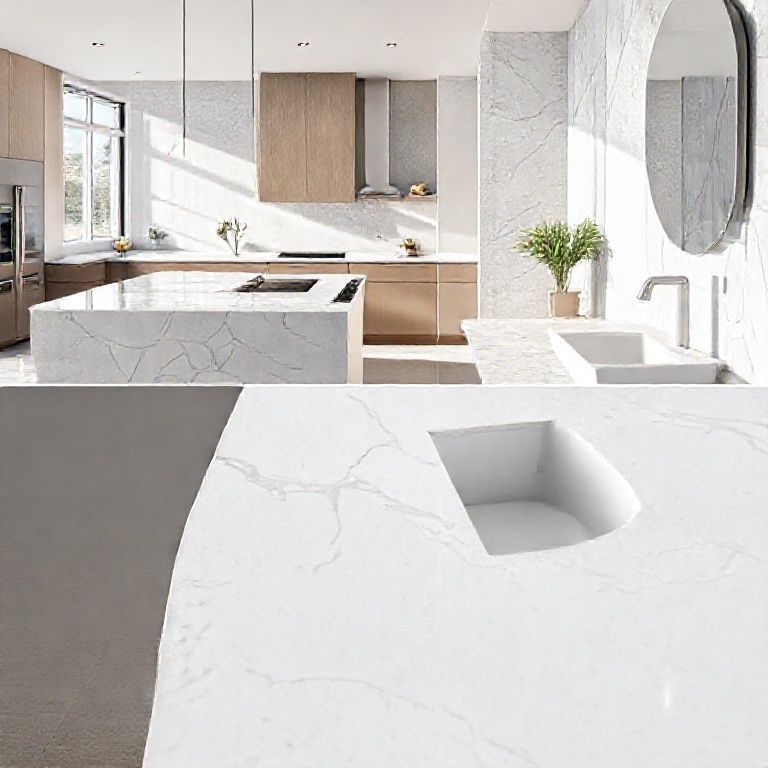
Growing Popularity: Increased Demand: There is a noticeable increase in the demand for artificial quartz and marble, driven by their superior qualities and aesthetic versatility. Homeowners and businesses alike are opting for these materials to enhance the beauty and functionality of their spaces. Innovation in Design: The trend towards minimalist and modern design has bolstered the popularity of these materials, as they offer a wide range of colors and finishes that can seamlessly blend with various design styles. Technological Advancements: Enhanced Durability: Continuous research and development have led to the creation of even more durable and high-quality artificial quartz and marble, further expanding their applications. Smart Materials: The integration of smart technology into these materials is an emerging trend, with innovations such as self-cleaning surfaces and antimicrobial properties on the horizon.
Future Innovations:
Smart and Functional Materials: Self-Cleaning Surfaces: Future innovations may include self-cleaning properties that repel water and stains, making maintenance even easier. Antimicrobial Properties: Incorporating antimicrobial agents could prevent the growth of bacteria and mold, ensuring a healthier environment. Customization and Personalization: Advanced Manufacturing: Advances in manufacturing technology will allow for even greater customization, enabling designers to create unique patterns and designs that cater to individual preferences. 3D Printing: The use of 3D printing in the production of artificial quartz and marble could revolutionize the way these materials are made, offering unprecedented design possibilities. Sustainable Practices: Recycling and Reusing: Future innovations will focus on improving recycling methods and making it easier to reuse materials, further reducing environmental impact. Green Manufacturing: Sustainable practices will be integrated into the entire production process, from sourcing raw materials to the final product, ensuring that these materials are produced in the most environmentally friendly way possible.
Conclusion: The future of interior design looks promising with artificial quartz and artificial marble leading the charge towards more sustainable and innovative solutions. Their environmental benefits, combined with their aesthetic versatility and durability, make them ideal choices for modern design. As technology continues to advance, we can expect even more exciting innovations that will further enhance the qualities and applications of these remarkable materials. Whether for residential or commercial spaces, artificial quartz and marble are set to redefine the standards of interior design for years to come.