Part 1
The Pros and Cons of Synthetic Stone Countertops: A Comprehensive Exploration
When it comes to selecting a countertop material for your kitchen or bathroom, synthetic stone has been rising in popularity due to its combination of aesthetics and durability. However, like any material, it has its own set of advantages and disadvantages. In this first part of our comprehensive exploration, we will delve into the many benefits of synthetic stone countertops and address some of the commonly raised concerns.

Advantages of Synthetic Stone Countertops
1. Durability and Longevity
One of the standout features of synthetic stone countertops is their durability. Unlike natural stone, which can be prone to scratches, chips, and even natural wear over time, synthetic stone is engineered to be highly resistant to these issues. This means that synthetic stone countertops offer a long-lasting solution that retains their appearance and functionality over many years.
2. Heat Resistance
Synthetic stone is known for its excellent heat resistance. Unlike granite or marble, which can crack under high temperatures, synthetic stone can withstand the heat from cooking appliances and hot pots and pans. This makes it a safer choice for busy kitchens where high-temperature cooking is a regular occurrence.
3. Water Resistance
Water resistance is another significant advantage of synthetic stone. While it is not completely impervious to water, synthetic stone is designed to repel water and stains better than many other materials. This makes it easier to clean and maintain, ensuring that your countertop remains looking pristine for years to come.
4. Versatility in Design
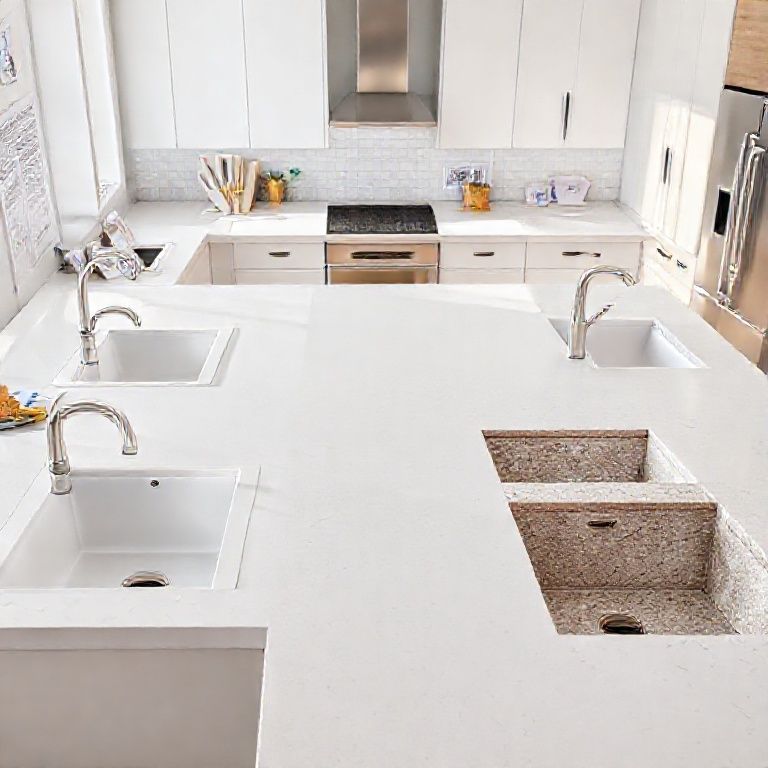
Synthetic stone countertops offer incredible versatility in terms of design. They can mimic the look of natural stone, wood, or even metal with precision. This allows homeowners to choose from a wide array of colors, patterns, and textures, giving them the flexibility to match any decor style.
5. Cost-Effectiveness
Compared to natural stone like granite or marble, synthetic stone is generally more affordable. This makes it an attractive option for homeowners looking to achieve high-quality aesthetics without breaking the bank. Additionally, the lower cost of synthetic stone can lead to significant savings in labor since it is often easier to install than natural stone.
Concerns with Synthetic Stone Countertops
1. Surface Sensitivity
While synthetic stone is durable, it is not entirely invulnerable. The surface of synthetic stone can be sensitive to certain chemicals and abrasive cleaners. To maintain its pristine look, it is essential to use only recommended cleaning products and avoid harsh chemicals that can dull or damage the surface.
2. Installation Challenges
One of the challenges with synthetic stone is that it can be more difficult to install compared to some other materials. The process often requires specialized tools and techniques, which might necessitate hiring a professional installer. This can add to the overall cost and complexity of the installation process.
3. Limited Flexibility in Customization
Although synthetic stone offers a variety of designs, the level of customization available is generally less than that of natural stone. While you can get a wide range of colors and patterns, achieving highly unique or custom designs might not be possible with synthetic stone.
4. Initial Cost Over Time
While synthetic stone is cost-effective in the short term, its longevity can sometimes lead to less noticeable long-term savings. In some cases, the ongoing maintenance costs might balance out the initial lower price, making it essential to weigh these factors carefully.

Part 2
The Pros and Cons of Synthetic Stone Countertops: A Comprehensive Exploration
In the second part of our detailed examination of synthetic stone countertops, we will continue to explore their advantages and delve deeper into their disadvantages. We will also look at how synthetic stone stacks up against other popular countertop materials, helping you make an informed decision.
Further Advantages of Synthetic Stone Countertops
1. Easy to Maintain
One of the most significant benefits of synthetic stone countertops is their ease of maintenance. Unlike natural stone, which can require sealing and regular maintenance to prevent staining and maintain its appearance, synthetic stone generally requires less upkeep. Simply wipe down with a mild cleaner to keep it looking fresh and new.
2. Eco-Friendly Options
Many synthetic stone products are manufactured using eco-friendly processes and materials. This can be a significant advantage for environmentally conscious consumers. Some manufacturers offer stone alternatives that are made from recycled materials, reducing the overall environmental impact of the product.
3. Variety of Finishes
Synthetic stone countertops come in a wide range of finishes, including matte, glossy, and even textured options. This variety allows for a high degree of customization to fit specific design preferences and needs. Whether you prefer a sleek, modern look or a rustic, natural finish, synthetic stone can accommodate your vision.
4. Consistent Quality
Because synthetic stone is a manufactured product, it offers a level of consistency that natural stone cannot. Each piece is created to exact specifications, ensuring uniform quality and appearance. This consistency can be particularly advantageous for larger installations where uniformity is critical.
Disadvantages of Synthetic Stone Countertops
1. Aesthetic Limitations
While synthetic stone can mimic the appearance of natural stone quite convincingly, it may not always achieve the same level of natural beauty. The unique veining and irregularities found in natural stone can be challenging to replicate perfectly, and some may feel that synthetic stone lacks the organic charm of natural materials.
2. Potential for Surface Damage
Although synthetic stone is durable, it can still be susceptible to scratches and chips if not properly cared for. While it is generally more resistant than natural stone, it is not invincible. Using abrasive cleaners or placing heavy, sharp objects directly on the surface can cause damage over time.
3. Odor and VOCs
Some synthetic stone products can emit volatile organic compounds (VOCs) and odors during the curing process. While manufacturers have made significant strides in reducing these emissions, it is still something to consider, particularly for those with sensitivities or in smaller living spaces.
4. Limited Heat Resistance
While synthetic stone is heat-resistant, it is not infinitely so. Very high temperatures can still cause damage, and some synthetic stones might not withstand prolonged exposure to intense heat as well as others. It is important to check the specific heat resistance specifications of any synthetic stone product you are considering.
Comparing Synthetic Stone to Other Countertop Materials
1. Granite vs. Synthetic Stone
Granite is renowned for its natural beauty and durability but comes with a higher price tag and requires sealing to prevent staining. Synthetic stone offers a cost-effective alternative with comparable durability and aesthetics, though it may lack some of the unique characteristics of natural stone.
2. Quartz vs. Synthetic Stone
Quartz is another popular synthetic alternative that offers high durability and low maintenance. However, synthetic stone can sometimes better mimic the appearance of natural stone compared to quartz, which typically has a uniform, less varied look.
3. Laminate vs. Synthetic Stone
Laminate countertops are generally the most affordable option but are less durable and more prone to scratching and staining. Synthetic stone provides a higher level of durability and aesthetic options, making it a better choice for those seeking a balance between cost and longevity.
Final Thoughts
In conclusion, synthetic stone countertops offer a compelling combination of durability, design versatility, and cost-effectiveness that makes them an excellent choice for many homeowners. While there are some drawbacks to consider, such as surface sensitivity and potential for chemical damage, these can often be managed with proper care and maintenance. When weighing the pros and cons of synthetic stone, it’s important to consider your specific needs, usage patterns, and design preferences to determine if this material is the right fit for your space. Whether you’re looking to upgrade your kitchen or refresh your bathroom, synthetic stone provides a modern, stylish, and practical option worth considering.