The Pros and Cons of Quartz Countertops: A Comprehensive Overview
When it comes to selecting countertops for your home, one material that consistently ranks high on the list is quartz. Known for its durability, aesthetics, and versatility, quartz has become a popular choice for both residential and commercial spaces. This article will delve into the compelling advantages and some considerations to keep in mind when choosing quartz countertops.

1. Superior Durability and Low Maintenance
One of the most compelling reasons to choose quartz countertops is their remarkable durability. Quartz is made from 93% silica, which gives it an impressive hardness rating of 7 on the Mohs scale. This makes it highly resistant to scratches, chips, and dents, unlike many other materials. Additionally, quartz does not absorb liquids, which means it’s easy to clean and maintain. Unlike wood or marble, quartz countertops do not require sealing, saving you time and money in upkeep.
2. Aesthetic Versatility and Customization
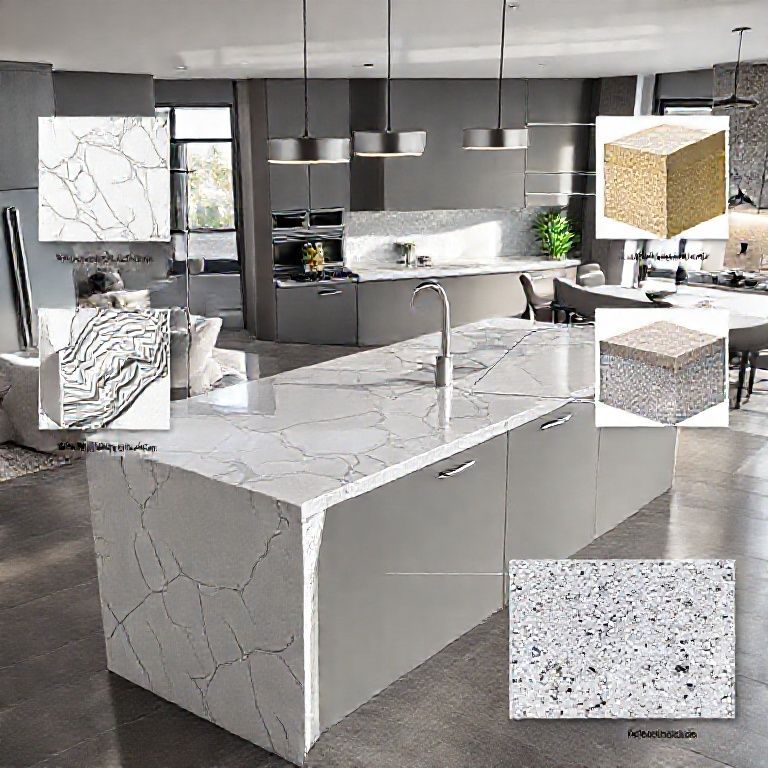
Quartz offers a wide array of colors, patterns, and textures, making it a versatile choice for various design styles. Whether you prefer a sleek, monochromatic look or something more intricate with unique veining, quartz can be customized to meet your aesthetic needs. This versatility allows designers to create unique, one-of-a-kind surfaces that can complement any décor.
3. Cost-Effectiveness
While the initial investment in quartz countertops might be higher than some other materials, their longevity and low maintenance costs make them cost-effective in the long run. The durability of quartz means you’re less likely to need replacements or major repairs, further reducing costs over time.
4. Environmentally Friendly
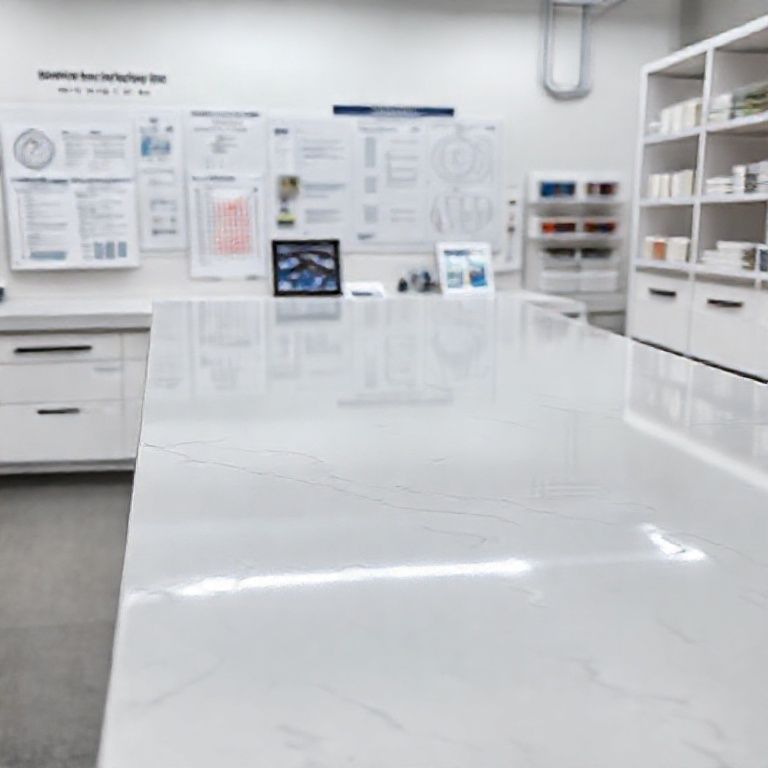
Quartz is an environmentally friendly option since it is a natural material that doesn’t require any harmful chemicals for its creation. Additionally, it is a more sustainable choice compared to some other countertop materials, which often involve significant environmental costs.
5. Heat Resistance
Quartz countertops can withstand high temperatures without warping or cracking, making them an excellent choice for kitchens where hot pots and pans are common. This resistance ensures that your countertops will maintain their integrity and appearance even under frequent use.
Considerations and Potential Drawbacks
While the benefits of quartz countertops are numerous, it’s important to consider some potential drawbacks before making a final decision.
1. Initial Cost
The upfront cost of quartz countertops is generally higher than that of some other materials, such as laminate or even granite. This higher price point might be a deterrent for some homeowners, especially those on a tight budget.
2. Installation Challenges
Quartz countertops can be challenging to install due to their weight and hardness. Professional installation is often recommended to ensure that the countertops are properly installed, which can add to the overall cost.
3. Heat Marks
Although quartz is highly resistant to heat, it can still show marks from hot pots and pans if left on the surface for extended periods. While this doesn’t affect the functionality of the countertop, it might mar its appearance.
4. Potential for Damage
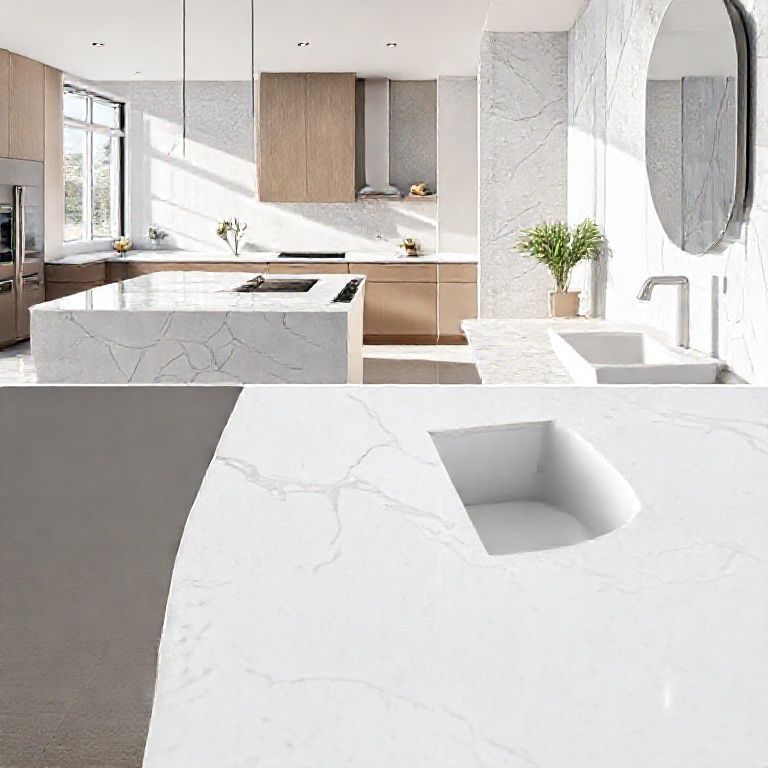
Despite its hardness, quartz can still be damaged by extreme impacts. While it’s highly resistant to scratches and chips, dropping a heavy object or using a sharp tool on the surface can cause damage. Using cutting boards, pot holders, and coasters can help prevent this type of damage.
5. Aesthetic Limitations
While quartz offers a vast array of designs, it may not appeal to everyone’s aesthetic preferences. Some might find the uniform, often sleek look of quartz countertops to be less varied compared to natural stone options like granite or marble.
The Pros and Cons of Quartz Countertops: A Comprehensive Overview
Continuing our deep dive into the world of quartz countertops, we’ll explore more detailed insights and considerations that can help you make an informed decision about whether quartz is the right choice for your home.
1. Versatility in Design
Quartz countertops come in a multitude of styles, patterns, and colors, providing a level of versatility that can cater to almost any design preference. From sleek, modern designs to rustic and traditional looks, quartz can be tailored to fit a wide range of aesthetic themes. This flexibility makes it a popular choice for both contemporary and classic home décor.
2. Safety and Health Benefits
Quartz is a natural material that doesn’t emit harmful fumes or require any chemical treatments. This makes it a healthier option compared to some synthetic materials that might release volatile organic compounds (VOCs) over time. The absence of chemicals ensures a safer environment, especially in kitchens and bathrooms where the countertops are frequently exposed to moisture and cleaning agents.
3. Easy to Clean
One of the standout features of quartz countertops is their ease of cleaning. Because quartz doesn’t absorb liquids, spills and stains can be easily wiped away without causing any damage. This makes maintaining your countertops straightforward, even with heavy daily use. All you need is a simple wipe-down with a damp cloth and mild dish soap to keep your quartz surfaces looking pristine.
4. Long-Lasting
Quartz countertops are known for their longevity. Because they are resistant to scratches, chips, and stains, they can withstand the test of time, maintaining their appearance and functionality for many years. This long-lasting quality makes them a wise investment for homeowners looking to avoid frequent replacements and repairs.
5. Energy Efficiency
The durability and low maintenance of quartz countertops also contribute to energy efficiency. With fewer repairs and replacements needed, there’s less waste generated, which in turn reduces the environmental impact. Additionally, since quartz maintains its integrity over time, it doesn’t require the energy-intensive processes that might be needed to repair or replace other materials.
Considerations and Potential Drawbacks
While quartz countertops offer many benefits, there are still some factors to consider before making your final decision.
1. Installation and Weight
As previously mentioned, the installation of quartz countertops can be challenging due to their weight and hardness. The process often requires professional installation to ensure proper fitting and safety. Additionally, the weight of quartz can make it difficult to handle, especially for DIY enthusiasts or those without professional help.
2. Heat Marks
Although quartz is highly resistant to heat, it can still show marks from prolonged exposure to very hot items. To prevent this, it’s best to use pot holders and cutting boards to avoid leaving hot pots and pans directly on the surface. While this doesn’t affect the functionality, it can impact the appearance of the countertop.
3. Initial Cost
The initial cost of quartz countertops is typically higher compared to some other materials. While the long-term savings due to low maintenance and durability are significant, the upfront investment might not be feasible for everyone, especially those on a tight budget.
4. Damage from Extreme Impacts
Despite its hardness, quartz can still be damaged by extreme impacts. Dropping a heavy object or using sharp tools on the countertop can cause cracks or chips. To avoid such damage, it’s important to use cutting boards and pot holders regularly.
5. Aesthetic Limitations for Some
While quartz offers a wide range of designs, it may not appeal to everyone. Some might find the uniform, often sleek look of quartz countertops to be less varied compared to natural stone options like granite or marble. It’s important to consider your personal taste and the overall aesthetic of your home when making this choice.
Conclusion
Quartz countertops offer a blend of durability, aesthetics, and low maintenance that make them a popular choice for both residential and commercial spaces. While there are some considerations to keep in mind, such as the initial cost and installation challenges, the long-term benefits of using quartz often outweigh these factors. Whether you’re looking to upgrade your kitchen, bathroom, or any other space, quartz provides a reliable, stylish, and cost-effective option that can withstand the test of time.