The Pros and Cons of Artificial Quartz Countertops: Part 1
In today’s fast-paced world, the choice of materials for kitchen and bathroom remodeling has never been more crucial. Among the plethora of options, artificial quartz countertops have emerged as a popular choice. This article delves into the multifaceted world of artificial quartz countertops, highlighting their numerous advantages while also acknowledging their potential downsides.

Durability and Strength
One of the most compelling reasons to consider artificial quartz countertops is their exceptional durability. Quartz is composed of 93% pure quartz crystals, which are bound together by a resin. This combination creates a surface that is incredibly tough and scratch-resistant. Unlike granite, which can chip and crack over time, quartz countertops maintain their integrity even with heavy usage. This durability translates to a longer lifespan, making them a cost-effective choice in the long run.
Water Resistance
Water resistance is another standout feature of artificial quartz countertops. The resin used in their creation makes them impervious to water and stains, which means they can handle spills and spills from cooking, cleaning, and everyday use without a second thought. This resistance extends to most household liquids, including coffee, wine, and even acidic foods like tomatoes and citrus. The result is a countertop that remains pristine and easy to clean, providing peace of mind for busy households.
Affordability
Compared to other high-end countertop materials such as granite and marble, artificial quartz is remarkably affordable. The cost-effectiveness of quartz is largely due to its manufacturing process, which involves less labor and fewer resources. This means that you can enjoy the luxury and aesthetic appeal of high-end countertops without breaking the bank. Additionally, the lower cost is often passed on to the consumer, making quartz a more accessible option for a wide range of budgets.
Variety of Colors and Designs
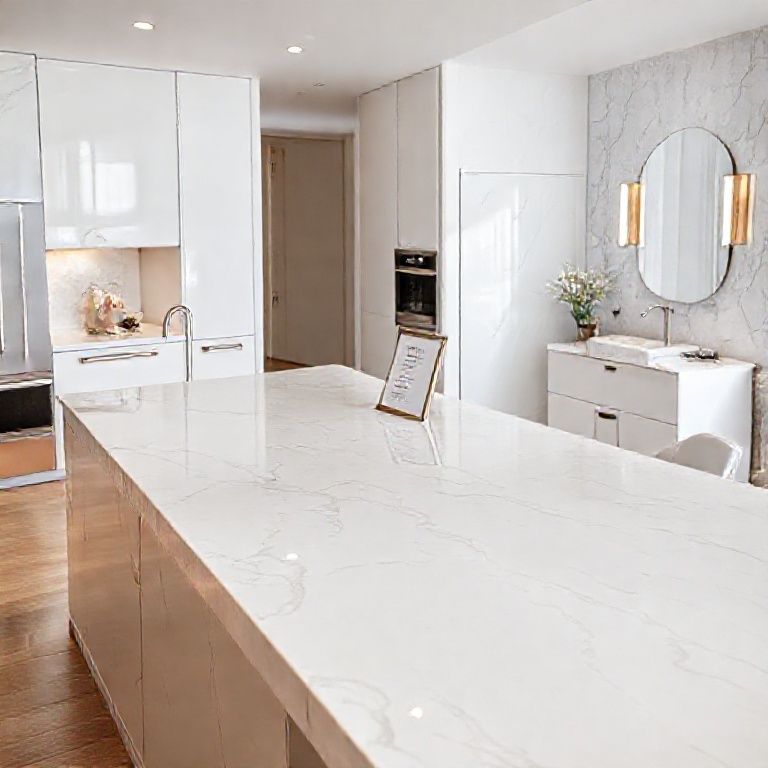
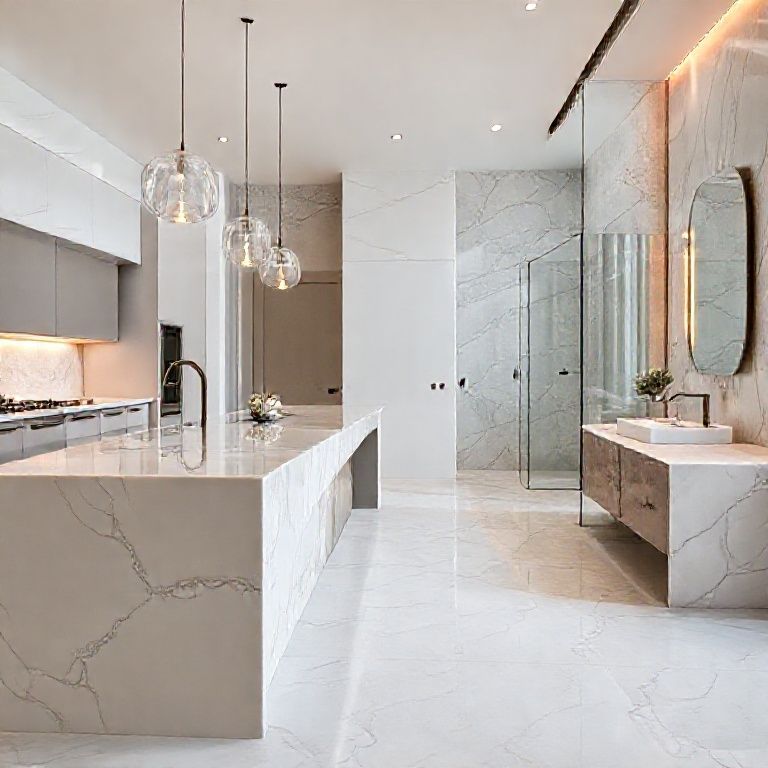
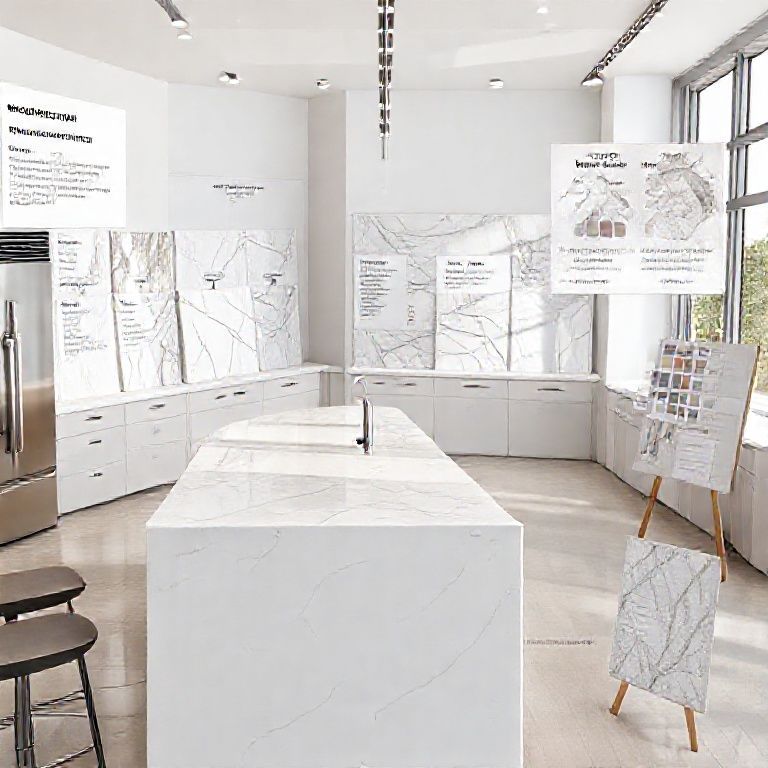
Artificial quartz countertops offer an impressive array of colors and designs, allowing for a high degree of customization to suit any aesthetic preference. Whether you’re looking for a sleek, modern look or something more traditional, quartz provides the flexibility to match your vision. The ability to mimic natural stone patterns and textures means that quartz can be tailored to fit seamlessly into any design scheme, from rustic to contemporary.
Easy Maintenance
Maintaining artificial quartz countertops is a breeze. The non-porous surface means that cleaning is as simple as wiping with a damp cloth and a mild detergent. This ease of maintenance is particularly appealing for those who prefer to spend less time on cleaning and more time enjoying their space. Additionally, the lack of porous surface means that there’s no risk of water spots, mold, or mildew, further simplifying the upkeep process.
Environmental Considerations
Quartz countertops also offer environmental benefits. The production process is relatively eco-friendly, requiring less energy and fewer resources compared to the extraction and processing needed for natural stone. Moreover, the longevity of quartz countertops reduces the need for frequent replacements, thus minimizing waste. This makes quartz a more sustainable choice for environmentally-conscious consumers.
Low Chemical Absorption
One of the lesser-known benefits of artificial quartz countertops is their low chemical absorption. Because the surface is not porous, chemicals from cleaning agents and other substances do not penetrate and leave no lasting residue. This is particularly important in kitchens where various cleaning products are used regularly. The low chemical absorption ensures that your countertops remain clean and safe to use, providing a healthier environment for your family.
Conclusion
Artificial quartz countertops offer a compelling mix of durability, affordability, and aesthetic versatility. From their impressive resistance to scratches and stains to their ease of maintenance and eco-friendly production, quartz presents a compelling case for those looking to upgrade their kitchen or bathroom. In the next part of this article, we’ll delve into the potential drawbacks and considerations to keep in mind when choosing artificial quartz countertops.
The Pros and Cons of Artificial Quartz Countertops: Part 2
In the previous section, we explored the myriad benefits of artificial quartz countertops, including their durability, water resistance, affordability, design flexibility, ease of maintenance, environmental considerations, and low chemical absorption. Now, we turn our attention to the potential drawbacks and considerations to ensure you make an informed decision for your remodeling project.
Installation Challenges
While artificial quartz countertops are generally easy to install due to their solid surface, there are still some challenges to be aware of. Unlike natural stone, quartz does not have the same thermal expansion and contraction properties. This can make the installation process slightly more complex, as installers need to account for the material’s specific properties. In some cases, additional work may be required to ensure a seamless fit, particularly around edges and corners. This can sometimes result in higher installation costs compared to other types of countertops.
Limited Customization
One of the potential cons of artificial quartz countertops is the limited scope for customization compared to natural stone. While quartz offers a wide range of colors and patterns, the designs are often pre-manufactured. This means that achieving a truly unique, one-of-a-kind look might be more challenging than with natural stone options. If you have a very specific design in mind, you may find that achieving it with quartz is more difficult than with materials like granite or marble.
Temperature Sensitivity
Although quartz is highly durable, it is not immune to temperature changes. Extreme heat can cause discoloration or even cracking, particularly if the temperature rises rapidly. For this reason, it’s important to avoid placing hot pots or pans directly on the surface without a trivet or potholder. While this is a general caution for any countertop material, it’s something to keep in mind when considering quartz.
Potential for Surface Damage
Despite being highly resistant to scratches and stains, quartz is not invulnerable. While it is much more resistant to these issues than many other countertop materials, it is still possible for quartz to sustain surface damage under certain conditions. For example, sharp objects like knives can create small scratches or chips in the surface if not used carefully. While these damages are often minor and can sometimes be polished out, it’s something to be mindful of to maintain the countertop’s pristine appearance.
Cost of Repairs
While quartz countertops are generally durable and low maintenance, there is a potential cost associated with repairs if damage does occur. Since quartz is a solid surface, it cannot be resurfaced like natural stone. Any damage will require professional repair or, in some cases, replacement of the affected area. Depending on the extent of the damage, this could be a significant cost. It’s important to consider the potential for repairs and the associated costs when budgeting for your countertop.
Ease of Installation
While quartz countertops are relatively easy to install, there are some factors to consider. The material can be heavy, making it important to use proper lifting techniques and possibly even a lifting device to avoid injury. Additionally, the installation process may require precise cutting and fitting, which can add to the complexity of the project. If you’re not comfortable with DIY installation, hiring a professional may be necessary, which could increase the overall cost of the project.
Maintenance Considerations
While quartz is known for its ease of maintenance, there are still some considerations to keep in mind. For example, while the surface is non-porous and resistant to stains, it’s still important to clean it properly to maintain its appearance. Using harsh chemicals or abrasive cleaners can potentially damage the surface, so it’s best to stick with mild detergents and soft cloths. Additionally, while quartz is resistant to most household liquids, prolonged exposure to acidic or alkaline substances can still cause discoloration over time.
Potential for Environmental Impact
Although the manufacturing process for quartz is relatively eco-friendly, the production of resin and the energy required to create the countertops can still have an environmental impact. Additionally, the transportation of quartz countertops from manufacturing facilities to installation sites can contribute to carbon emissions. While this impact is generally lower than that of natural stone, it’s something to consider for environmentally-conscious consumers.
Conclusion
While artificial quartz countertops offer numerous benefits, including durability, affordability, and design flexibility, it’s important to weigh these against potential drawbacks such as installation challenges, limited customization, and the potential for surface damage. By understanding both the pros and cons, you can make a more informed decision that aligns with your needs and preferences. Whether you’re looking to upgrade your kitchen or bathroom, artificial quartz countertops provide a compelling option that combines luxury with practicality.
By considering both the advantages and potential drawbacks of artificial quartz countertops, you can make a well-informed decision that enhances the beauty and functionality of your space.