The Pros of Artificial Quartz Countertops
Artificial quartz countertops have revolutionized modern kitchen and bathroom design, offering an array of benefits that appeal to homeowners and designers alike. Here’s an in-depth look at what makes these surfaces a popular choice.

1. Unmatched Durability and Strength
One of the most compelling advantages of artificial quartz countertops is their exceptional durability. Quartz is a composite material made up of 90% natural quartz and enhanced with resins, giving it a hardness that rivals diamond. This durability means these countertops are highly resistant to scratches, dents, and impact. Unlike traditional granite or marble, quartz doesn’t suffer from chips or cracks, ensuring a long-lasting, pristine surface.
2. Superior Scratch Resistance
Scratches and stains can mar the appearance of any countertop. Quartz, however, is renowned for its scratch resistance. The high-pressure manufacturing process binds the quartz particles together, creating a surface that resists scratches from everyday items like knives, pots, and pans. This makes quartz countertops ideal for households with children or pets, as well as those who love to cook.
3. Water and Stain Resistance
Artificial quartz countertops are designed to repel water and stains. This property is particularly advantageous in kitchens and bathrooms where moisture is common. Unlike wood or stone surfaces that can absorb liquids and develop stains, quartz remains clean and easy to maintain. The hydrophobic nature of quartz means spills can be wiped away easily, reducing the risk of permanent discoloration.
4. Low Maintenance
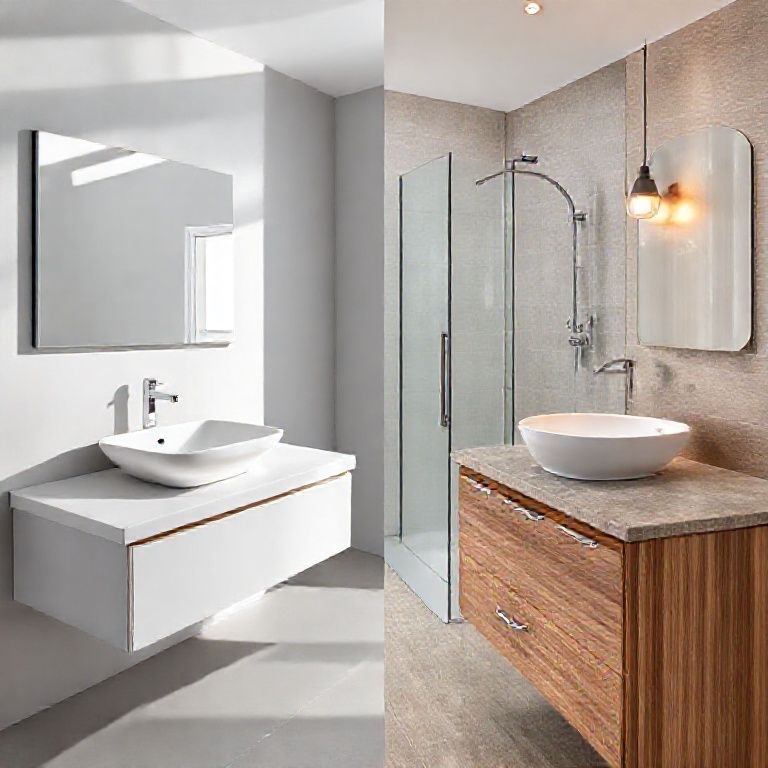
One of the most significant advantages of quartz countertops is their low maintenance requirements. Unlike wood, which needs regular sealing to prevent moisture damage, or stone, which can absorb oils and stains, quartz only requires occasional cleaning with a mild soap and water solution. This simplicity makes maintenance straightforward and ensures the countertop remains pristine for years.
5. Versatility in Design
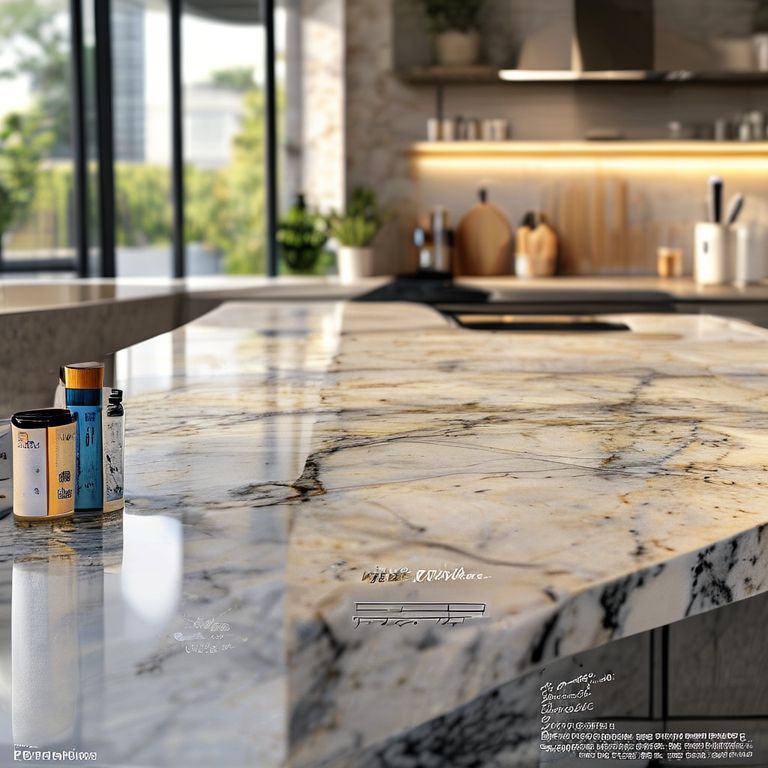
Quartz countertops offer an incredible range of design possibilities. With thousands of colors and patterns available, manufacturers can create custom designs to match any aesthetic preference. Whether you want a classic marble look, a sleek modern slab, or a unique pattern, quartz can be tailored to suit your vision. This versatility makes it an excellent choice for both contemporary and traditional designs.
6. Cost-Effective
When comparing the cost of installation and maintenance, quartz countertops often come out ahead. While the initial investment might be higher than some other materials, the low maintenance and durability make quartz a cost-effective choice in the long run. Additionally, quartz is competitively priced, offering a balance of quality and affordability that appeals to many homeowners.
7. Eco-Friendly
The production of quartz countertops is an environmentally friendly process. Unlike natural stone, which requires extensive quarrying and transportation, quartz is manufactured in controlled environments. This reduces the carbon footprint associated with the extraction and transportation of natural stone materials. Additionally, quartz countertops are recyclable, adding another layer of eco-consciousness to their appeal.
8. Safety
Quartz countertops are non-porous and free from bacteria, making them a safer choice for kitchen and bathroom use. Traditional stone surfaces can harbor bacteria and mold, especially in humid environments. Quartz, however, provides a clean, sterile surface that is safer for food preparation and everyday use.
Conclusion
In summary, artificial quartz countertops offer a host of advantages that make them a top choice for many homeowners. From their unmatched durability and scratch resistance to their low maintenance requirements and versatile design options, quartz provides a reliable, beautiful, and functional surface for any kitchen or bathroom. The next part will delve into the cons of artificial quartz countertops, offering a balanced perspective on this popular material.
The Cons of Artificial Quartz Countertops
While artificial quartz countertops come with numerous benefits, it’s essential to consider their drawbacks to make a well-rounded decision. This section explores the potential downsides of using quartz countertops in your home renovation project.
1. Initial Cost
One of the most significant drawbacks of artificial quartz countertops is their initial cost. Quartz is generally more expensive than many other countertop materials due to its advanced manufacturing process and the quality of materials used. The price can vary depending on the design and customization, but it is typically higher than standard laminate, composite, or even some stone options. This higher upfront cost might be a barrier for some homeowners.
2. Installation Challenges
While quartz countertops are durable and low maintenance, their installation can be more challenging than some other materials. Unlike wood or laminate, which can be easily cut and fitted, quartz requires precision cutting and careful handling. Professional installation is often recommended to ensure the countertop is properly secured and aligned, which can add to the overall cost.
3. Heat Resistance Limitations
Quartz countertops are highly resistant to scratches and stains, but they are not as heat-resistant as natural stone like granite or marble. While quartz can withstand typical kitchen temperatures, prolonged exposure to high heat can cause discoloration or even warping. It’s important to use proper cookware and avoid placing hot items directly on the surface to prevent potential damage.
4. Customization Limitations
While quartz offers a wide range of design possibilities, the level of customization might not be as extensive as some might hope. The color and pattern options, while vast, are limited by the manufacturer’s offerings. Unlike natural stone, where you can often find unique, one-of-a-kind pieces, quartz typically comes in more standardized options. This might not be a significant issue for those who prefer consistency, but it could be a drawback for those seeking highly unique designs.
5. Environmental Impact of Manufacturing
While quartz is generally more environmentally friendly than natural stone, the manufacturing process still has some environmental impacts. The resins and other materials used in the production of quartz can release volatile organic compounds (VOCs) during installation. While manufacturers often use low-VOC materials to minimize this issue, it’s still something to consider, especially for households with sensitive individuals or those looking for a completely eco-friendly option.
6. Durability Concerns Over Time
While quartz is highly durable, some people might be concerned about how it holds up over the long term. Although quartz is known for its longevity, prolonged exposure to certain chemicals and heavy use might lead to some wear and tear. While this is less likely than with natural stone, it’s still something to consider, especially for high-traffic areas.
7. Aesthetic Limitations
For some, the aesthetic of quartz might not match their vision for their kitchen or bathroom. While quartz offers a wide range of colors and patterns, it still lacks the unique, natural beauty of some other materials like marble or granite. The polished, uniform look of quartz might not appeal to everyone, particularly those who prefer the natural, organic feel of stone.
8. Warranty Issues
While quartz countertops come with warranties that cover scratches, stains, and other damage, these warranties might not cover all issues. Some warranties exclude damage caused by high heat or improper installation, which can leave homeowners with unexpected repair costs. It’s important to read the warranty details carefully and understand what is and isn’t covered before installation.
Conclusion
In summary, while artificial quartz countertops offer numerous benefits, they also come with some drawbacks. The initial cost and installation challenges, along with potential limitations in heat resistance and customization, should be carefully considered. Additionally, while quartz is generally environmentally friendly, the manufacturing process still has some environmental impacts. Despite these cons, the overall advantages of durability, low maintenance, and design versatility often outweigh the disadvantages for many homeowners. When deciding whether artificial quartz countertops are the right choice for your home, it’s essential to weigh both the pros and cons carefully to make an informed decision that best suits your needs and preferences.