The Pros of Artificial Quartz Countertops
Introduction to Artificial Quartz Countertops Artificial quartz countertops have revolutionized modern kitchen and bathroom design with their stunning aesthetics and remarkable durability. Made from a combination of 90% quartz and 10% resin, these surfaces are engineered to offer a level of luxury and practicality that few other materials can match. In this first part, we’ll delve into the myriad benefits that make artificial quartz countertops an attractive choice for many homeowners and designers alike.

1. Unmatched Durability and Strength One of the most significant advantages of artificial quartz countertops is their exceptional durability. Quartz is one of the hardest natural minerals, ranking 7 on the Mohs scale of mineral hardness. When combined with resin, it forms a material that is incredibly resistant to scratches, dents, and impacts. This durability ensures that quartz countertops can withstand the rigors of daily use without showing signs of wear and tear, thus maintaining their pristine appearance for years to come.
2. Non-Porous and Easy to Clean Artificial quartz countertops are non-porous by nature. Unlike granite or marble, which can absorb liquids and stains, quartz remains impervious to these elements. This characteristic makes cleaning an absolute breeze. A simple wipe with a damp cloth and mild detergent is often sufficient to keep the surface sparkling clean. The non-porous nature also means that bacteria and germs have a hard time establishing a foothold, making quartz an excellent choice for kitchens and bathrooms where hygiene is paramount.
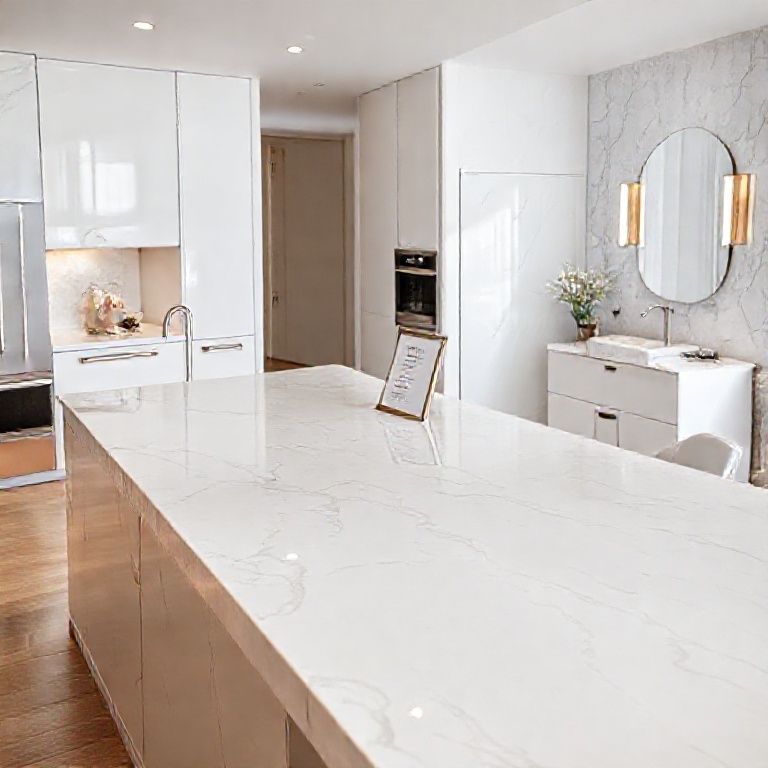
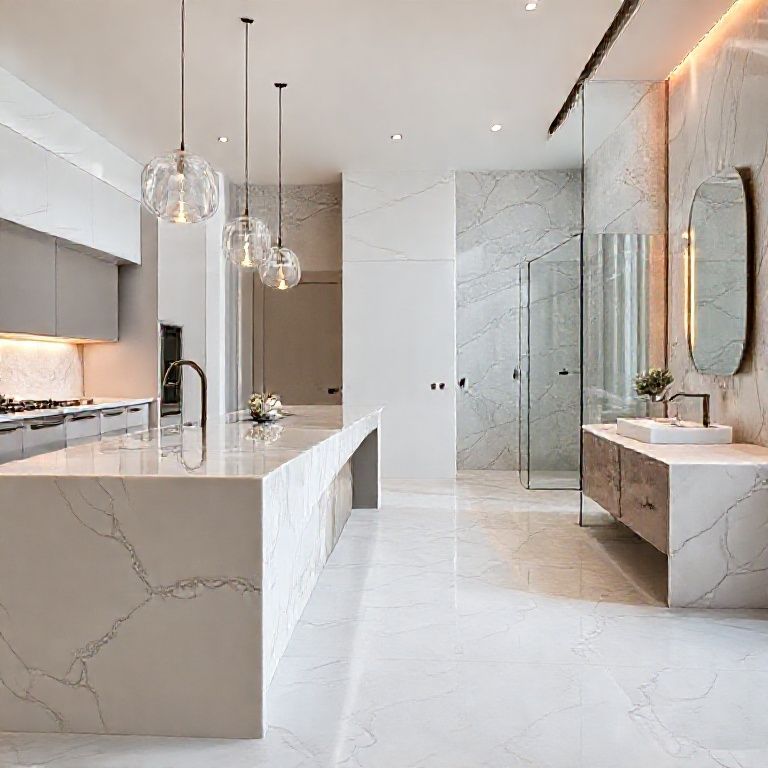
3. Wide Range of Colors and Patterns The aesthetic appeal of artificial quartz countertops cannot be overstated. Manufacturers offer an extensive palette of colors and patterns, allowing for an almost limitless range of design possibilities. From traditional marble and granite looks to more modern and abstract designs, quartz can be customized to match any style or theme. This versatility makes it an excellent choice for both contemporary and traditional interiors.
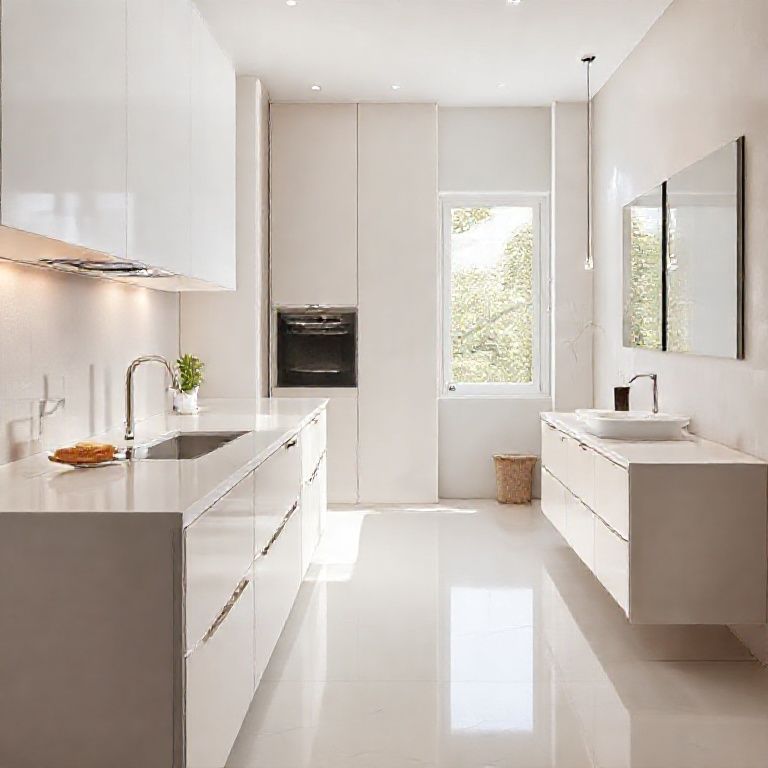
4. Chemical and Heat Resistance Quartz countertops exhibit excellent resistance to a variety of chemicals, including bleach, wine, and other common household cleaners. This makes them ideal for kitchens where spills and stains are a regular occurrence. Additionally, quartz countertops can withstand high temperatures, making them perfect for areas where hot pots and pans are frequently placed. Unlike other materials that can warp or crack under heat, quartz maintains its integrity and appearance.
5. Low Maintenance The low-maintenance nature of quartz countertops adds to their appeal. Because they are not porous, they do not require sealing or regular maintenance like natural stone surfaces. This simplicity not only saves time but also reduces long-term costs associated with upkeep. Simply clean them occasionally, and they will continue to look like new.
6. Cost-Effectiveness While the initial cost of artificial quartz countertops might be higher than some other materials, their long-term durability and low maintenance needs make them a cost-effective choice in the long run. The reduction in cleaning and maintenance costs, coupled with their resistance to damage, often results in a positive return on investment over time.
Conclusion In summary, artificial quartz countertops bring an impressive array of benefits to the table. Their unmatched durability, ease of cleaning, wide range of aesthetic options, chemical and heat resistance, low maintenance, and cost-effectiveness make them a highly desirable choice for modern kitchens and bathrooms. Whether you’re renovating an existing space or designing a new one, considering the pros of quartz countertops can lead to a more functional and visually appealing environment.
The Cons of Artificial Quartz Countertops
Introduction to the Cons of Artificial Quartz Countertops While artificial quartz countertops offer numerous advantages, it’s important to consider any potential drawbacks to ensure they are the right choice for your specific needs. In this second part, we will explore some of the potential concerns associated with artificial quartz countertops, providing a balanced view to help you make an informed decision.
1. Higher Initial Cost One of the most apparent drawbacks of artificial quartz countertops is their higher initial cost compared to other countertop materials like granite or laminate. The price premium is due to the advanced manufacturing process and the high-quality materials used. While quartz countertops offer long-term durability and low maintenance, the upfront cost might be a deterrent for some budgets. However, it’s worth noting that the longevity and reduced maintenance costs can offset this initial expense over time.
2. Installation Challenges Although quartz countertops are incredibly durable, their installation can be more challenging compared to other materials. The dense nature of the material means that traditional sawing and cutting tools can struggle to cut through it efficiently. Specialized tools and techniques are often required, which may necessitate hiring professional installers or investing in advanced equipment. This complexity can add to the overall cost and time of installation.
3. Limited Customization While quartz countertops offer a wide range of colors and patterns, the customization options are somewhat limited compared to other materials. Unlike natural stone, where you can often find unique pieces with unique veins and patterns, quartz is more uniform. This can be a drawback for those seeking highly personalized and one-of-a-kind designs. However, with the right manufacturer and design team, it is possible to achieve a high degree of customization.
4. Weight and Handling Quartz countertops are heavier than many other countertop materials, which can complicate installation and handling. The weight may require additional support during installation and can make it more difficult to transport and install, especially in homes with limited access points. Lightweight alternatives like laminate or composite materials might be easier to handle in such scenarios.
5. Environmental Concerns The production of artificial quartz countertops involves the use of resins and other synthetic materials, which can raise environmental concerns. While manufacturers strive to use eco-friendly processes and materials, the overall environmental impact of producing these countertops can be significant. For those particularly concerned about sustainability, this might be a factor to weigh against the benefits.
6. Potential for Surface Damage While quartz is highly resistant to scratches and stains, it is not entirely immune to all forms of damage. Extremely sharp objects can still cause minor scratches or pits in the surface. Although these marks are often minimal and can sometimes be polished out, they do represent a small potential drawback. Proper use and care can mitigate this risk, but it’s something to be aware of.
Conclusion While artificial quartz countertops offer a plethora of benefits, it’s important to consider the potential downsides to ensure they are the right choice for your specific needs. The higher initial cost, installation challenges, limited customization, weight, environmental concerns, and potential for minor surface damage are all factors that should be taken into account. By weighing these cons against the many advantages, you can make a well-informed decision that aligns with your budget, lifestyle, and design preferences.
In conclusion, artificial quartz countertops present a compelling mix of durability, aesthetics, and practicality. While there are some considerations to keep in mind, their overall advantages make them a popular choice for many. Whether you’re looking to enhance the functionality of your kitchen or the elegance of your bathroom, understanding both the pros and cons will help you determine if artificial quartz countertops are the perfect fit for your space.