Understanding Artificial Stone Countertops and Their Thickness
Artificial stone countertops have emerged as a popular choice for modern kitchens and bathrooms due to their durability, versatility, and aesthetic appeal. These countertops are crafted from a mixture of natural stone powders such as quartz, marble, or calcite, combined with polymers and other binding agents. This combination results in a material that mimics the look and feel of natural stone while offering superior resilience and ease of maintenance.

The Importance of Thickness
When it comes to artificial stone countertops, the thickness is a crucial factor that impacts both the aesthetic and functional aspects of the final product. The thickness of a countertop determines its weight, structural integrity, and overall durability. Here’s a breakdown of why thickness is important:
Durability and Strength Thicker countertops are inherently stronger and more resistant to scratches, dents, and impact. This is particularly important in high-traffic areas like kitchens where countertops are subject to daily wear and tear. A thicker artificial stone countertop can withstand heavier items such as pots, pans, and appliances, ensuring long-term durability and reducing the risk of breakage. Weight Considerations Thicker countertops are heavier, which means they require a more robust installation process. It’s essential to ensure that the underlying cabinetry and structure can support the weight of the countertop. The added weight also means less frequent replacement, which can save both money and time in the long run. Aesthetic Appeal Thickness can influence the overall appearance of a countertop. While a thicker countertop might look more substantial and premium, it also requires careful consideration in terms of design and layout. Thinner countertops offer a sleek, modern look that can be ideal for minimalist designs, but may lack the same robustness as thicker options.
Standard Thickness Range
The standard thickness for artificial stone countertops typically ranges from 1.5 inches to 2 inches (38mm to 50mm). Here’s a closer look at the most commonly used thicknesses:
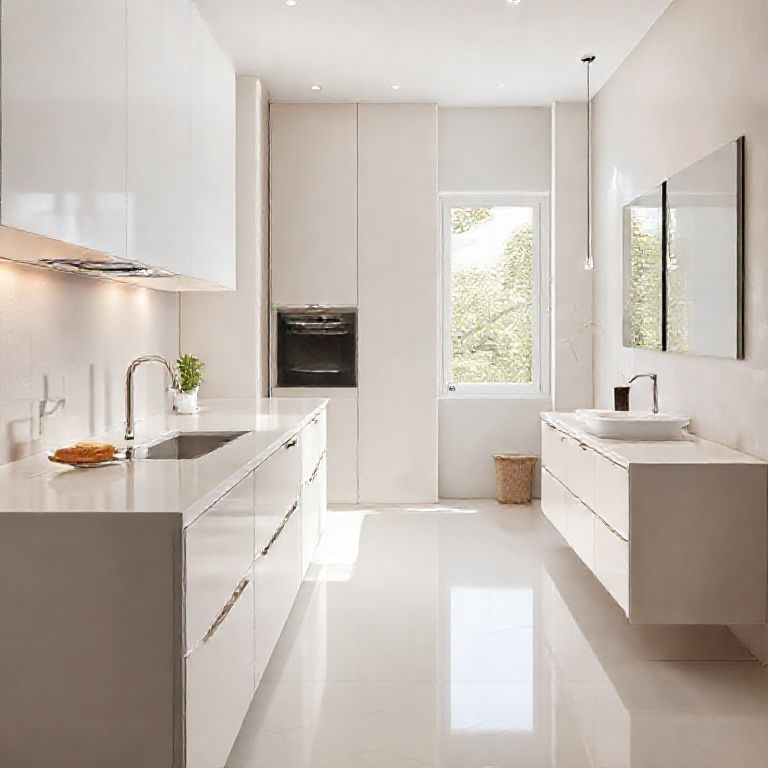
1.5 Inches (38mm) This thickness is popular for its balance between durability and aesthetic appeal. It provides enough strength to handle daily use without being overly cumbersome. Ideal for modern, minimalist designs where a lighter appearance is preferred. 2 Inches (50mm) This thickness offers maximum strength and durability, making it suitable for high-traffic areas where the countertop will endure significant wear and tear. Provides a premium look that complements traditional and classic designs, adding a touch of elegance to any space.
Installation and Support
When installing artificial stone countertops, it’s essential to consider the thickness to ensure proper support and stability. Here are some key points to keep in mind:
Cabinetry Support: Ensure that the cabinetry and underlying structure can support the weight of the countertop. This may involve reinforcing the cabinet joints or using specialized supports. Backsplash Design: For countertops that extend into backsplash areas, thickness must be consistent to avoid gaps and ensure a seamless look. Edge Finishing: The edges of the countertop should be finished appropriately to prevent chipping and ensure a polished appearance.
Conclusion
Choosing the right thickness for your artificial stone countertop is a decision that balances durability, weight, and aesthetic appeal. Whether you opt for a 1.5-inch or 2-inch thickness, understanding the implications of your choice can significantly impact the longevity and appearance of your kitchen or bathroom. In the next part of this guide, we will explore specific recommendations for different spaces and additional considerations to ensure your artificial stone countertop meets both functional and design needs.
Tailoring Artificial Stone Countertop Thickness to Your Needs
Having discussed the general importance of thickness in artificial stone countertops, let’s delve deeper into how you can tailor the thickness to suit specific spaces in your home. Each area—kitchen, bathroom, and even commercial spaces—has unique requirements and preferences when it comes to countertop thickness.
Kitchen Countertops
The kitchen is often the heart of the home, making it essential to choose a countertop that not only looks good but also performs well under daily use.
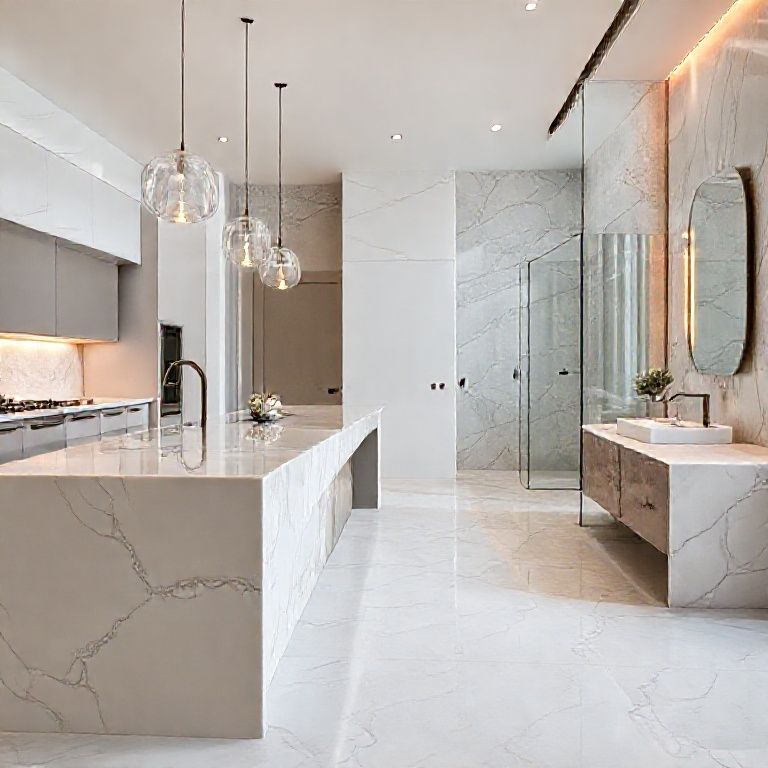
High-Traffic Kitchens For kitchens that see heavy use, a 2-inch (50mm) thickness is often recommended. This provides the necessary durability to withstand the constant movement of pots, pans, and other kitchenware. Ensure that the cabinetry can support the weight of the countertop. If necessary, reinforce the cabinets or use additional supports during installation. Modern and Minimalist Kitchens For contemporary designs, a 1.5-inch (38mm) thickness can offer a sleek, modern look without compromising too much on strength. This thickness also makes it easier to fit within the design constraints of a minimalist aesthetic.
Bathroom Countertops
Bathrooms often require a balance between appearance and functionality, especially when it comes to the countertop’s thickness.
Vanity Tops Vanity tops typically benefit from a 1.5-inch (38mm) thickness. This provides enough strength to handle daily use while maintaining a light, airy feel. Ensure that the vanity unit can support the weight of the countertop. This may involve checking the joint connections and reinforcing if necessary. Countertops in Shower Areas In shower areas where water exposure is a concern, a thicker countertop can offer better resistance to water damage and mold growth. A 2-inch (50mm) thickness can be ideal for these areas. Additionally, thicker countertops can provide a more stable surface for items like soap dispensers and toiletries.
Commercial Spaces
Commercial kitchens and bathrooms have even higher demands in terms of durability and aesthetics. The thickness of the artificial stone countertop should reflect these requirements.
Commercial Kitchens For commercial kitchens where the countertop is subject to constant high-traffic usage, a 2-inch (50mm) thickness is almost always the best choice. It’s crucial to work with professionals who have experience in commercial installations to ensure that the underlying structure can support the weight and that the countertop is installed correctly. Restaurant and Café Countertops In areas where the countertop is used for food preparation and other heavy-duty tasks, a 2-inch (50mm) thickness ensures durability and longevity. The aesthetic appeal should also be considered, as a thicker countertop can provide a more robust and professional look.
Additional Considerations
When deciding on the thickness of your artificial stone countertop, consider the following additional factors:
Water Resistance Thicker countertops generally offer better resistance to water damage, making them ideal for areas prone to moisture. Ensure that the chosen thickness provides sufficient water resistance to avoid issues like mold and mildew. Maintenance While artificial stone countertops are generally low-maintenance, the thickness can impact how easily they can be cleaned and maintained. Thicker countertops might require more effort to clean around the edges, so consider this aspect when making your choice. Budget Thicker countertops can be more expensive due to the additional material and labor required for installation. Balance your budget with the desired thickness to find the best option.
Conclusion
Selecting the right thickness for your artificial stone countertop is a decision that requires careful consideration of various factors including durability, weight, aesthetic appeal, and specific space requirements. By understanding the implications of different thicknesses and tailoring your choice to suit your specific needs, you can ensure that your countertop not only looks great but also performs exceptionally well over time. Whether you’re renovating your kitchen, bathroom, or commercial space, this guide provides the insights you need to make an informed decision about the ideal thickness for your artificial stone countertop.