Understanding Oil Permeability in Artificial Stone Countertops
When it comes to choosing a countertop for your kitchen or bathroom, one of the primary considerations is durability and ease of maintenance. Artificial stone countertops have emerged as a popular choice due to their impressive appearance, strength, and versatility. However, one critical aspect often discussed is their oil permeability. Understanding whether artificial stone allows oil to seep through is essential for making an informed decision.

The Composition of Artificial Stone Countertops
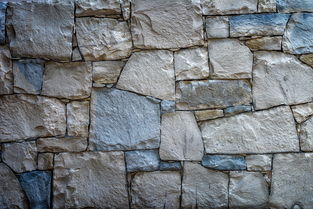
Artificial stone countertops, also known as composite stone or cultured stone, are made from a blend of natural stone, marble, or granite powder combined with a polymer resin. This mixture is designed to mimic the appearance of natural stone while offering superior durability and resistance to chipping, cracking, and staining.
The primary materials used in artificial stone include:
Natural Stone Aggregates: These can be quartz, granite, or marble, providing a realistic texture and color. Polymer Resin: A binding agent that holds the stone aggregates together, enhancing the durability and strength of the countertop.
Oil Permeability: What It Means
Oil permeability refers to the ability of a substance to allow oil to penetrate its surface. In the context of artificial stone countertops, this characteristic is crucial because oil seepage can lead to staining, dulling, and degradation of the surface over time. It is essential to understand that while artificial stone is designed to be highly resistant to many types of stains, oil can still pose a challenge.
Does Artificial Stone Allow Oil to Permeate?
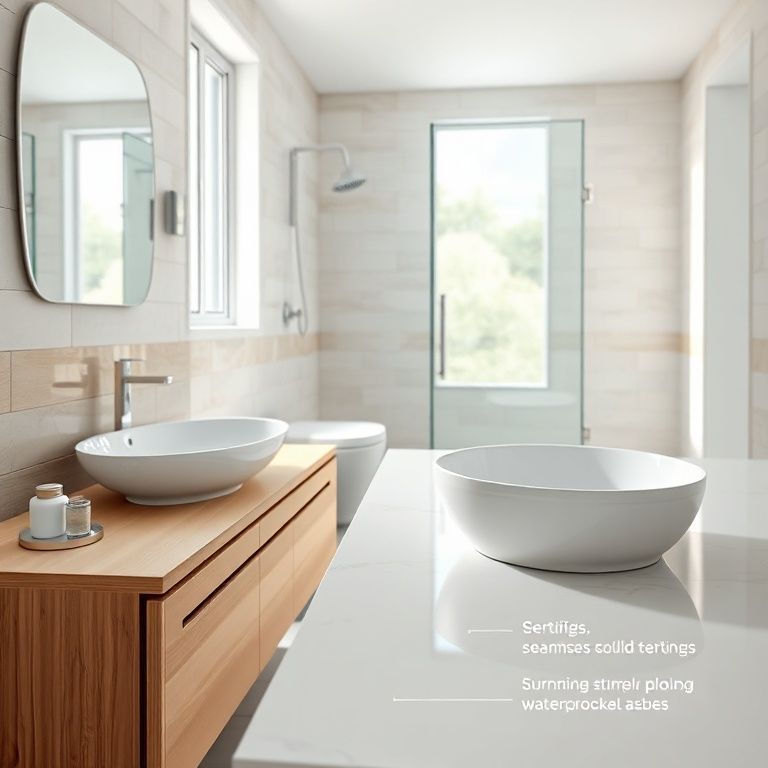
Artificial stone countertops are known for their high resistance to oil, but they are not entirely impervious. The permeability of oil largely depends on the specific formulation and quality of the artificial stone used. Here’s a closer look at how artificial stone handles oil exposure:
Surface Oil Resistance: The surface of artificial stone is treated to resist oil, but prolonged exposure to heavy oils can lead to absorption over time. This absorption may cause the surface to dull and potentially stain if not cleaned promptly.
Underlying Layers: Unlike natural stone, the layers beneath the surface of artificial stone can absorb oil to a certain extent. However, this absorption is typically minimal due to the polymer resin’s oil-resistant properties.
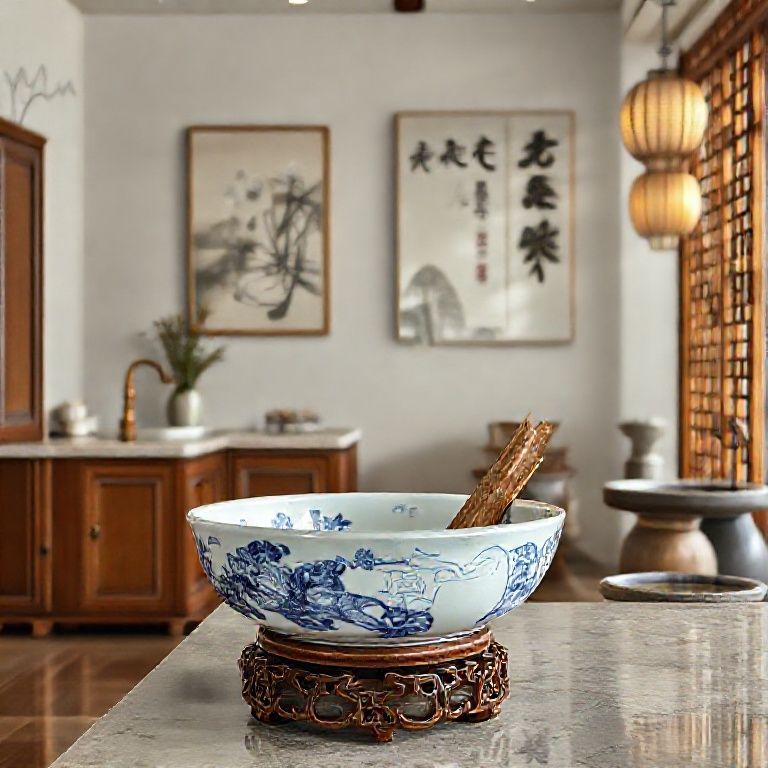
Type of Oil: Different oils have varying degrees of permeability. Oils from cooking, such as vegetable and canola oil, are more likely to seep into the surface than mineral oils or cooking oils with higher viscosity.
Benefits of Artificial Stone Countertops
Despite the potential for oil permeability, artificial stone countertops offer numerous benefits that make them a favored choice in both commercial and residential settings:
Durability: Artificial stone is highly resistant to scratches, chips, and cracks, making it an ideal choice for high-traffic areas. Ease of Maintenance: Cleaning artificial stone is relatively straightforward. Most countertops can be wiped down with a damp cloth and mild soap. Customization: Available in a wide range of colors, patterns, and textures, artificial stone allows for a high degree of customization to match any design aesthetic. Cost-Effectiveness: Generally more affordable than natural stone, artificial stone provides a luxurious look at a fraction of the cost.
Maintenance Tips for Artificial Stone Countertops
To ensure your artificial stone countertops maintain their appearance and longevity, follow these maintenance tips:
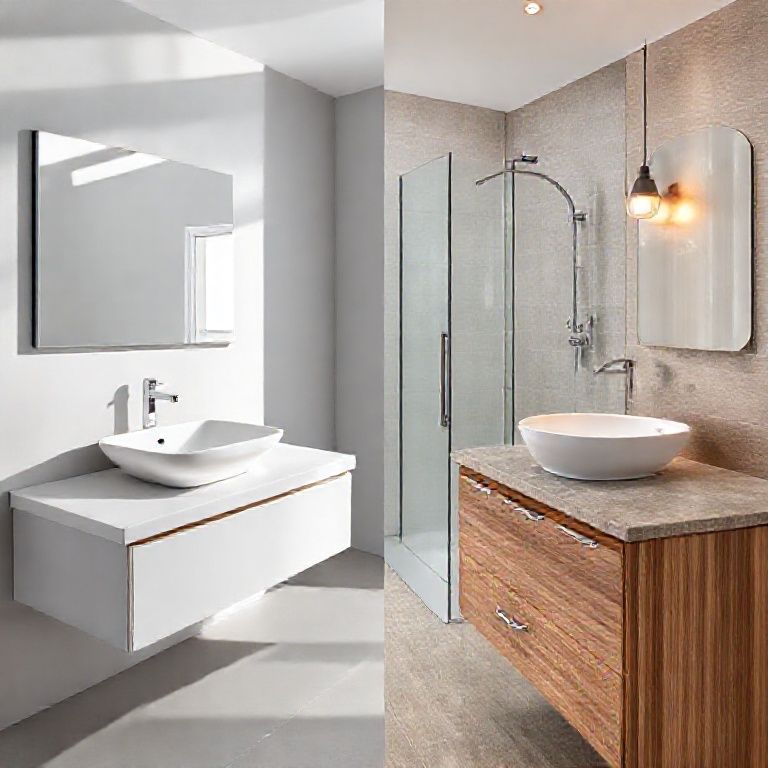
Immediate Cleaning: Wipe up spills, especially oily ones, immediately to prevent staining and dulling. Use Proper Cleaning Tools: Avoid abrasive cleaners or scrubbers that can scratch the surface. Instead, opt for non-abrasive sponges and mild detergents. Regular Polishing: Depending on the type of artificial stone, periodic polishing can help restore shine and prevent dulling. Protective Coatings: Consider applying a protective sealant to enhance oil resistance and provide an additional layer of protection.
In the next part of this comprehensive exploration, we will delve deeper into specific types of oils and their impact on artificial stone, along with advanced maintenance and care strategies to keep your countertops looking pristine.
Advanced Insights into Oil Permeability and Maintenance of Artificial Stone Countertops
Building on the foundational understanding of artificial stone countertops and their oil permeability, this second part will provide deeper insights into specific oils and their impact on these surfaces. Additionally, we will explore advanced maintenance and care strategies to ensure your countertops remain in top condition.
Types of Oils and Their Impact on Artificial Stone
Understanding the different types of oils and their varying degrees of permeability is crucial for maintaining your artificial stone countertops. Here’s a detailed look at how various oils can affect the surface:
Cooking Oils: Oils commonly used in cooking, such as vegetable, canola, and olive oil, are relatively light and can seep into the surface of artificial stone if not cleaned promptly. Over time, this can lead to dulling and staining.
Mineral Oils: These are thicker and less likely to penetrate the surface of artificial stone. However, prolonged exposure can still cause some absorption.
Sour Cream and Dairy Oils: These oils can be more challenging to clean due to their thicker consistency and higher fat content. They require immediate and thorough cleaning to prevent absorption and staining.
Advanced Maintenance Strategies
To keep your artificial stone countertops looking pristine, it’s essential to implement advanced maintenance strategies. Here are some tips to ensure your countertops remain in excellent condition:
Regular Cleaning Routine: Establish a regular cleaning routine that includes wiping down the surface with a damp cloth and mild soap after every use. For heavily used areas, consider using a specialized stone cleaner designed to address oil and food residue.
Immediate Spill Management: When spills occur, especially those involving oil, address them immediately. Use a paper towel or cloth to blot the spill, then follow up with a cleaning solution to remove any residue.
Use of Protective Coatings: Applying a protective sealant can significantly enhance the oil resistance of artificial stone countertops. These coatings create a barrier that repels oil and stains, making cleaning easier and maintaining the countertop’s appearance.
Avoiding Abrasive Materials: To prevent scratching and dulling, avoid using abrasive cleaners or scrubbers. Opt for non-abrasive, mild cleaning agents that are gentle on the surface.
Professional Cleaning Services: For high-traffic areas or homes with heavy use, consider hiring professional cleaning services that specialize in stone countertops. They can provide deep cleaning and maintenance that ensures longevity and preserves the countertop’s beauty.
Long-Term Care and Maintenance
For long-term care and to maintain the durability and appearance of your artificial stone countertops, consider the following:
Regular Polishing: Depending on the type of artificial stone, periodic polishing can help restore shine and prevent dulling. Follow the manufacturer’s recommendations for the best results.
Avoiding Harsh Chemicals: Avoid using harsh chemicals that can damage the surface. Stick to mild, non-abrasive cleaners that are safe for stone.
Temperature Control: Extreme temperatures can affect artificial stone. Avoid placing hot pots and pans directly on the surface, and use trivets to protect the countertop.
Regular Inspections: Regularly inspect your countertops for any signs of damage, staining, or dulling. Early detection and prompt cleaning can prevent minor issues from becoming major problems.
Conclusion
Artificial stone countertops are a fantastic choice for those seeking durability, aesthetic appeal, and ease of maintenance. While they are designed to resist oil to a significant extent, understanding their oil permeability and implementing advanced maintenance strategies is crucial for preserving their beauty and longevity. By following the tips and strategies outlined in this comprehensive exploration, you can ensure that your artificial stone countertops remain pristine and beautiful for years to come.
In conclusion, whether you’re considering artificial stone for your kitchen or bathroom, the knowledge and care strategies discussed here will help you make an informed decision and maintain your investment to its fullest potential.