Revamping your kitchen with a new countertop is an exciting way to breathe fresh life into your home. But how much should you spend on a kitchen countertop replacement? In this comprehensive guide, we’ll explore the factors that determine cost, the benefits of various materials, and provide you with an actionable roadmap to achieving a stunning kitchen makeover that fits your budget and style.

kitchen makeover, kitchen countertop cost, countertop replacement, kitchen renovation, kitchen design, kitchen remodeling, countertop materials, kitchen budget, kitchen transformation
The Perfect Kitchen Makeover: How Much Should You Spend on a New Kitchen Countertop?
When considering a kitchen makeover, one of the most impactful changes you can make is to replace your kitchen countertop. A fresh, new countertop can dramatically enhance the aesthetics and functionality of your kitchen. But, like any major renovation project, the cost can be a significant concern. So, how much should you spend on a new kitchen countertop? Let’s delve into the factors that influence cost and explore the benefits of various materials.
Factors Influencing Kitchen Countertop Cost
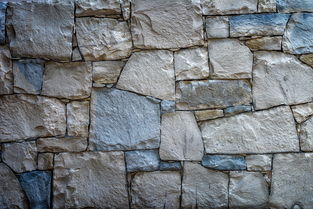
Materials: Granite: Granite countertops are renowned for their durability and classic elegance. However, they come with a premium price tag. High-quality granite can cost anywhere from $100 to $200 per square foot, depending on the specific type and color. Quartz: Quartz countertops are known for their scratch and stain resistance. They offer a luxurious look at a slightly lower cost than granite, typically ranging from $60 to $150 per square foot. Marble: While marble countertops exude luxury, they require more maintenance due to their porous nature. Prices can range from $70 to $200 per square foot, with high-end marbles costing more. Slate: Slate countertops offer a natural and durable option. They can range from $50 to $150 per square foot, depending on the type and finish. Concrete: For those seeking a unique, industrial look, concrete countertops can be both stylish and affordable, costing between $30 and $80 per square foot. Laminate: Budget-friendly and easy to install, laminate countertops range from $15 to $40 per square foot. They offer a variety of patterns and colors but have less durability compared to other materials. Solid Surface: Brands like Corian and Silestone offer a blend of durability and design flexibility. They typically cost between $40 and $120 per square foot.
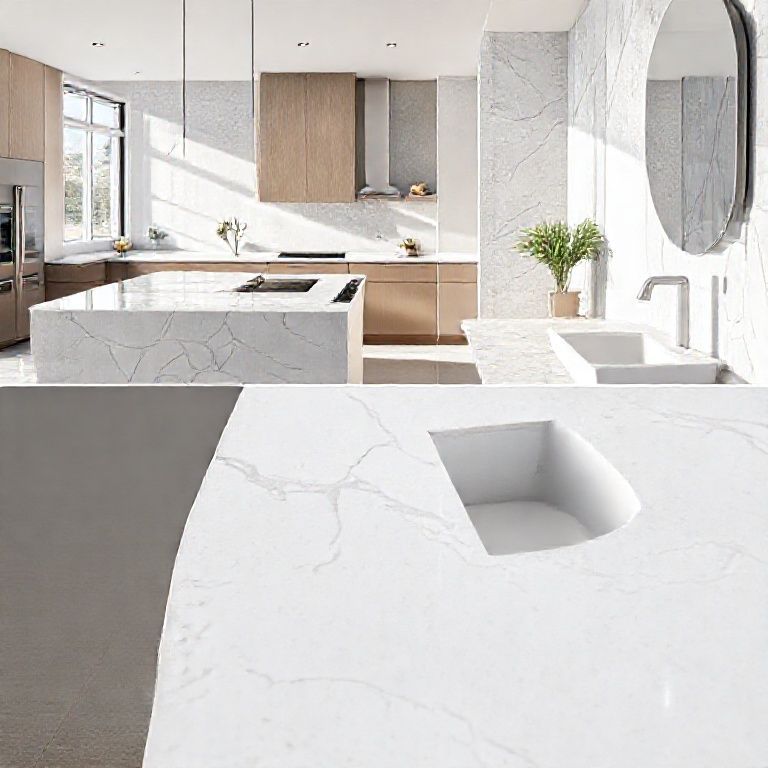
Installation: The cost of professional installation can vary significantly based on the complexity of the project. Basic installations may cost around $100 to $300, while more complex installations involving custom shapes or additional finishes can exceed $1,000.
Customization: Custom cuts, special shapes, and unique designs can add to the overall cost. If you want a non-standard countertop layout or additional features like sinks and cutouts, expect to pay more.
Labor: Depending on the region, labor costs can vary. On average, labor for countertop installation ranges from $500 to $1,500.
Additional Costs: Consider hidden costs such as disposal of old countertops, waste management, and any additional materials needed for the project. These can add up quickly.
Benefits of Various Countertop Materials
Granite: Durability: Granite is incredibly hard and durable, making it an excellent choice for high-traffic areas. Aesthetic Appeal: It offers a timeless elegance and a wide range of colors and patterns. Maintenance: While it’s relatively low-maintenance, granite does require sealing every few years to protect its surface. Quartz: Scratch and Stain Resistance: Quartz is known for its durability and resistance to scratches, stains, and heat. Low Maintenance: It requires minimal upkeep and is easy to clean. Affordability: While it may be more expensive than some other options, quartz offers a balance of beauty and functionality. Marble: Luxury: Marble countertops exude luxury and sophistication. Aesthetic Versatility: With its unique veining, marble offers endless design possibilities. Maintenance: However, it requires regular sealing and is more susceptible to scratches and stains. Slate: Durability: Slate is a very hard material that can withstand heavy use. Natural Look: It provides a natural, rustic look that is both modern and timeless. Maintenance: Slate requires minimal maintenance but should be sealed periodically. Concrete: Unique Style: Concrete countertops offer a distinctive, industrial look that can add character to a kitchen. Customization: They can be colored and textured in numerous ways to suit any design. Durability: Concrete is highly durable and resistant to scratches and stains. Laminate: Affordability: Laminate countertops are one of the most budget-friendly options. Design Flexibility: They offer a wide range of colors and patterns. Low Durability: However, they are less durable and can scratch easily. Solid Surface: Versatility: Solid surface materials like Corian and Silestone offer a variety of colors and patterns. Durability: They are highly durable and resistant to scratches, stains, and heat. Low Maintenance: Solid surfaces are low-maintenance and easy to clean.
Budgeting for Your Kitchen Countertop Replacement
When budgeting for a new kitchen countertop, it’s essential to consider both the upfront costs and any additional expenses that may arise. Here are some tips to help you plan:
Set a Clear Budget: Determine how much you are willing to spend upfront. Remember to include installation costs and any potential additional fees. Research and Compare: Take the time to research different materials and prices. Compare quotes from multiple suppliers to get a better understanding of what you can expect to pay. Consider Long-Term Value: While granite may have a higher initial cost, its durability and timeless appeal can offer long-term value. Conversely, laminate may be more affordable but won’t last as long. Plan for Maintenance: Some materials require more maintenance than others. Factor in the cost of sealing, cleaning, and any other necessary upkeep. Include Hidden Costs: Don’t forget to account for disposal of old countertops, waste management, and any additional materials needed for the project.
In the next part, we will provide more detailed insights into the design aspects of kitchen countertops, highlight popular trends, and discuss how to choose the right material for your specific kitchen needs.
The Perfect Kitchen Makeover: How Much Should You Spend on a New Kitchen Countertop?
In the previous section, we explored the factors that influence the cost of a new kitchen countertop and the benefits of various materials. Now, let’s dive deeper into the design aspects, popular trends, and how to choose the right material for your specific kitchen needs.
Design Aspects and Popular Trends
Color and Patterns: Neutral Colors: Neutral colors like white, gray, and beige are timeless and versatile, allowing for easy coordination with other kitchen elements. Bold Colors: For those looking to make a statement, bold colors like deep reds, blues, and greens can add a dynamic and modern touch to your kitchen. Natural Patterns: Wood grain patterns, stone textures, and marble veining can add a natural, organic feel to your kitchen. Shapes and Styles: Classic Rectangles: Traditional rectangular countertops remain popular for their simplicity and ease of cleaning. Curved and Custom Shapes: For a more modern look, consider curved or custom-shaped countertops that can add unique character to your kitchen. Island Tops: If you have a kitchen island, replacing its countertop can tie the entire kitchen design together and offer additional workspace. Functionality: Sinks and Cutouts: Built-in sinks and cutouts for appliances can save valuable countertop space and make your kitchen more functional. Storage Solutions: Consider countertops with integrated storage, such as drawers or pull-out spice racks, to maximize utility without sacrificing style.
Popular Trends in Kitchen Countertops
1. 能源效率
高效的建筑设计:通过优化建筑物的形状、大小和朝向,可以最大限度地利用自然光和自然通风。 高效的暖通空调系统(HVAC):使用节能的暖通设备,优化系统控制和管理。 可再生能源:在建筑物中安装太阳能板、风力发电机等,以减少对传统能源的依赖。
2. 水资源管理
雨水收集系统:收集和储存雨水用于非饮用用途,如灌溉和冲厕。 节水设备:使用低流量的水龙头、喷头和节水型马桶。 废水回收:通过先进的处理技术,将灰水(非污染性的废水)再利用于灌溉或其他非饮用用途。
3. 材料选择
可再生和可回收材料:使用木材、金属、玻璃等可再生和可回收材料。 低VOC(挥发性有机化合物)材料:选择低VOC或无VOC的涂料、胶水和其他建筑材料,以减少室内空气污染。 本地材料:使用本地采购的材料,减少运输过程中的碳排放。
4. 室内环境质量
自然光和通风:最大化自然光的引入和空气的流通,减少对人工照明和空调的依赖。 室内植物:在室内种植植物,可以改善空气质量,增加舒适感。 声学管理:通过适当的隔音材料和设计,减少噪音污染。
5. 绿色认证
LEED(能源与环境设计先锋)认证:美国的领先绿色建筑认证标准。 BREEAM(建筑研究机构环境评估方法):英国的绿色建筑认证标准。 WELL建筑标准:专注于提升室内环境质量及其对健康和福祉的影响。
6. 智能建筑技术
智能建筑管理系统(BMS):通过自动化系统,优化建筑的能源使用、空调、照明等。 物联网(IoT)设备:通过传感器和连接设备,实时监控和优化建筑运行。 可编程控制:使用可编程逻辑控制器(PLC)来调节和管理建筑系统。
7. 社区和景观设计
可步行社区:设计便于步行的社区,减少对汽车的依赖。 绿化景观:通过植被覆盖,减少热岛效应,改善空气质量。 公共交通便利性:增加公共交通设施,减少私家车使用。
8. 生命周期评估(LCA)
全面评估建筑材料和系统的环境影响:从材料的采购、制造、运输、使用到最终的回收和处置,对整个生命周期进行全面评估。