Curious about whether synthetic stone countertops are prone to oil penetration? Dive deep into this intriguing topic as we explore the science, benefits, and maintenance tips for synthetic stone surfaces. Uncover the secrets behind their durability and aesthetic appeal in this comprehensive guide, split into two engaging parts.

synthetic stone countertops, oil penetration, stone surface maintenance, durability, countertop materials, kitchen countertops, synthetic stone benefits, kitchen design, countertop durability, oil resistance
The Oil-Penetration Mystery of Synthetic Stone Countertops: Unveiling the Truth
In the realm of modern kitchen design, synthetic stone countertops have emerged as a favored choice among homeowners and professionals alike. Renowned for their striking aesthetic appeal and versatile design options, these countertops offer an alternative to traditional granite and marble. However, one common concern that often surfaces is whether synthetic stone countertops are prone to oil penetration. In this first part of our exploration, we will delve into the composition, properties, and care of synthetic stone surfaces to unravel the mystery.
Understanding Synthetic Stone Composition
Synthetic stone countertops, often referred to as quartz, are a composite material made from 93% natural quartz sand, combined with polymers, pigments, and other additives. This unique blend gives synthetic stone its characteristic strength, durability, and resistance to various types of wear and tear. Unlike natural stone, which is formed from mineral deposits over millions of years, synthetic stone is manufactured in a controlled environment, allowing for precise composition and uniformity.
Oil Resistance: A Key Feature
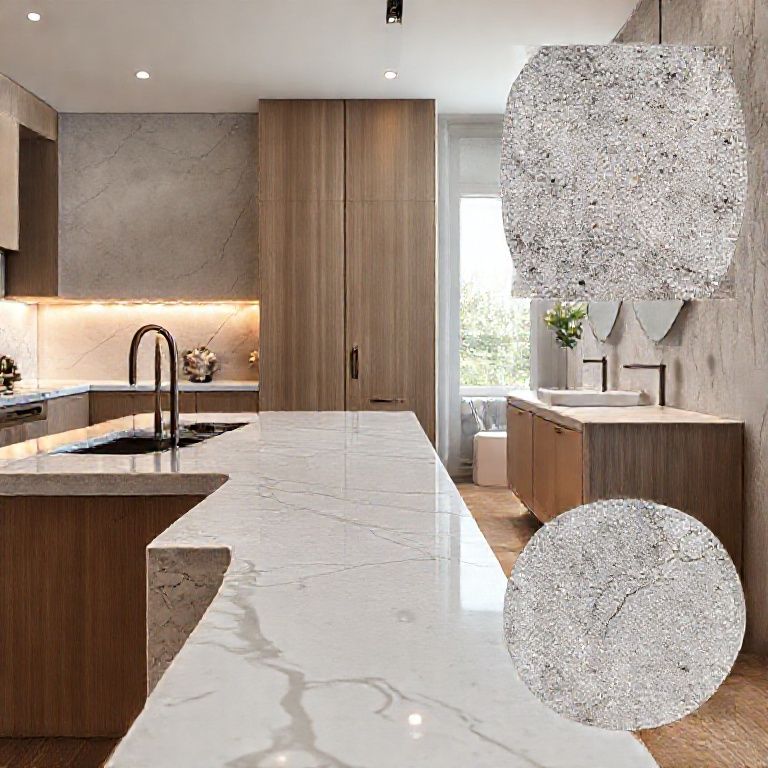
One of the standout features of synthetic stone countertops is their exceptional oil resistance. The high-quality polymers used in the manufacturing process create a surface that is inherently resistant to oil and grease. This resistance is not merely a superficial trait; it is deeply integrated into the material’s molecular structure. Oils and other contaminants find it exceedingly difficult to penetrate the dense, polymer-based surface of synthetic stone.
Benefits of Synthetic Stone
The oil resistance of synthetic stone countertops translates into several practical benefits:
Ease of Cleaning: Unlike natural stone, synthetic stone surfaces do not absorb oils, making them remarkably easy to clean. A simple wipe with a damp cloth and mild soap is often sufficient to maintain their pristine appearance.
Durability: The non-porous nature of synthetic stone means that it is less susceptible to scratches, stains, and etching from acidic foods. This durability ensures that synthetic stone countertops maintain their beauty and functionality over time.
Affordability: The manufacturing process of synthetic stone is more economical compared to natural stone, making synthetic stone countertops a cost-effective option without compromising on quality.
Myths vs. Facts
There are several myths surrounding the oil-resistance of synthetic stone countertops. One prevalent myth is that synthetic stone is more prone to oil stains than natural stone. However, this is far from the truth. The inherent properties of synthetic stone make it less likely to absorb oils, thereby reducing the chances of stains.
Another common misconception is that synthetic stone is not as durable as natural stone. This is a fallacy; synthetic stone is engineered to mimic the aesthetic appeal of natural stone while offering superior durability and ease of maintenance.
Conclusion to Part 1
In summary, synthetic stone countertops are a marvel of modern material science. Their composition and manufacturing process endow them with exceptional oil resistance, making them a practical choice for kitchen and other high-traffic areas. The ease of cleaning, coupled with their durability and affordability, positions synthetic stone as a top contender in the countertop market. In the next part, we will further explore maintenance tips and address any lingering questions about the care and longevity of synthetic stone surfaces.
The Oil-Penetration Mystery of Synthetic Stone Countertops: Unveiling the Truth
In the previous part, we explored the remarkable oil resistance and inherent benefits of synthetic stone countertops. In this concluding section, we will delve deeper into the care and maintenance of synthetic stone surfaces to ensure their longevity and continued aesthetic appeal. We will also address any additional concerns or questions that may arise regarding the use and upkeep of these versatile countertops.
Detailed Maintenance Tips
Proper maintenance is key to maximizing the lifespan and beauty of synthetic stone countertops. Here are some detailed tips to keep your synthetic stone surfaces in top condition:
Regular Cleaning: While synthetic stone is highly resistant to oil and stains, regular cleaning is essential to maintain its appearance. Use a mild, non-abrasive cleaner and a soft cloth to wipe down the surface daily. Avoid using harsh chemicals or abrasive scrubbers, as these can scratch the surface.
Immediate Spill Management: In the unfortunate event of an oil or grease spill, it is crucial to address it promptly. Blot the spill with a clean, dry cloth to absorb as much of the liquid as possible. Follow up with a damp cloth to remove any residue. Allowing oils to set into the surface can lead to more difficult cleaning and potential staining.
Avoiding Acidic Foods: While synthetic stone is resistant to many types of wear and tear, prolonged exposure to acidic foods can cause etching over time. To prevent this, use trivets or pot holders when handling hot, acidic items. It’s also a good idea to wipe up any acidic spills immediately.
Heat Protection: Synthetic stone countertops can withstand high temperatures, but excessive and prolonged heat can cause discoloration. To prevent this, use heat-resistant pads or trivets for hot pots and pans. Avoid placing hot items directly on the surface when possible.
Sealing: Although synthetic stone does not require sealing in the same way that natural stone does, periodic re-sealing can enhance its protective qualities. Consult with a professional to determine the best sealing product for your specific countertop and follow the application instructions carefully.
Addressing Common Concerns
Many people have specific concerns about the use and maintenance of synthetic stone countertops. Let’s address some of these common queries:
Is synthetic stone as beautiful as natural stone? Synthetic stone is engineered to mimic the aesthetic appeal of natural stone, with a wide range of colors and patterns available. Modern synthetic stone can look remarkably similar to granite, marble, and other natural stones, making it a versatile choice for any design preference.
Does synthetic stone scratch easily? Contrary to popular belief, synthetic stone is highly resistant to scratches. Its non-porous surface ensures that everyday use, such as cutting vegetables or placing utensils, does not leave marks or scratches.
Can synthetic stone countertop surfaces be re-sanded or resurfaced? Unlike natural stone, synthetic stone cannot be re-sanded or resurfaced. If significant damage occurs, such as deep scratches or chips, the best option is often to replace the affected area or the entire countertop.
Longevity and Sustainability
One of the often-overlooked advantages of synthetic stone countertops is their longevity. Because of their resistance to stains, scratches, and etching, synthetic stone surfaces require minimal maintenance compared to natural stone. This not only saves time and effort but also contributes to a more sustainable choice in kitchen design. The durability of synthetic stone means that it often outlasts natural stone countertops, reducing the need for frequent replacements.
Conclusion to Part 2
In conclusion, synthetic stone countertops offer a compelling combination of durability, beauty, and ease of maintenance. Their inherent oil resistance, coupled with practical maintenance tips, ensures that they remain a top choice for modern kitchen design. By understanding and following proper care guidelines, you can enjoy the full benefits of synthetic stone for years to come. Whether you are a homeowner or a professional designer, synthetic stone provides a practical and aesthetically pleasing solution for your countertop needs.
By exploring the fascinating world of synthetic stone countertops, we have uncovered the truth behind their oil-penetration resistance and maintenance requirements. This comprehensive guide aims to provide valuable insights to help you make informed decisions about your kitchen design.