Understanding and Identifying Oil Stains on Artificial Marble
Artificial marble, a popular choice for countertops, kitchen islands, and bathroom vanities, offers a stunning, durable, and easy-to-maintain surface. However, like any material, it can be susceptible to stains, particularly oil stains. These stains can mar the sleek appearance of your artificial marble, but fear not—understanding how to clean them is the first step to restoring your surface to its former glory.
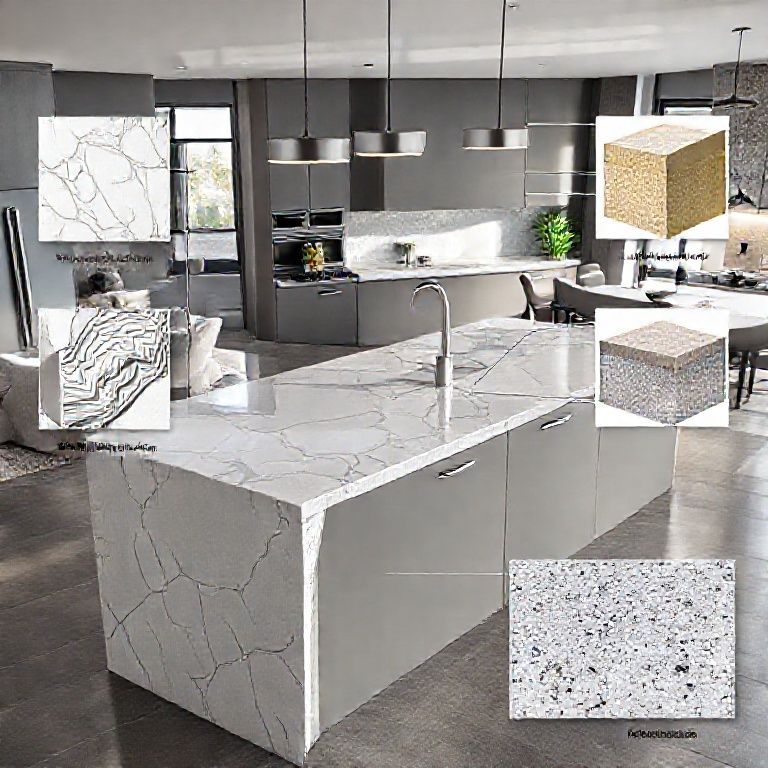
What is Artificial Marble?
Artificial marble, also known as cultured stone, is a composite material made from natural stone powders, such as calcite, aragonite, and dolomite, combined with resins and dyes. This material is celebrated for its durability, resistance to staining, and ease of maintenance. Despite its benefits, it is not entirely immune to oil stains, which can occur from cooking, cleaning products, or daily use.
Identifying Oil Stains
Oil stains are often caused by substances that leave behind greasy residues. These can include cooking oils, lotions, and even fingerprints. Here’s how to identify them:
Appearance: Oil stains usually appear as dark, greasy spots that are more prominent when the artificial marble is wet. Texture: Unlike water stains, oil stains have a distinct greasy feel to them. Testing: Rub a clean, dry cloth over the suspected stain; if it feels oily and leaves a greasy residue, you’ve likely found an oil stain.
Understanding the Nature of Oil Stains
Oil stains can penetrate deep into the surface of artificial marble, making them harder to remove compared to water-based stains. Because of this, it’s crucial to use the right cleaning agents and methods to avoid damaging the surface. Most commercial cleaning products contain chemicals that can strip away the protective finish of artificial marble, so DIY solutions are often more effective.
Common Causes of Oil Stains
Cooking: The frequent use of cooking oils can leave greasy residue on countertops and surfaces. Daily Use: Oils from lotions, creams, and even fingerprints can transfer onto the surface. Cleaning Products: Some cleaning products contain oils that can transfer onto the surface during cleaning.
Why Cleaning Artificial Marble Correctly Matters
Maintaining the appearance and longevity of your artificial marble involves regular cleaning and proper stain removal. Incorrect cleaning methods can lead to surface damage, dullness, and a loss of the material’s natural beauty. Hence, it’s essential to approach cleaning with the right knowledge and tools.
Effective Cleaning Techniques for Oil Stains on Artificial Marble
Once you’ve identified the oil stains on your artificial marble, it’s time to roll up your sleeves and tackle them with effective cleaning techniques. Here’s a detailed guide to help you restore the pristine look of your artificial marble surface.
Basic Cleaning Routine
Before diving into the more complex methods, it’s important to establish a basic cleaning routine. Regular maintenance can prevent the buildup of tough stains.
Daily Cleaning: Use a soft, dry cloth to wipe down the surface daily. For a gentler approach, use a damp cloth with water or a mild, non-abrasive cleaner. Avoid Harsh Chemicals: Refrain from using cleaning products with bleach, ammonia, or alcohol, as these can damage the surface.
Step-by-Step Cleaning Process for Oil Stains
Preparation: Gather your cleaning supplies. You’ll need: Mild dish soap Baking soda White vinegar A soft cloth or sponge Warm water A spray bottle Initial Cleaning: Mix a solution of warm water and mild dish soap. Dampen a soft cloth or sponge in the solution and gently scrub the stained area. Rinse the cloth frequently to avoid spreading the stain. Baking Soda Paste: For tougher stains, create a paste using baking soda and water. Apply the paste to the stained area and let it sit for 10-15 minutes. Scrub gently with a soft cloth or sponge and rinse thoroughly. Vinegar Solution: In a spray bottle, mix equal parts of white vinegar and water. Spray the solution onto the stained area and let it sit for 10 minutes. Wipe the area with a clean cloth to remove the stain and rinse again. Final Rinse and Dry: Rinse the area with clean water to remove any cleaning residues. Dry the surface thoroughly with a soft, dry cloth to prevent water spots.
Advanced Stain Removal Techniques
If the oil stain persists, try these advanced methods:
Commercial Cleaners: Use specialized cleaners designed for artificial marble. Always check the manufacturer’s recommendations to ensure compatibility. Professional Cleaning: For severely stained surfaces, consider hiring a professional cleaner who has experience with artificial marble.
Preventive Measures
To prevent future oil stains, consider the following tips:
Use Coasters and Trivets: Place coasters and trivets on the countertop when heating food to prevent direct contact with the surface. Immediate Cleaning: Clean up spills and stains immediately to prevent them from setting in. Protective Coatings: Apply a protective coating to the surface to create a barrier against stains and make future cleaning easier.
Final Thoughts
Cleaning oil stains from artificial marble requires patience and the right techniques. By understanding the nature of the stain and employing effective cleaning methods, you can restore your artificial marble to its original beauty. Remember, regular maintenance is key to keeping your artificial marble looking stunning for years to come. With these tips and tricks, you’ll be well-equipped to handle any oil stains that come your way.