Effective Cleaning Solutions for Oil Stains on Artificial Marble
Artificial marble, with its sleek and durable finish, has become a popular choice for countertops, sinks, and other surfaces in both commercial and residential settings. However, one of the common challenges with artificial marble is dealing with oil stains that can mar its pristine appearance. Fear not, as this comprehensive guide will walk you through the best methods to effectively remove oil stains from artificial marble surfaces, ensuring they remain as beautiful as the day they were installed.

Understanding Artificial Marble and Oil Stains
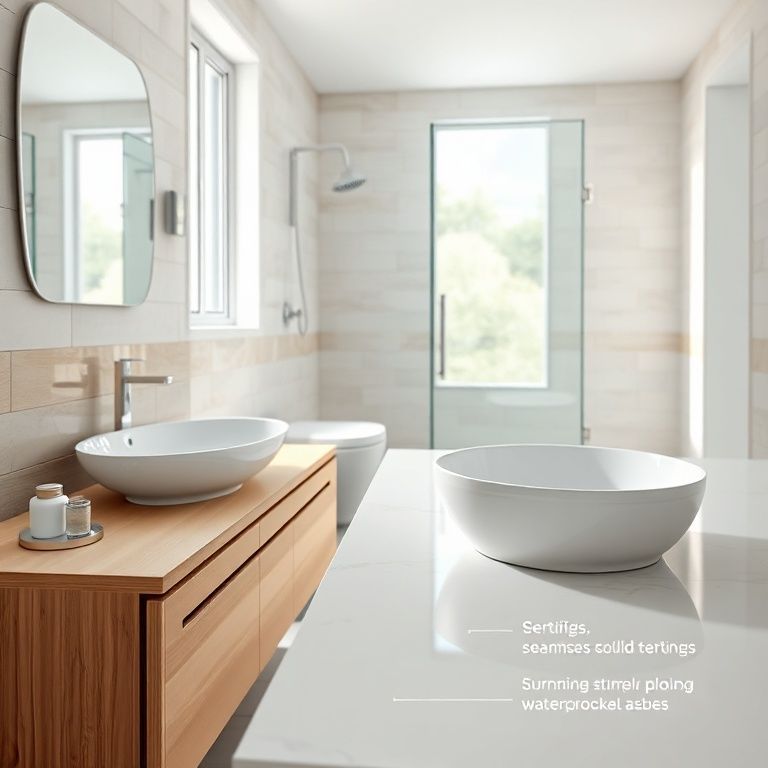
Before diving into cleaning solutions, it’s crucial to understand what artificial marble is and why oil stains are a particular issue. Artificial marble is a composite material made from a combination of minerals, resins, and pigments. Its aesthetic appeal lies in its ability to mimic natural marble while offering greater durability and easier maintenance. However, its synthetic nature means it can be susceptible to oil stains, especially in kitchens and areas where cooking and food preparation occur.
Oil stains are greasy residues left behind by cooking oils, food particles, or even cleaning products. These stains can mar the appearance of artificial marble, making it look dull and unappealing. Unlike natural stone, artificial marble does not absorb oil, but the oil can still cling to its surface, creating an unsightly residue.
Step-by-Step Cleaning Solutions
Step 1: Identify the Stain
The first step in removing oil stains is to identify the type of stain you are dealing with. Oil stains can range from fresh, sticky residues to dried, hard-to-remove deposits. Identifying the type of stain will help you choose the appropriate cleaning method.
Step 2: Gather Your Cleaning Supplies
To effectively remove oil stains, you’ll need a few basic cleaning supplies:
Mild dish soap Warm water Soft cloths or sponges Baking soda White vinegar A soft-bristled brush Microfiber cloths for drying
Step 3: Initial Cleaning
Start with a simple and gentle cleaning method to remove any fresh oil stains. Mix a few drops of mild dish soap with warm water and use a soft cloth or sponge to gently scrub the stained area. This initial cleaning will help to lift away any loose oil particles.
Step 4: Baking Soda Paste
For more stubborn oil stains, create a paste using baking soda and water. Apply the paste to the stained area and let it sit for about 10-15 minutes. After letting it sit, gently scrub the area with a soft-bristled brush. The baking soda will help to lift the oil stain without scratching the artificial marble surface.
Step 5: Vinegar Solution
White vinegar is a natural and effective cleaner that can help to remove oil stains. Mix equal parts of white vinegar and water in a spray bottle. Lightly spray the solution onto the stained area and let it sit for a few minutes. Then, use a soft cloth to wipe away the stain. The acidic nature of vinegar helps to break down oil residues.
Step 6: Final Rinse and Dry
After treating the oil stain, rinse the area with clean, warm water to remove any cleaning residues. Dry the surface thoroughly with a microfiber cloth to prevent water spots and ensure the artificial marble remains shiny and clean.
Preventive Measures
Preventing oil stains from forming in the first place is always better than trying to remove them. Here are some preventive measures to keep your artificial marble looking pristine:

Immediate Cleaning: Clean up any spills or stains immediately to prevent them from setting into the surface. Use Coasters and Trivets: Place coasters and trivets under hot pots, pans, and dishes to prevent direct contact with the artificial marble surface. Avoid Harsh Cleaners: Use mild cleaning solutions instead of harsh chemicals that can damage the surface. Regular Maintenance: Regularly clean and maintain your artificial marble surfaces to prevent the buildup of oils and other residues.
Expert Tips
Test Cleaners First: Always test any cleaning solution on a small, inconspicuous area of the artificial marble to ensure it doesn’t cause any damage or discoloration. Avoid Microfiber Cloths for Initial Cleaning: Microfiber cloths can sometimes scratch the surface, so use soft cloths or sponges for initial cleaning. Professional Help: If the oil stain persists despite your best efforts, consider consulting a professional cleaner who specializes in artificial marble maintenance.
By following these steps and preventive measures, you can keep your artificial marble surfaces looking beautiful and pristine, free from the unsightly marks of oil stains. In the next part of our series, we will delve deeper into advanced cleaning techniques and additional tips to maintain your artificial marble in top condition.
Advanced Cleaning Techniques and Maintenance Tips for Artificial Marble
Building on the foundational knowledge from Part 1, this second part delves into advanced cleaning techniques and provides additional expert tips to ensure your artificial marble surfaces remain pristine and beautiful. From dealing with tough stains to maintaining the luster, we’ve got you covered.
Advanced Cleaning Techniques
Step 1: Deep Cleaning with Commercial Cleaners
For those who find that homemade solutions aren’t enough to tackle tough oil stains, commercial cleaners specifically designed for artificial marble can be very effective. These products are formulated to break down oils and remove stains without damaging the surface. Always read the instructions on the cleaner’s label and use as directed. Here’s a step-by-step guide to using a commercial cleaner:
Test the Cleaner: Before applying the cleaner to the entire surface, test it on a small, inconspicuous area to ensure it doesn’t cause any discoloration or damage. Apply the Cleaner: Follow the manufacturer’s instructions to apply the cleaner to the stained area. Use a soft cloth or sponge to gently scrub the surface. Rinse Thoroughly: After the cleaner has had time to work, rinse the area thoroughly with warm water to remove any residues. Dry the Surface: Dry the area with a clean, dry microfiber cloth to prevent water spots and ensure the surface is completely dry.
Step 2: Using a Microfiber Cloth
Microfiber cloths are excellent for cleaning artificial marble because they are soft and do not scratch the surface. To use a microfiber cloth effectively:
Dampen the Cloth: Lightly dampen the microfiber cloth with water or a cleaning solution. Do not soak the cloth as it can leave water spots. Gently Wipe the Surface: Use the damp cloth to gently wipe the surface in the direction of the grain. Avoid scrubbing, which can cause scratches. Dry Immediately: After cleaning, dry the surface with a dry microfiber cloth to prevent water spots.
Step 3: Specialized Cleaning Tools
For particularly stubborn oil stains, specialized cleaning tools such as electric scrubbers or steam cleaners can be effective. These tools provide a deeper clean but should be used with caution to avoid damaging the artificial marble surface. Follow these steps:
Prepare the Cleaner: Set up the electric scrubber or steam cleaner according to the manufacturer’s instructions. Test the Tool: Test the tool on a small, inconspicuous area to ensure it doesn’t damage the surface. Clean the Stain: Use the tool to clean the stained area, following the manufacturer’s guidelines for pressure and motion. Rinse and Dry: Rinse the area thoroughly and dry it immediately with a microfiber cloth.
Additional Maintenance Tips
Step 1: Regular Cleaning Schedule
Establishing a regular cleaning schedule will help keep your artificial marble surfaces in top condition. Here’s a suggested routine:
Daily Cleaning: Wipe down the surfaces with a damp microfiber cloth and mild dish soap to remove daily spills and residues. Weekly Cleaning: Use a deeper cleaning solution, such as a commercial cleaner or a baking soda paste, to tackle any lingering stains. Monthly Maintenance: Perform a thorough clean using all the advanced techniques mentioned above to ensure the surface is completely free of any stains and residues.
Step 2: Proper Storage and Use of Utensils
Proper storage and use of utensils can prevent many oil stains from forming in the first place:
Use Coasters and Trivets: Always place coasters and trivets under hot pots, pans, and dishes to protect the surface from direct heat and oil. Cover Leftovers: Cover food containers and leftovers with lids to prevent oil splatters and spills. Use Non-Stick Cookware: Non-stick cookware reduces the likelihood of oil splatters and makes cleaning easier.
Step 3: Avoid Harsh Chemicals
Har当然,继续我们的话题吧!在讨论如何保持人造大理石表面的洁净和光泽时,还有几个重要的小贴士和注意事项需要注意:
4. 避免使用钢丝球和强力清洁剂
虽然钢丝球和强力清洁剂在清洁其他表面时可能效果很好,但它们实际上会对人造大理石表面造成严重损害。钢丝球会在表面留下细小的划痕,而强力清洁剂中的化学成分可能会损害人造大理石的涂层。
5. 处理溢出和泼洒物
任何溢出或泼洒物都应立即处理,以防止它们渗入表面并形成永久污渍。使用干净的、干燥的布轻轻擦拭干净,然后用湿布再次擦拭,以确保没有残留物。
6. 定期检查和维护
定期检查人造大理石表面是否有任何裂缝或损坏,尤其是在接缝处。如果发现裂缝或其他损坏,及时进行修复。有些专业的维修服务可以修复小裂缝,但大的损坏可能需要更换表面。
7. 预防措施
使用垫圈:在放置炉具或烤箱时,使用垫圈以防止热量直接接触到人造大理石表面,避免热斑形成。 减少油烟:尽量减少油烟的产生,可以使用抽油烟机,并定期清洁过滤器。
8. 特殊清洁方法
对于特殊情况,如咖啡渍、红酒渍等顽固污渍,可以使用专门的去污剂。在使用之前,先测试在小面积上是否会有不良反应。同样,醋溶液也是一种有效的天然去污剂,但要谨慎使用,以免损伤表面。
9. 避免尖锐物品
避免在人造大理石表面使用尖锐物品,如刀具、刮刀等,以防止划伤表面。如果必须使用刮刀,可以在其背面贴上橡胶垫以减少对表面的损害。
10. 专业清洁
对于长期使用和高频使用的区域,建议每年进行一次专业清洁。专业清洁可以去除深层污渍,并且有助于保持人造大理石的光泽和美观。