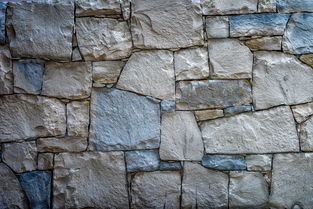
In today’s modern kitchen design, artificial stone countertops have surged in popularity due to their durability, versatility, and low maintenance. However, even the most robust surfaces can accumulate stains over time, which might seem daunting to clean. Whether it’s coffee, wine, or grease, stains on artificial stone countertops can be a major concern. But fear not! With the right knowledge and tools, you can keep your artificial stone surfaces looking pristine and new. Here’s an in-depth guide on how to tackle those stubborn stains.

Understanding Artificial Stone Countertops
Artificial stone, often composed of natural stone dust and resin, is a durable and low-maintenance alternative to traditional natural stone. It’s resistant to scratches, chips, and stains, making it a favored choice for many homeowners. However, it’s essential to understand the specific nature of artificial stone to ensure proper care and cleaning.
Common Stains on Artificial Stone
Coffee and Tea Stains: These dark stains can be particularly challenging due to their organic nature. Wine Stains: The tannins in red wine can leave reddish or brownish spots. Grease and Oil Stains: Cooking spills can be a nightmare for any countertop but especially for those with a glossy finish. Food Coloring: Often from sauces or colored foods, these stains can be very persistent.
Immediate Actions to Prevent Stain Permeation
When a spill occurs, the first few minutes are crucial. Here’s what to do immediately:
Blot, Don’t Rub: Use a clean, soft cloth to blot the spill. Rubbing can push the stain deeper into the surface. Neutral Cleaner: Use a mild, neutral cleaner. Avoid harsh chemicals that can damage the surface. Dry Wipe: After cleaning, use a dry cloth to wipe the area to prevent water spots.
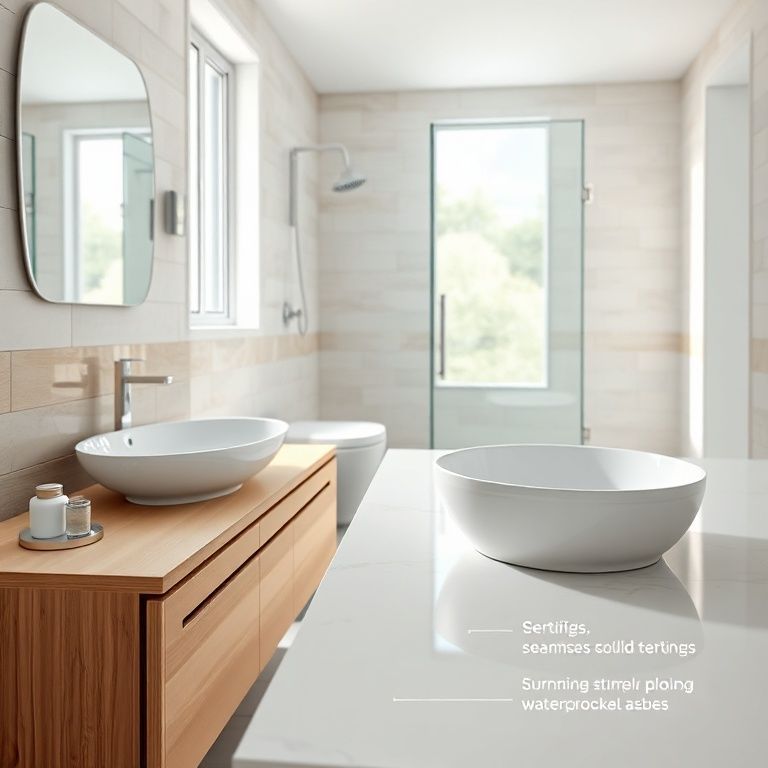
Cleaning Techniques for Different Stains
Coffee and Tea Stains
Baking Soda Paste:
Mix baking soda with water to form a paste. Apply the paste to the stain and let it sit for 15-20 minutes. Scrub gently with a soft cloth or non-abrasive sponge. Rinse and dry the area.
Vinegar Solution:
Mix equal parts of white vinegar and water. Dampen a cloth with the solution and blot the stain. Rinse and dry thoroughly.
Wine Stains
Rubbing Alcohol:
Dampen a cloth with rubbing alcohol. Gently blot the stain until it lifts. Rinse and dry the surface.
Hydrogen Peroxide:
Apply a small amount of hydrogen peroxide directly to the stain. Let it sit for a few minutes, then gently scrub with a soft brush. Rinse and dry.
Grease and Oil Stains
Soap and Warm Water:
Use a mild dish soap and warm water to create a soapy solution. Dampen a cloth in the solution and blot the stain. For stubborn grease, use a commercial grease remover designed for stone surfaces. Rinse and dry.
Dish Detergent Paste:
Mix dish detergent with water to form a paste. Apply the paste to the stain and let it sit for an hour. Scrub gently and rinse thoroughly.
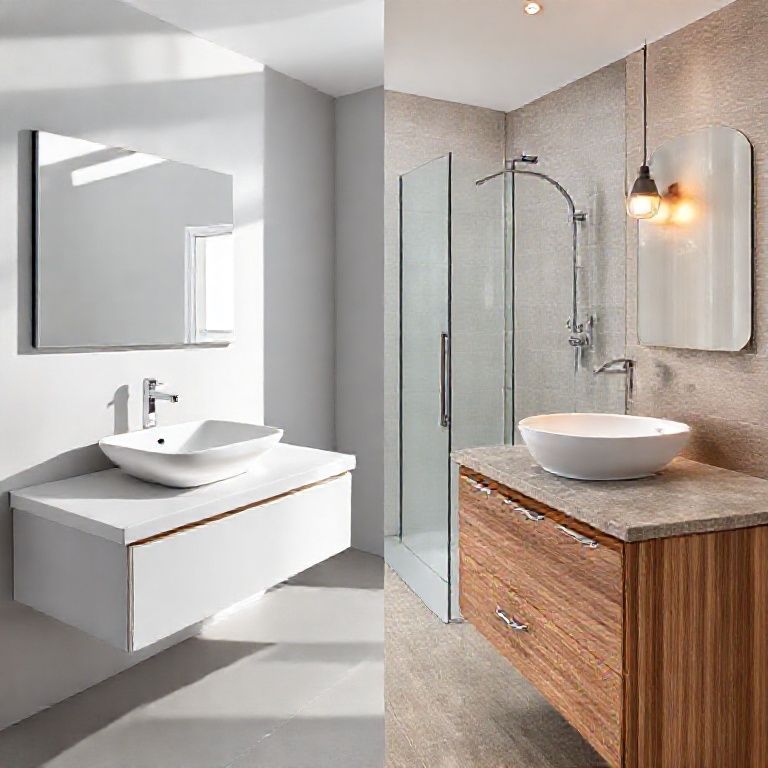
Food Coloring Stains
Salt and Water:
Mix salt with water to create a paste. Apply the paste to the stain and let it sit for a few minutes. Gently scrub with a soft cloth or sponge. Rinse and dry.
Baking Soda and Vinegar:
Combine equal parts baking soda and vinegar to create a fizzing reaction. Apply to the stain and let it sit for a few minutes. Scrub gently and rinse.
Maintenance Tips for Long-Lasting Results
Regular Cleaning:
Wipe down your countertops daily with a damp cloth and mild soap. Use a non-abrasive sponge to avoid scratching the surface.
Avoid Harsh Chemicals:
Refrain from using bleach, ammonia, or acidic cleaners as they can damage the artificial stone.
Use Coasters and Trivets:
Place coasters under drinks and trivets under hot pots to prevent direct contact with the surface.
Regular Polishing:
Occasionally polish your countertops with a stone-specific polish to maintain the shine and protect the surface.
Professional Cleaning Services
For those who prefer a hassle-free approach, professional cleaning services offer specialized products and techniques to ensure your artificial stone countertops remain flawless. It’s advisable to have them clean your countertops every six months or as needed, depending on usage.
By following these guidelines, you can keep your artificial stone countertops looking their best, ensuring they remain a stunning focal point in your kitchen for years to come. In the next part, we’ll explore advanced cleaning techniques and additional tips for maintaining your countertops in pristine condition.
Continuing from where we left off, let’s delve deeper into advanced cleaning techniques and additional tips to ensure your artificial stone countertops remain pristine and beautiful. With proper care and maintenance, you can extend the life and appearance of your countertops, making them a durable and stylish addition to your kitchen.
Advanced Cleaning Techniques
Using Specialized Cleaners
Commercial Stone Cleaners:
Many brands offer specialized cleaners designed for artificial stone. These cleaners often contain gentle yet effective ingredients that maintain the surface’s integrity without causing damage. Always read the instructions and test a small area first to ensure compatibility.
Hydrogen Peroxide and Baking Soda:
For tough stains, combine hydrogen peroxide with baking soda to form a paste. Apply to the stain, let it sit for a few minutes, then scrub gently. Rinse and dry thoroughly.
Ultrasonic Cleaners
Ultrasonic Cleaning Machines: For professional-level cleaning, ultrasonic cleaners use high-frequency sound waves to remove deep-seated stains. These machines are effective for cleaning intricate designs and heavily stained areas without causing any damage.
Preventive Measures and Long-Term Care
Proper Kitchenware Use
Glass Coasters and Trivets:
Always use glass coasters under beverages and trivets under hot pots and pans to protect the surface from direct heat and spills.
Cutting Boards:
Use separate cutting boards for raw meats and other foods to prevent cross-contamination and potential staining.
Regular Maintenance Routine
Daily Cleaning:
Wipe down countertops daily with a damp cloth and mild soap. Use a non-abrasive sponge to clean the surface gently. For tougher spots, use a mild detergent paste and a soft cloth.
Monthly Polishing:
Polish your countertops once a month using a stone-specific polish to maintain the shine and protect the surface. Follow the manufacturer’s instructions for application and buffing.
Avoiding Common Mistakes
Harsh Chemicals:
Avoid using bleach, ammonia, or acidic cleaners as they can damage the surface of the artificial stone. Opt for mild, neutral cleaners instead.
Excessive Water:
Over-wetting the surface can lead to water spots and potential damage. Always blot and dry thoroughly after cleaning.
Cleaning Stains Deeply Embedded in Artificial Stone
For stains that have permeated deep into the surface of the artificial stone, a more intensive approach may be required:
Enzymatic Cleaners:
Enzymatic cleaners break down organic matter, making them effective for tough stains like coffee, tea, and food residues. Apply according to the manufacturer’s instructions and allow sufficient time for the enzymes to work.
Stain Remover Paste:
Specialized stain remover pastes designed for stone surfaces can be very effective. Apply to the stain, cover with a plastic wrap to allow the paste to work, and then scrub gently with a non-abrasive brush.
Final Thoughts and Professional Help
While regular maintenance and advanced cleaning techniques can go a long way in keeping your artificial stone countertops in top condition, sometimes professional help is necessary. Here’s when to consider professional cleaning services:
Severe Stains:
For deeply embedded stains that don’t respond to regular cleaning methods, professional services with specialized equipment can effectively remove them.
Regular Maintenance:
Hiring professionals for regular maintenance can ensure your countertops are always polished and protected, extending their lifespan and appearance.
环保与安全
环保清洁剂:选择环保且安全的清洁剂,减少对环境和家庭成员的危害。尽量避免使用含有有害化学成分的清洁剂,选择那些标有环保认证的产品。
通风:在清洁过程中保持良好的通风,特别是使用含有化学成分的清洁剂时,以防止气味扩散和有害气体的积聚。
定期维护和保养
定期抛光:定期进行抛光可以保持人造石台面的光泽,并防止污渍的长期渗入。每隔几个月进行一次抛光,可以让台面保持最佳的外观。
小刮刀工具:使用小刮刀工具,可以在台面上清除轻微的划痕和表面污渍,但一定要小心使用,以免造成更严重的损伤。
定期检查:定期检查台面上的任何裂缝或损伤,及时进行修复,防止问题恶化。
特殊护理
抗菌处理:定期进行抗菌处理,特别是在厨房这种容易滋生细菌的地方。可以使用专门的抗菌喷雾,确保台面的清洁和卫生。
防污涂层:一些高级的人造石台面可以进行防污涂层处理,这种涂层可以让污渍更容易清洁,同时也能防止油污和颜色褪色。
使用小窍门
橡皮垫:在使用玻璃、金属或陶瓷器具时,可以在器具底部放上橡皮垫,防止直接接触台面,减少划伤。
厨房垫:在厨房台面上放置厨房垫或台垫,可以有效保护台面免受溅水和热损伤。
处理特殊情况
咖啡渍:咖啡渍是常见的难以清除的污渍之一。可以用小苏打和水制成的糊状物涂抹在污渍上,然后用温水清洗。
油渍:对于油渍,可以使用专门的去油剂,涂抹在油渍上,等待几分钟后用湿布擦拭干净。
颜色褪色:如果人造石台面出现颜色褪色的问题,可以使用专门的石材修复剂,按照说明进行修复。
注意事项
避免锋利物品:切菜、搅拌等操作时,尽量使用专门设计的刀具和盆具,避免使用锋利物品直接切割或搅拌,以防划伤台面。
不要长时间暴露在阳光下:尽量避免长时间的阳光直射,防止颜色褪色和材料老化。
避免高温:尽量避免在台面上加热或放置高温物品,以防止热损伤。
通过以上这些方法和建议,你可以更好地保护和维护你的人造石台面,确保其长期美观和耐用。