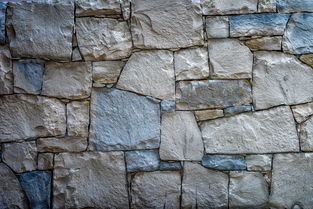
Understanding and Addressing Stains on Artificial Stone Countertops
Artificial stone countertops have become a popular choice for both residential and commercial spaces due to their durability, aesthetic appeal, and relatively low maintenance. However, like any other surface, they can accumulate stains over time, which can detract from their pristine appearance. Understanding the nature of these stains and the best methods to remove them is essential to maintain the beauty and longevity of your artificial stone surfaces.
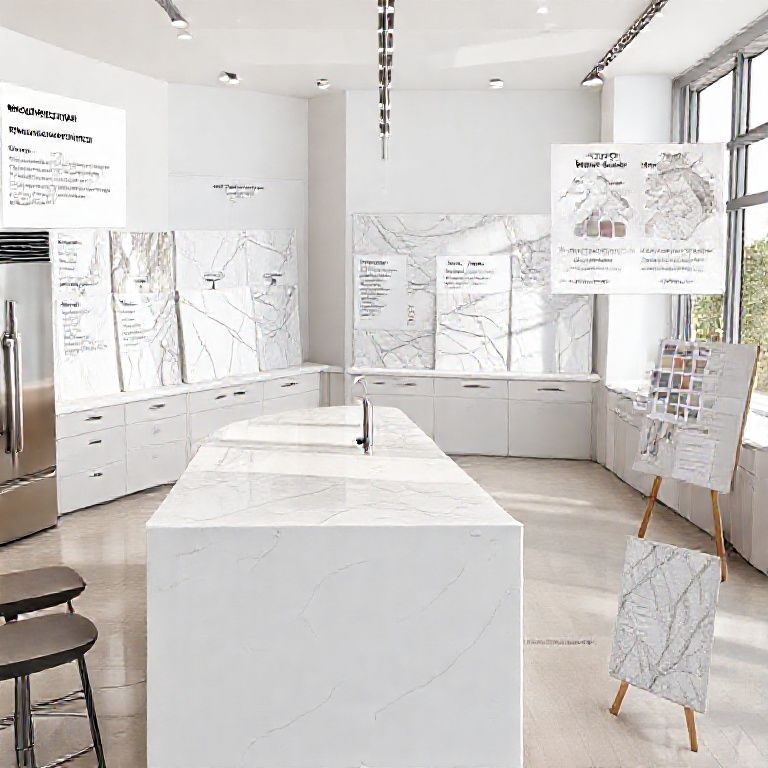
Nature of Stains on Artificial Stone
Artificial stone, also known as cultured stone, is composed of a mixture of minerals, resins, and pigments that are compressed and cured to form a solid, non-porous surface. This non-porous characteristic is both a benefit and a challenge. While it makes artificial stone resistant to many types of stains, it also means that any stain that does penetrate the surface can be much harder to remove.
Common types of stains on artificial stone countertops include:
Food and Drink Spills: Juices, coffee, wine, and other beverages can leave dark stains if not cleaned promptly. Oil and Grease: Cooking oils and grease can seep into the stone, resulting in a sticky residue. Soap and Cleaning Agent Residues: Over time, residues from soap and cleaning agents can build up on the surface. Hard Water Spots: Mineral deposits from hard water can leave white or yellowish spots. Grease Stains: Grease from cooking or food preparation can be particularly stubborn.
Effective Cleaning Techniques
To maintain the shine and beauty of your artificial stone countertops, it is crucial to use the right cleaning techniques. Here are some effective methods for removing different types of stains:
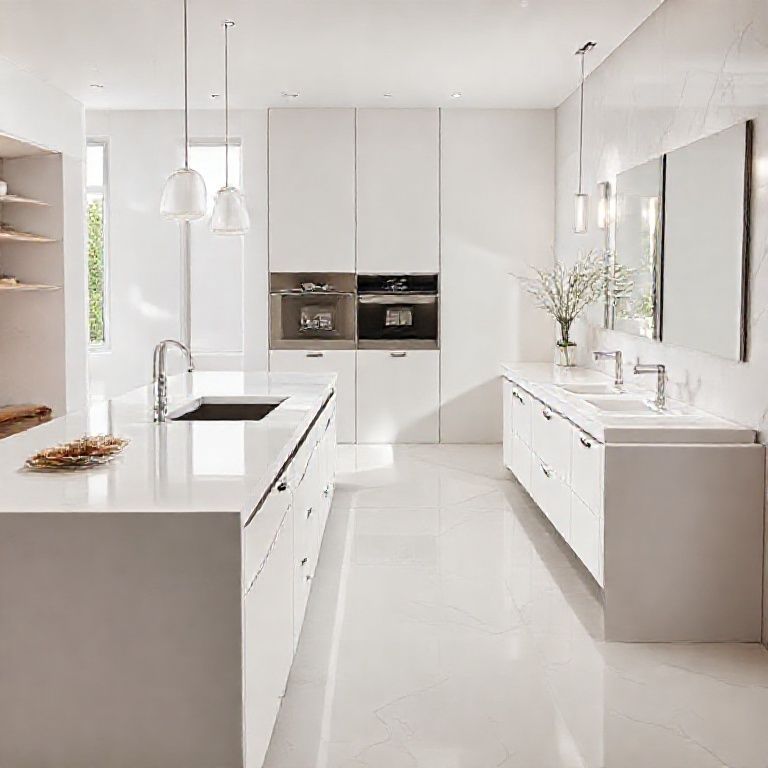
Immediate Spill Cleanup:
Prompt action is key to preventing stains from setting into the artificial stone. Here are steps to take immediately after a spill:
Absorb Excess Liquid: Use a clean, dry cloth to blot up as much of the spill as possible. Wipe with Mild Soap: Use a mild dish soap mixed with water to wipe the affected area. Avoid using abrasive scrubbers or harsh chemicals that can scratch the surface. Rinse Thoroughly: Rinse the area with clean water to remove any soap residue.
Regular Maintenance Cleaning:
To keep your artificial stone countertop looking its best, regular cleaning is essential. Here’s a simple routine:
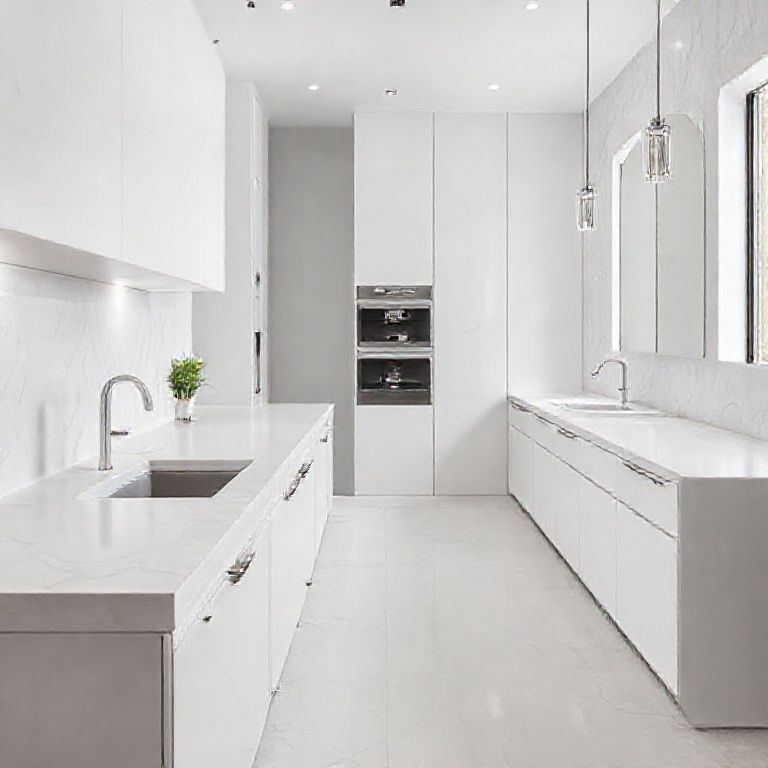
Daily Cleaning: Use a damp cloth with mild dish soap to wipe down the surface daily. Avoid soaking the stone. Rinse and Dry: After cleaning, rinse the surface with water and dry it with a clean cloth to prevent water spots. Avoid Harsh Cleaners: Stick to mild, non-abrasive cleaners. Avoid using bleach, vinegar, or other acidic cleaners as they can damage the stone.
Deep Cleaning for Stubborn Stains:
For more stubborn stains, a deeper cleaning method may be required. Here’s a step-by-step guide:
Create a Cleaning Solution: Mix equal parts of water and white vinegar in a spray bottle. Apply the Solution: Spray the solution onto the stained area and let it sit for 5-10 minutes. Scrub Gently: Use a soft cloth or sponge to gently scrub the stain. Avoid using abrasive materials. Rinse and Dry: Rinse the area with water and dry it thoroughly with a clean cloth.
Preventative Measures
Prevention is always better than cure. Here are some tips to prevent stains from forming on your artificial stone countertops:
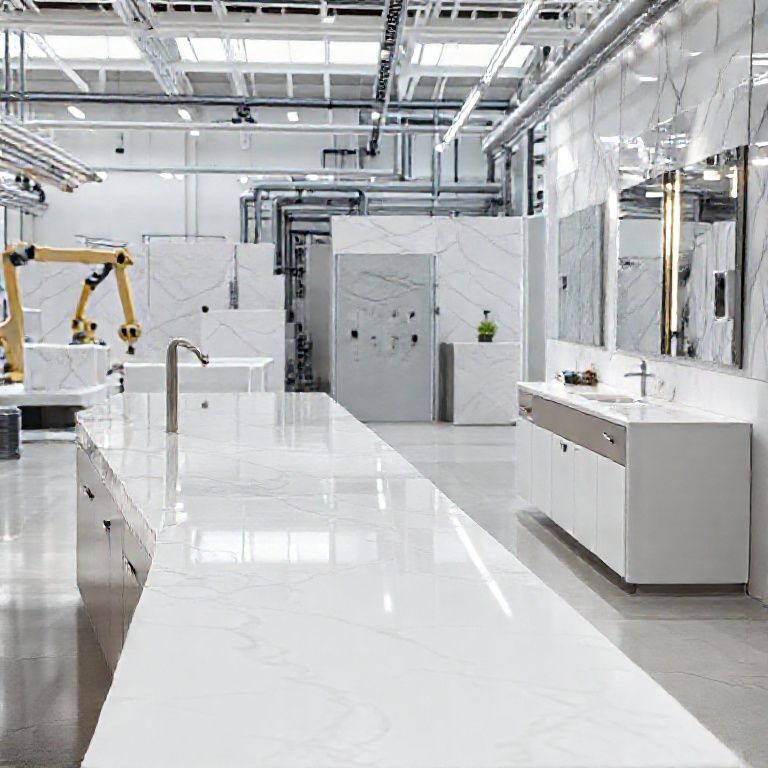
Use Coasters and Trivets: Place coasters under glasses and trivets under hot pots and pans to prevent direct contact with the stone. Cover Countertops: Use cutting boards, kitchen mats, or other protective covers to shield the stone from spills and spills. Regular Cleaning: Establish a regular cleaning routine to prevent the buildup of residues and minor stains. Avoid Overexposure to Grease: Use oven mitts to handle hot pots and pans to reduce the risk of grease splashes.
Conclusion
Maintaining the beauty and longevity of your artificial stone countertops requires understanding the nature of stains and employing effective cleaning techniques. With prompt spill cleanup, regular maintenance, and deep cleaning for stubborn stains, you can keep your artificial stone looking pristine. Remember to avoid harsh chemicals and abrasive materials, and take preventative measures to minimize the risk of stains. By following these guidelines, you can enjoy the durability and aesthetic appeal of your artificial stone countertops for years to come.
Advanced Cleaning Techniques and Long-Term Maintenance for Artificial Stone Countertops
Artificial stone countertops are renowned for their durability, aesthetic appeal, and low maintenance requirements. However, maintaining their pristine appearance over time requires more than just routine cleaning. In this second part, we will explore advanced cleaning techniques and long-term maintenance tips to ensure your artificial stone countertops remain spotless and beautiful.
Advanced Cleaning Techniques
While regular cleaning can handle minor spills and daily grime, there are times when a more thorough cleaning is necessary. Here are some advanced techniques for deep cleaning artificial stone countertops:
Using a pH-Neutral Cleaner:
Artificial stone surfaces are sensitive to pH levels. Using a pH-neutral cleaner is crucial to avoid damaging the stone.
Select the Right Cleaner: Choose a cleaner specifically designed for non-porous surfaces like artificial stone. Look for products labeled as safe for cultured stone. Application: Spray the cleaner onto a clean cloth rather than directly on the stone to avoid over-saturation. Scrub Gently: Use a soft cloth or sponge to gently scrub the surface. Avoid scrubbing too hard as it can scratch the stone. Rinse and Dry: Rinse the countertop with water to remove any cleaner residue, then dry it with a clean cloth.
Professional Deep Cleaning Services:
For particularly tough stains or buildup, professional cleaning services can be an effective solution.
Find a Reputable Cleaner: Look for a cleaning service that specializes in non-porous surfaces and has experience with artificial stone. Preparation: Before the cleaning service arrives, remove any items from the countertop and clear the surrounding area. Post-Cleaning Care: Follow any specific instructions provided by the cleaner for post-cleaning care to ensure the best results.
Home Remedies for Tough Stains:
Sometimes, home remedies can be just as effective as commercial cleaners, especially for tough stains.
Baking Soda Paste: Mix baking soda with water to form a paste. Apply the paste to the stained area and let it sit for 15-20 minutes before scrubbing gently with a soft cloth. Lemon Juice and Salt: Rub lemon juice into the stain with a salt scrub. The acidity of the lemon juice helps to break down the stain, while the salt acts as an abrasive cleaner. Oxygen Bleach: For stubborn stains, an oxygen bleach solution can be effective. Mix a small amount of oxygen bleach with water and apply it to the stain with a cloth. Let it sit for a few minutes before rinsing and drying.
Long-Term Maintenance Tips
To ensure your artificial stone countertops remain beautiful and stain-free over time, consider these long-term maintenance tips:
Regular Cleaning Routine:
Establishing a regular cleaning routine is essential for maintaining the appearance of your artificial stone countertops.
Daily Wipe Down: Use a damp cloth with mild dish soap to wipe down the surface daily. Weekly Deep Clean: Perform a deeper clean once a week using a pH-neutral cleaner. Monthly Inspection: Check for any signs of buildup or stains and address them promptly.
Protective Measures:
Taking protective measures can help prevent stains and extend the life of your artificial stone countertops.
Use Coasters and Trivets: Place coasters under glasses and trivets under hot pots and pans to prevent direct contact with the stone. Cover Cutting Boards: Use cutting boards or mats to protect the surface from knife marks and spills. Avoid Overexposure to Grease: Use oven mitts to handle hot pots and pans to reduce the risk of grease splashes.
Proper Storage:
Proper storage can prevent accidental damage and stains.
Store Cookware Properly: Keep cookware in proper storage to avoid dropping it on the countertop. Cover Outdoor Furniture: If your artificial stone countertop is used outdoors, cover outdoor furniture to protect it from spills and environmental factors.
Avoid Harsh Chemicals:
Using harsh chemicals can damage the surface of the artificial stone.
Mild Cleaner4. *Regular Maintenance:* Regularly check your artificial stone countertops for any signs of wear, damage, or buildup. Addressing minor issues early can prevent more significant problems down the line.
Professional Inspections: Periodically have your artificial stone countertops inspected by a professional. They can identify any potential issues that you may not notice and provide expert advice on maintenance and care.
Avoidance of Abrasives: Always avoid using abrasive pads or cleaners that can scratch or damage the surface of the artificial stone.
Proper Ventilation: Ensure that areas where your artificial stone countertops are located have proper ventilation, especially in kitchens. This helps to reduce the buildup of moisture and grease, which can lead to stains and damage.
Immediate Action: Always take immediate action when dealing with spills and stains. The longer a stain sits on the surface, the harder it is to remove, and the greater the risk of it becoming embedded in the stone.
By following these advanced cleaning techniques and long-term maintenance tips, you can ensure that your artificial stone countertops remain beautiful, functional, and durable for years to come. Regular care and attention will help to keep the surface looking pristine and prevent the need for costly repairs or replacements.