Understanding Permeability in Artificial Stone Countertops
Introduction
Artificial stone countertops have revolutionized kitchen design with their aesthetic appeal and durability. However, like any material, they are susceptible to certain issues over time. One common problem that users face is the permeability of these countertops. In this part, we will delve deep into understanding what permeability means for artificial stone, why it occurs, and how to identify it early on.
What is Permeability in Artificial Stone Countertops?
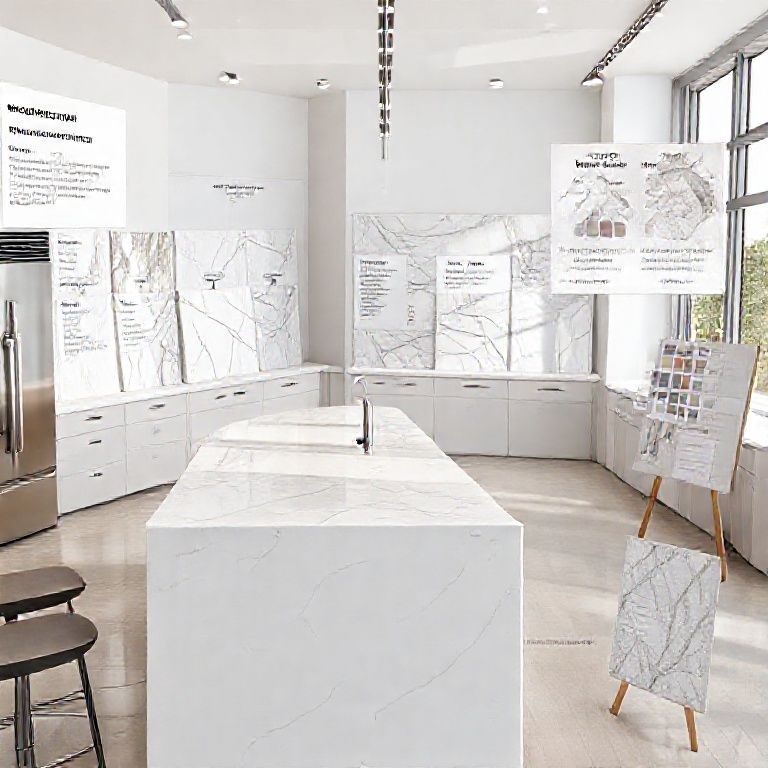
Permeability refers to the ability of liquid to seep through the surface of the artificial stone. This can occur due to various factors, including manufacturing defects, improper installation, or inadequate maintenance. Over time, water and other liquids can penetrate the surface, leading to stains, discoloration, and even structural damage.
Why Does Permeability Happen?
Permeability in artificial stone countertops can be caused by:
Manufacturing Flaws: Some stones may have microscopic imperfections that allow liquids to seep through. Installation Errors: If the countertop is not installed correctly, gaps or cracks can form, allowing water to penetrate. Lack of Proper Sealing: Without proper sealing, the surface can absorb liquids, leading to stains. Improper Cleaning: Using harsh chemicals or abrasive tools can damage the surface, increasing permeability.
Identifying Permeability
Early detection is crucial to prevent further damage. Here are some signs to look out for:
Discoloration: Stains or changes in color, especially in areas where liquids have been spilled. Water Marks: Visible water rings or marks on the surface. Slow Drying: If water takes a long time to dry on the surface, it’s a sign of permeability. Spongy Texture: A soft or spongy feel indicates water has seeped into the stone.

Preventative Measures
Preventing permeability involves both installation and maintenance practices:
Professional Installation: Always have your countertop installed by a professional to ensure there are no gaps or cracks. Sealing: Regularly seal your countertop with a high-quality, food-safe sealant. This creates a barrier that prevents liquids from penetrating the surface. Proper Cleaning: Use gentle cleaning solutions and soft cloths to maintain the surface. Avoid abrasive cleaners or sponges that can scratch the stone. Regular Inspection: Periodically check for any signs of stains or water marks, especially in high-traffic areas.
Expert Video Insights
To provide a more comprehensive understanding, we have curated a series of expert videos that cover various aspects of permeability in artificial stone countertops. These videos feature industry professionals who explain in detail:
The science behind permeability and how it affects artificial stone. Common mistakes that lead to permeability and how to avoid them. Step-by-step guide on how to properly seal and maintain artificial stone countertops. Tips on how to clean and care for your artificial stone to prevent permeability.

Conclusion
Understanding the concept of permeability in artificial stone countertops is the first step in maintaining their beauty and longevity. By identifying the causes and learning preventive measures, you can ensure that your kitchen countertop remains a stunning focal point for years to come. In the next part, we will explore practical solutions and repair methods to tackle existing permeability issues effectively.
Practical Solutions and Repair Methods
Introduction
In the previous part, we explored the fundamentals of permeability in artificial stone countertops, including its causes, identification, and preventive measures. Now, we turn our focus to the practical solutions and repair methods to effectively address existing permeability issues. Whether you’ve noticed stains or discoloration, this guide will help you restore the beauty and functionality of your countertop.
Understanding the Severity of Permeability
Before diving into repair methods, it’s essential to understand the severity of the permeability issue:
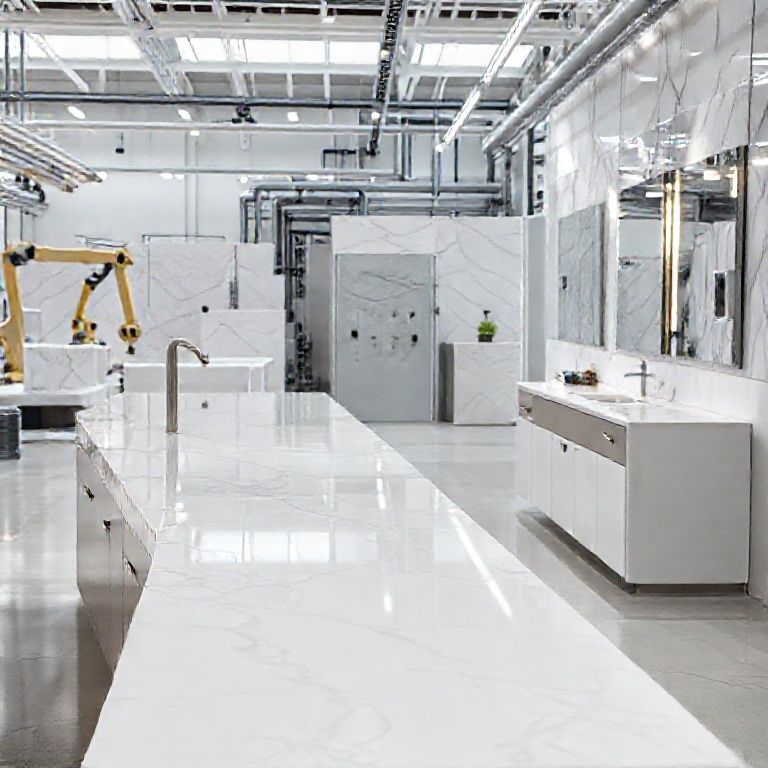
Minor Permeability: Light discoloration or water marks that haven’t penetrated deeply. Moderate Permeability: Deeper stains or marks that have started to affect the stone’s appearance. Severe Permeability: Extensive discoloration, water marks, and potential structural damage.
Minor Permeability Repair
For minor permeability issues, the following steps can help restore your countertop:
Cleaning: Use a gentle cleaning solution specifically designed for artificial stone. Mix a solution of mild soap and warm water. Dampen a soft cloth with the solution and gently wipe the affected area. Avoid scrubbing, as this can scratch the surface. Rinsing: Rinse the area thoroughly with clean water to remove any soap residue. Drying: Allow the area to dry completely. Use a clean, soft cloth to blot any remaining moisture. Sealing: Apply a high-quality, food-safe sealant to the cleaned area. Follow the manufacturer’s instructions for application.
Moderate Permeability Repair
For moderate permeability, a more thorough approach is required:
Deep Cleaning: Use a deep-cleaning solution recommended for artificial stone. Apply the cleaner with a soft cloth and let it sit for the recommended time. Gently scrub the area with a non-abrasive sponge, then rinse thoroughly. Surface Scrub: If stains persist, consider using a specialized stone cleaner that includes a mild abrasive. Scrub the area gently, then rinse and dry. Sealing: After cleaning, apply a new layer of sealant. Allow it to cure as per the manufacturer’s instructions. Professional Help: If the issue persists, consider consulting a professional stone repair service.
Severe Permeability Repair
For severe permeability, where water has penetrated deeply, the following steps are recommended:
Assessment: Determine the extent of the damage. If the stone is significantly compromised, professional help may be necessary. Partial Replacement: In some cases, the affected area might need to be partially replaced. This involves removing the damaged section and installing a new piece of artificial stone. Professional Repair: For extensive damage, it’s best to hire a professional stone repair service. They have the tools and expertise to restore the countertop effectively. Preventative Measures: Once repaired, ensure proper sealing and maintenance to prevent future permeability issues.
Expert Video Insights
To further assist you in tackling permeability problems, we have compiled a series of expert videos that provide detailed walkthroughs of repair methods. These videos feature industry professionals who demonstrate:
Techniques for cleaning and sealing artificial stone countertops. Methods for repairing minor, moderate, and severe permeability issues. Tips for selecting the right cleaning and sealing products. Insights into when to seek professional help.
Conclusion
Addressing permeability in artificial stone countertops requires a combination of preventive measures and effective repair methods. By understanding the severity of the issue and applying the appropriate solutions, you can restore the beauty and durability of your countertop. Regular maintenance and timely repairs will ensure that your artificial stone remains a stunning feature in your kitchen for years to come.
Final Thoughts
Maintaining your artificial stone countertop is an ongoing process that requires attention and care. By following the guidelines and expert tips provided in this comprehensive guide, you can effectively manage and repair permeability issues. Remember, prevention is always better than cure, so invest time in proper maintenance to keep your countertop looking its best.
We hope this detailed guide and the accompanying expert videos empower you with the knowledge and confidence to handle permeability in artificial stone countertops. For any further queries or professional assistance, don’t hesitate to reach out to industry experts or specialized stone repair services. Happy maintaining!