Polishing Artificial Stone Countertops for Unmatched Beauty
Artificial stone countertops have become a popular choice for both residential and commercial spaces due to their durability, aesthetic appeal, and low maintenance. However, to fully realize their potential, it’s essential to polish and wax these surfaces properly. This first part will delve into the process of polishing artificial stone countertops, highlighting the importance of preparation, the methods used, and the benefits of achieving a polished look.
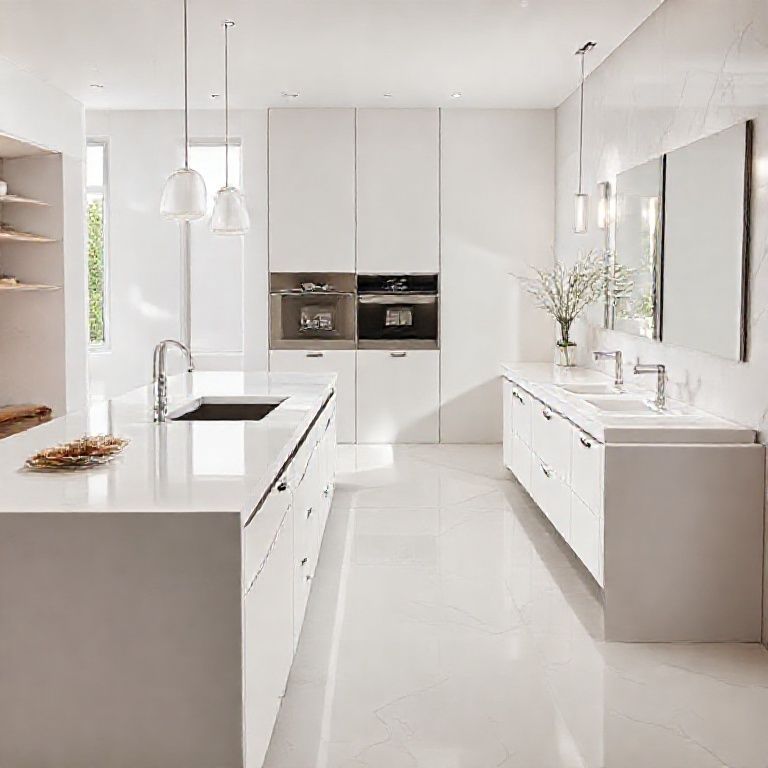
Importance of Polishing Artificial Stone
Polishing artificial stone countertops is not just about achieving a shiny surface; it’s about enhancing the durability and aesthetic of the material. Polishing removes scratches, imperfections, and dullness, revealing the true beauty of the stone. Here’s why polishing is essential:
Durability: Polishing can enhance the surface hardness of the stone, making it more resistant to scratches and everyday wear. Aesthetic Appeal: A polished surface looks sleek and modern, elevating the overall design of your kitchen or bathroom. Longevity: Proper polishing can extend the lifespan of your countertops by protecting them from minor scratches and maintaining their pristine look.
Preparation for Polishing
Before you begin the polishing process, proper preparation is crucial to ensure the best results. Here are the steps to follow:
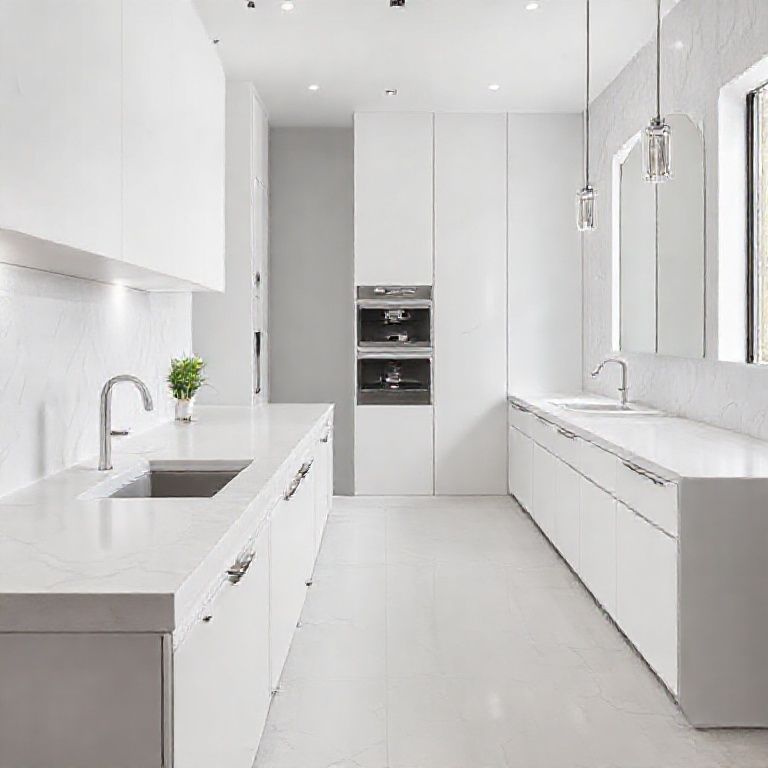
Clean the Surface: Start with a clean countertop. Remove any dirt, grease, or residue using a mild detergent and a soft cloth. Inspect for Damage: Check for any chips, cracks, or imperfections that may need to be addressed before polishing. Dry Thoroughly: Make sure the surface is completely dry to prevent water spots during the polishing process.
Polishing Techniques
There are several methods to polish artificial stone countertops, each with its own benefits:
Manual Polishing
Manual polishing is often done using a polishing machine with a polishing pad and compound. Here’s how to do it:
Select the Right Polishing Compound: Use a stone-specific polishing compound to avoid damaging the surface. Apply the Compound: Spread a thin layer of the compound on the polishing pad. Polish the Surface: Use the polishing machine to rub the pad over the stone in a circular motion. Apply even pressure to ensure a uniform finish. Rinse and Dry: After polishing, rinse the surface to remove any residue and dry it thoroughly.
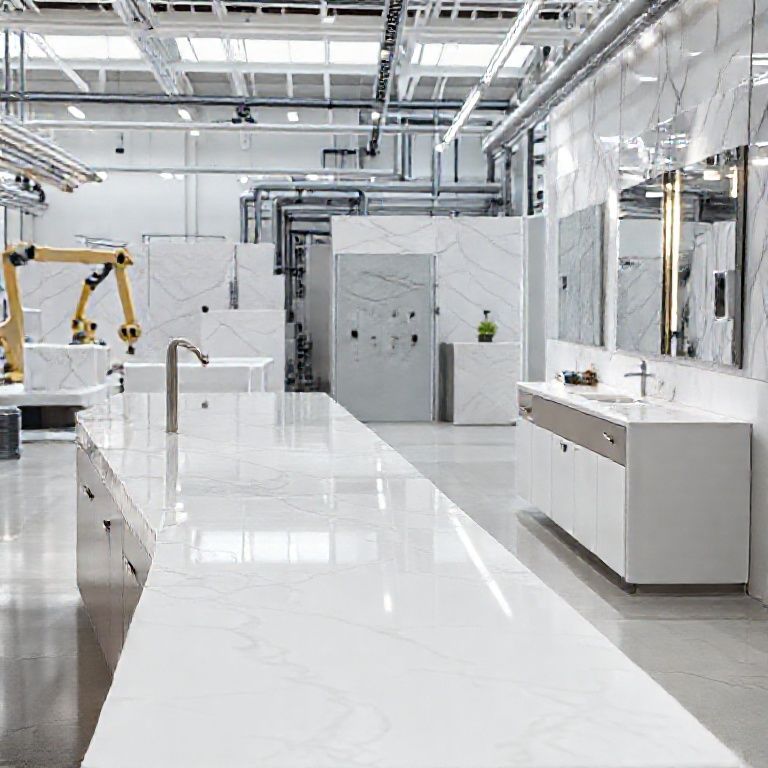
Power Polishing
For larger surfaces or more extensive polishing, a power polisher might be more efficient:
Attach the Pad: Secure the polishing pad to the power polisher. Apply the Compound: Similar to manual polishing, use a stone-specific compound. Polish with the Machine: Turn on the power polisher and move it in a consistent, circular motion across the countertop. Rinse and Dry: Clean the surface and dry it to complete the process.
Benefits of a Polished Finish
A polished artificial stone countertop offers numerous benefits:
Enhanced Appearance: The shine and smoothness make the countertop look more luxurious and modern. Ease of Maintenance: A polished surface is easier to clean and maintain, as it repels stains and water. Increased Value: Polished countertops can increase the value of your home or business by adding a touch of elegance and professionalism.
Conclusion
Polishing artificial stone countertops is a transformative process that brings out the natural beauty and durability of the material. With the right preparation and techniques, you can achieve a polished finish that enhances the aesthetic and longevity of your space. In the next part, we’ll explore the application of wax to further protect and maintain the polished surface, ensuring it remains pristine for years to come.
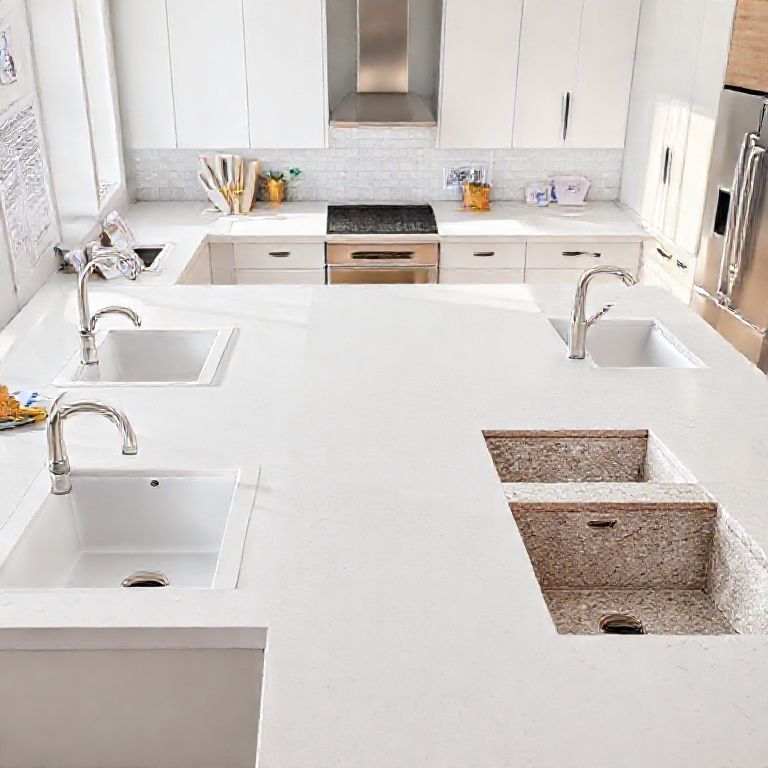
Waxing Artificial Stone Countertops for Long-Lasting Protection
Once your artificial stone countertops have been polished to perfection, the next step is to apply a protective layer of wax. Waxing not only enhances the shine and appearance of the polished surface but also provides long-lasting protection against scratches, stains, and everyday wear. This second part will explore the benefits of waxing, the best practices for application, and tips for maintaining the waxed finish.
Benefits of Waxing Artificial Stone
Waxing artificial stone countertops offers several advantages:
Enhanced Shine: Wax adds a glossy finish that highlights the polished surface, making it look more vibrant and appealing. Protection: A layer of wax acts as a barrier against scratches, stains, and everyday wear, helping to maintain the countertop’s pristine appearance. Ease of Cleaning: Waxed surfaces are easier to clean and maintain, as they repel water and stains. Durability: Regular waxing can extend the lifespan of your countertops by protecting them from minor damages and preserving their polished look.
Choosing the Right Wax
When it comes to waxing artificial stone countertops, it’s important to choose the right type of wax. Here are some factors to consider:
Product Type: Look for a high-quality stone countertop wax specifically designed for artificial stone surfaces. Finish: Decide whether you prefer a matte, satin, or high-gloss finish. Each type of wax offers a different level of shine. Application Method: Some waxes come with applicators for easier application, while others may require manual application.
Application Process
Applying wax to artificial stone countertops is a straightforward process, but it requires attention to detail to achieve the best results. Here’s a step-by-step guide:
Prepare the Surface: Ensure the polished countertop is clean and dry. Remove any dust, dirt, or residue with a soft cloth. Choose the Right Wax: Select a stone countertop wax that matches your desired finish. Apply the Wax: Using an Applicator: If using a wax with an applicator, follow the manufacturer’s instructions for application. Typically, you’ll apply a thin, even layer of wax to the surface. Manual Application: If using a manual application method, spread a small amount of wax on a soft cloth or applicator pad. Rub the wax onto the surface in a circular motion, ensuring an even application. Let it Sit: Allow the wax to sit for the recommended time as per the product instructions. This usually ranges from 5 to 10 minutes, allowing the wax to penetrate the surface. Buff the Surface: Use a clean, dry cloth to buff the surface, removing any excess wax and revealing a shiny, protected finish.
Maintaining the Waxed Finish
To keep your waxed artificial stone countertops looking their best, follow these maintenance tips:
Regular Cleaning: Clean the surface regularly with a mild detergent and water. Avoid using harsh chemicals or abrasive cleaners that can damage the wax layer. Immediate Stain Removal: Wipe up spills immediately to prevent stains from setting in. Use a damp cloth for water-based spills and a mild cleaner for grease or food stains. Periodic Reapplication: Depending on usage, reapply wax every few months to maintain the protective layer. This helps to prolong the shine and durability of the surface.
Tips for a Long-Lasting Waxed Finish
Use Quality Products: Investing in high-quality wax and cleaning products will yield better results and provide longer-lasting protection. Avoid Heavy Objects: Place heavy objects on pads or coasters to prevent scratches and damage to the waxed surface. Regular Maintenance: Stick to a regular cleaning and waxing schedule to ensure the countertop remains in top condition.
Conclusion
Waxing artificial stone countertops is a crucial step in maintaining their polished beauty and protecting their durability. By choosing the right wax and following proper application and maintenance techniques, you can ensure your countertops look stunning and last for many years. In conclusion, polishing and waxing your artificial stone countertops are essential steps to achieve a polished, protected, and long-lasting finish that enhances the beauty and functionality of your space.
By following these detailed steps and tips, you can achieve polished and waxed artificial stone countertops that are not only visually appealing but also highly durable and easy to maintain. Whether you’re renovating your kitchen or bathroom, these techniques will help you create a space that looks professional and modern for years to come.