Introduction to Synthetic Stone Countertops and Their Maintenance Needs
Synthetic stone countertops have surged in popularity due to their durability, low maintenance, and aesthetic appeal. These countertops, made from a blend of minerals and resins, offer a range of colors and textures that mimic natural stone while providing the benefits of being more affordable and easier to maintain. However, like any material, synthetic stone requires proper care to ensure longevity and a pristine appearance. This guide focuses on one of the most common issues: the sealing and cleaning of gaps in synthetic stone countertops.
Understanding the Nature of Synthetic Stone
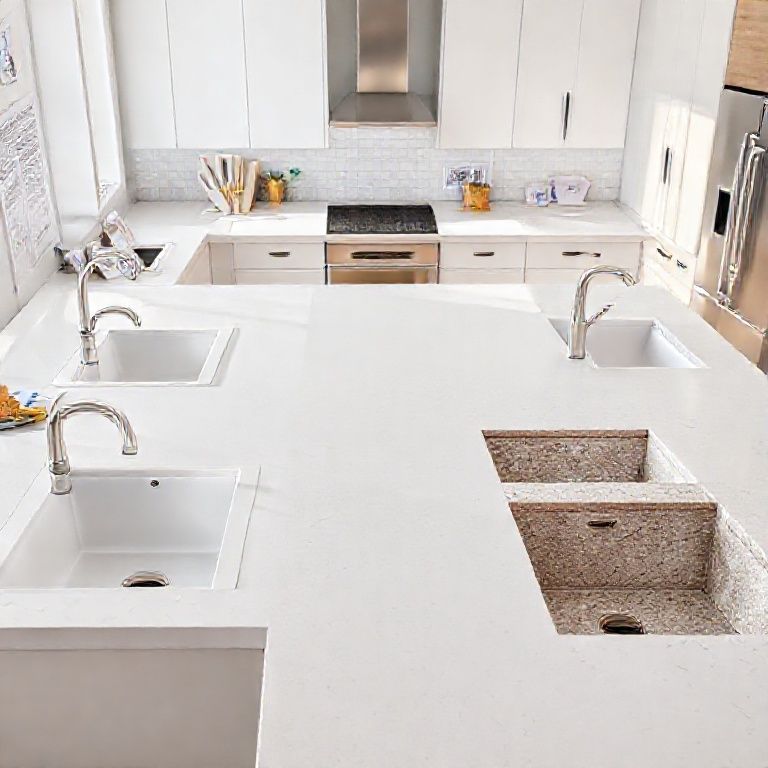
Synthetic stone, often referred to as quartz, is a composite material that combines natural stones like quartz with resins. This combination results in a surface that is incredibly tough and resistant to scratches, stains, and heat. Despite its robustness, synthetic stone is not impervious to the formation of gaps and crevices over time, particularly in the seams where the slabs are joined. These gaps can become breeding grounds for dirt, bacteria, and grime, necessitating regular cleaning and sealing to maintain the countertop’s integrity and appearance.
The Importance of Sealing Synthetic Stone Countertops
Sealing synthetic stone countertops is crucial for several reasons:
Protection Against Stains and Spills: Regular spills and stains can seep into the gaps and crevices of the countertop, leading to discoloration and potential damage. Sealing creates a barrier that prevents these substances from penetrating the surface.
Microbial Prevention: Gaps can harbor bacteria and mold, especially in high-moisture environments like kitchens and bathrooms. A good sealant can help inhibit the growth of these microorganisms.

Longevity: Sealing helps extend the life of your countertop by protecting it from the elements that can cause wear and tear over time.
Steps for Cleaning Synthetic Stone Countertops
Before sealing, it’s essential to clean the countertops thoroughly to remove any existing dirt, grime, and old sealant residues. Here’s a step-by-step guide to cleaning your synthetic stone:
Preparation: Gather your cleaning supplies, which typically include a mild soap, water, a sponge or cloth, and a scrub brush for tougher spots.

Initial Cleaning: Mix a small amount of mild soap with warm water. Using a sponge or cloth, gently scrub the surface of the countertop to remove any loose dirt and debris. Pay special attention to the seams and crevices.
Tackling Stubborn Stains: For tougher stains, create a paste using baking soda and water. Apply the paste to the stained area and let it sit for a few minutes before scrubbing gently with a brush.
Rinsing and Drying: Rinse the countertop thoroughly with clean water to remove soap residue, then dry it with a clean, dry cloth to prevent water spots.

Advanced Cleaning Techniques
For deeper cleaning, especially if your synthetic stone countertop is heavily soiled or has built-up grime, consider using specialized stone cleaning products. These often contain enzymes that break down organic matter, making them ideal for a deep clean. Always follow the manufacturer’s instructions to avoid damaging the surface.
Sealing Synthetic Stone Countertops: Techniques and Products
Sealing synthetic stone countertops is a straightforward process but requires attention to detail to ensure an effective and long-lasting finish. Here’s how to properly seal your countertop:
Choosing the Right Sealant
Not all sealants are created equal, and selecting the right one for your synthetic stone countertop is key. Look for a high-quality, pH-neutral sealant specifically formulated for synthetic stone. This type of sealant provides excellent protection without altering the appearance of the countertop.
Preparation for Sealing
Before applying the sealant, ensure the countertop is completely clean and dry. Any moisture or dirt can prevent the sealant from adhering properly.
Application Techniques
Materials Needed: Gather your sealant, applicator pads or brushes, and a container for mixing if the sealant requires dilution.
Applying the Sealant: Start at one end of the countertop and work your way across the seams. Use an applicator pad or brush to apply the sealant in a zigzag pattern. This method ensures full coverage and helps the sealant seep into the gaps.
Allowing Time to Cure: After application, allow the sealant to cure as per the manufacturer’s instructions. This usually involves letting it dry for a few hours to overnight.
Wipe Off Excess Sealant: Once the sealant has cured, use a clean, damp cloth to wipe off any excess sealant that didn’t penetrate the gaps. This step is crucial to maintain a clean and professional look.
Maintenance Tips for Sealed Synthetic Stone Countertops
To keep your sealed synthetic stone countertop looking its best, adhere to these maintenance tips:
Regular Cleaning: Use a mild soap and water solution to clean the countertop regularly. Avoid harsh chemicals that can damage the sealant.
Immediate Spill Management: Wipe up spills immediately to prevent them from seeping into the gaps. This is especially important for liquids like oils, juices, and sauces that can stain the surface.
Periodic Re-sealing: Depending on the level of use and exposure to spills, re-seal your countertop every six months to a year. Check the manufacturer’s recommendations for specific guidance.
Troubleshooting Common Issues
Despite regular maintenance, issues can still arise with synthetic stone countertops. Here’s how to address some common problems:
Cracks in the Seam: If you notice cracks forming in the seams, it may indicate that the sealant is failing. Remove the old sealant and apply a new layer as described above.
Discoloration: If your countertop starts to discolor, it may be due to spills or improper cleaning. Clean with a pH-neutral cleaner and monitor the area to see if the discoloration fades. If not, consider re-sealing.
Uneven Surface: In rare cases, the surface of the countertop might become uneven. This can usually be addressed by sanding the affected area lightly and re-sealing.
Conclusion
Maintaining synthetic stone countertops involves regular cleaning, sealing, and addressing any issues promptly to ensure longevity and a pristine appearance. By following the steps outlined in this guide and watching our detailed video tutorials, you can keep your synthetic stone countertop looking beautiful and new for years to come. Remember, proper care is the key to enjoying the full benefits of your investment in high-quality synthetic stone.
By breaking down the process into manageable steps and providing detailed instructions, this guide aims to equip you with the knowledge needed to effectively care for your synthetic stone countertops. Regular maintenance and proper sealing not only enhance the aesthetic appeal but also protect the durability of these beautiful surfaces.