Fundamentals and Preparation for Synthetic Stone Countertop Joint Sealing
When it comes to modern kitchen and bathroom design, synthetic stone countertops are a popular choice due to their durability, beauty, and ease of maintenance. However, the seamless look of these countertops can be compromised by poorly treated joints. Ensuring that the seams between your synthetic stone pieces are properly sealed not only enhances the aesthetic appeal but also extends the longevity of your countertop. In this first part of our comprehensive guide, we will cover the fundamentals and essential preparation steps to achieve a flawless finish.
Understanding Synthetic Stone Countertops
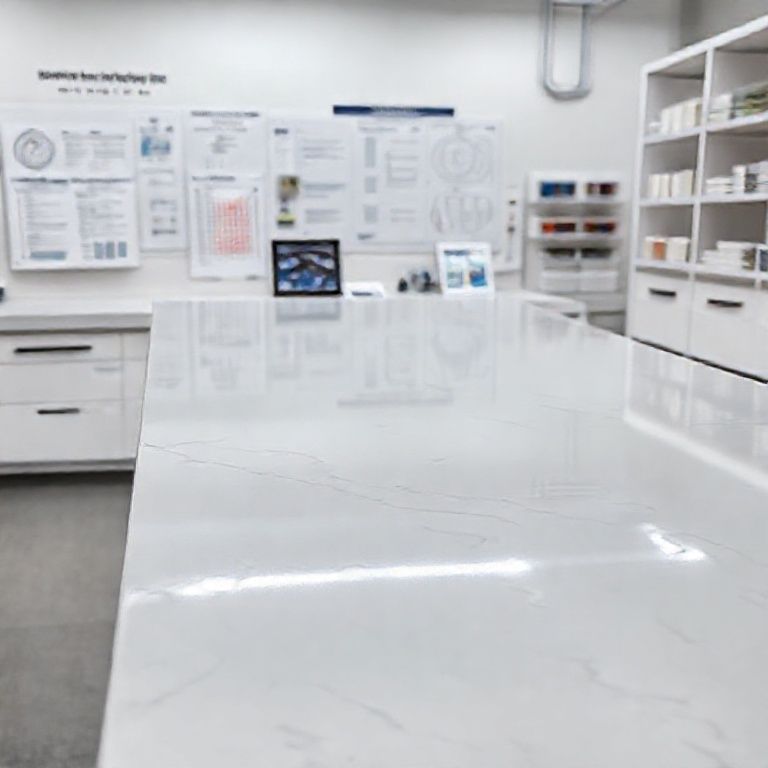
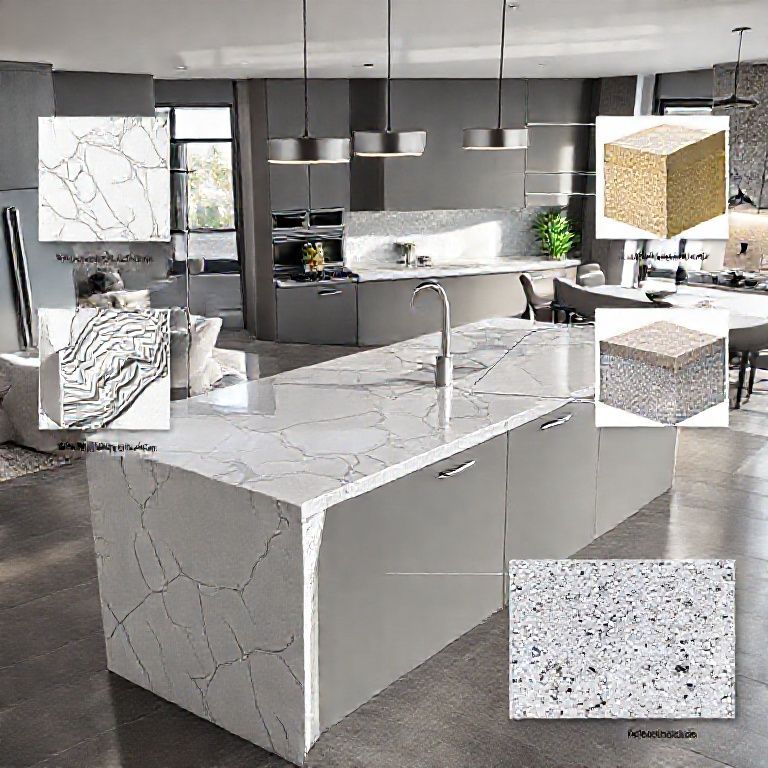
Before diving into the specifics of seam treatment, it’s crucial to understand what synthetic stone is and why its joints need special attention. Synthetic stone, also known as quartz or quartzite, is a composite material made from 93% natural stone and 7% resin. This combination results in a material that is incredibly strong, lightweight, and easy to clean. Despite these advantages, the joints where two pieces meet can be a weak point if not properly sealed.
Importance of Proper Joint Sealing
The main reasons for sealing the joints in synthetic stone countertops are:
Aesthetics: Proper sealing ensures that the seamless look of the countertop is maintained, providing a clean and polished appearance. Durability: Sealing the joints prevents water and moisture from seeping into the seams, which can cause damage over time. Hygiene: Preventing water penetration helps keep the countertop hygienic and prevents the growth of bacteria and mold.
Preparation Steps
Proper preparation is key to successful seam treatment. Here’s a step-by-step guide to ensure your synthetic stone countertop joints are ready for sealing:
1. Clean the Surface
Start by thoroughly cleaning the countertop surface and joints. Use a non-abrasive cleaner and a soft cloth to remove any dirt, grease, or debris. Pay special attention to the seams where pieces meet, as these areas can be tricky to clean.
2. Allow to Dry Completely
After cleaning, make sure the surface is completely dry before proceeding. Moisture can interfere with the sealing process and lead to ineffective results.
3. Inspect the Joints
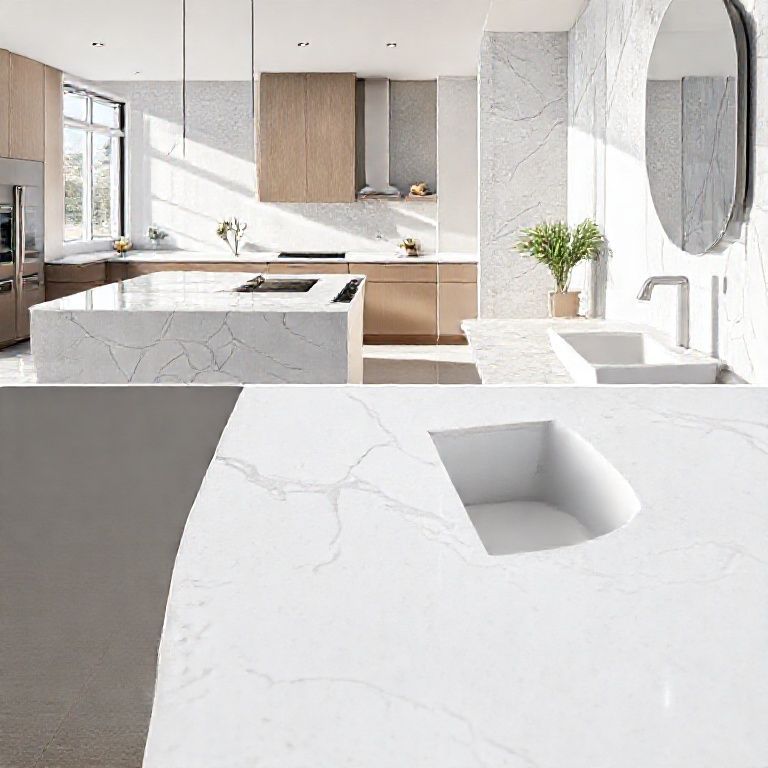
Examine the joints for any cracks, chips, or damage. If you find any imperfections, it’s important to repair them before sealing. Small cracks can often be filled with a filler specifically designed for synthetic stone. Larger cracks may require professional repair services.
4. Remove Old Sealant (if applicable)
If the countertop already has old sealant, remove it carefully. Use a solvent suitable for synthetic stone to dissolve the old sealant without damaging the countertop. Clean the area thoroughly after removing the old sealant.
5. Apply a Primer (optional)
While not always necessary, applying a primer can enhance the adhesion of the new sealant. Choose a primer designed for use with synthetic stone and follow the manufacturer’s instructions for application.
Choosing the Right Sealant
Selecting the appropriate sealant is critical for the success of your joint treatment. Here are some factors to consider when choosing a sealant:

Chemical Resistance: Ensure the sealant is resistant to the chemicals used in your kitchen or bathroom, such as cleaning agents and acidic foods. Weatherproofing: Look for a sealant that provides good weatherproofing to protect against moisture and UV exposure. Color Options: Choose a sealant color that matches your countertop for a seamless look. Ease of Application: Opt for a sealant that is easy to apply and has a good working time.
Application Techniques
Now that you’ve prepared your countertop and chosen the right sealant, it’s time to apply it. Follow these steps for the best results:
1. Cut the Sealant
Cut the sealant to the appropriate size using a utility knife. The sealant usually comes in tubes, and you’ll need to cut it to fit the joint you’re sealing.
2. Apply the Sealant
Using a caulk gun, apply the sealant to the joint. Start from one end of the joint and apply a continuous bead along the seam. Apply even pressure to ensure a full and even bead.
3. Smooth the Sealant
Immediately after applying the sealant, smooth it out with a caulk smoothing tool or a wet finger. This helps to remove air bubbles and create a smooth, professional finish.
4. Clean the Excess
Use a damp cloth to clean any excess sealant that may have squeezed out of the joint. Wipe the surrounding areas to prevent the sealant from drying on the countertop surface.
5. Allow to Cure
Allow the sealant to cure according to the manufacturer’s instructions. This usually involves letting it sit for a few hours or overnight to ensure it hardens properly.
Advanced Techniques and Maintenance Tips for Synthetic Stone Countertop Joints
In the second part of our detailed guide on sealing synthetic stone countertop joints, we will explore advanced techniques and maintenance tips to ensure your countertop remains in pristine condition. Proper sealing and ongoing care are essential to preserving the beauty and functionality of your synthetic stone countertops. Here, we will cover advanced methods for sealing joints and offer maintenance tips to keep your countertop looking its best.
Advanced Sealing Techniques
While basic sealing techniques are essential, advanced methods can provide additional protection and a more polished finish. Here are some advanced techniques to consider:
1. Double Sealant Application
For extra durability, consider applying a double layer of sealant. First, apply a thin, even bead of sealant along the joint. Allow it to cure according to the manufacturer’s instructions. Once cured, apply a second, thicker bead over the first layer. This double layer provides additional protection against moisture and wear.
2. Use of Backer Rod
For larger joints or those that require extra sealing, use a backer rod. A backer rod is a small, tubular piece of foam or wire mesh that fits into the joint before applying the sealant. It helps to create a larger cavity for the sealant to fill, ensuring a more thorough and durable seal.
3. Custom Sealant Colors
For a seamless, custom look, choose a sealant that matches the exact color of your countertop. Custom-colored sealants can blend in perfectly with the natural stone, providing a seamless appearance.
4. UV-Resistant Sealant
To protect against UV exposure, opt for a UV-resistant sealant. This type of sealant helps to prevent discoloration and fading, especially in countertops that receive a lot of sunlight.
Maintenance Tips
Proper maintenance is key to keeping your synthetic stone countertop looking pristine. Here are some essential tips to follow:
1. Regular Cleaning
Regular cleaning helps to prevent stains and buildup that can compromise the appearance of your countertop. Use a mild, non-abrasive cleaner and a soft cloth to wipe down the surface and joints. Avoid using harsh chemicals or abrasive cleaners that can damage the synthetic stone.
2. Immediate Spill Management
Beverages and other liquids can seep into the joints if not cleaned up promptly. Use a clean cloth to wipe up spills immediately to prevent staining and damage to the sealant.
3. Regular Sealant Reapplication
Over time, the sealant may lose its effectiveness due to wear and tear. Regularly check the joints and reapply sealant as needed. Follow the manufacturer’s guidelines for reapplication frequency, which is typically every 1-2 years depending on usage and exposure.
4. Avoid Heat Sources
Direct heat sources like hot pots, pans, or irons can cause the sealant to melt or become discolored. Always use trivets or pot holders to protect the countertop and joints from direct heat.
5. Use Appropriate Cleaning Tools
Use cleaning tools that are gentle on the synthetic stone surface. Avoid using steel wool, scouring pads, or other abrasive tools that can scratch the countertop.
6. Routine Inspections
Perform routine inspections of your countertop joints to catch any signs of wear, damage, or sealant breakdown early. Addressing issues promptly can prevent more significant problems down the line.
7. Professional Cleaning
For a deep clean, consider professional cleaning services that specialize in stone countertops. They have the expertise and tools to clean and maintain your countertop without causing damage.
Conclusion
Sealing the joints of your synthetic stone countertop is an essential aspect of maintaining its beauty and functionality. By following the preparation steps, choosing the right sealant和应用先进的技术和定期的维护,你可以确保你的人造石台面在很长时间内保持其原始的美观和耐用性。
下面我们将探讨一些具体的技巧和工具,帮助你更好地管理和维护你的人造石台面。
定期清洁和保养
使用适当的清洁剂:选择适合人造石材的清洁剂。避免使用含有酸性成分的清洁剂,这些可能会对人造石表面造成损害。
定期擦拭:每周至少擦拭一次台面,使用微纤维布或软布轻轻擦拭表面,以去除灰尘和日常污渍。
处理溢出物:在清洁台面时,特别是厨房台面,要特别注意及时清理溢出的液体,以防止液体渗入接缝处,这会导致接缝的损坏和脱落。
专业清洁服务
如果你的人造石台面经常受到重度使用或者你不确定如何正确清洁和保养,考虑定期聘请专业清洁服务。专业清洁人员会使用专门的清洁工具和产品,确保台面表面和接缝都得到彻底清洁。
预防性维护
使用保护垫:在烹饪或其他高温操作时,使用保护垫或隔热垫,以防止热量损害台面和接缝处的密封剂。
安装护角:在台面的边缘安装护角或保护条,可以有效防止物品直接碰撞台面,从而减少损伤。
定期检查接缝:定期检查台面接缝是否有裂缝或松动的情况。如果发现问题,及时进行修复。
修复和再密封
修复损坏的接缝:如果发现接缝处有裂缝或者密封剂脱落,可以使用专用的密封剂进行修复。选择与原密封剂颜色匹配的产品。
再密封处理:每隔几年,考虑对整个台面进行再密封处理。这不仅能增强台面的耐用性,还能提升其防污性能。
处理特殊污渍
对于一些顽固污渍,比如油渍或酱汁渍,可以尝试以下方法:
稀释清洁:使用温水和中性洗涤剂稀释污渍,然后用布轻轻擦拭。对于油渍,可以尝试使用专用的去油清洁剂。
小苏打和醋:将小苏打和醋混合成糊状,涂抹在污渍上,静置几分钟后用湿布擦拭干净。这种方法对多种顽固污渍非常有效。
总结
通过采取这些预防性措施和定期保养,你可以大大延长人造石台面的使用寿命,保持其美观和功能性。记住,最重要的是及时处理溢出物和损坏,以及定期检查和维护台面接缝。这些简单但重要的步骤将帮助你保持一个干净、美观且耐用的人造石台面。