Countertop Crack Repair: The Essential Techniques and Materials You Need
In the realm of home maintenance, few tasks are as crucial yet daunting as repairing cracks in countertops. Whether it’s the sleek marble in your kitchen or the durable granite in your bathroom, a crack in your countertop not only compromises its aesthetic appeal but can also lead to further damage if left unaddressed. This guide will walk you through the essential techniques and materials necessary for effective countertop crack repair, ensuring your surfaces look flawless and function as intended.
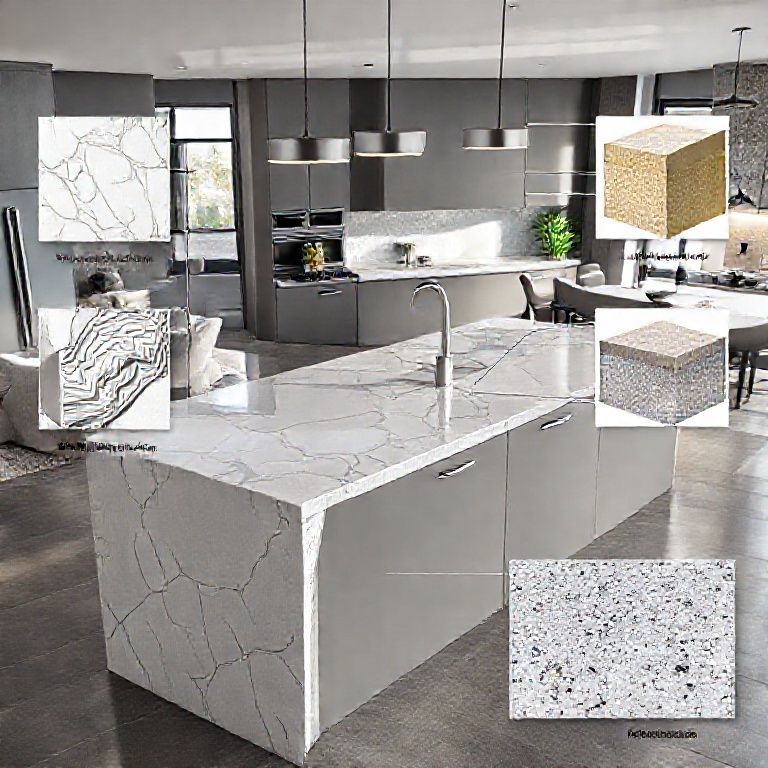
Understanding the Causes and Types of Cracks
Before diving into the repair process, it’s essential to understand what causes cracks in countertops and their various types. Cracks can result from several factors including:
Physical Impact: Dropping heavy objects or using the countertop as a hammer can cause cracks. Thermal Stress: Rapid temperature changes can lead to thermal shock, which often fractures the material. Material Degradation: Over time, natural wear and tear, especially in softer stones like quartz, can result in cracks.
Cracks can manifest in different forms such as:
Straight Cracks: These are typically caused by direct impact. Diagonal Cracks: Often result from indirect impact or thermal stress. Networked Cracks: This type of crack spreads throughout the surface, indicating severe damage or underlying issues.
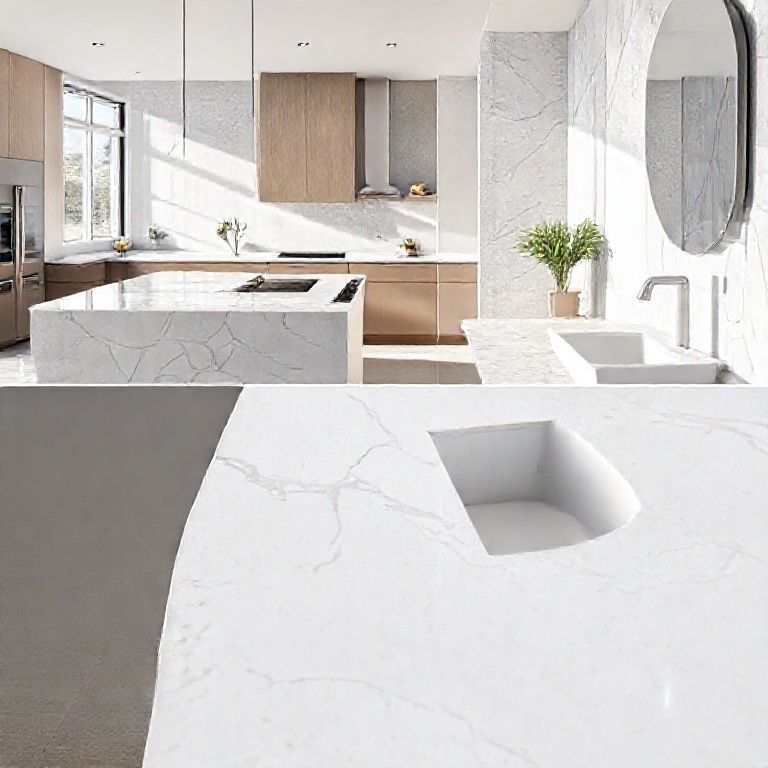
Selecting the Right Repair Materials
Choosing the right materials is a critical step in successful countertop crack repair. The ideal repair material should match the type of countertop you are working with. Here’s a breakdown of the most common materials used:
Epoxy Resin: Ideal for most countertops, epoxy resins offer strong adhesion and a seamless finish. They come in two parts that need to be mixed and applied within a short time frame. Polyurethane Sealant: This is a versatile option that works well for both aesthetic and functional repairs, providing a durable finish. Specialty Fillers: For specific types of stone or custom repairs, specialty fillers can be used to blend seamlessly with the existing surface.
Essential Tools for Countertop Crack Repair
To ensure a professional finish, the right tools are essential. Here’s a list of tools you’ll need:
Mixing Bowls: For combining epoxy or other repair materials. Spatula: To apply the repair material smoothly. Sandpaper or Dremel Tool: For smoothing out the repaired area. Cleaning Supplies: To clean the countertop before and after repair. Masking Tape: To protect adjacent areas from the repair material.

Step-by-Step Repair Process
Here’s a detailed step-by-step process to repair cracks in countertops:
Preparation: Clean the area around the crack thoroughly. Remove any debris, food particles, or old repair material. Wipe the surface with isopropyl alcohol to ensure it’s dry and clean.
Assess the Damage: Carefully examine the crack to determine its depth and extent. This will help you choose the right repair material and technique.
Mix the Repair Material: Follow the manufacturer’s instructions to mix the epoxy resin or sealant. Use a spatula to ensure a smooth consistency.

Apply the Repair Material: Using the spatula or a small brush, apply the repair material into the crack. Press it in firmly to ensure it fills the crack completely. Smooth the surface with the spatula for a seamless finish.
Cure the Repair Material: Allow the repair material to cure as per the instructions. This usually involves letting it sit for a specific period before handling the countertop again.
Sand the Surface: Once cured, gently sand the area with fine-grit sandpaper to smooth out any rough edges and blend the repaired area with the surrounding surface.
Final Clean: Clean the countertop with a damp cloth to remove any dust or residue left from sanding.
Apply Sealant (Optional): For added protection and a polished finish, consider applying a countertop sealant over the repaired area.
By following these steps, you can effectively repair cracks in most countertops, restoring their appearance and functionality. This comprehensive guide provides the knowledge and tools necessary for a professional-quality repair, whether you’re a DIY enthusiast or a professional contractor.
Advanced Countertop Crack Repair Techniques and Maintenance Tips
Once you’ve mastered the basics of countertop crack repair, it’s time to explore advanced techniques and maintenance tips to ensure your repairs last longer and your countertops remain in pristine condition. This part delves into sophisticated methods for addressing complex crack patterns and offers expert advice on how to maintain your countertops for years to come.
Advanced Repair Techniques
For cracks that are more extensive or complex, traditional repair methods might not suffice. Here are some advanced techniques that can handle tougher situations:
Crack Injection: For deep or network cracks, crack injection involves drilling small holes into the crack and injecting a specialized epoxy resin or polyurethane into the crack. This method ensures the crack is fully filled and prevents further spreading.
Granite and Marble Restoration: For these high-end materials, specialized repair kits are available that include color-matched fillers and polishing compounds. These kits often come with detailed instructions for color matching and surface finishing to ensure a flawless repair.
Composite Repair: In cases where the crack is too deep or the material is too damaged, a composite repair might be necessary. This involves cutting out the damaged section and replacing it with a composite material that matches the countertop’s color and texture.
Preventative Maintenance Tips
Preventing cracks from forming in the first place is always better than repairing them. Here are some maintenance tips to keep your countertops in top condition:
Use Cutting Boards: Always use a cutting board to prevent knives and other sharp objects from scratching or cracking the countertop surface.
Heat Protection: Avoid placing hot pots, pans, or other heat sources directly on the countertop. Use trivets or heat-resistant pads to protect the surface from thermal shock.
Proper Cleaning: Clean your countertop regularly with mild soap and water. Avoid using harsh chemicals or abrasive cleaners that can damage the surface.
Seal Your Countertop: Regular sealing of your countertop can provide an additional layer of protection against stains, spills, and scratches. Follow the manufacturer’s guidelines for resealing based on the type of countertop.
Common Mistakes to Avoid
Even with the best techniques and tools, certain mistakes can undermine your repair efforts. Here are some common pitfalls to avoid:
Using the Wrong Material: Always choose a repair material that matches the type of countertop you’re working with. Using an incompatible material can lead to further damage or an unsightly repair.
Ignoring the Source: Sometimes, cracks indicate underlying issues such as improper installation or structural problems. Addressing the root cause can prevent future cracks.
Overlooking Cleanliness: A dirty or dusty surface can prevent the repair material from adhering properly. Always ensure the area is clean and dry before applying any repair material.
Inadequate Curing Time: Allowing sufficient curing time for the repair material is essential for a strong bond. Rushing the process can lead to weak repairs.
Conclusion
Repairing cracks in countertops is a task that, when done correctly, can restore the beauty and functionality of your kitchen or bathroom surfaces. By understanding the causes and types of cracks, selecting the right materials and tools, and following detailed repair techniques, you can achieve professional-quality results. Advanced techniques and preventative maintenance tips further ensure that your repairs will last and your countertops remain in pristine condition for years to come.
This comprehensive guide provides everything you need to tackle countertop crack repair confidently. Whether you’re a DIY enthusiast looking to fix minor cracks or a professional seeking advanced repair techniques, this information is your key to flawless countertop restoration.