Introduction to Dry-Glued Marble Technology
The art of dry-glued marble installation is a sophisticated process that combines the beauty of natural marble with innovative technology to enhance durability and aesthetic appeal. Unlike traditional wet-glued methods, dry-glued marble involves applying a specialized adhesive to the back of marble slabs before positioning them in place. This method ensures that the marble remains clean and free from moisture, which can lead to cracks and other damages.
Understanding the Importance of Dry-Glued Marble
Dry-gluing marble is not just about aesthetics; it’s a method that significantly enhances the longevity and structural integrity of marble installations. Moisture can be a silent destroyer for marble, causing it to crack and deteriorate over time. By employing dry-gluing techniques, installers can prevent these issues and ensure that the marble maintains its pristine condition for years to come.
Technological Requirements for Dry-Glued Marble
High-Quality Adhesives The first and most crucial requirement is the use of high-grade adhesives specifically formulated for marble. These adhesives must provide strong bonding while remaining flexible enough to accommodate any minor movement in the marble slab. Look for adhesives that are resistant to moisture, UV rays, and temperature fluctuations.
Precision Tools and Equipment Precision is key in dry-glued marble installation. Specialized tools such as high-quality tape measures, levelers, and laser guides are essential for ensuring accurate placement of the marble slabs. Advanced equipment like vacuum systems can also be used to remove air bubbles and ensure a perfect bond.
Skilled Labor The expertise of the installers plays a vital role in achieving successful dry-glued marble installations. Skilled labor must understand the nuances of the technique and be trained in the application of adhesives, the handling of marble, and the meticulous placement of slabs.
Step-by-Step Dry-Glue Installation Process
Preparation Before starting the installation, it’s essential to clean the surface where the marble will be placed. This involves removing any dust, grease, or debris that could interfere with the adhesive. The surface must be smooth and free from any imperfections.
Adhesive Application Applying the adhesive correctly is crucial. The adhesive should be spread evenly using a notched trowel to ensure a uniform bond. The application should follow the manufacturer’s guidelines for thickness and coverage.
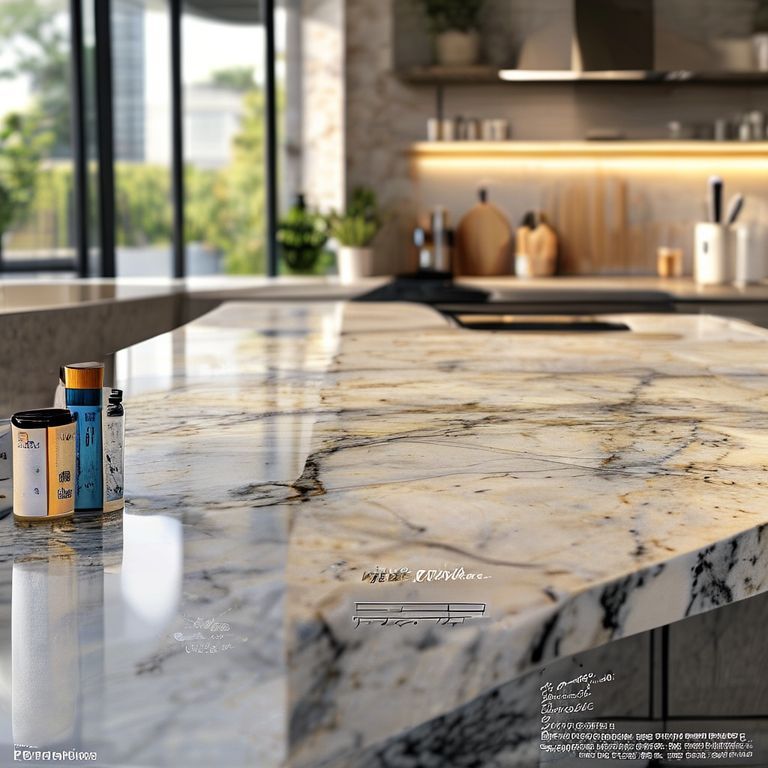
Marble Placement Once the adhesive is set but still tacky, the marble slabs can be positioned. Each slab should be placed carefully to avoid shifting. It’s important to use spacers to maintain consistent gaps between slabs, which helps in later trimming and finishing.
Curing After placement, the marble needs time to cure. The curing period will vary based on the adhesive used, but it generally requires a few hours to a full day. During this time, avoid any pressure on the slabs to allow the adhesive to fully set.
Benefits of Dry-Glued Marble Installations
Enhanced Durability Dry-gluing significantly reduces the risk of cracks and water damage, leading to a more durable and long-lasting marble installation.
Cleanliness Since the process avoids wet glue, the marble remains clean and free from moisture, which can lead to unsightly stains and damage.
Ease of Maintenance Dry-glued marble installations are easier to maintain and clean, making them a practical choice for high-traffic areas.
Conclusion
Mastering the art of dry-glued marble installation requires a blend of technology, precision, and skilled labor. By adhering to the stringent technological requirements and following the detailed installation process, installers can achieve stunning, long-lasting marble installations that enhance any space. Whether it’s for residential or commercial projects, dry-glued marble is a superior choice that combines beauty with durability.
Advanced Techniques in Dry-Glued Marble Installation
Introduction
Building on the foundational knowledge of dry-glued marble technology, this part delves into advanced techniques and best practices to ensure perfection in every marble installation. From material selection to the final finishing touches, these detailed steps will help you achieve flawless results.
Material Selection: Choosing the Right Marble
Quality Marble Selecting high-quality marble is the first step toward a successful installation. Look for marble with minimal veins and inclusions, as these can affect the overall appearance. Marble types like Carrara, Travertine, and Bianco Antico are popular choices known for their durability and aesthetic appeal.
Thickness and Size The thickness and size of the marble slabs are critical factors. Thicker slabs provide more flexibility and are less prone to cracking. Standard thicknesses range from 20 to 30 mm. Ensure that the slabs are cut to the required size before the installation process begins.
Advanced Adhesive Application Techniques
Adhesive Thickness Applying the adhesive in the correct thickness is essential. Too thick an application can cause the marble to shift, while too thin an application may not provide adequate bonding. A consistent thickness ensures a strong bond and prevents air bubbles.
Adhesive Spread Use a notched trowel to spread the adhesive evenly across the back of the marble slab. The notches create a textured pattern that helps the adhesive adhere better to the marble surface. Ensure that the trowel is held at a consistent angle to avoid over-application or uneven spread.
Precision Placement and Curing
Alignment and Leveling Proper alignment and leveling are crucial for a flawless installation. Use laser levels and string lines to ensure that each marble slab is perfectly aligned and level. This step helps avoid uneven surfaces and ensures a uniform appearance.
Curing Time After placing the marble slabs, allow the adhesive to cure properly. The curing time can vary based on the adhesive used, but it’s generally recommended to wait at least 24 hours. During this time, avoid applying any pressure on the slabs to allow the adhesive to set fully.
Finishing Techniques: Achieving Perfection
Trimming and Cutting After the adhesive has cured, the next step is trimming and cutting the marble slabs to fit the edges of the installation area. Use a wet saw with a diamond blade to make precise cuts. Ensure that the cuts are smooth and clean to maintain the marble’s aesthetic appeal.
Grouting Grouting is the process of filling the gaps between marble slabs with a colored grout. Select a grout color that complements the marble. Apply the grout using a grout float, ensuring that it fills the joints completely. Clean the marble surfaces with a damp sponge to remove excess grout.
Sealing Sealing the marble is essential to protect it from stains and water damage. Use a high-quality marble sealer that is compatible with the type of marble used. Apply the sealer using a brush or spray, ensuring an even coat. Allow the sealer to cure as per the manufacturer’s instructions.
Troubleshooting Common Issues
Adhesive Failure If the adhesive fails to bond properly, it may be due to incorrect application or environmental conditions. Ensure that the adhesive is applied at the correct thickness and that the installation area is free from contaminants.
Cracking Cracking can occur due to excessive pressure on the marble slabs during the curing process. Avoid applying any pressure and ensure that the slabs are allowed to cure fully.
Misalignment Misalignment can happen if the adhesive is not spread evenly or if the slabs are not properly leveled. Double-check the alignment and leveling before allowing the adhesive to cure.
Conclusion
Achieving perfection in dry-glued marble installations requires a combination of advanced techniques, precise execution, and attention to detail. By carefully selecting high-quality materials, applying adhesives correctly, ensuring proper placement, and following detailed finishing processes, you can create stunning marble installations that withstand the test of time. Embrace these advanced practices to elevate your craftsmanship and deliver impeccable results in every project.
By following these detailed guidelines and embracing advanced techniques, you can master the art of dry-glued marble technology and achieve flawless, long-lasting installations that enhance any space.