Introduction to Dry-laid Marble Installation
In the realm of high-end interior design and construction, marble remains a timeless and opulent choice for both flooring and wall cladding. Among the various installation techniques available, dry-laid marble installation stands out for its aesthetic appeal and minimal use of adhesives. This method not only allows for intricate designs but also offers a level of flexibility that wet-laid techniques cannot match.
Understanding Dry-laid Marble
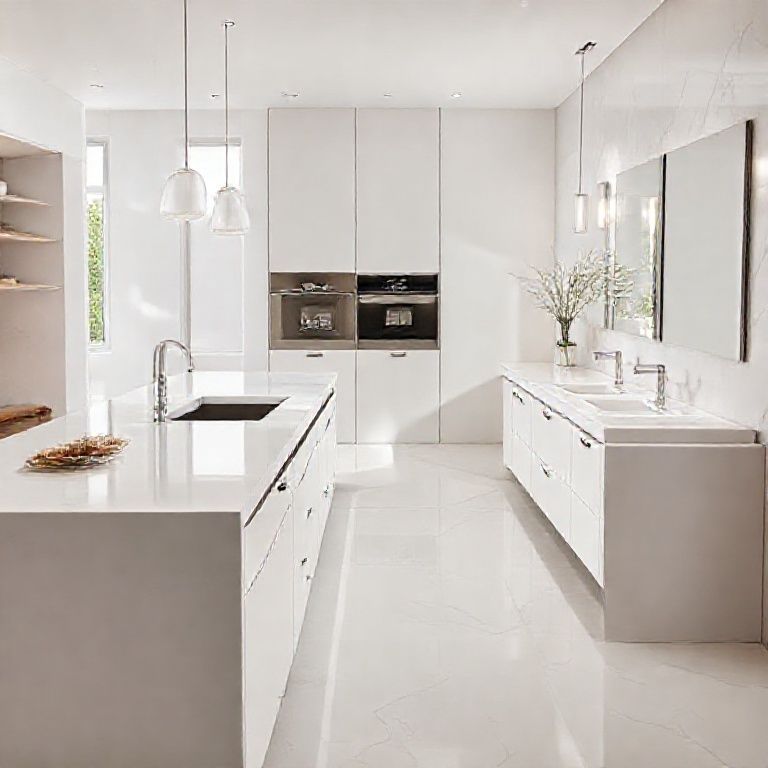
Dry-laid marble installation involves positioning marble tiles or slabs without the use of adhesives. Instead, marble pieces are held together using mechanical fasteners, such as metal clips or dowels. This method allows for greater design freedom and easier adjustments during the installation process. It’s particularly suitable for unique patterns and complex designs where precision is paramount.
Essential Materials for Dry-laid Marble Installation
To achieve a flawless dry-laid marble installation, several high-quality materials are essential:
Marble Tiles/Slabs: The primary material, chosen for its natural beauty and durability. High-quality marble should be sourced from reputable suppliers to ensure consistency and longevity.
Metal Fasteners: These include metal clips, dowels, or anchors that securely hold the marble pieces together. Stainless steel or brass fasteners are preferred for their resistance to corrosion and longevity.
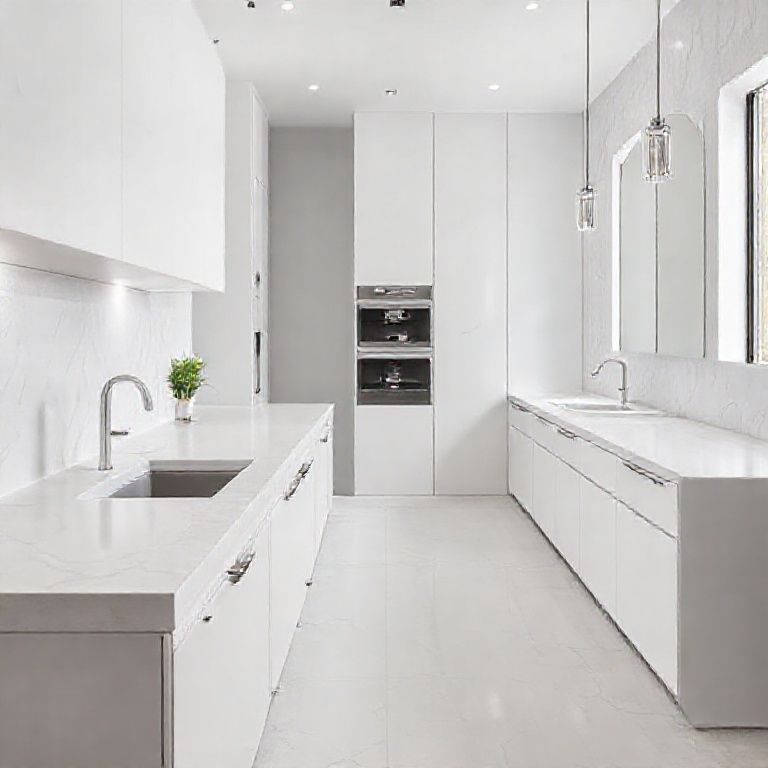
Sealants: While dry-laid marble avoids adhesives, sealants can be used at joints and edges to protect against water and stains.
Installation Tools: Tools such as a marble cutter, level, rubber mallet, and a spirit level are crucial for precise and accurate installation.
Planning and Preparation
Before beginning the installation, meticulous planning and preparation are essential. Here’s a step-by-step guide to ensure a successful project:

Design Planning: Begin with a detailed design plan. This should include the layout, patterns, and specific locations for each marble piece. Consider using design software to visualize the final outcome.
Substrate Preparation: The underlying surface must be perfectly level and smooth. This often involves installing a plywood or cement board base that provides a stable foundation for the marble.
Cutting Marble: Precise cutting of marble tiles or slabs is critical. Use a diamond-bladed saw to achieve clean, accurate cuts. Measure twice, cut once to avoid unnecessary waste and ensure perfect fits.
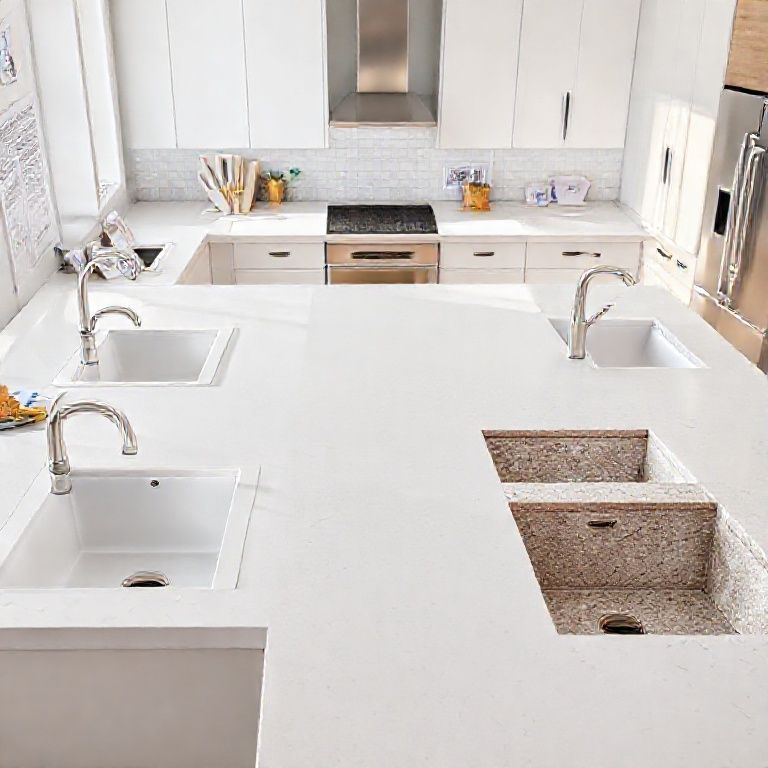
Dry Layout: Before fixing any marble pieces, perform a dry layout. This involves placing the marble pieces on the substrate without any fasteners to check the fit and alignment. Make any necessary adjustments to the layout.
Installation Techniques
1. Mechanical Fastening: The cornerstone of dry-laid marble installation is the use of mechanical fasteners. These can be installed in various configurations depending on the design requirements. Here are some common techniques:
Clip-and-Dowel System: This involves using metal clips to secure marble pieces and dowels to provide additional support. Clips can be adjusted for slight misalignments, offering flexibility during installation.
Interlocking System: This method uses specially designed interlocking pieces that fit together without adhesives. It’s particularly effective for intricate patterns and requires precise cutting and fitting.
2. Edge Treatment: Edges of marble tiles or slabs need careful treatment to ensure a clean and professional finish. Options include:
Bullnose Edges: Rounded edges provide a smooth, finished look and are ideal for tile edges.
Beveled Edges: A beveled edge gives a polished, angled finish that enhances the marble’s natural beauty.
Sealed Edges: For areas prone to moisture, sealing the edges can provide additional protection against water damage.
3. Grout Lines: Although dry-laid marble minimizes the use of grout, where it’s necessary, careful attention to detail is required. Use high-quality, color-matched grout to fill in any gaps between tiles. Ensure that the grout is applied evenly and smoothly.
4. Finishing Touches: After the installation, perform a final inspection to check for any misalignments or gaps. Clean the marble surface thoroughly to remove any dust or debris. Apply a suitable sealant to protect the marble and enhance its natural shine.
Maintenance Tips for Dry-laid Marble
To ensure the longevity and beauty of your dry-laid marble installation, regular maintenance is crucial. Here are some essential tips:
Regular Cleaning: Use a soft, damp cloth and a marble-safe cleaner to clean the marble surface. Avoid using abrasive cleaners or scrubbing tools that can scratch the marble.
Sealing: Periodically reapply a high-quality marble sealant to protect the surface from stains and water damage. Follow the manufacturer’s instructions for the best results.
Immediate Stain Treatment: In case of spills, treat stains immediately with a marble-safe cleaner to prevent them from setting in. Blot the stain gently rather than scrubbing.
Avoid Extreme Temperatures: Marble is sensitive to temperature changes. Avoid placing hot pots or pans directly on the marble surface and use trivets to protect it.
Conclusion
Mastering the art of dry-laid marble installation requires a combination of skill, precision, and an eye for detail. By understanding the techniques, using high-quality materials, and following careful planning and maintenance practices, you can achieve stunning marble installations that enhance the beauty and elegance of any space.
Stay tuned for Part 2, where we delve deeper into advanced dry-laid marble installation techniques and explore innovative design possibilities.
Advanced Dry-laid Marble Installation Techniques
As we continue our exploration into the world of dry-laid marble installation, it’s essential to delve deeper into the advanced techniques that push the boundaries of design and craftsmanship. This section will cover innovative methods, unique design possibilities, and expert tips to help you achieve unparalleled marble installations.
Innovative Design Possibilities
1. Geometric Patterns: Dry-laid marble allows for intricate geometric patterns that can transform any space. Whether it’s a tessellated mosaic or a complex diamond pattern, the flexibility of this method enables the realization of these sophisticated designs. Precision cutting and careful planning are key to executing these designs flawlessly.
2. Freeform Layouts: Unlike traditional tiled layouts, dry-laid marble can accommodate freeform designs that mimic natural stone patterns. This method requires a keen eye for symmetry and proportion, but the results can be breathtakingly beautiful. It’s perfect for creating unique, one-of-a-kind installations.
3. Layering Techniques: Layering different marble types and colors can add depth and visual interest to an installation. This technique involves carefully selecting and arranging marble pieces to create a harmonious yet dynamic design. Layering can be applied to both flooring and wall cladding to achieve a cohesive look.
4. Mixed Media Installations: Combining marble with other materials such as wood, glass, or metal can create stunning mixed media installations. This approach allows for greater creative freedom and can result in truly unique and captivating designs. The key is to ensure that each material complements the others without overwhelming the overall aesthetic.
Advanced Installation Techniques
1. Precision Cutting and Fitting: Achieving flawless dry-laid marble installations starts with precision cutting. Use high-quality tools such as a diamond-bladed saw to ensure clean, accurate cuts. Fit the pieces together without any gaps, adjusting the fasteners as needed. Attention to detail at this stage will make all the difference in the final result.
2. Advanced Fastening Systems: Beyond basic clips and dowels, advanced fastening systems can be employed to enhance stability and flexibility. Options include:
Custom Fasteners: Tailor-made fasteners can be designed to fit specific patterns or designs, providing secure yet adjustable support.
Modular Systems: Modular systems that allow for easy expansion or rearrangement offer flexibility and adaptability in long-term installations.
3. Edge Treatment Innovations: Advanced edge treatment techniques can elevate the finish of your marble installation. Consider using:
Precision Beveling Machines: These machines can create perfectly angled edges, enhancing the marble’s natural beauty.
Laser Edge Treatment: Laser technology can achieve ultra-precise cuts and finishes, providing a seamless and polished look.
4. Integration with Modern Technology: Incorporating modern technology into your dry-laid marble installations can lead to innovative results. For example:
LED Lighting Integration: Built-in LED lighting can highlight the marble’s patterns and colors, adding a modern and dynamic element to the design4. Integration with Modern Technology: Incorporating modern technology into your dry-laid marble installations can lead to innovative results. For example:
LED Lighting Integration: Built-in LED lighting can highlight the marble’s patterns and colors, adding a modern and dynamic element to the design. This can be particularly effective in creating a dramatic effect in spaces such as staircases, bathrooms, or living rooms.
Smart Home Systems: Integrating smart home technology with your marble installation can enhance functionality and aesthetics. For instance, smart tiles that change color with a touch or voice command can create a futuristic look that responds to environmental changes.
5. Advanced Sealant and Finish Application: The finishing touches of your installation play a crucial role in both the aesthetic appeal and the durability of the marble. Here are some advanced techniques:
High-Gloss Polishing: Achieving a high-gloss finish can make the marble shine like a mirror, enhancing the overall elegance of the space. This requires meticulous polishing and the use of specialized marble polishes.
Anti-Slip Coatings: For high-traffic areas such as kitchens or bathrooms, applying anti-slip coatings can prevent accidents and extend the life of the marble. These coatings are usually made from rubber-based materials that provide a safe, non-slip surface.
Maintenance and Care Tips
To ensure that your dry-laid marble installation maintains its beauty and integrity over time, regular maintenance is essential. Here are some expert tips:
Routine Cleaning: Develop a cleaning routine using a soft, damp cloth and a marble-safe cleaner. Avoid using abrasive cleaners or tools that can scratch the marble surface.
Sealant Reapplication: Periodically check the sealant at joints and edges. Reapply high-quality marble sealant to protect against stains and water damage, following the manufacturer’s instructions for the best results.
Immediate Stain Treatment: In case of spills, treat stains immediately with a marble-safe cleaner to prevent them from setting in. Blot the stain gently rather than scrubbing.
Temperature Control: Avoid placing hot pots or pans directly on the marble surface. Use trivets to protect it. Extreme temperature changes can cause the marble to crack or discolor.
Professional Inspections: Schedule regular inspections with a professional to check for any signs of damage or wear. Early detection can prevent minor issues from becoming major problems.
Conclusion
Mastering advanced dry-laid marble installation techniques opens up a world of creative possibilities and professional opportunities. By combining precision craftsmanship with innovative design, you can create stunning, long-lasting installations that enhance the beauty and functionality of any space. Whether you’re working on intricate geometric patterns, freeform layouts, or mixed media installations, the key lies in attention to detail, the use of high-quality materials, and a commitment to ongoing maintenance. Embrace these advanced techniques to elevate your marble craftsmanship and achieve installations that captivate and inspire.
Stay ahead in the field of marble installation by continually learning and adapting to new technologies and trends. With dedication and skill, you can transform any space with the timeless elegance of dry-laid marble.