Understanding Artificial Marble Repair and Color Restoration
Artificial marble has become a popular choice for countertops, tabletops, and other decorative surfaces due to its durability, affordability, and aesthetic appeal. However, like all materials, it is susceptible to damage over time, leading to color issues that can detract from its visual allure. This guide delves into the intricacies of repairing artificial marble and restoring its original color, ensuring it remains a stunning centerpiece in any space.
The Nature of Artificial Marble
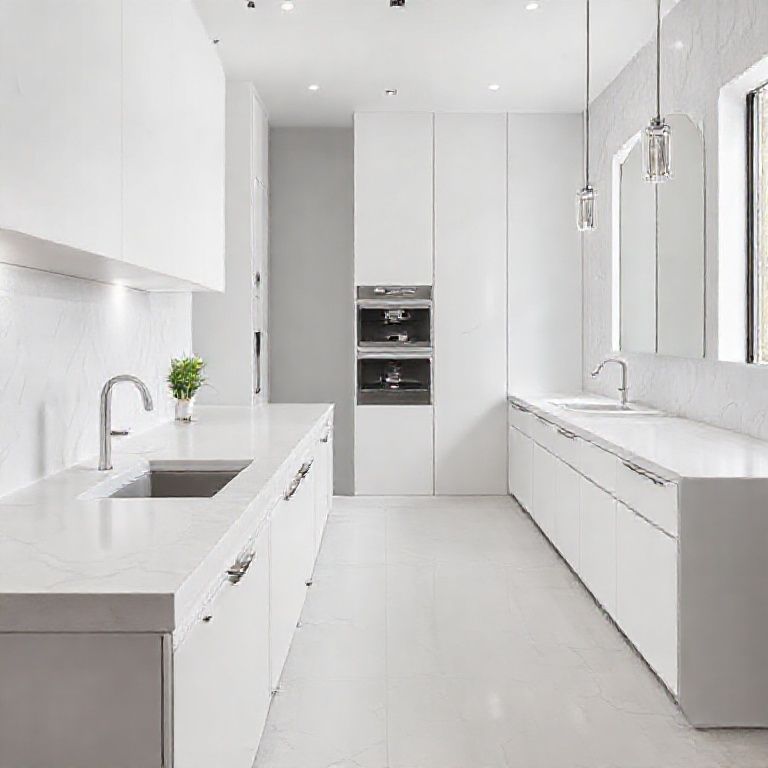
Artificial marble is a composite material typically made from a mixture of limestone, marble chips, and other minerals bonded with resins. This combination provides the material with a luxurious appearance similar to natural marble while offering greater resistance to scratches, stains, and temperature changes. Despite its robustness, artificial marble can still face challenges like chips, cracks, and discoloration, requiring careful repair and restoration.
Common Color Issues
Color issues in artificial marble can arise due to several factors:
Exposure to Chemicals: Acidic or alkaline substances can cause color fading or staining. Heat Damage: Prolonged exposure to heat can lead to discoloration, especially in lighter shades. Physical Damage: Chips and cracks can reveal the base material beneath, altering the surface color.
Recognizing these issues is the first step in effective restoration.
Preliminary Steps in Repair
Before diving into restoration, it is crucial to address the physical damage:
Cleaning: Thoroughly clean the affected area with a mild detergent and water to remove any dirt or debris. Inspection: Examine the damage to determine the extent of the repair needed. Material Preparation: Gather necessary materials for the repair, such as color-matched resin, polishing tools, and protective gear.
Repair Techniques
Chip and Crack Repair
For minor chips and cracks, a color-matched resin can be used to fill in the damaged area:
Resin Application: Apply the resin carefully into the crack or chip, using a small brush or applicator. Smoothing: Once the resin has been applied, use a damp cloth to smooth out the surface and remove any excess resin. Curing: Allow the resin to cure as per the manufacturer’s instructions, typically under UV light or heat.
Larger Area Repairs
For larger areas, a patch repair may be necessary:
Cutting Out Damaged Area: Carefully cut out the damaged section using a utility knife or saw. Measuring and Cutting Replacement Piece: Measure the cut-out area and cut a piece of artificial marble or a suitable replacement material to fit. Gluing and Bonding: Use a strong adhesive to bond the replacement piece to the original surface, ensuring a seamless fit. Smoothing and Finishing: Once the adhesive has cured, smooth out the surface with fine-grit sandpaper and polish to match the surrounding area.
Color Restoration Techniques
Restoring the original color of artificial marble often involves a combination of cleaning, polishing, and re-staining if necessary.
Cleaning
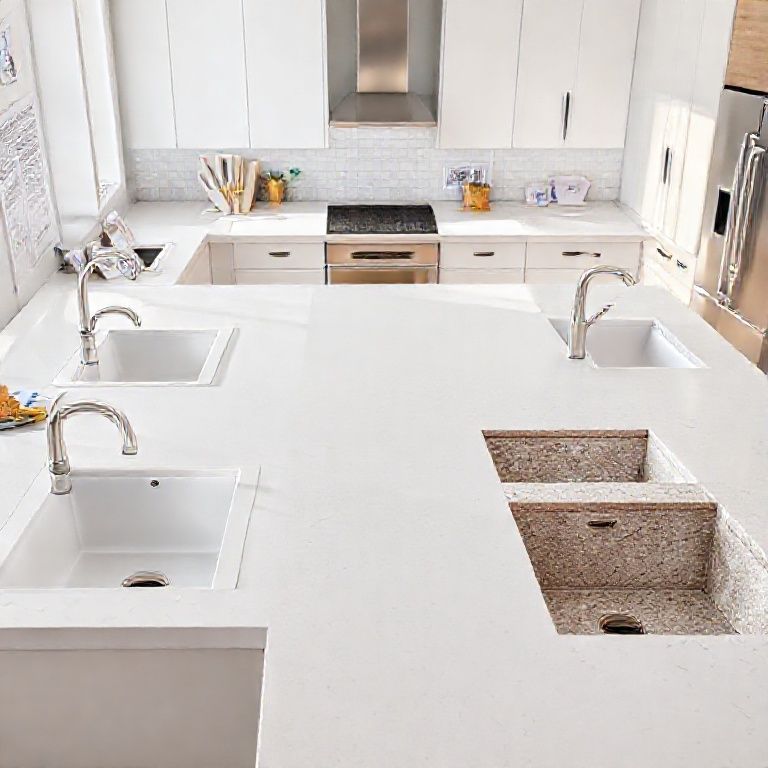
A gentle cleaning with a pH-neutral cleaner can remove surface stains and restore some of the original color:
pH-Neutral Cleaner: Use a pH-neutral cleaner specifically designed for artificial marble. Damp Cloth: Apply the cleaner with a damp cloth, avoiding abrasive materials that can scratch the surface. Rinsing and Drying: Rinse the area with water and dry thoroughly.
Polishing
Polishing can enhance the shine and restore color vibrancy:
Polishing Compound: Use a marble polishing compound suitable for artificial surfaces. Application: Apply the compound with a soft cloth or polishing pad. Buffing: Buff the surface with a clean, dry cloth to achieve a shiny finish.
Re-Staining
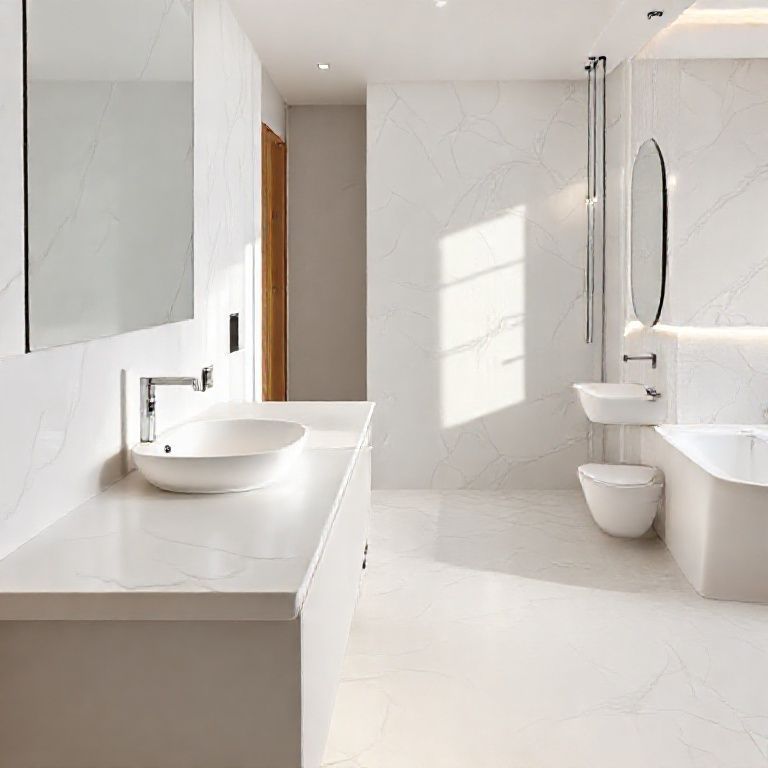
In cases where the color has faded significantly, re-staining may be required:
Color-Matched Stain: Select a color-matched stain or dye compatible with artificial marble. Application: Apply the stain using a cloth or brush, ensuring even coverage. Drying and Buffing: Allow the stain to dry and then buff the surface for a polished look.
Preventative Maintenance
To maintain the beauty and color of artificial marble, regular maintenance is essential:
Regular Cleaning: Clean artificial marble surfaces regularly to prevent the buildup of grime and stains. Avoiding Harsh Chemicals: Use pH-neutral cleaners and avoid harsh chemicals that can damage the surface. Protective Covers: Use protective covers or mats for areas prone to spills and heat.
By following these steps and techniques, you can effectively repair and restore the color of artificial marble, ensuring it continues to add elegance and charm to your space.
Advanced Techniques and Long-Term Care for Artificial Marble
Artificial marble, with its impressive blend of durability and aesthetic appeal, continues to be a favorite choice for many interior design projects. However, maintaining its pristine appearance requires more than just basic care. This part of the guide will explore advanced techniques for repairing and restoring artificial marble, along with long-term care strategies to ensure it retains its vibrant colors and luster for years to come.
Advanced Repair Techniques
Filling Larger Gaps and Holes
For larger gaps and holes, more intricate repair methods are required:
Epoxy Resin: Use a high-quality epoxy resin specifically formulated for artificial marble. Application: Apply the epoxy resin into the gap or hole using a syringe or applicator. Smoothing: Once the resin is set, use fine-grit sandpaper to smooth the surface. Color Matching: For best results, use a color-matched epoxy that blends seamlessly with the surrounding material.
Color Matching and Blending
Accurate color matching is essential for a flawless repair:
Color Chart: Refer to a color chart provided by the manufacturer to select the closest match. Sample Test: Apply a small amount of color-matched resin or epoxy to a hidden area to test the color before full application. Blending: Use fine-grit sandpaper and polishing compounds to blend the repaired area with the surrounding surface.
Advanced Restoration Techniques
Chemical Restoration
Chemical restoration can revive faded or discolored areas:
Restorative Solutions: Use specialized chemical solutions designed to restore the color and shine of artificial marble. Application: Apply the solution with a cloth, following the manufacturer’s instructions for concentration and application time. Buffing: Buff the surface thoroughly to remove any residue and restore shine.
Laser Restoration
For extreme cases of discoloration or damage, laser restoration can be an effective option:
Laser Equipment: Use professional-grade laser equipment to remove the damaged layer and reveal the pristine surface beneath. Precision: Laser restoration provides a high level of precision, ensuring minimal impact on the surrounding areas. Finishing: After laser treatment, apply a polishing compound to restore the finish and color.
Long-Term Care Strategies
Regular Cleaning Routine
A consistent cleaning routine is crucial for maintaining the appearance of artificial marble:
Mild Detergent: Use a mild, pH-neutral detergent to clean surfaces regularly. Soft Cloth: Apply the detergent with a soft cloth, avoiding abrasive pads that can scratch the surface. Rinsing and Drying: Rinse thoroughly with water and dry with a clean cloth to prevent water spots.
Avoiding Heat Sources
Prolonged exposure to heat can cause discoloration and damage:
Heat Shields: Use heat shields or trivets under pots, pans, and other heat-generating items. Cooling Down: Allow hot items to cool before placing them on the surface to prevent thermal damage.
Protective Coatings
Applying protective coatings can enhance the durability and color retention of artificial marble:
Stovetop Wax: Use a high-quality stovetop wax designed for artificial surfaces to create a protective barrier. Sealants: Apply a marble sealant to protect against stains and scratches. Reapplication: Reapply the protective coating as recommended by the manufacturer to maintain its effectiveness.
Regular Inspections
Regular inspections can catch minor issues before they become major problems:
Surface Check: Regularly inspect the surface for signs of wear, scratches, or discoloration. Minor Repairs: Address minor repairs promptly to prevent them from worsening. Professional Help: For extensive damage, seek professional restoration services to ensure proper repair and color restoration.
By incorporating these advanced techniques and long-term care strategies, you can maintain the beauty and integrity of artificial marble, ensuring it continues to be a stunning and durable addition to your home or workspace.
Through diligent repair, restoration, and maintenance, artificial marble can retain its vibrant colors and exquisite finish, providing long-lasting beauty and elegance. Whether you are a homeowner or a professional, these insights will help you keep your artificial marble surfaces looking their best.