Natural Marble vs. Artificial Marble: An In-Depth Comparison
Natural marble has long been revered for its stunning beauty, timeless elegance, and unparalleled craftsmanship. However, as the world moves towards sustainability and efficiency, the rise of artificial marble has sparked a debate about which material is the best choice for modern homes and commercial spaces. In this first part of our comprehensive comparison, we’ll explore the advantages and disadvantages of natural marble and artificial marble, giving you a clear picture of what each material has to offer.
Natural Marble: The Classic Choice
Pros:
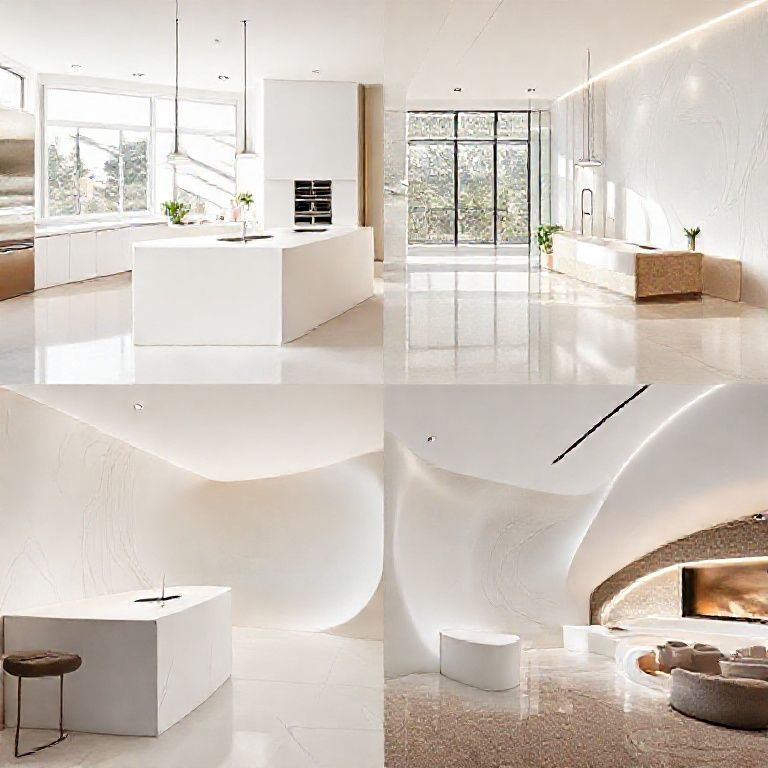
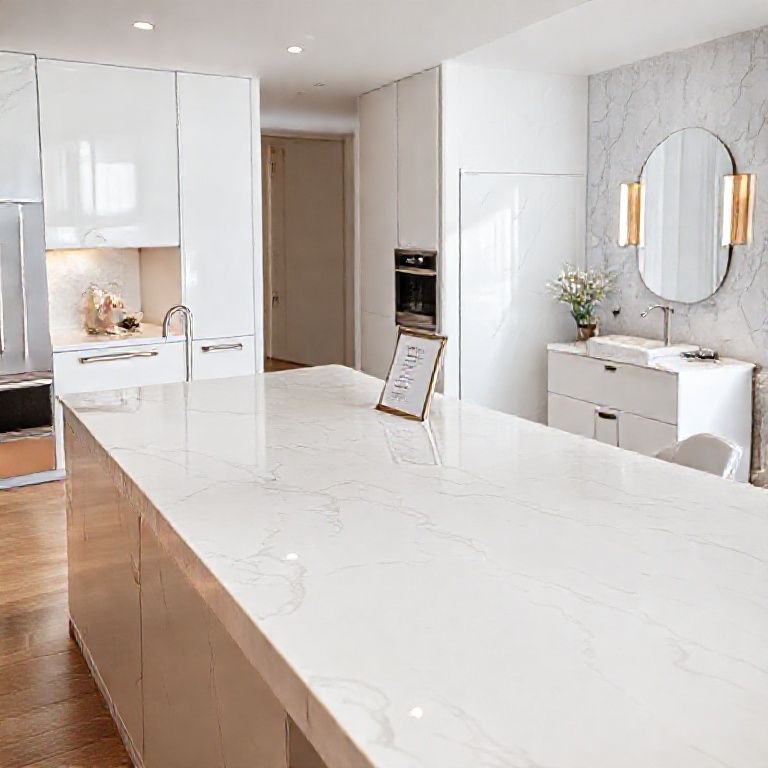
Unmatched Aesthetic Appeal: Natural marble boasts a unique, breathtaking beauty that is unmatched by any synthetic material. Each piece of natural marble features a distinct pattern and color, making it a one-of-a-kind work of art. The veins and swirls in natural marble add depth and character, elevating the visual appeal of any space.
Durability and Longevity: When properly cared for, natural marble can last for centuries, making it a wise investment for those looking for a long-lasting solution. Its natural hardness makes it resistant to scratches and dents, though it still requires careful maintenance to avoid staining and etching.
Versatility: Natural marble can be used in a wide range of applications, from countertops and flooring to kitchen backsplashes and bathroom fixtures. Its versatility makes it suitable for both traditional and contemporary designs.
Eco-Friendly: Natural marble is a sustainable material, as it is formed from natural geological processes over millions of years. It doesn’t involve any chemical processes, making it an eco-friendly choice for environmentally conscious consumers.
Cons:
Cost: Natural marble is significantly more expensive than artificial marble. The cost varies depending on the type, quality, and source of the marble, but it is generally much higher due to its rarity and the labor-intensive process required to extract and work it.
Maintenance: While natural marble is durable, it does require regular maintenance to keep its beauty intact. It is prone to staining, etching, and discoloration, especially when exposed to acidic substances. Regular sealing and cleaning are necessary to maintain its pristine appearance.
Fragility: Despite its durability, natural marble can still be fragile. It is susceptible to scratches and chips, especially in high-traffic areas. Proper care and handling are essential to prevent damage.
Availability: The supply of natural marble is limited, as it is sourced from specific geological formations around the world. This limited availability can make it difficult to find the exact type and color of marble you desire, and it may also lead to higher costs due to scarcity.
Artificial Marble: The Modern Alternative
Pros:
Cost-Effective: Artificial marble is significantly more affordable than natural marble. The cost varies depending on the brand and quality, but it is generally much lower due to the synthetic production process. This makes it an accessible option for a wide range of budgets.
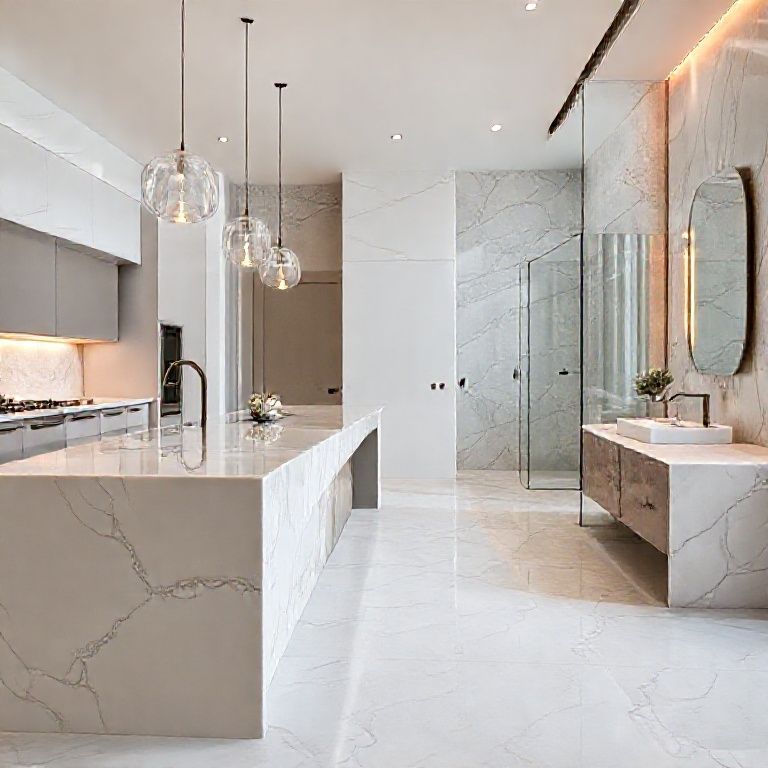
Customization: Artificial marble offers endless customization possibilities. It can be manufactured in virtually any color, pattern, and texture, allowing designers and homeowners to create unique and personalized designs. This versatility makes it ideal for modern, contemporary, and avant-garde styles.
Maintenance: Artificial marble is generally low-maintenance. It is resistant to stains, etching, and discoloration, as it doesn’t contain natural acids that can affect the surface. Regular cleaning with a mild detergent and water is usually sufficient to keep it looking fresh and new.
Durability: While artificial marble may not match the natural beauty of marble, it is highly durable and resistant to scratches, dents, and impact. It is an excellent choice for high-traffic areas where durability is a top priority.
Cons:
Aesthetic Appeal: Although artificial marble can mimic the appearance of natural marble, it lacks the unique and organic beauty that comes with natural stone. The patterns and colors may look convincing but don’t have the same depth and character as natural marble.
Environmental Impact: The production of artificial marble involves synthetic processes and chemicals, which can have a negative environmental impact. While it is not as harmful as other synthetic materials, it still contributes to pollution and waste.
Limited Versatility: While artificial marble is versatile, it may not be suitable for every application. Some designs and styles may look out of place with artificial marble, especially if they rely heavily on the natural beauty and character of marble.
Warranty and Quality: The quality of artificial marble can vary greatly depending on the manufacturer. While there are high-quality options available, some may come with shorter warranties and lower durability compared to natural marble.
Natural Marble vs. Artificial Marble: Making an Informed Decision
In the second part of our comparison, we’ll delve deeper into the practical aspects of choosing between natural marble and artificial marble for your home or commercial project. We’ll discuss factors such as installation, design considerations, and long-term considerations to help you make an informed decision.
Installation and Design Considerations
Natural Marble:
Installation: Installing natural marble requires specialized skills and equipment. It is typically cut and polished by hand, which can be time-consuming and labor-intensive. Professional installation is recommended to ensure a flawless finish.
Design: Natural marble is a versatile material that can complement a wide range of design styles. Its unique patterns and colors can add elegance and sophistication to both traditional and contemporary designs. However, the availability of specific types and colors may limit design options.
Artificial Marble:
Installation: Artificial marble is easier to install than natural marble. It comes in slabs or tiles that can be cut and installed with standard tools. Its uniformity makes it ideal for DIY projects, as it doesn’t require the same level of precision as natural marble.
Design: Artificial marble offers unparalleled design flexibility. Its customizable properties allow designers to create unique and innovative designs that can match any aesthetic vision. It is perfect for modern, contemporary, and avant-garde styles.
Long-Term Considerations
Natural Marble:
Cost Over Time: While natural marble is initially more expensive, its long-term cost can be lower due to its durability and longevity. With proper maintenance, natural marble can last for centuries, making it a wise investment in the long run.
Maintenance Over Time: The maintenance requirements for natural marble can be significant, especially in high-traffic areas. Regular sealing and cleaning are necessary to maintain its beauty and prevent damage. This ongoing maintenance can add to the long-term cost.
Artificial Marble:
Cost Over Time: Artificial marble is generally more cost-effective in the long run due to its lower upfront cost and lower maintenance requirements. Its durability and resistance to stains and damage make it a practical choice for those looking for a low-maintenance material.
Maintenance Over Time: The low-maintenance nature of artificial marble makes it ideal for long-term use. Regular cleaning with mild detergents is usually sufficient to keep it looking fresh and new. This minimal maintenance reduces the long-term cost and effort required to keep the material looking its best.
Environmental Impact and Sustainability
Natural Marble:
Environmental Impact: The extraction and processing of natural marble can have a significant environmental impact, including habitat destruction and the use of chemicals. However, natural marble is a sustainable material that is formed over millions of years, making it an eco-friendly choice in terms of its natural formation process.
Sustainability: Natural marble is a naturally occurring material that doesn’t involve synthetic processes. While its extraction can be environmentally damaging, it is a sustainable material in terms of its natural formation and longevity.
Artificial Marble:
Environmental Impact: The production of artificial marble involves synthetic processes and chemicals, which can have a negative environmental impact. While it is not as harmful as other synthetic materials, it still contributes to pollution and waste.
Sustainability: Artificial marble is not a sustainable material in the same way as natural marble. Its production involves synthetic processes and chemicals, which can have a negative impact on the environment. However, advancements in manufacturing processes are continually improving the sustainability of artificial materials.
Making an Informed Decision
When deciding between natural marble and artificial marble, it’s essential to consider your specific needs, preferences, and budget. Here are some key factors to help you make an informed decision:
Budget: If cost is a significant concern, artificial marble is generally more affordable. It offers a wide range of options that can fit various budgets without compromising on durability and low maintenance.
Design Preferences: If you value the unique and organic beauty of natural marble, it is a timeless and elegant choice that can complement any design style. However, if you want the ability to customize colors继续探讨选择自然大理石和人造大理石的决策过程,我们需要考虑更多的细节和具体应用场景。
这将帮助您更全面地理解这两种材料在不同环境中的表现,从而做出更明智的选择。
应用场景和具体考虑
自然大理石:
高端住宅和豪华装修: 自然大理石是高端住宅和豪华装修项目的首选材料。它能为室内空间增添高贵和典雅的氛围。例如,大理石台面、橱柜地板和浴室装饰常常使用最优质的大理石,以体现建筑的奢华感。
历史建筑和文化遗产保护: 自然大理石在历史建筑和文化遗产保护中发挥重要作用。它的天然美感和耐久性使其成为修复和保护古建筑的理想材料。例如,在修复古老的教堂、博物馆和古代建筑时,使用自然大理石能保持原有的历史氛围。
高档餐厅和酒店: 在高档餐厅和酒店,自然大理石常被用于餐桌、吧台和其他公共区域,以展现高品质和豪华感。它的独特纹理和色彩能增强空间的视觉效果,提升整体氛围。
人造大理石:
商业和公共空间: 人造大理石在商业和公共空间中广泛应用,如办公楼、商场、机场和车站。它的耐用性和易于维护的特点使其成为高流量环境的理想选择。例如,在商场和机场的地面和墙面装饰中,人造大理石能够承受大量人流和日常清洁。
现代住宅和小型空间: 在现代住宅和小型空间,人造大理石提供了经济实惠且美观的选择。它的多样化设计和低维护特性使其适合用于厨房台面、浴室装饰和地板。例如,在小户型厨房和浴室中,人造大理石可以提供现代感和美观的易于清洁和维护。
户外装饰和景观设计: 人造大理石在户外装饰和景观设计中也有广泛应用,如花园雕塑、步道和户外台阶。它的耐候性和耐久性使其成为户外环境的理想选择。
材料特性和技术进步
自然大理石:
天然美感和独特性: 自然大理石的最大特点在于其天然美感和独特性。每一块大理石都是独一无二的,具有自然的纹理和色彩。这种独特性使得自然大理石在高端装饰和艺术创作中占据重要地位。
耐久性和抗压性: 尽管自然大理石较容易受到酸性物质的影响,但它的硬度和抗压性使其能够承受较大的机械压力。在适当的维护下,自然大理石能够长期保持其美观和耐用性。
人造大理石:
高度定制化和多样化设计: 人造大理石的最大优势在于其高度定制化和多样化设计。通过添加不同的颜料和纤维,可以制造出各种各样的颜色和纹理,满足不同设计需求。例如,可以模仿自然大理石的外观,也可以创造出完全独特的设计。
先进的制造技术: 随着材料科学和制造技术的进步,人造大理石的质量和性能得到了显著提升。现代人造大理石在耐磨性、抗污性和抗冲击性方面都有了长足的进步,使其在许多应用场合中能够与自然大理石相媲美。
总结和最终建议
在选择自然大理石和人造大理石时,应综合考虑预算、设计需求、维护成本和具体应用场景。自然大理石适合那些追求高端、独特和经典美感的项目,而人造大理石则更适合追求经济实惠、多样化设计和低维护的需求。
无论选择哪种材料,都应该咨询专业人士,以确保选择最适合您项目的材料。专业人士可以根据您的具体需求和环境提供最佳的建议,帮助您做出最明智的决策。