Natural vs. Synthetic Marble: Unveiling the Advantages and Disadvantages
When it comes to selecting the perfect material for your flooring, countertops, or decorative elements, marble stands out as a timeless choice. Marble’s elegance and sophistication make it a popular choice for both residential and commercial projects. However, the debate between natural marble and synthetic marble often arises, each with its own set of advantages and disadvantages. In this first part, we will delve into the intrinsic qualities and the pros and cons of natural marble.
The Allure of Natural Marble
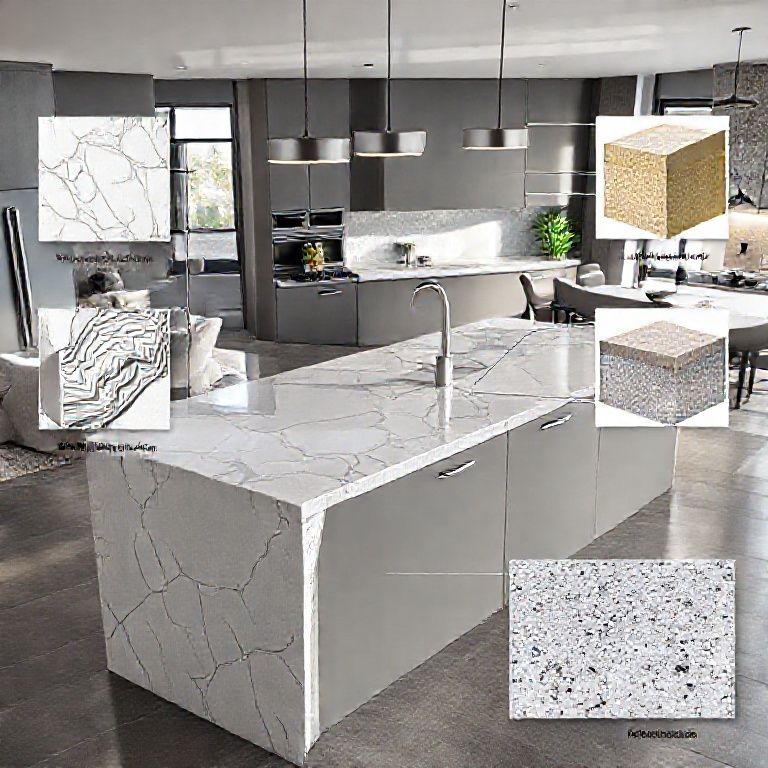
Natural marble, sourced directly from quarries, offers an unparalleled aesthetic appeal. Its unique veins and patterns create a one-of-a-kind look that can enhance the beauty of any space. The natural beauty of marble is a result of its formation over millions of years, which imbues it with a timeless charm that synthetic alternatives can’t quite replicate.
Advantages of Natural Marble
Aesthetic Uniqueness: The most striking feature of natural marble is its unique and irreplaceable pattern. Each slab of natural marble is different, which means no two pieces will look exactly the same. This uniqueness adds character and a sense of luxury to any space.
Timeless Beauty: Natural marble has been used for centuries in architectural and decorative projects. Its timeless beauty has made it a staple in the construction of grand buildings, temples, and public spaces around the world.
Durability: While natural marble is softer than other types of stone, it is still highly durable. With proper care, it can withstand daily wear and tear, making it an excellent choice for high-traffic areas.
Natural Finish: Natural marble has a natural finish that doesn’t require heavy processing. This means that it retains its natural beauty without the need for extensive polishing or sealing, which can be both cost and labor-intensive.
Disadvantages of Natural Marble
Cost: Natural marble is typically more expensive than synthetic alternatives due to its rarity and the costs associated with mining and transportation. This higher cost can be a deterrent for some projects.
Maintenance: Despite its durability, natural marble requires regular maintenance to prevent staining and damage. It needs to be sealed periodically to protect its surface and maintain its beauty.
Vulnerability to Acids: Natural marble is susceptible to damage from acids, which can cause etching and discoloration. This makes it important to avoid using acidic cleaning agents and to take precautions with substances that could damage the marble.
Weight and Handling: Marble slabs can be heavy and cumbersome to handle, especially during installation. This can make transportation and installation more challenging and costly.
Natural vs. Synthetic Marble: Unveiling the Advantages and Disadvantages
In the previous part, we explored the unique and enduring appeal of natural marble. Now, let’s turn our attention to synthetic marble, an alternative that has gained popularity in recent years. Synthetic marble combines the aesthetic qualities of natural marble with the durability and cost-effectiveness of man-made materials. In this second part, we will examine the advantages and disadvantages of synthetic marble.
The Rise of Synthetic Marble
Synthetic marble, also known as engineered marble, is created by combining natural stone with resins and pigments. This process allows manufacturers to replicate the look of natural marble while improving its durability and reducing costs. Synthetic marble has become a popular choice for those seeking the beauty of marble without the high price tag or maintenance demands.
Advantages of Synthetic Marble
Affordability: One of the most significant advantages of synthetic marble is its cost-effectiveness. By using a combination of natural stone and resin, manufacturers can produce marble that looks stunning while being more affordable than traditional natural marble.
Durability: Synthetic marble is generally harder than natural marble, making it more resistant to scratches, chips, and staining. This increased durability makes it a practical choice for high-traffic areas and commercial spaces where wear and tear are common.
Customization: With synthetic marble, manufacturers can customize the appearance to a great extent. You can choose specific colors, patterns, and textures that perfectly match your design vision. This level of customization allows for a high degree of creativity in your projects.
Ease of Installation: Synthetic marble is typically lighter than natural marble, making it easier to handle and install. This can save both time and labor costs during the installation process.
Resistance to Acids: Because synthetic marble is not made from a single type of stone, it is less susceptible to damage from acids compared to natural marble. This makes it a safer choice for areas where acidic substances are present.
Disadvantages of Synthetic Marble
Lack of Natural Appeal: While synthetic marble can closely mimic the appearance of natural marble, some purists argue that it lacks the unique and authentic beauty of natural stone. The uniformity in patterns and colors can make it appear less natural.
Longevity Concerns: Although synthetic marble is more durable than natural marble, some concerns have been raised about its longevity. Over time, the resin bonding agents used in synthetic marble may degrade, potentially affecting the surface and appearance of the material.
Environmental Impact: The production process of synthetic marble involves the use of resins and chemicals, which can have environmental impacts. While manufacturers strive to minimize these effects, there is still a concern about the overall ecological footprint of synthetic marble production.
Heat Resistance: Unlike natural marble, synthetic marble can be more prone to damage from heat. While it is still a durable material, prolonged exposure to high temperatures can cause discoloration and damage to the surface.
Maintenance: Although synthetic marble is more durable and easier to clean than natural marble, it still requires regular maintenance to keep it looking its best. Over time, it can accumulate grime and stains that may require professional cleaning to remove.
Conclusion
Choosing between natural and synthetic marble involves weighing the aesthetic appeal, durability, cost, and maintenance requirements of each option. Natural marble offers a timeless beauty and unique appearance that cannot be replicated, but it comes with a higher price tag and greater maintenance demands. Synthetic marble provides an affordable and durable alternative with customizable options, but it may lack the natural allure that some prefer.
Ultimately, the best choice depends on your specific needs, budget, and design goals. By understanding the advantages and disadvantages of both natural and synthetic marble, you can make an informed decision that enhances the beauty and functionality of your space. Whether you choose the timeless elegance of natural marble or the modern practicality of synthetic marble, both options offer stunning possibilities for your design projects.