Composition, Benefits, and Environmental Impact
In the world of interior design and architecture, marble remains one of the most coveted materials due to its timeless elegance and durability. However, the choice between natural marble and synthetic marble can be quite perplexing. Understanding the fundamental differences between these two materials is crucial not only for aesthetic reasons but also for health and environmental considerations.
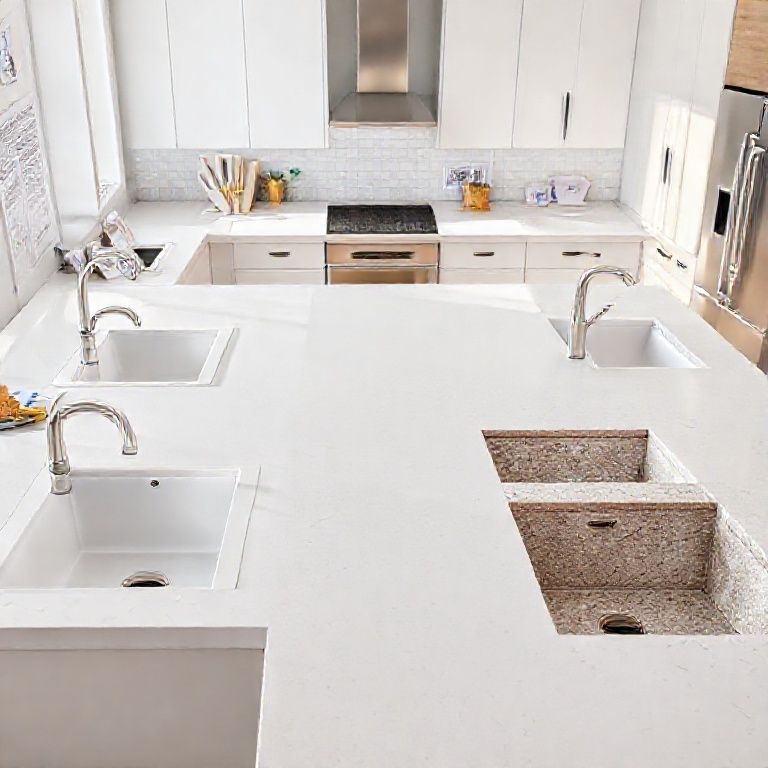
Natural Marble: The Time-Tested Classic
Natural marble is a metamorphic rock formed from limestone through a process involving high pressure and temperature. Its unique veining and coloration are the result of natural geological processes over millions of years. This intricate patterning gives natural marble its unparalleled beauty and individuality.
Composition and Quality: Natural marble is composed primarily of calcium carbonate, which is deposited in layers over time. This composition contributes to its high durability and resistance to scratches and stains. However, the exact pattern and color of natural marble are unique to each piece, making it a one-of-a-kind material.
Benefits:
Aesthetic Appeal: The natural veining and color variations in natural marble create a stunning, unique aesthetic that cannot be replicated by synthetic materials. This uniqueness adds a touch of luxury and sophistication to any space. Durability: Natural marble is renowned for its durability. Its ability to withstand heavy use and minor scratches makes it an excellent choice for high-traffic areas such as kitchens and bathrooms. Recyclability: Natural marble, being a natural resource, can be recycled. The process of recycling marble involves crushing it into smaller pieces and reusing them in new construction projects, thus reducing waste.
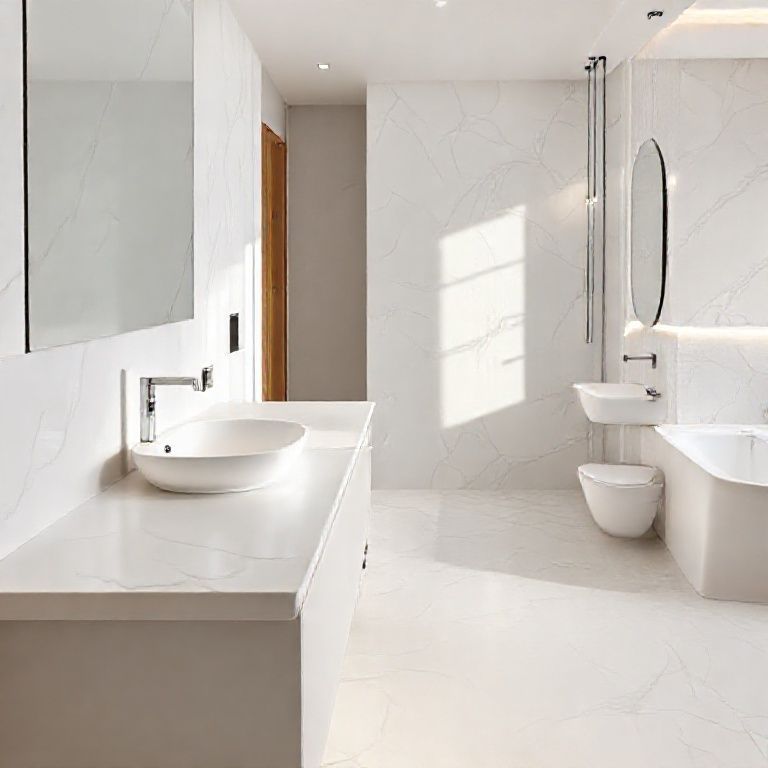
Health Considerations: One of the primary concerns with natural marble is the potential presence of heavy metals and other impurities. Although modern extraction processes minimize these risks, there can still be trace amounts of elements like arsenic and lead, which are harmful to human health if not properly managed.
Environmental Impact: Extracting natural marble involves significant environmental impacts. The process can lead to habitat destruction, soil erosion, and water pollution. However, responsible mining practices and the use of reclaimed marble can mitigate some of these effects.
Synthetic Marble: The Modern Alternative
Synthetic marble, also known as engineered marble or cultured marble, is a composite material created by combining various substances, typically including calcium carbonate, resin, and pigments. Unlike natural marble, synthetic marble is manufactured in a controlled environment, allowing for consistent quality and design.

Composition and Quality: Synthetic marble is made by combining natural stone powder with resin and other binding agents. The mixture is then poured into molds and cured under high pressure and temperature to form solid slabs. This process allows manufacturers to create marble with consistent color, pattern, and thickness.
Benefits:
Consistency: Synthetic marble offers a level of consistency that is difficult to achieve with natural marble. The exact same design can be replicated multiple times, ensuring uniformity across different projects. Design Flexibility: The manufacturing process allows for a wide range of colors, patterns, and textures, giving designers and homeowners more creative freedom. Durability and Maintenance: While synthetic marble is generally durable, it can be more susceptible to staining and scratches compared to natural marble. However, advances in technology have improved its resistance to these issues. Cost-Effectiveness: Synthetic marble is often more affordable than natural marble, making it a popular choice for large-scale projects where budget constraints are a concern.
Health Considerations: Synthetic marble is generally safer in terms of health risks. The manufacturing process allows for the elimination of heavy metals and other harmful substances, ensuring that the final product is safe for human contact.

Environmental Impact: The production of synthetic marble has a lower environmental impact compared to natural marble extraction. The manufacturing process is more controlled, and the use of recycled materials in the production can further reduce waste. Additionally, synthetic marble can be fully recycled at the end of its life cycle.
Conclusion: The choice between natural and synthetic marble hinges on various factors including aesthetic preferences, budget, and health considerations. Natural marble offers unmatched beauty and durability, but it comes with potential health risks and a significant environmental footprint. Synthetic marble, on the other hand, provides consistent quality, design flexibility, and a safer, more environmentally friendly option. Understanding these differences will help you make an informed decision that aligns with your needs and values.
Safety, Maintenance, and Long-Term Value
Having explored the fundamental differences in composition, benefits, and environmental impacts between natural and synthetic marble, we now delve deeper into the aspects of safety, maintenance, and long-term value. This will help you understand how each type of marble stands up to everyday use and whether it aligns with your lifestyle and long-term goals.
Safety:
Natural Marble: Natural marble’s safety profile can be a concern due to its composition and the potential presence of heavy metals. While modern extraction processes have minimized these risks, trace amounts of harmful elements such as lead and arsenic can still be present. It is essential to source natural marble from reputable suppliers who adhere to stringent safety and quality standards. Additionally, natural marble can be treated with sealants to reduce the risk of staining and to create a barrier against harmful substances.
Synthetic Marble: Synthetic marble is designed to be safer in terms of human health. The controlled manufacturing process allows for the removal of heavy metals and other contaminants, ensuring a safer product. Furthermore, synthetic marble can be manufactured with a variety of additives that enhance its safety and durability. This makes it an excellent choice for areas where safety is a top priority, such as kitchens, bathrooms, and public spaces.
Maintenance:
Natural Marble: Natural marble is known for its durability and resistance to scratches. However, it is also susceptible to staining and etching, which can be caused by acidic substances like lemon juice, vinegar, and some cleaning agents. Proper maintenance of natural marble involves regular cleaning with a mild, pH-neutral cleaner and avoiding abrasive pads or harsh chemicals. It is also crucial to use a high-quality sealant to protect the surface from stains and spills.
Synthetic Marble: Synthetic marble is designed to be more resilient to staining and scratches compared to natural marble. Its surface is typically harder, making it less prone to etching and damage from acidic substances. However, synthetic marble can still be scratched by abrasive materials, so it is important to avoid using harsh cleaning tools. Regular cleaning with a mild soap and water solution is usually sufficient to maintain the appearance of synthetic marble. Additionally, synthetic marble is generally more resistant to water stains and can be cleaned with a variety of household cleaners.
Long-Term Value:
Natural Marble: The long-term value of natural marble lies in its timeless appeal and durability. While it may require more maintenance compared to synthetic marble, its unique beauty and individuality make it a valuable investment. Natural marble retains its value well over time, especially when properly maintained. However, the cost of natural marble can be higher due to its rarity and the labor-intensive process of quarrying and polishing.
Synthetic Marble: Synthetic marble offers excellent long-term value due to its consistency, design flexibility, and cost-effectiveness. While it may not have the same timeless appeal as natural marble, its durability and resistance to staining make it a practical choice for many applications. The cost of synthetic marble is generally lower, making it accessible for a wide range of projects. Additionally, synthetic marble’s ability to mimic the look of natural marble without the associated risks and costs makes it an attractive option for budget-conscious consumers.
Sustainability and Future Trends:
Natural Marble: The sustainability of natural marble is a growing concern due to the environmental impact of its extraction. Quarrying natural marble can lead to habitat destruction, soil erosion, and water pollution. However, advancements in recycling and the use of reclaimed marble are helping to mitigate these effects. Additionally, responsible sourcing practices and certification programs can ensure that natural marble is harvested in an environmentally sustainable manner.
Synthetic Marble: Synthetic marble offers a more sustainable alternative to natural marble. The manufacturing process is more controlled, and the use of recycled materials can significantly reduce waste. Additionally, synthetic marble can be fully recycled at the end of its life cycle, making it an environmentally friendly option. As demand for sustainable materials grows, synthetic marble is likely to play a significant role in the future of interior design and architecture.
Conclusion:
When considering the choice between natural and synthetic marble, it is essential to weigh the benefits, safety, maintenance requirements, and long-term value of each option. Natural marble offers unmatched beauty and durability, but it comes with potential health risks and a significant environmental footprint. Synthetic marble, on the other hand, provides consistent quality, design flexibility, and a safer, more environmentally friendly option. By understanding these differences, you can make an informed decision that aligns with your needs, values, and long-term goals.
In the ever-evolving world of interior design and architecture, both natural and synthetic marble have their place. The choice ultimately depends on your specific requirements, budget, and environmental considerations. By exploring these aspects in detail,you can make a well-informed decision that will enhance the beauty, safety, and sustainability of your space for years to come.
Final Thoughts on Natural vs. Synthetic Marble
The debate between natural and synthetic marble often boils down to personal preference, budget constraints, and specific project requirements. Here’s a summary to help you decide which type of marble best suits your needs:
Aesthetic Considerations:
Natural Marble: Offers unparalleled beauty with its unique veining and color variations. Ideal for those looking to add a touch of luxury and elegance to their space. Synthetic Marble: Provides consistent patterns and colors, allowing for precise replication of natural marble designs. Great for those who want a marble look without the variability of natural stone.
Safety:
Natural Marble: May contain trace amounts of heavy metals, necessitating careful sourcing and treatment. Proper sealing and maintenance can mitigate these risks. Synthetic Marble: Designed to be safer, free from heavy metals and other harmful substances, making it a better choice for areas where safety is a priority.
Maintenance:
Natural Marble: Requires regular cleaning and sealing to prevent staining and etching. It’s a bit more demanding in terms of upkeep. Synthetic Marble: Generally easier to maintain, resistant to stains, and scratches, requiring only mild cleaning solutions.
Durability:
Natural Marble: Extremely durable and resistant to minor scratches, making it ideal for high-traffic areas. However, it can be susceptible to staining and etching. Synthetic Marble: While not as scratch-resistant as natural marble, advancements in technology have improved its durability. It is generally easier to maintain.
Cost:
Natural Marble: Typically more expensive due to its rarity and the labor-intensive process of extraction and polishing. Synthetic Marble: More cost-effective, making it accessible for a wide range of projects.
Environmental Impact:
Natural Marble: Extraction processes can have significant environmental impacts, including habitat destruction and water pollution. However, responsible sourcing and recycling can mitigate these effects. Synthetic Marble: Offers a more sustainable alternative, with lower environmental impact during production and the ability to be fully recycled.
Conclusion: Choosing between natural and synthetic marble ultimately depends on your specific needs and priorities. Natural marble provides a timeless elegance that is unmatched, but it comes with higher costs and maintenance requirements. Synthetic marble offers a practical, safer, and more environmentally friendly alternative with consistent quality and design flexibility.
When making your decision, consider factors such as the aesthetic appeal you desire, the level of maintenance you are willing to undertake, your budget, and the specific requirements of the space where the marble will be installed. By carefully weighing these elements, you can select the type of marble that will best enhance the beauty and functionality of your space.
Final Recommendations:
For Luxury and Unique Aesthetics: If you prioritize a one-of-a-kind look and are willing to invest in the maintenance and costs associated with natural marble, this is the way to go. For Safety and Cost-Effectiveness: If safety, consistency, and budget are your main concerns, synthetic marble is the ideal choice. For Sustainability: If environmental sustainability is a priority, synthetic marble offers a more eco-friendly option with a lower environmental impact.
By understanding these nuances, you can make an informed choice that aligns with your lifestyle, values, and long-term goals, ensuring that your choice of marble will stand the test of time.