Part 1
Restoring the Original Sheen: Can Artificial Stone Countertops Be Sanded, Polished, and Dry-Polished to Their Original Color?
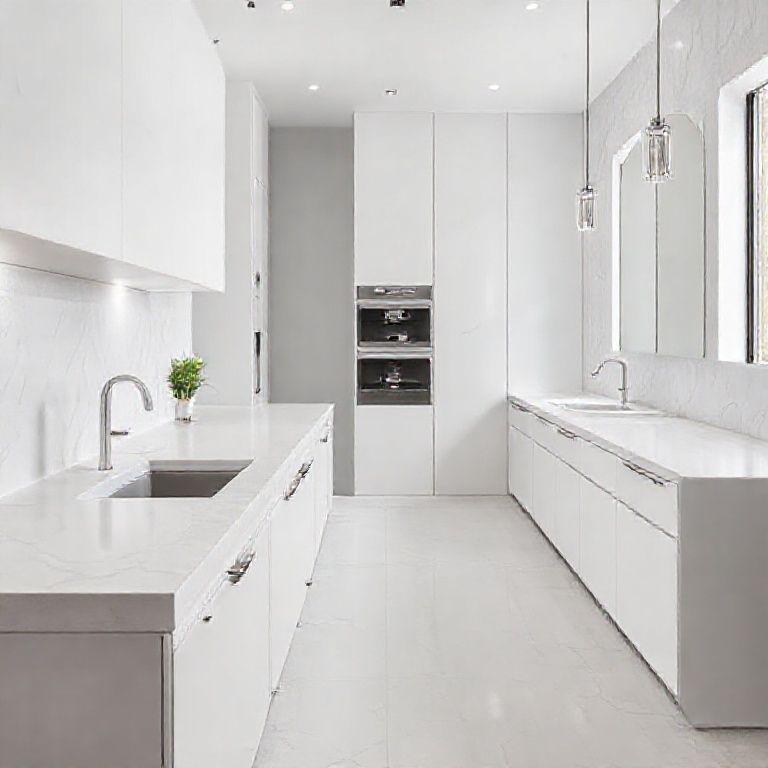
Artificial stone countertops have become a popular choice for modern kitchens and bathrooms due to their durability, ease of maintenance, and aesthetic appeal. These countertops, often made from a composite of limestone, marble, and quartz, offer a range of colors and textures that mimic natural stone while being more resilient to scratches and stains. However, like any surface, artificial stone can eventually show signs of wear and tear, leading to questions about restoration and color recovery. Can these countertops be sanded, polished, and dry-polished to regain their original color? Let’s delve into the intricate process and techniques that can breathe new life into your artificial stone surfaces.
Understanding Artificial Stone Countertops
Artificial stone, often referred to as cultured stone, is crafted from a blend of natural stone powders and resins, which are then molded and cured under heat and pressure. This composite material results in a surface that combines the beauty of natural stone with the practicality of a more durable, low-maintenance option. The key advantage of artificial stone is its resistance to scratches, stains, and impact, which makes it a favored choice in high-traffic areas. However, over time, even the most resilient surfaces can develop imperfections that might affect their appearance.
Why Color Restoration is Important
Color uniformity is crucial for the visual appeal of artificial stone countertops. When discoloration occurs, it can detract from the overall aesthetic of a kitchen or bathroom. This can happen due to several factors, such as prolonged exposure to sunlight, accumulation of mineral deposits, or simply the wear and tear from daily use. Restoring the original color not only enhances the visual appeal but also adds value to the space and the property. Therefore, understanding how to effectively restore the original color is essential for maintaining the beauty and functionality of artificial stone countertops.
Sanding Artificial Stone Countertops
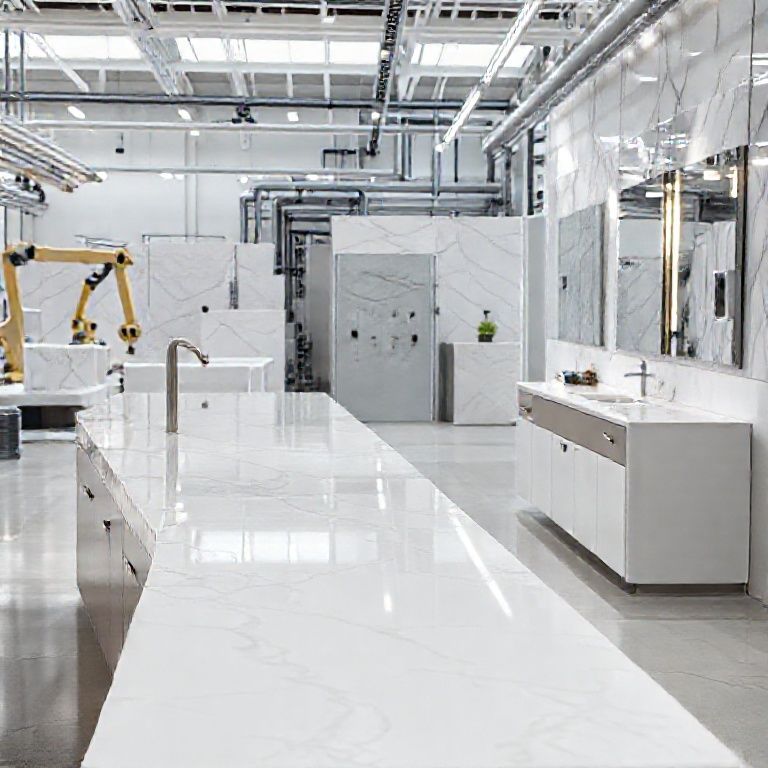
Sanding is a common technique used to restore the surface of artificial stone countertops. It involves removing the top layer of the material to eliminate scratches, stains, and discoloration. The process typically requires specialized sandpaper or a sanding machine to ensure even and effective sanding. Here’s a detailed look at the sanding process:
Preparation: Begin by cleaning the countertop thoroughly to remove any dust, grease, or debris. Use a mild detergent and a soft cloth. Identify the areas that require sanding and mark them if necessary. Sanding Process: Use a coarse-grit sandpaper to start, gradually moving to finer grits. This progressive sanding helps to achieve a smooth finish. Sand in the direction of the grain to avoid scratches and ensure an even surface. Pay attention to the edges and corners where discoloration might be more pronounced. Post-Sanding: After sanding, clean the surface again to remove any sanding dust. To prepare for polishing, lightly buff the surface with a soft cloth.
Polishing Artificial Stone Countertops
Polishing is the next step in the restoration process, aimed at bringing back the original sheen and color of the artificial stone. Polishing involves the use of abrasive compounds and polishing pads or machines to smooth out the surface and enhance its appearance. Here’s how to polish artificial stone countertops effectively:
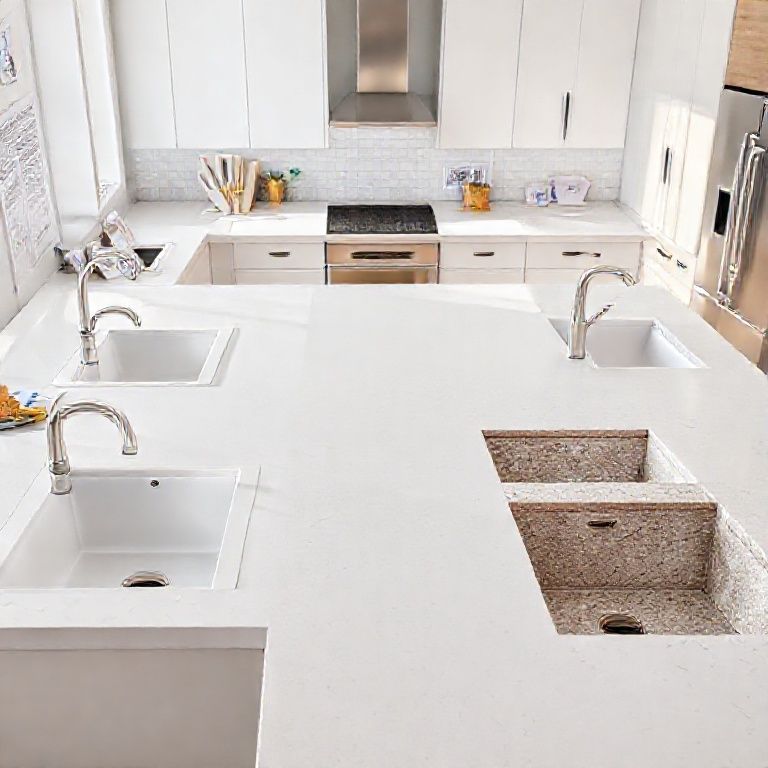
Selecting the Right Polish: Choose a polish specifically formulated for artificial stone. These products are designed to restore the color and shine without damaging the surface. Polishing Technique: Apply a small amount of polish to a polishing pad. Gently rub the polish into the surface using circular motions. Continue polishing until the surface is smooth and the color is restored to its original vibrancy. Final Buffing: Once the polishing is complete, buff the surface with a clean, soft cloth to remove any residue and to bring out the final shine.
Dry-Polishing Artificial Stone Countertops
Dry-polishing is a modern technique that uses a specialized machine or pad coated with a polishing compound. Unlike wet polishing, dry-polishing does not require water or additional liquids, which helps to prevent any potential damage to the artificial stone. Here’s an overview of the dry-polishing process:
Dry-Polishing Machine: Use a dry-polishing machine or a pad coated with a dry-polishing compound. Set the machine to a medium speed to avoid overheating the surface. Move the machine or pad in a consistent, circular motion over the countertop. Advantages of Dry-Polishing: It helps to restore the color without the risk of water damage. It is less messy and requires less cleanup compared to wet polishing. The process can often achieve a high level of shine and color restoration. Final Touches: After dry-polishing, buff the surface with a clean cloth to ensure it is free of any residue. Inspect the countertop to ensure that the color restoration is uniform and the surface is smooth.
Maintenance Tips for Artificial Stone Countertops
To maintain the restored color and shine of your artificial stone countertops, regular care and maintenance are essential. Here are some tips to keep your countertops looking their best:
Regular Cleaning: Use a mild, non-abrasive cleaner and a soft cloth to wipe down the surface daily. Avoid using harsh chemicals or abrasive cleaners that can scratch or stain the surface. Immediate Stain Removal: Address spills and stains immediately to prevent them from setting in. Blot spills with a clean cloth and apply an appropriate cleaner. Avoiding Heat Sources: Place trivets or heat-resistant pads under hot pots and pans to protect the surface from direct heat, which can cause discoloration. Periodic Polishing: For added protection and to maintain the shine, consider polishing the countertops periodically, especially if they are in high-traffic areas.
Conclusion
Restoring the original color of artificial stone countertops through sanding, polishing, and dry-polishing is not only possible but also relatively straightforward with the right techniques and tools. By understanding the materials and methods involved, you can effectively rejuvenate your countertops and ensure they maintain their beauty and functionality for years to come. Regular maintenance and proper care will further enhance the longevity and appearance of your artificial stone surfaces, making them a lasting addition to your home.