Discover the transformative power of a kitchen makeover with a new countertop. From the selection of materials to the step-by-step installation process, this guide will provide you with all the insights you need to elevate your kitchen’s aesthetics and functionality. Dive into the world of kitchen remodeling and learn how a new countertop can breathe new life into your home.
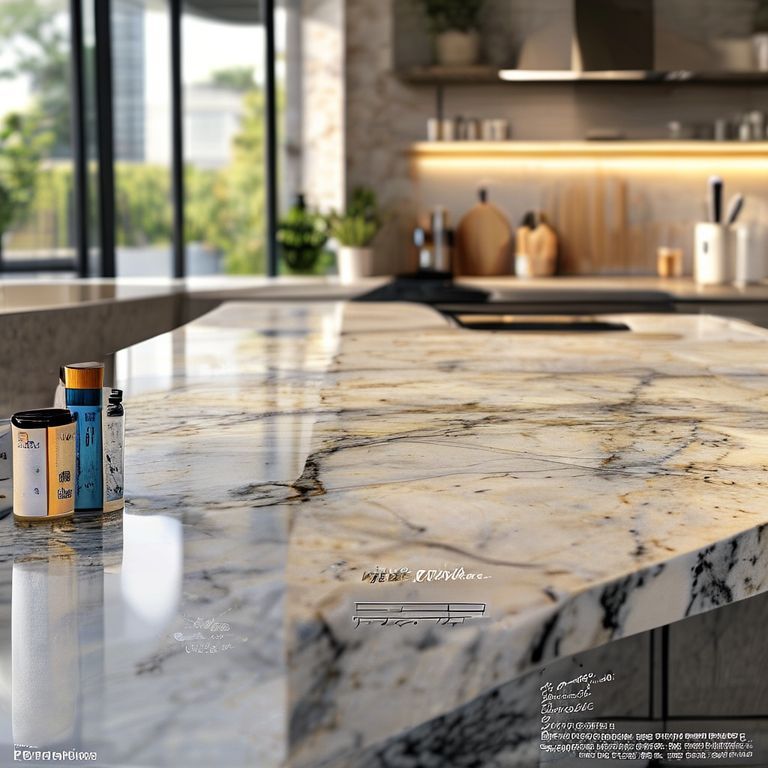
Revamp Your Kitchen with a New Countertop: A Comprehensive Guide
Introduction: When it comes to home improvement, few changes can have as significant an impact as updating your kitchen’s countertop. A well-chosen countertop can enhance both the aesthetics and functionality of your kitchen, making it an inviting space for cooking and gathering. Whether you’re a DIY enthusiast or considering professional help, this guide will walk you through everything you need to know about kitchen countertop replacement.
Why Update Your Kitchen Countertop?
Aesthetic Appeal: A new countertop can dramatically change the look of your kitchen. Modern designs, vibrant colors, and unique materials can completely overhaul your kitchen’s appearance, making it more contemporary and stylish.
Durability: Modern countertops are designed to be more durable than ever before. Choosing a high-quality material ensures that your kitchen will withstand the wear and tear of daily use.
Functionality: An updated countertop can also improve the functionality of your kitchen. Features like built-in cutting boards, integrated sinks, and additional storage can make cooking and meal preparation more efficient.
Choosing the Right Countertop Material: Selecting the right material for your countertop is a crucial decision that will affect both the appearance and longevity of your kitchen.
Granite: Known for its durability and timeless elegance, granite countertops are a popular choice. They are highly resistant to heat, stains, and scratches, making them ideal for busy kitchens.
Quartz: A relatively new entrant, quartz countertops have gained popularity due to their low maintenance and high durability. They come in an extensive range of colors and patterns, providing a luxurious feel without the high cost of granite.
Marble: While more expensive, marble countertops offer a classic and sophisticated look. However, they require careful maintenance to avoid staining and damage.
Slate: Slate countertops are known for their natural beauty and durability. They are also relatively affordable compared to granite and marble, making them a great option for those looking for a unique look.
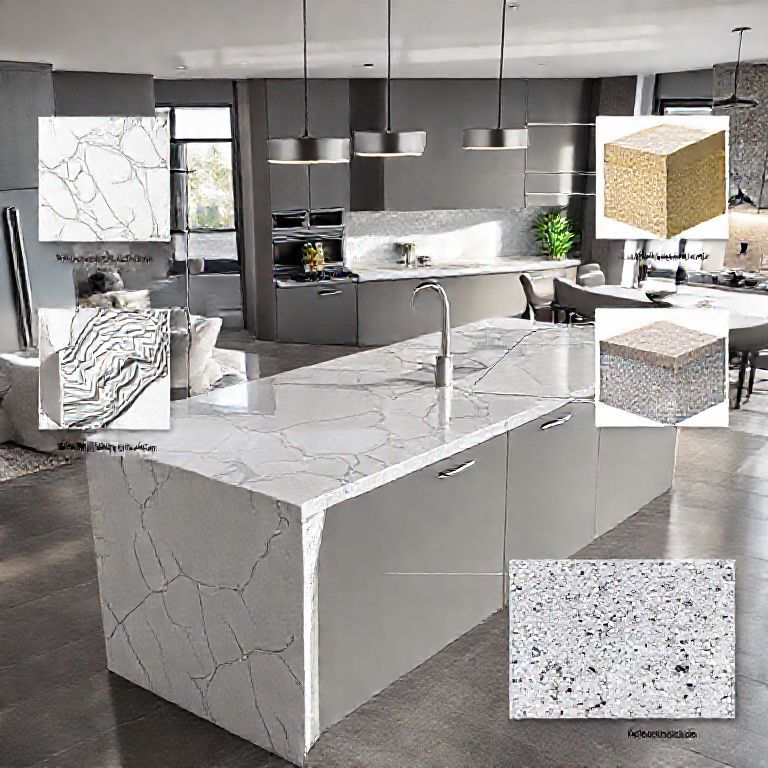
Corian: This synthetic material is known for its durability and resistance to scratches, stains, and heat. It’s also relatively easy to clean and maintain, making it a practical choice for many homeowners.
Wood: For those looking for a natural, warm look, wood countertops are an excellent option. However, they require regular maintenance to prevent warping and staining.
Design Considerations: When choosing a countertop, it’s essential to consider how it will complement the rest of your kitchen design.
Color and Patterns: The color and pattern of your countertop should harmonize with your existing cabinetry, flooring, and other decor elements. Lighter colors can make a kitchen appear larger, while darker colors can add warmth and depth.
Shape and Edges: The shape and edge style of your countertop can also impact its look. Smooth, rounded edges are modern and stylish, while square or beveled edges can add a classic touch.
Customization: Many materials offer customization options, such as custom colors, shapes, and patterns. This can help you create a one-of-a-kind countertop that perfectly matches your vision.
Budgeting for Your Project: One of the biggest concerns for any home improvement project is the budget. Countertops can vary widely in price based on material, complexity, and labor costs.
Material Costs: As mentioned, different materials have different price points. Granite and marble are generally more expensive than Corian and wood.
Installation Costs: Professional installation can add to the overall cost. If you plan to do the installation yourself, ensure you have the necessary tools and knowledge to avoid costly mistakes.
Additional Costs: Don’t forget to account for additional costs such as cutting, shaping, and finishing the countertop. These can vary based on the complexity of your design.
Planning Your Project: Proper planning is key to a successful kitchen countertop replacement.
Measure Your Space: Accurate measurements of your countertop area are crucial. This ensures that you choose a countertop that fits perfectly and allows for any necessary adjustments.
Design Your Layout: Before purchasing your countertop, create a layout that includes your new countertop, cabinets, and any other elements in your kitchen. This will help you visualize the final look and make any necessary adjustments.
Get Quotes: If you’re considering professional installation, get quotes from multiple contractors. Compare their prices, experience, and reviews to find the best fit for your project.
DIY vs. Professional Installation: Deciding between DIY and professional installation is an important step in planning your kitchen remodel.
DIY Installation: For those who are handy and enjoy a challenge, DIY installation can be a cost-effective way to replace your kitchen countertop. However, it’s essential to carefully read the manufacturer’s instructions and ensure you have all the necessary tools and skills.
Professional Installation: Professional installation can ensure a precise and high-quality result. While it may be more expensive, the peace of mind and expertise it offers can be well worth the investment, especially for complex installations.
Conclusion: Upgrading your kitchen countertop is a significant home improvement project that can greatly enhance both the appearance and functionality of your kitchen. By carefully selecting the right material, considering design elements, and planning your project effectively, you can achieve a beautiful and practical kitchen that will serve you for years to come. Whether you choose to tackle the project yourself or hire a professional, the results can be truly transformative.
Revamp Your Kitchen with a New Countertop: A Comprehensive Guide
Installation Process:
Preparation: Before beginning the installation process, thorough preparation is crucial to ensure a smooth and successful project.
Clear the Area: Remove all items from the countertop area. This includes appliances, kitchenware, and any other objects that may get in the way or get damaged.
Protect Surrounding Areas: Use protective sheets or plastic to cover floors, walls, and other surfaces that may be at risk of getting damaged by dust, debris, or accidental spills.
Gather Tools and Materials: Depending on whether you’re doing the installation yourself or hiring a professional, gather all necessary tools and materials. For DIY projects, this may include saws, drills, measuring tape, level, adhesive, and countertop pieces.
Cutting and Fitting: Properly fitting the countertop is essential for a seamless look and functionality.
Measure and Mark: Accurately measure the countertop area and mark the edges where the countertop will fit. Use a pencil or chalk to make these marks visible.
Cutting the Countertop: Depending on the material and design, you may need to cut the countertop to fit. Use the appropriate saw for the material you’re working with. Granite and quartz, for example, require a wet saw, while wood can be cut with a circular saw.
Fitting the Countertop: Carefully place the countertop into the marked area. Ensure it fits snugly and make any necessary adjustments. Use a level to ensure the countertop is even.
Installation Steps:
Adhesive Application: If your countertop requires adhesive, apply it to the sub-countertop (the base layer) using a notched trowel. Ensure an even application to avoid any weak spots.
Securing the Countertop: Carefully place the countertop onto the adhesive and press down firmly to ensure it sticks properly. Use weights or clamps to hold the countertop in place while the adhesive sets.
Removing Excess Adhesive: Once the countertop is securely in place, remove any excess adhesive from the edges using a putty knife or similar tool.
Sealing Edges: For materials like granite and quartz, seal the edges to prevent staining and water damage. Use a high-quality sealant specifically designed for the material.
Final Touches:
Installing Backsplashes and Trim: If your countertop design includes a backsplash or trim, install these elements after the countertop is secure. This often involves measuring, cutting, and attaching the backsplash or trim with adhesive or screws.
Connecting to Cabinets: Ensure the countertop is properly connected to the cabinets. This may involve securing it with screws, adhesive, or other fasteners, depending on the design.
Cleaning Up: Once the installation is complete, clean up the work area. Remove any protective coverings and clean the countertop with a suitable cleaner to remove any adhesive residue.
Post-Installation Care:
Allow Time to Set: Give the adhesive and sealant time to fully cure. Follow the manufacturer’s instructions for curing times to ensure the best results.
Regular Maintenance: Regardless of the material, regular maintenance is essential to keep your countertop looking its best. Use appropriate cleaners and avoid abrasive materials that can scratch or stain the surface.
材料选择
1. 石英石 (Quartz):
优点: 耐刮擦、耐热、耐污渍,维护简单。 缺点: 价格相对较高。
2. 花岗岩 (Granite):
优点: 非常耐用,外观多样,经典且高档。 缺点: 较重,需要定期密封以防止污渍。
3. 人造石 (Composite/Corian):
优点: 耐刮擦,耐热,维护简单,价格适中。 缺点: 通常比花岗岩和石英石耐用性稍差。
4. 不锈钢 (Stainless Steel):
优点: 非常耐用,易于清洁,现代感强。 缺点: 可能会留下指纹和划痕。
5. 木质 (Wood):
优点: 自然美观,热质感强。 缺点: 需要定期维护,易受潮、变形,并容易产生划痕和污渍。
设计与风格
1. 现代风格:
特点: 简洁、线条明快,常用石英石、不锈钢等材料。 建议: 如果你喜欢简约和时尚,可以选择这种风格。
2. 传统风格:
特点: 经典、厚重,常用花岗岩、大理石等材料。 建议: 适合喜欢传统设计的人,显得庄重大方。
3. 乡村风格:
特点: 自然、温馨,常用木质、大理石等材料。 建议: 如果你喜欢乡村田园风,可以考虑木质台面。
预算
1. 高端材料:
如果预算充足,可以选择花岗岩或高端石英石,这些材料不仅外观华丽,还非常耐用。
2. 中端材料:
人造石和中档石英石是性价比较高的选择,既美观又耐用。
3. 低端材料:
不锈钢和一些廉价的人造石也是不错的选择,特别是对于预算有限的人。
安装与维护
1. 专业安装:
如果你不具备专业的安装技能,最好请专业人员来安装,以确保台面的牢固和美观。
2. 日常维护:
不同材料需要不同的维护方法,如石英石和人造石不需要密封,但花岗岩需要定期密封,木质台面需要定期打蜡。
环保与安全
1. 环保材料:
选择环保材料,如低VOC(挥发性有机化合物)的产品,有助于减少对家庭成员健康的影响。
2. 安全性:
确保材料耐热性强,防止烹饪过程中出现意外。
总结
选择新厨房台面是一个综合考虑材料、设计、预算、安装和维护等多方面因素的决定。通过详细了解这些因素,你可以做出最适合你家庭需求和喜好的选择。希望这些信息对你有所帮助,如果有更具体的问题或需要进一步的建议,请随时告知!