In today’s fast-paced world, the kitchen stands as the heart of any home. It’s a place where families gather, meals are prepared, and countless memories are made. A well-designed kitchen can significantly elevate the aesthetic and functionality of your home. One of the most transformative upgrades you can make to your kitchen is installing artificial stone countertops. This luxurious material offers durability, style, and a host of benefits that make it a favorite among homeowners and designers alike.
The Cost Factor: What to Expect
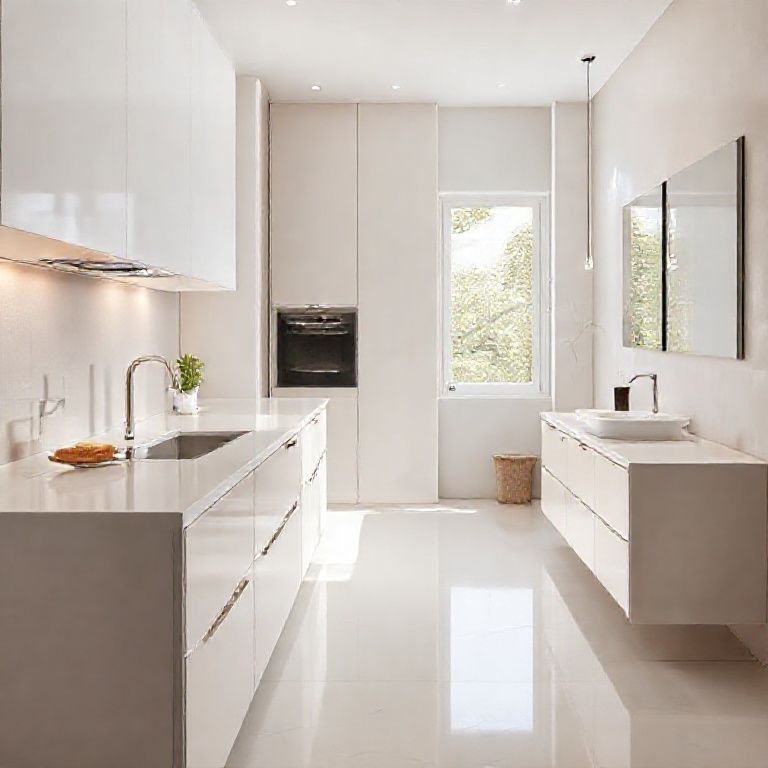
Understanding the cost of artificial stone countertops is crucial when planning your kitchen renovation. The price of artificial stone can vary based on several factors, including the type of material, design complexity, and labor costs. Generally, artificial stone countertops range from $30 to $80 per square foot. This wide range is due to the variety of colors, textures, and finishes available. High-end designs and custom cuts can push the cost higher, while more straightforward designs and basic colors might be on the lower end.
Labor costs also play a significant role in the overall expense. Professional installation ensures that the countertops are seamlessly integrated into your kitchen, providing a polished finish. The cost of labor can range from $1 to $3 per square foot, depending on the complexity of the installation and the expertise of the installer.
Material Quality and Durability
One of the primary reasons for choosing artificial stone countertops is their exceptional durability. Unlike natural stone, which can be prone to stains and scratches, artificial stone is engineered to withstand everyday wear and tear. It’s resistant to heat, cold, and water, making it ideal for high-traffic areas like kitchens. This durability ensures that your countertops will maintain their pristine appearance and functionality for years to come.
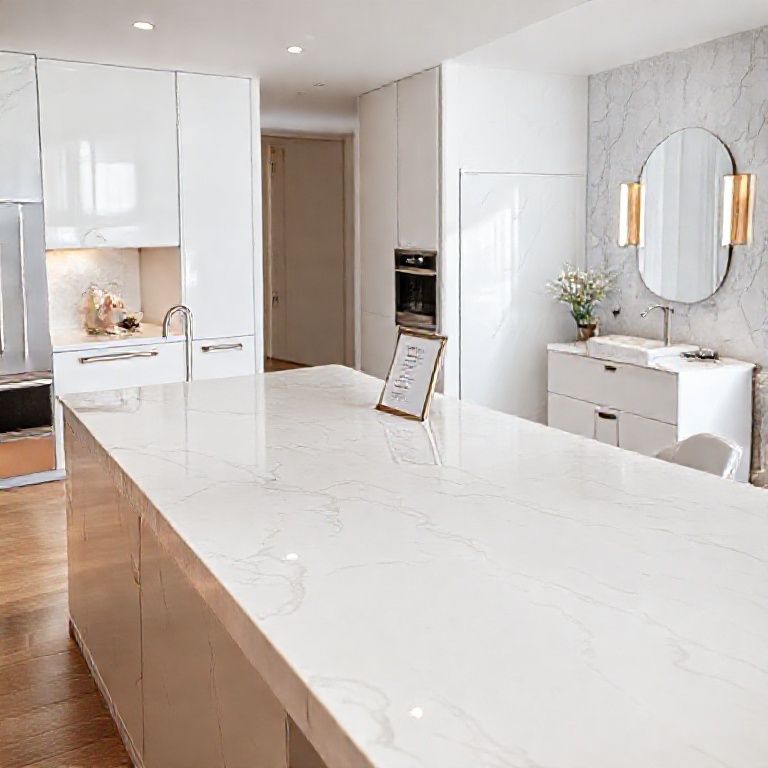
Artificial stone is also easier to clean and maintain. Unlike natural stone, which may require special sealing agents to prevent staining, artificial stone countertops are generally low-maintenance. A simple wipe with a damp cloth and mild soap is usually sufficient to keep them looking their best.
Design Versatility and Aesthetics
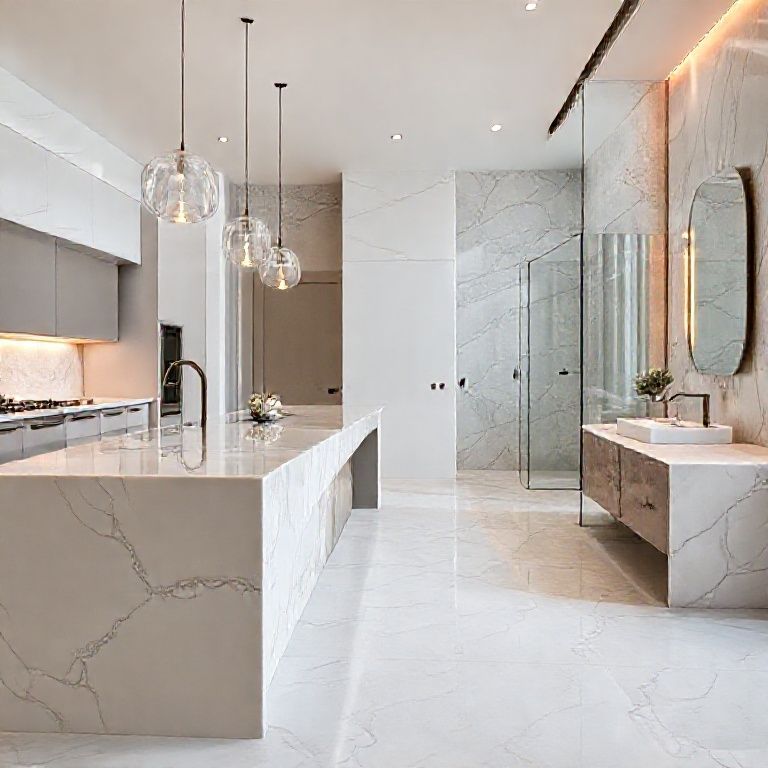
Artificial stone countertops offer unparalleled design versatility. With thousands of color options and patterns available, you can choose a countertop that perfectly matches your kitchen’s style and color scheme. Whether you prefer a sleek, modern look or a more traditional design, artificial stone can be molded to fit your vision.
The aesthetic appeal of artificial stone countertops is another major advantage. They mimic the natural beauty of stone while providing a more consistent and uniform look. The ability to create intricate designs and patterns means that you can have custom-cut pieces that blend seamlessly into your kitchen décor.
Environmental and Economic Benefits
In addition to their durability and aesthetic appeal, artificial stone countertops offer significant environmental and economic benefits. Since they are made from recycled materials, artificial stone is an eco-friendly option that reduces waste and promotes sustainability. This makes it a responsible choice for environmentally conscious homeowners.
Economically, artificial stone is often more affordable than natural stone, especially when considering the long-term savings from reduced maintenance and fewer repairs. While the initial cost might be higher than some other materials, the longevity and low-maintenance nature of artificial stone make it a cost-effective choice in the long run.
Choosing the Right Artificial Stone
When selecting artificial stone for your kitchen countertops, it’s important to choose a high-quality product. Look for materials that are made from a combination of natural stone dust and polymer resins. This blend ensures that the countertops are durable, aesthetically pleasing, and easy to maintain.
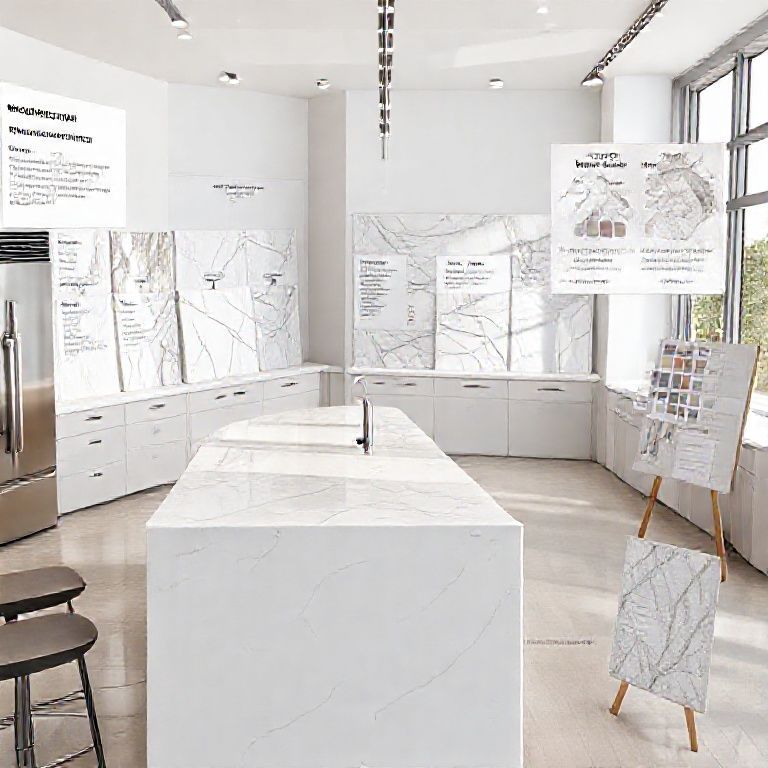
It’s also beneficial to consider the brand and reputation of the manufacturer. Established brands often provide better quality and more reliable products. Reading reviews and seeking recommendations from other homeowners can help you make an informed decision.
Conclusion
Artificial stone countertops are an excellent choice for anyone looking to upgrade their kitchen. They offer a perfect blend of style, durability, and low maintenance, making them a practical and attractive option. While the cost may be higher than some alternatives, the long-term benefits and the ability to create a stunning kitchen space make it well worth the investment.
In the next part of our guide, we will delve deeper into the installation process, maintenance tips, and additional benefits of artificial stone countertops. Stay tuned to learn how you can achieve a stunning kitchen transformation with this remarkable material.
Continuing from where we left off, this part of our guide will explore the installation process, maintenance tips, and additional benefits of artificial stone countertops. By understanding these aspects, you’ll be better equipped to make an informed decision and ensure a successful kitchen renovation.
Installation Process
The installation of artificial stone countertops is a detailed process that requires professional expertise to ensure a seamless and polished finish. Here’s a step-by-step overview of what to expect:
Measurement and Ordering: The first step involves measuring the area where the countertops will be installed. Accurate measurements are crucial to ensure a proper fit. Once the measurements are taken, you can order the artificial stone according to your design specifications.
Surface Preparation: Before installing the countertops, the existing surface must be prepared. This typically involves removing old countertops, cabinetry, and any obstructions. The surface should be clean, smooth, and free of any debris to ensure a proper bond between the artificial stone and the cabinet.
Cutting and Fitting: Once the surface is prepared, the artificial stone is cut to fit the space. Professional installers will use specialized tools to make precise cuts. Custom cuts may be necessary to accommodate unique shapes and sizes.
Installation: The installation process involves securing the artificial stone to the cabinets. This is typically done using adhesives or mechanical fasteners, depending on the design and manufacturer’s recommendations. The installers will ensure that the countertops are level and properly aligned.
Sealing and Finishing: After the countertops are securely in place, they are sealed to protect the surface and enhance its appearance. The sealing process ensures that the countertops are resistant to stains, scratches, and moisture. Finally, any necessary finishing touches, such as edge trimming, are completed.
Maintenance Tips
Maintaining your artificial stone countertops is straightforward, making them a low-maintenance choice for busy homeowners. Here are some essential maintenance tips to keep your countertops looking their best:
Regular Cleaning: A simple wipe with a damp cloth and mild soap is usually sufficient to clean artificial stone countertops. Avoid using abrasive cleaners or scrubbers, as these can scratch the surface.
Stain Prevention: To prevent stains, it’s a good idea to place trivets or pot holders on hot pots and pans. This will prevent direct contact with the countertop, reducing the risk of staining.
Immediate Spill Cleanup: Spills should be cleaned up immediately to prevent stains. If a spill does occur, wipe it up with a damp cloth and mild soap as soon as possible.
Avoiding Sharp Objects: To avoid scratches, avoid placing sharp objects directly on the countertops. Using cutting boards and other protective surfaces when preparing food can help maintain the surface’s integrity.
Additional Benefits
Beyond the initial cost, installation, and maintenance, artificial stone countertops offer numerous additional benefits that make them a top choice for modern kitchens:
Heat Resistance: Artificial stone countertops are highly resistant to heat, making them ideal for kitchens where hot pots and pans are frequently used. Unlike other materials that may warp or crack under heat, artificial stone maintains its shape and appearance.
Water Resistance: While artificial stone is water-resistant, it’s important to avoid prolonged exposure to water. Occasional spills can be cleaned up easily, but continuous moisture can damage the material over time. Ensuring that water is not left to sit on the surface is crucial for maintaining its integrity.
Customization Options: One of the most attractive features of artificial stone is the ability to customize designs. From unique patterns to custom shapes, artificial stone can be tailored to fit any kitchen design vision. This flexibility allows for endless creative possibilities.
Affordability Over Time: While the initial investment in artificial stone countertops might be higher than some other材料,它们的长期耐用性和低维护需求使其在长期使用中更加经济实惠。
相比之下,其他材料如大理石或花岗岩可能需要更频繁的维护和修复,从而增加了整体成本。
环保性: 人造石通常由回收的天然石材和其他废弃材料制成,这使得它们成为比传统天然石材更加环保的选择。这不仅减少了对自然资源的开采,还减少了废弃物的产生。
多样性: 人造石的颜色和纹理选择非常广泛,可以模仿多种天然石材的外观,从而提供了设计上的多样性。这使得设计师和家庭主人能够根据个人喜好和空间需求选择最适合的外观。
安全性: 由于人造石不容易裂缝或分解,它在安全性方面表现优异。这对于有小孩或宠物的家庭来说是一个重要的考虑因素。
易于安装: 人造石通常比天然石材更轻,这简化了安装过程,并减少了对建筑结构的要求。专业安装也更为简单,能够确保更高质量的安装效果。
结论
人造石台面在现代厨房设计中越来越受欢迎,这不仅是因为它们提供了高度的美观性和设计灵活性,还因为它们在耐用性、维护需求和环保方面具有明显优势。虽然初始成本可能较高,但其长期的经济效益和低维护特性使其成为一项值得投资的升级选择。如果你正在考虑为你的厨房进行翻新,人造石台面无疑是一个值得考虑的优秀选择。