Revamp Your Kitchen: Is It Worth Replacing Your Kitchen Countertop?
The kitchen is often referred to as the heart of the home, and its centerpiece is undoubtedly the kitchen countertop. It’s where meals are prepared, meals are enjoyed, and countless activities unfold daily. Over time, the countertop can wear out, lose its charm, or no longer meet your needs. So, when you find yourself pondering, “厨房台面装好了能换吗” – “After having the kitchen countertop installed, is it worth replacing?” – it’s time to explore the possibilities and benefits in greater detail.
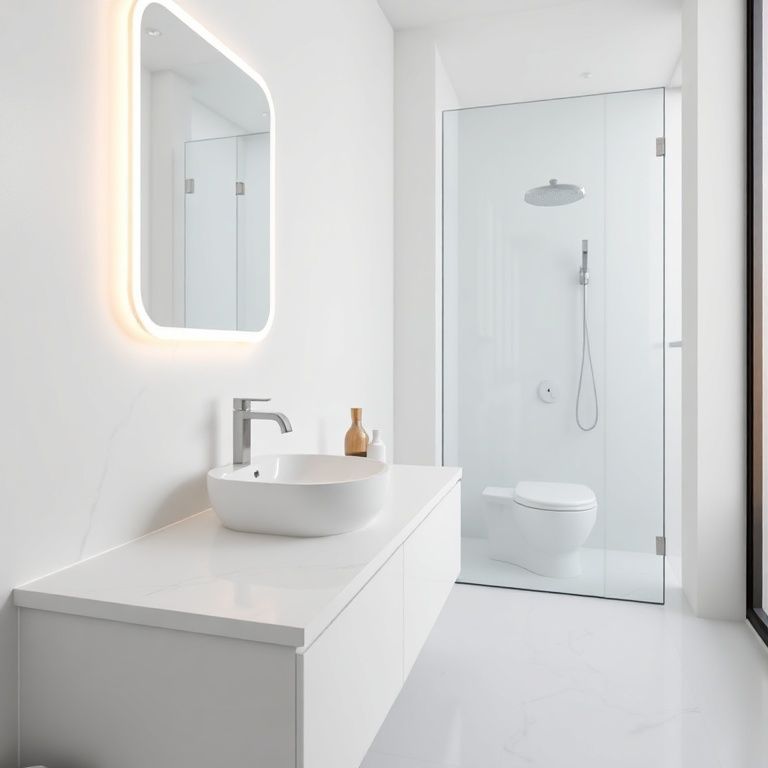
Aesthetic Transformation
One of the most compelling reasons to replace your kitchen countertop is the sheer aesthetic transformation it can bring. Modern kitchen design trends are continually evolving, with new materials and finishes being introduced that offer unparalleled beauty and style. Whether you’re drawn to the sleek lines of granite, the luxurious sheen of marble, or the innovative textures of quartz, there’s a countertop material to match virtually any vision.
Granite: Known for its durability and timeless elegance, granite countertops offer a range of colors and patterns that can complement any kitchen decor. They provide a high-end look that can significantly boost the visual appeal of your kitchen.
Quartz: Quartz countertops are praised for their versatility, offering thousands of color and pattern options. They are also incredibly durable, scratch-resistant, and easy to clean, making them an excellent choice for those seeking both style and functionality.
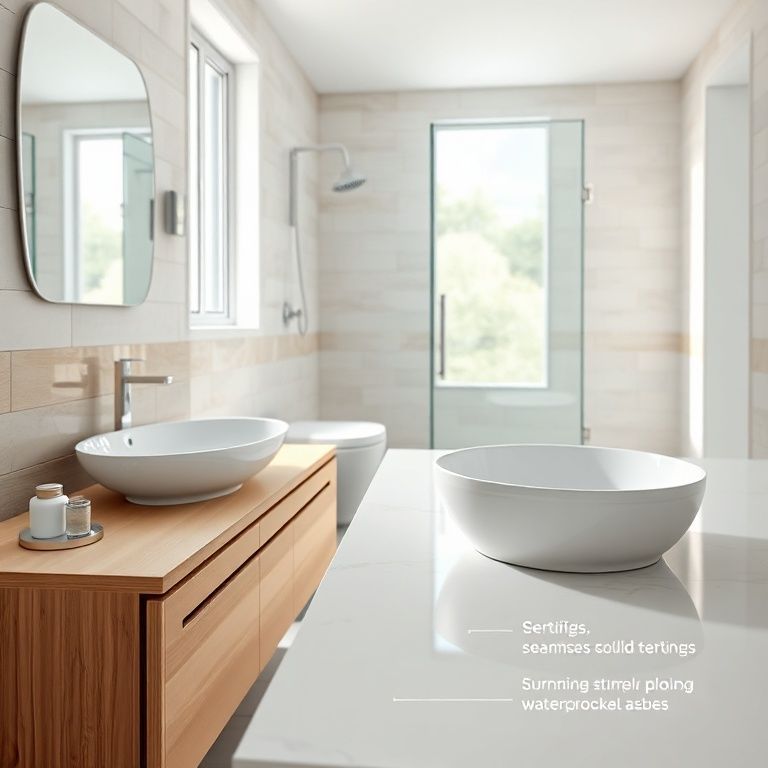
Marble: For those who crave luxury, marble countertops offer an exquisite finish that exudes sophistication. While they require more maintenance, the aesthetic impact is often worth the effort.
Functional Upgrades
Beyond aesthetics, replacing your kitchen countertop can also bring functional upgrades that enhance your daily cooking experience. Modern materials and designs offer improved durability, easier cleaning, and better heat resistance.
Durability: Newer countertop materials like solid surface composites, quartz, and even engineered stone have surpassed traditional materials in terms of durability. These materials can withstand heavy use, resist scratches, stains, and even cuts, ensuring your countertop remains in excellent condition for years to come.
Ease of Cleaning: Cleanliness is paramount in a kitchen. Many modern countertops are now designed with easy-to-clean properties. For instance, quartz and solid surface materials are water-resistant and can be wiped down with simple cleaning solutions, reducing the time and effort required to maintain a pristine kitchen.
Heat Resistance: Cooking often involves high temperatures, and traditional countertops like wood or even some stone types can be damaged by heat. Modern countertops like granite and quartz are much more resistant to heat, preventing discoloration and damage, ensuring your countertop can handle the rigors of daily cooking.
Budget Considerations
While the benefits of replacing your kitchen countertop are numerous, it’s also essential to consider the budget implications. Kitchen countertop replacement is a significant investment, but it’s one that can yield long-term returns.
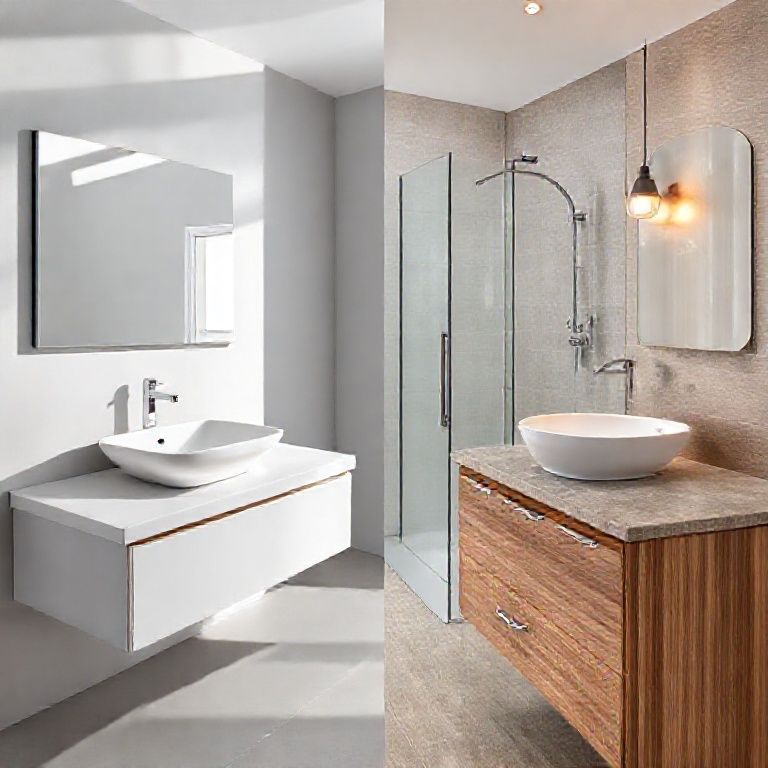
Cost of Installation: The cost of replacing your kitchen countertop can vary widely depending on the material chosen, the size of the countertop, and the complexity of the installation. However, many people find that the initial investment pays off through increased home value and enhanced enjoyment of their kitchen space.
Return on Investment: According to real estate experts, kitchens with updated countertops often see a higher return on investment when it comes to selling the home. This means that while the upfront cost can be substantial, the potential increase in property value can offset these expenses.
Longevity and Maintenance
When considering countertop replacement, it’s crucial to think about the longevity and maintenance requirements of the new material. While modern materials have improved significantly in terms of durability, they still require some level of maintenance to stay in top condition.
Longevity: Many contemporary countertop materials are designed to last for decades with proper care. For example, quartz countertops are known to last for at least 20 years with minimal maintenance, making them a long-term investment.
Maintenance: While modern countertops require less maintenance than traditional materials, they are not entirely low-maintenance. It’s important to follow the manufacturer’s guidelines for cleaning and protecting your countertop to ensure its longevity. Regular sealing of porous materials like granite and careful handling to avoid scratches can help maintain the countertop’s appearance and functionality.
Personal Preferences and Lifestyle
Ultimately, the decision to replace your kitchen countertop should align with your personal preferences and lifestyle. Consider how you use your kitchen and what features are most important to you.
Cooking Style: If you’re a heavy cook or frequently entertain, a durable, easy-to-clean countertop like quartz or granite might be ideal. These materials can handle the wear and tear of daily use without losing their appearance.
Aesthetic Preferences: If aesthetics are a top priority, exploring materials like marble or custom designs can offer a personalized touch that reflects your style and enhances your kitchen’s overall look.
Budget and Time: If budget and time are concerns, consider the long-term savings and benefits of investing in a high-quality countertop. While the upfront cost can be significant, the long-lasting nature and reduced maintenance of modern materials can make it a worthwhile investment.
Revamp Your Kitchen: Is It Worth Replacing Your Kitchen Countertop?
Continuing our exploration into whether it’s worth replacing your kitchen countertop, let’s delve deeper into the specific benefits, practical considerations, and factors that should influence your decision. From enhancing kitchen functionality to boosting your home’s value, here’s everything you need to know to make an informed choice.
Enhancing Kitchen Functionality
Your kitchen’s countertop plays a crucial role in its functionality. Replacing it can not only improve its aesthetics but also enhance how you use your kitchen space.
Work Space: A larger, more spacious countertop provides more room for food preparation, mixing ingredients, and even as a dining surface. This is particularly beneficial for those who cook frequently or enjoy preparing elaborate meals.
Safety: Modern countertops often come with safety features such as non-slip surfaces and heat-resistant properties. These features can make your kitchen safer, especially for those who cook with high temperatures or have young children.
Convenience: Some newer materials offer built-in conveniences like integrated cutting boards, sinks, and even induction cooktops. These features can simplify your cooking process and make your kitchen more efficient.
Boosting Home Value
One of the most compelling reasons to replace your kitchen countertop is the potential increase in your home’s value. A well-chosen, high-quality countertop can make a significant impact on the resale value of your home.
Market Trends: According to real estate trends, kitchens with modern, updated countertops are more appealing to buyers. Potential homeowners often view updated countertops as a sign of a well-maintained and modern kitchen, which can enhance the overall desirability of the property.
Investment Payoff: While the upfront cost of replacing a countertop is substantial, the return on investment in terms of increased property value can be significant. This makes it a worthwhile consideration for those planning to sell their home in the future.
Customization and Personalization
Modern countertop materials offer a level of customization and personalization that was not always available in the past. This allows you to tailor your kitchen to your exact preferences and needs.
Custom Designs: Many countertop manufacturers offer custom designs, including unique patterns, shapes, and colors. This means you can create a countertop that perfectly matches your vision and enhances your kitchen’s unique character.
Material Combinations: Combining different materials can create visually stunning countertops. For instance, you might choose a marble base with quartz accents or incorporate wood elements for a rustic touch. This level of customization allows for endless creative possibilities.
Environmental Considerations
With growing awareness of environmental issues, choosing a sustainable countertop can be a significant factor in your decision-making process.
Eco-Friendly Materials: Some modern countertop materials are designed with sustainability in mind. For example, certain types of quartz and engineered stone are made from recycled materials, reducing environmental impact.
Low VOC Emissions: Many new countertop materials are manufactured with low volatile organic compound (VOC) emissions, which can improve indoor air quality. This is particularly beneficial for those with allergies or respiratory issues.
Professional Advice and Expertise
When it comes to replacing your kitchen countertop, seeking professional advice can make a big difference in the outcome.
Expert Consultation: Consulting with a professional designer or contractor can provide valuable insights into the best materials, designs, and installation techniques for your specific kitchen. They can help you navigate the complexities of countertop replacement and ensure a successful project.
Custom Installation: Professional installation ensures that your new countertop is installed correctly, maximizing its durability and appearance. A skilled installer can also handle any necessary modifications to your kitchen cabinetry or plumbing to accommodate the new countertop.
Final Considerations
As you weigh the pros and cons of replacing your kitchen countertop, it’s important to consider the broader context of your kitchen renovation plans.
预算规划
要明确你的预算范围。厨房台面的成本因材料和品牌的不同而有很大差异。常见的材料包括:
石英石(Quartz):价格较高,但耐用性和易清洁性极佳。 花岗岩(Granite):耐用且美观,但相对石英石稍贵,并且需要定期密封。 大理石(Marble):外观高档,但需要特别的保养,且比较脆弱。 人造石(Artificial Stone):性价比高,但耐用性和外观可能不如天然石材。
不锈钢(Stainless Steel):易于清洁,但外观可能不如其他材料华丽。
材料选择
石英石:耐刮擦、耐热、不易染色,但价格较高。 花岗岩:天然石材,外观美观,但需要定期密封,并且价格较高。 大理石:外观奢华,但易碎、易染色,且需要特别保养。 不锈钢:耐用、易清洁,但热扩张较大,容易留下热斑。
设计和风格
台面的设计和风格应与整体厨房的装修风格相协调。如果你喜欢现代简约风格,石英石或不锈钢可能是不错的选择。而如果你偏爱传统或乡村风格,花岗岩或大理石可能更合适。
安装与维护
更换台面不仅仅是选材,还需要专业的安装。确保你选择有经验的安装团队,以确保台面的平整度和安全性。不同材料需要不同的维护方法:
石英石和人造石:一般只需定期清洁,不需要特殊处理。 花岗岩:需要定期密封,防止水分渗入裂缝。 大理石:需避免使用酸性清洁剂,并定期进行保养。
环保与健康
如今,越来越多人关注环保和健康问题。选择环保材料,确保材料在制造和使用过程中不会释放有害物质,对家人健康更有保障。
施工过程
在开始更换厨房台面之前,需要做好以下准备:
清空台面:将台面上所有物品搬走,确保干净整洁。 测量和切割:根据台面尺寸进行测量,必要时进行切割。 拆除旧台面:小心拆除旧台面,注意保护周围的厨房设施。 安装新台面:由专业人员进行安装,确保台面牢固和平整。
后期维护
更换台面后,定期清洁和保养非常重要。不同材料有不同的清洁和保养方法,务必遵循厂家的建议,以延长台面寿命。
更换厨房台面是一个重要的装修项目,需要充分考虑材料、设计、预算、安装和维护等多个方面。通过仔细规划和专业施工,你可以为你的厨房带来一个美观、实用且耐用的新台面。