Understanding Artificial Stone and Choosing the Right Polishing Materials
Artificial stone countertops have become increasingly popular due to their durability, low maintenance, and stunning aesthetic appeal. These countertops, often made from a blend of minerals and polymers, mimic the look of natural stone while offering benefits like resistance to stains, scratches, and high temperatures. However, over time, even the most resilient surfaces can show signs of wear and tear, necessitating a thorough renovation.
To achieve a polished, showroom-quality finish, it’s crucial to select the right polishing materials and understand the unique properties of artificial stone. Here’s a detailed look at what you need to know and the best materials to use.
The Composition of Artificial Stone
Artificial stone, often referred to as cultured stone, is a composite material made primarily from natural stone powders such as calcite, limestone, or marble, combined with a polymer resin. This combination creates a solid surface that is both durable and aesthetically versatile. The primary benefits of artificial stone include:
Durability: Artificial stone is highly resistant to scratches, stains, and thermal damage. Aesthetic Versatility: Available in a wide range of colors and finishes that mimic natural stone. Low Maintenance: Requires minimal upkeep compared to natural stone surfaces.
Identifying the Type of Artificial Stone
Before beginning any renovation project, it’s essential to identify the specific type of artificial stone used in your countertop. This identification will guide your choice of polishing materials. Here are the common types:
Cultured Stone: Made from a blend of natural stone powders and polymer resins. Acrylic Stone: Composed primarily of acrylic polymers with added stone powders for texture. Silica Stone: Features silica-based polymers mixed with stone powders.
Essential Polishing Materials for Artificial Stone
Revamping artificial stone countertops requires specific materials that can safely and effectively smooth out imperfections and restore the surface to its original luster. Here are the key materials you’ll need:
1. Polishing Pads
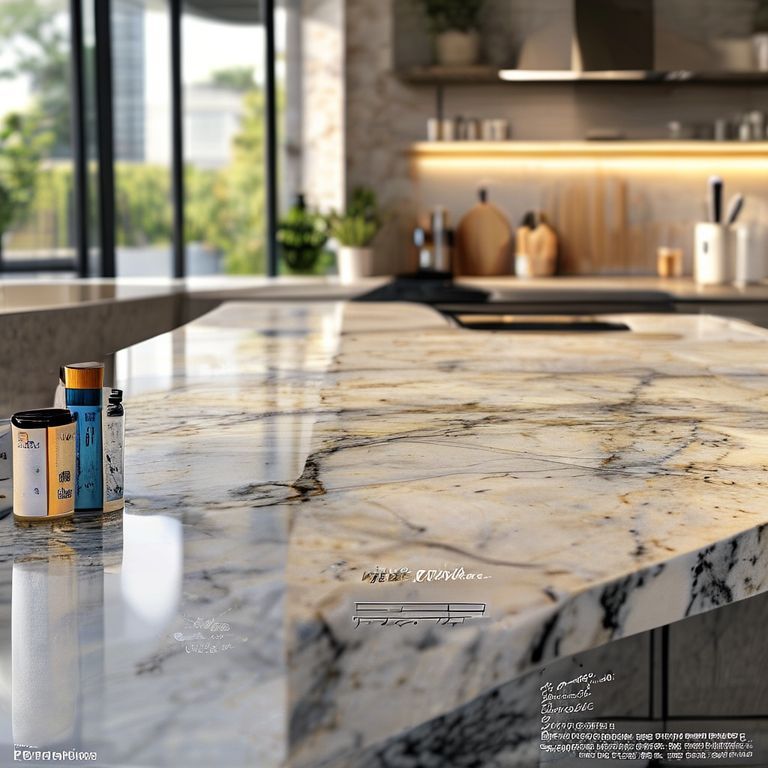
Polishing pads are the first essential tool in your arsenal. These pads are made from various materials like sponge, microfiber, or felt, and are designed to accommodate different polishing compounds. The choice of pad often depends on the type of artificial stone and the desired finish:
Sponge Pads: Ideal for softer stones and initial polishing stages. Microfiber Pads: Great for achieving a finer finish and less abrasive surfaces. Felt Pads: Suitable for a broader range of artificial stones and provide a smooth, even polish.
2. Polishing Compounds
The right polishing compound is crucial for achieving a flawless finish on artificial stone countertops. These compounds come in various strengths, from mild to heavy-duty, and are formulated to handle different levels of surface imperfections. Some popular options include:
Silicone Polishing Compound: Effective for mild scratches and dull finishes. Copper Polishing Compound: Ideal for achieving a high-gloss finish. Diamond Polishing Compound: Suitable for heavily damaged surfaces and requires a higher level of expertise.
3. Diamond Abrasives
For more significant damage, diamond abrasives are indispensable. These are available in various grits, ranging from coarse to fine, and are designed to smooth out deep scratches and imperfections:
Coarse Grit (40-60): For removing heavy scratches and stains. Medium Grit (80-100): For intermediate polishing stages. Fine Grit (150-200): For a smooth, glossy finish.
4. Sealants and Finishes
After polishing, it’s important to protect the rejuvenated surface with a high-quality sealant or finish. This step ensures long-lasting durability and resistance to future wear and tear. Look for products that are specifically formulated for artificial stone.
Step-by-Step Polishing Process
Preparation: Begin by cleaning the countertop thoroughly to remove any dirt, grease, or residue. Use a mild detergent and a soft cloth.
Initial Polishing: Using a coarse polishing pad and compound, start polishing the countertop in the direction of the grain. Apply even pressure and avoid circular motions to prevent damage.
Intermediate Polishing: Switch to a medium-grit pad and compound to smooth out any remaining imperfections. Continue polishing in the direction of the grain.
Final Polishing: For the final touch, use a fine-grit pad and compound to achieve a high-gloss finish. Pay special attention to edges and corners.
Sealing: Once polished, apply a high-quality sealant or finish to protect the surface. Follow the manufacturer’s instructions for application and curing.
Common Mistakes to Avoid
While polishing artificial stone countertops, certain mistakes can undermine your efforts and affect the longevity of the renovation:
Using the wrong materials: Incompatibility between polishing pads and compounds can lead to surface damage. Excessive pressure: Applying too much pressure can scratch the surface, especially with coarse materials. Skipping cleaning: Failing to clean the surface thoroughly before polishing can leave residues that interfere with the polishing process.
By understanding the nature of artificial stone and using the right materials and techniques, you can achieve a stunning, polished finish that revitalizes your kitchen.
Expert Tips and Advanced Techniques for Artificial Stone Countertop Restoration
After mastering the basics of polishing artificial stone countertops, it’s time to delve into advanced techniques and expert tips to elevate your renovation project to the next level. This comprehensive guide will cover everything from fine-tuning your polishing process to creative ways to enhance the aesthetic appeal of your countertops.
Advanced Polishing Techniques
Achieving a flawless finish on artificial stone countertops requires precision and patience. Here are some advanced polishing techniques to help you refine your skills:
1. Layered Polishing
For heavily damaged surfaces, a layered polishing approach can yield the best results. This method involves using progressively finer grits to smooth out imperfections gradually:
Start with a Coarse Grit: Begin with a coarse diamond abrasive to remove deep scratches and stains. Use a stiff polishing pad for even application. Move to Medium Grit: Once the surface is relatively smooth, switch to a medium-grit abrasive to refine the texture. Finish with Fine Grit: End with a fine-grit abrasive to achieve a silky-smooth, glossy finish.
2. Dual-Action Polishers
Dual-action polishers, which combine random orbital and circular motion, provide an even more efficient polishing process. These machines offer consistent pressure and speed, which is ideal for large surfaces:
Setup: Attach the appropriate polishing pad and compound to the dual-action polisher. Application: Follow the direction of the grain and overlap each stroke slightly to ensure an even finish. Fine-Tuning: Adjust the speed and pressure settings according to the type of artificial stone and the level of polish required.
3. Buffing Wheels
Buffing wheels are another effective tool for achieving a high-gloss finish. These wheels are embedded with fine abrasives and can be used with a polisher or by hand:
Setup: Attach the buffing wheel to a polisher or hold it by hand for manual polishing. Application: Use slow, circular motions to buff the surface, applying even pressure. Finishing Touch: For an ultra-glossy finish, use a microfiber cloth to buff the surface after polishing.
Creative Enhancements
Once your artificial stone countertops have been polished to perfection, consider these creative enhancements to elevate the aesthetic appeal:
1. Colored Edges
Adding colored edges to your countertops can create a striking visual effect. This involves polishing the edges and applying a colored sealant or dye:
Selection: Choose a color that complements your kitchen’s overall design. Application: Use a fine brush to apply the dye or sealant to the polished edges. Curing: Allow the sealant to cure according to the manufacturer’s instructions for a vibrant finish.
2. Custom Engravings
For a personalized touch, consider custom engravings on your artificial stone countertops. This can include names, dates, or intricate designs:
Design: Create a digital or physical design using design software or a stencil. Engraving: Use a precision engraving tool to carefully carve the design into the surface. Finishing: Polish the engraved areas to blend seamlessly with the surrounding surface.
3. Integrated Lighting
Integrating LED strip lights into your countertops can transform the look and functionality of your kitchen:
Installation: Cut the LED strips to size and install them along the edges or in custom grooves. Wiring: Connect the LED strips to a power source and control them with a remote or smart home system. Effect: The subtle glow of the LED lights adds a modern, dynamic element to your countertop.
Maintenance Tips
定期更新:确保你的人工智能助手的软件和数据库是最新的,这有助于提升其性能和准确性。定期更新可以解决已知问题,并引入新功能。
数据清理:保持数据的高质量,定期清理无用或重复的数据,这有助于提升人工智能系统的学习效果。
用户反馈:收集用户反馈,了解用户在使用过程中遇到的问题和建议,这有助于持续改进系统。
安全性:确保你的人工智能助手的安全性,防止数据泄露和恶意攻击。使用加密技术和其他安全措施来保护敏感信息。
性能监控:监控系统的性能,识别和解决任何性能瓶颈。这可以包括响应时间、处理速度等方面的优化。
训练数据扩展:不断丰富训练数据,使得人工智能助手能够更好地理解和处理各种情况。
系统稳定性测试:定期进行系统稳定性测试,确保在各种工作负载和条件下都能正常运行。
技术支持:确保有足够的技术支持团队,以便及时解决出现的技术问题。