Understanding and Addressing Yellowing on Artificial Stone Countertops
Artificial stone countertops are popular for their durability, aesthetic appeal, and resistance to stains. However, over time, these surfaces can develop yellow spots, a common issue that can detract from their beauty. In this first part of our guide, we will explore the causes of yellowing on artificial stone countertops and the most effective methods to restore their original, gleaming appearance.
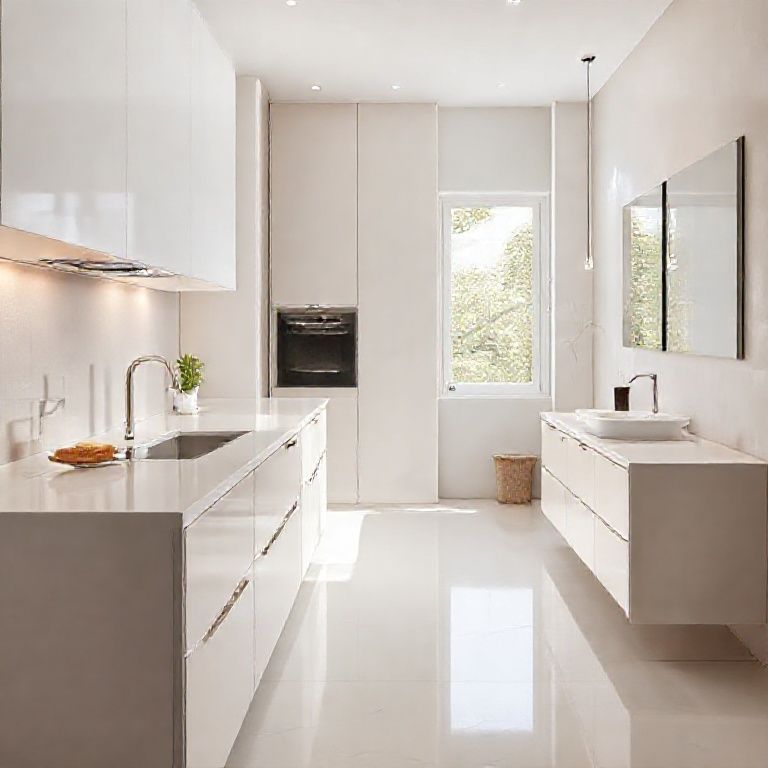
Causes of Yellowing on Artificial Stone
Stains and Dyes: Artificial stone is susceptible to discoloration from various household substances. Common culprits include coffee, tea, red wine, and food dyes. These substances can penetrate the surface, leading to yellowing.
Hard Water: The minerals in hard water can leave deposits on artificial stone, causing a yellowish tint. This is especially common in areas with naturally hard water supplies.
Acidic Foods and Beverages: Foods and drinks with high acidity, such as citrus fruits, vinegar, and tomato-based sauces, can cause chemical reactions that lead to yellowing.
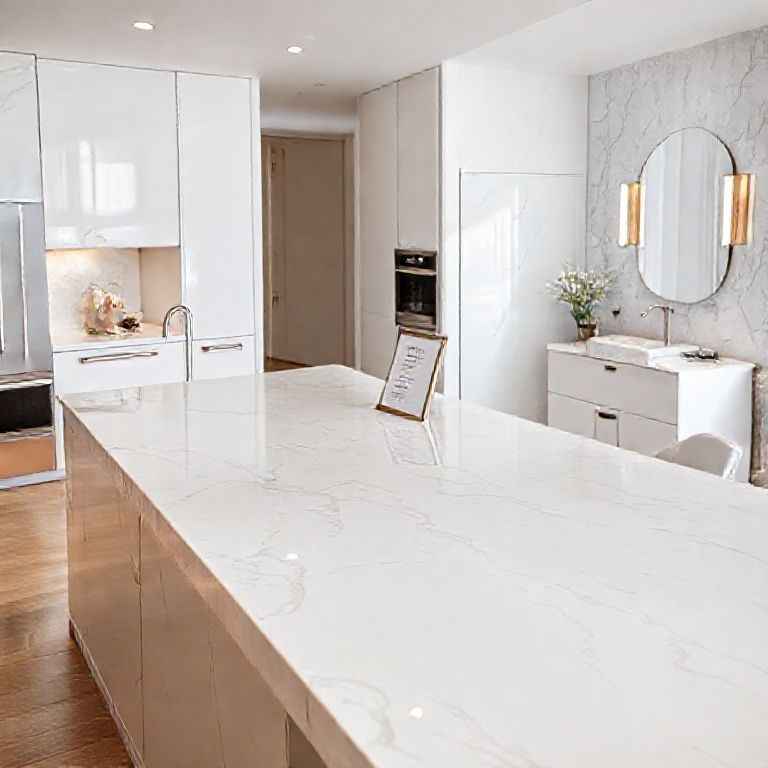
Sunlight Exposure: Prolonged exposure to UV rays can cause artificial stone to fade and yellow, especially if the material lacks proper UV protection.
Initial Steps to Address Yellowing
Before diving into deep cleaning, it’s important to take some preliminary steps:
Clean the Surface: Start by cleaning the countertop with a mild, non-abrasive cleaner. Use a soft cloth to remove any loose dirt and grime.
Identify the Source: Determine the primary cause of the yellowing to choose the most effective cleaning method.
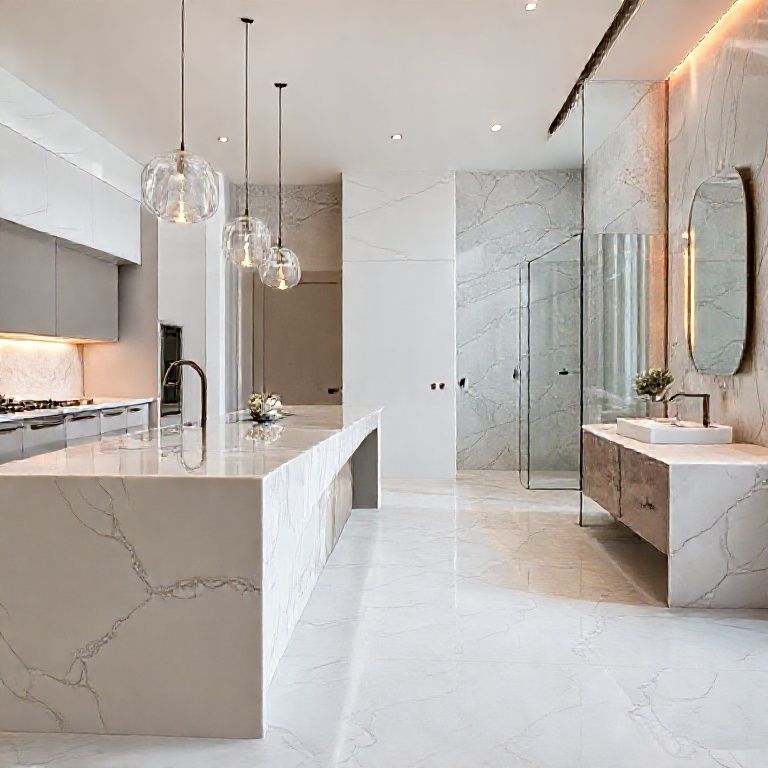
Test Cleaners: Always test any cleaning solution on a small, inconspicuous area to ensure it doesn’t damage or further discolor the surface.
Eco-Friendly Cleaning Solutions
When it comes to cleaning artificial stone countertops, opting for eco-friendly solutions is both safe and effective. Here are some natural cleaning methods that can help restore the shine:
Baking Soda and Water Paste: Mix baking soda with water to form a paste. Apply the paste to the yellowed areas and let it sit for about 15 minutes before gently scrubbing with a soft cloth. Rinse and dry thoroughly.
White Vinegar: Vinegar is a natural acid that can help neutralize stains. Apply vinegar directly to the yellowed areas and let it sit for a few minutes before wiping clean with a cloth. For tough stains, you can create a vinegar and water solution.
Lemon Juice and Salt: This homemade cleaner is great for removing light stains. Mix lemon juice with salt to form a paste. Apply it to the stained areas, let it sit for a few minutes, then scrub gently with a cloth. Rinse and dry the surface.
Professional Cleaning Methods
If the above methods do not fully address the yellowing, it may be time to consider professional cleaning options:
Powder Cleaners: Powder cleaners are specifically designed for artificial stone surfaces. They contain mild abrasives that can effectively remove stains without damaging the stone.
Power Washing: For more severe cases, professional power washing can be employed. This method uses high-pressure water to clean the surface thoroughly. It’s important to use a cleaner recommended for artificial stone to avoid any potential damage.
Preventative Measures
Preventing yellowing is always easier than fixing it. Here are some tips to help keep your artificial stone countertops looking pristine:
Use Coasters and Placemats: Protect your countertops from spills by using coasters for drinks and placemats for food.
Immediate Cleaning: Clean up spills immediately to prevent stains from setting in.
Avoid Harsh Chemicals: Use mild cleaners and avoid harsh chemicals that can damage the surface.
UV Protection: If your countertop is exposed to a lot of sunlight, consider using a UV-protective coating or placing it away from direct sunlight.
Advanced Techniques and Long-Term Maintenance
After understanding the causes and initial cleaning methods for yellowing on artificial stone countertops, it’s time to delve into more advanced techniques and long-term maintenance strategies. This part will explore specialized cleaning products, professional cleaning services, and comprehensive maintenance tips to keep your artificial stone countertops looking their best.
Specialized Cleaners
When it comes to advanced cleaning, specialized products designed for artificial stone can make a significant difference:
Commercial Cleaners: Many manufacturers offer specific cleaners for their artificial stone products. These cleaners are formulated to effectively clean and maintain the surface without causing damage.
Stone Polishing Pastes: These pastes contain mild abrasives that can help restore the shine of artificial stone. Apply the paste to a cloth and gently polish the surface. Be sure to follow the manufacturer’s instructions for best results.
Hydrogen Peroxide: For tough stains, a mixture of hydrogen peroxide and water can be effective. Apply the solution to the stained area, let it sit for a few minutes, then scrub gently and rinse with water.
Professional Cleaning Services
For those who prefer a hassle-free approach or have particularly stubborn stains, professional cleaning services are an excellent option:
Commercial Cleaning Companies: Many commercial cleaning companies offer specialized services for artificial stone countertops. They use advanced equipment and professional-grade cleaners to ensure a thorough clean.
Stone Restoration Specialists: For severe discoloration, stone restoration specialists can perform deep cleaning and restoration. They may use techniques such as laser cleaning, which can effectively remove deep-seated stains without damaging the surface.
Long-Term Maintenance Strategies
Preventative care is key to keeping your artificial stone countertops looking pristine. Here are some long-term maintenance strategies to consider:
Regular Cleaning: Establish a regular cleaning routine to prevent stains from setting in. A simple weekly wipe-down with a mild cleaner can go a long way.
Use Protective Covers: For areas prone to spills, consider using protective covers like silicone mats or placemats. These can help shield the surface from stains and make cleaning easier.
Avoid Direct Sunlight: To prevent yellowing caused by UV exposure, keep your countertops away from direct sunlight as much as possible. If this isn’t feasible, consider using a UV-protective coating.
Seal the Surface: Although artificial stone is generally resistant to stains, sealing the surface can provide an extra layer of protection. Consult with a professional to determine if sealing is appropriate for your specific countertop.
Monitor Water Hardness: If you live in an area with hard water, consider using a water softener to reduce mineral buildup on your countertops. This can help prevent yellowing and other forms of discoloration.
DIY Maintenance Routine
Creating a DIY maintenance routine can help keep your artificial stone countertops in top condition. Here’s a simple weekly routine you can follow:
Daily: Wipe down surfaces with a damp cloth to remove any spills or residue. Use a mild, non-abrasive cleaner.
Weekly: Deep clean the countertop using one of the eco-friendly solutions mentioned earlier, such as baking soda or white vinegar.
Monthly: Check for any signs of wear or discoloration. If necessary, use a specialized cleaner or polish to address any issues.
Quarterly: Perform a thorough clean using a commercial cleaner or seek professional cleaning services to ensure the surface is completely free of stains and grime.
Innovative Cleaning Technologies
Advances in cleaning technology offer new ways to maintain the pristine look of your artificial stone countertops:
Laser Cleaning: This cutting-edge method uses laser technology to remove deep-seated stains without damaging the surface. It’s particularly effective for stubborn discoloration.
Ultrasonic Cleaning: Ultrasonic cleaners use high-frequency sound waves to remove grime and stains from surfaces. They are gentle on artificial stone and can be very effective for intricate designs and patterns.
Nano Technology: Some cleaning solutions now incorporate nanotechnology to enhance cleaning power and provide long-lasting protection against stains and discoloration.
Conclusion
Maintaining the beauty and longevity of your artificial stone countertops requires a combination of regular care, advanced cleaning techniques, and preventative measures. By understanding the causes of yellowing and employing both eco-friendly and professional cleaning methods, you can keep your countertops looking pristine and beautiful. Remember, a little effort in regular maintenance can go a long way in preventing future stains and discoloration, ensuring your artificial stone remains a stunning focal point in your home for years to come.
By following these comprehensive guidelines, you’ll be well-equipped to tackle any yellowing issues and当然,继续我们的讨论,如果你希望深入了解如何维护和保养人造石台面,以及一些额外的小贴士,可以参考以下内容:
更多维护技巧
1. 定期清洁和保养
定期清洁和保养是保持人造石台面美观的关键。建议每隔几个月进行一次深度清洁,使用专门的人造石清洁剂,并遵循以下步骤:
清洁:用中性清洁剂和软布擦拭台面,以去除表面的污垢和油渍。 保养:在清洁后,使用人造石保养油或蜡,为表面提供一层保护,防止水和油渍积聚。
2. 防止污渍
使用餐垫:在台面上放置餐垫或垫布,尤其是在厨房和餐厅,这样可以减少溢出食物和饮料对台面的直接接触。 及时清理溢出物:立即清理溢出的食物和饮料,以防止污渍渗入人造石材料。
3. 避免使用硬刷子
避免使用硬刷子或刮刀清洁人造石台面,因为这些工具可能会刮伤或损坏表面。应使用软布和中性清洁剂进行清洁。
4. 处理溢出和泼洒
立即清理:任何溢出或泼洒的液体应立即清理干净,否则液体会渗入材料,导致污渍或颜色改变。 使用吸水材料:在溢出的液体未干之前,用吸水材料(如纸巾或海绵)迅速吸干。
特殊清洁情况
1. 油污和烹饪残留
对于油污和烹饪残留,可以使用以下方法:
热水和肥皂:先用热水和中性肥皂清洗,然后用软布擦干净。 专用清洁剂:有时,可以使用专门针对油污的清洁剂,但要确保这些清洁剂适用于人造石材。
2. 水垢和硬水沉积
对于由于硬水导致的水垢和沉积,可以尝试以下方法:
白醋:将白醋倒在水垢上,静置几分钟后用软布擦拭干净。 专用水垢清洁剂:市面上有专门清除水垢的清洁剂,遵循产品说明进行使用。
如何预防黄变
1. 使用防护垫
在人造石台面上常驻的容器,如搅拌碗或水壶,最好放在防护垫上,以防止直接接触导致的黄变。
2. 避免长期曝晒
尽量避免人造石台面长期暴露在阳光下,因为紫外线会导致材料褪色和黄变。
总结
人造石台面虽然耐用,但仍需要一些细心的保养和维护。通过定期清洁、使用适当的清洁工具和方法,以及采取一些预防措施,你可以让你的人造石台面保持光滑、明亮和美观。