Revitalize Your Space: Expert Solutions for Countertop Yellowing in Artificial Marble
Artificial marble countertops have become a popular choice for modern kitchens and bathrooms due to their durability, aesthetic appeal, and relatively low maintenance. However, despite their many advantages, artificial marble can sometimes suffer from yellowing, which can detract from their pristine appearance. This comprehensive guide will explore the causes of yellowing in artificial marble and provide expert solutions to restore its original beauty.
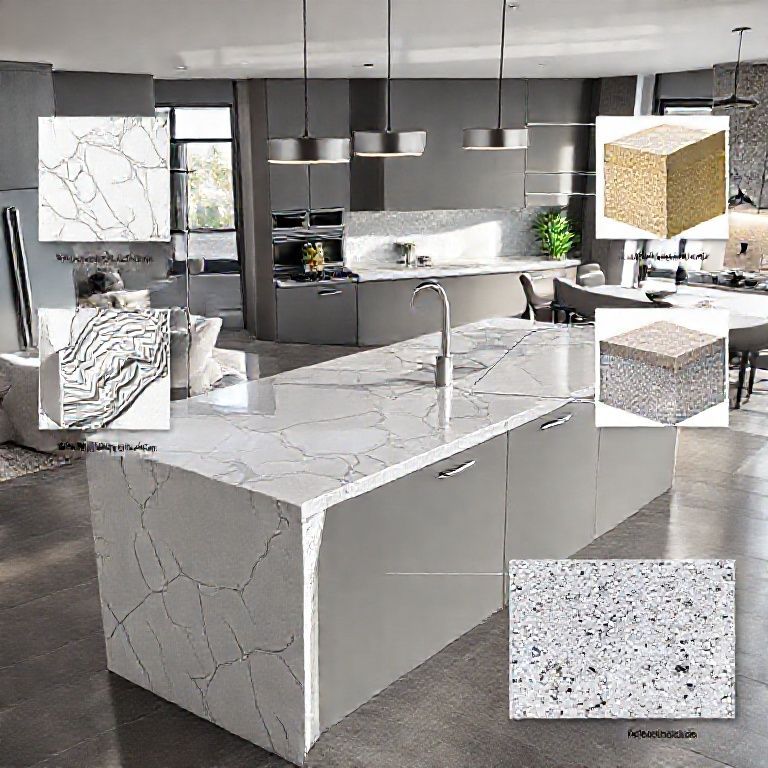
Understanding the Causes of Yellowing
To effectively address yellowing on artificial marble countertops, it’s crucial to understand the underlying causes. Here are some common reasons why artificial marble might turn yellow:
Exposure to Heat and Cooking Oil
One of the primary causes of yellowing in artificial marble is prolonged exposure to heat and cooking oils. When hot pots, pans, and dishes are placed directly on the countertop, they can transfer oils and heat, causing discoloration over time.
Acidic Foods and Beverages
Certain acidic foods and drinks, such as lemon juice, vinegar, and tomato-based sauces, can react with the materials used in artificial marble, leading to yellow spots and streaks.
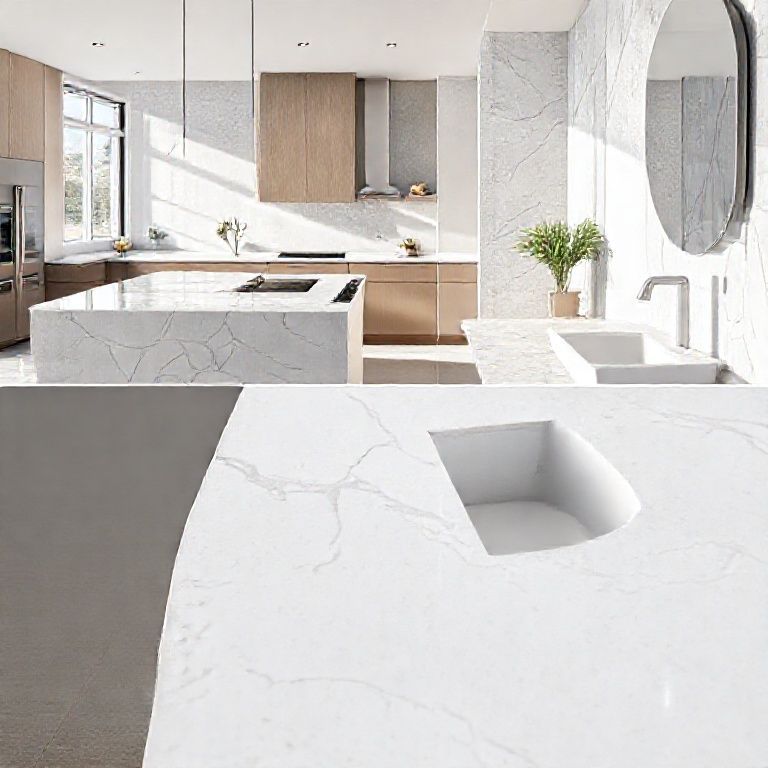
Improper Cleaning Products
Using harsh cleaning agents or improper cleaning techniques can strip the protective coating on the countertop, making it more susceptible to staining and yellowing.
Environmental Factors
Environmental factors like UV rays and pollutants can also contribute to the yellowing of artificial marble over an extended period.
Prevention is Key
Preventing yellowing is always easier than treating it. Here are some preventive measures to keep your artificial marble countertops looking their best:
Use Heat-Resistant Pads
Place heat-resistant pads or trivets under hot pots and pans to prevent direct contact with the countertop.
Neutral Cleaners
Opt for neutral, non-abrasive cleaning products specifically designed for artificial stone surfaces. Avoid harsh chemicals that can damage the countertop.
Regular Maintenance
Regularly clean and maintain your countertops to prevent the buildup of oils, stains, and other residues that can cause yellowing.
Avoid Acidic Foods and Drinks
When possible, avoid placing acidic foods and beverages directly on the countertop. If this isn’t feasible, use silicone mats or other protective barriers.
Immediate Solutions for Existing Yellowing
If your artificial marble countertop has already turned yellow, don’t despair. There are several effective methods to restore its original beauty.
Mild Cleaning Solution
Create a mild cleaning solution using warm water and a small amount of dish soap. Avoid using abrasive sponges or pads that can scratch the surface. Gently scrub the affected areas with a soft cloth and rinse thoroughly.
Baking Soda Paste
Mix baking soda with a small amount of water to form a paste. Apply the paste to the yellowed areas and let it sit for about 15 minutes. Then, gently scrub with a soft cloth and rinse with water. Baking soda is a gentle abrasive that can help lift stains without damaging the surface.
Commercial Cleaners
Consider using commercial cleaners specifically formulated for artificial stone surfaces. These products are designed to clean and restore the appearance of artificial marble without causing damage.
Vinegar and Water Solution
For minor yellowing, a vinegar and water solution can be effective. Mix equal parts of vinegar and water in a spray bottle and apply it to the affected areas. Let it sit for a few minutes before wiping clean with a damp cloth. Vinegar is a natural acid that can help neutralize some types of stains.
Professional Restoration Services
In some cases, yellowing may be more severe or stubborn, requiring professional intervention. Restoration services can offer specialized treatments to remove deep-seated stains and restore the countertop to its original appearance. Here’s how to find a reputable professional:
Research and Reviews
Look for professionals with good reviews and a proven track record in restoring artificial stone surfaces. Check online reviews and ask for recommendations from friends or neighbors who have had similar work done.
Consultation
Schedule a consultation with the restoration service to discuss the extent of the yellowing and the proposed treatment plan. Ask about their cleaning methods, the products they use, and the expected results.
Costs and Warranty
Inquire about the costs involved and whether the restoration service offers any warranties on their work. A reputable service should provide a clear breakdown of costs and a warranty on the restoration to ensure your satisfaction.
Long-Term Maintenance Tips
To keep your artificial marble countertops looking their best, follow these long-term maintenance tips:
Regular Cleaning
Establish a regular cleaning routine using mild, non-abrasive cleaning products. Wipe down the countertops daily and clean up spills immediately to prevent staining.
Protective Barriers
Use protective barriers like silicone mats or placemats to shield the countertop from hot pots, pans, and acidic foods.
UV Protection
While artificial marble is generally resistant to UV rays, excessive exposure to sunlight can still cause some fading over time. If possible, place curtains or blinds to reduce direct sunlight exposure.
Proper Storage
When storing pots, pans, and other kitchenware, use heat-resistant pads to avoid direct contact with the countertop.
Conclusion
Artificial marble countertops are a beautiful and durable addition to any home, but they can be prone to yellowing if not properly cared for. By understanding the causes of yellowing and implementing preventive measures, you can keep your countertops looking pristine for years to come. If yellowing does occur, there are numerous effective cleaning methods and professional restoration services available to restore your countertops to their original beauty. With the right care and maintenance, your artificial marble countertops will continue to enhance the aesthetic appeal of your kitchen or bathroom.
Revitalize Your Space: Advanced Techniques for Yellowing Artificial Marble Countertops
Building on the foundational knowledge from the first part, this section delves into advanced techniques and expert tips for tackling yellowing in artificial marble countertops. We will explore more sophisticated cleaning methods, advanced restoration techniques, and long-term care strategies to ensure your countertops remain pristine and vibrant.
Advanced Cleaning Techniques
While mild cleaning solutions and home remedies are effective for minor yellowing, advanced cleaning techniques can address more stubborn stains and discoloration. Here are some sophisticated methods to consider:
Lemon Juice and Baking Soda
For a more potent cleaning solution, combine lemon juice and baking soda to create a powerful paste. The acidity of the lemon juice helps to lift stains, while the baking soda acts as a gentle abrasive. Apply the paste to the yellowed areas and let it sit for about 30 minutes before scrubbing gently with a soft cloth and rinsing with water.
Hydrogen Peroxide
Hydrogen peroxide is a versatile bleaching agent that can help remove stubborn stains and yellowing. Mix a small amount of hydrogen peroxide with water in a spray bottle. Apply the solution to the affected areas and let it sit for a few minutes before wiping clean with a damp cloth. Be cautious with this method, as hydrogen peroxide can be harsh on some surfaces.
Polishing Compounds
For more severe yellowing, consider using a polishing compound specifically designed for artificial stone. These compounds contain fine abrasives that can gently lift stains and restore the surface’s shine. Follow the manufacturer’s instructions for application and buff the countertop with a soft cloth to achieve a smooth, clean finish.
Advanced Restoration Techniques
In cases where yellowing is particularly stubborn or extensive, professional restoration techniques may be necessary. Here are some advanced methods used by restoration experts:
Chemical Restoration
Chemical restoration involves the use of specialized chemicals to break down and remove stains and discoloration. Restoration professionals use proprietary formulas that are safe for artificial stone but effective in restoring the countertop’s original appearance. This method often involves several steps, including surface preparation, chemical application, and buffing.
Heat Treatment
Heat treatment is another advanced method used to address yellowing in artificial marble. This technique involves applying controlled heat to the countertop to break down oils and stains. The heat causes the stains to lift, and the surface can then be polished to restore its original shine. This method requires professional equipment and expertise to ensure safety and effectiveness.
Laser Cleaning
For extremely stubborn stains, laser cleaning may be the most effective solution. This advanced technique uses a laser to precisely remove stains and discoloration without damaging the surface. Laser cleaning is highly precise and can remove deep-seated stains that are resistant to other cleaning methods.
Long-Term Care Strategies
To maintain the pristine appearance of your artificial marble countertops over the long term, follow these care strategies:
Regular Maintenance
Consistent cleaning is key to preventing yellowing and maintaining the countertop’s appearance. Establish a regular maintenance routine using mild, non-abrasive cleaning products. Clean the countertops### Long-Term Care Strategies (Continued)
1. Use Protective Barriers
Using protective barriers is one of the most effective ways to prevent yellowing and other types of damage. Place trivets, pot holders, or silicone mats under hot pots, pans, and dishes. These barriers will prevent direct heat and cooking oils from coming into contact with the countertop.
2. Neutral Cleaning Products
Stick to neutral, non-abrasive cleaning products that are specifically designed for artificial stone. Avoid using harsh chemicals or abrasive cleaners that can strip the protective coating and leave the surface susceptible to stains.
3. Immediate Spill Cleanup
Spills, whether from food, beverages, or other liquids, should be cleaned up immediately to prevent stains and discoloration. Use a soft cloth or paper towel to wipe up spills as soon as they occur. For tougher spills, use a mild cleaning solution and a soft cloth to gently scrub the area.
4. Regular Buffing
Periodically buffing the countertop can help maintain its shine and remove minor surface imperfections. Use a soft cloth or a dedicated polishing pad to gently buff the surface. This will not only enhance the appearance but also help to prevent the buildup of oils and residues that can cause yellowing.
5. Avoid Overloading
Overloading the countertop with heavy objects can cause damage and wear over time. Avoid placing heavy items directly on the surface. Instead, use cabinets, shelves, and other storage solutions to keep items off the countertop.
Environmental Considerations
Certain environmental factors can also contribute to the yellowing of artificial marble. Here are some ways to mitigate these factors:
1. Limit Sunlight Exposure
Excessive exposure to sunlight can cause fading and yellowing over time. If possible, use window treatments like curtains or blinds to reduce direct sunlight exposure to the countertop.
2. Use UV-Protective Coatings
Consider applying a UV-protective coating to the countertop. These coatings can help to shield the surface from the harmful effects of UV rays, thereby reducing the risk of yellowing and fading.
Conclusion
Maintaining the pristine appearance of your artificial marble countertops requires a combination of preventive measures, effective cleaning techniques, and long-term care strategies. By understanding the causes of yellowing and implementing the appropriate solutions, you can ensure that your countertops remain beautiful and functional for years to come. Regular cleaning, proper use of protective barriers, and avoiding harsh chemicals are key to preventing yellowing and keeping your countertops looking their best. With the right care and maintenance, your artificial marble countertops will continue to enhance the aesthetic appeal of your kitchen or bathroom.
By following these expert tips and advanced techniques, you can effectively address yellowing and keep your artificial marble countertops looking vibrant and new. Remember, prevention is always better than cure, so regular maintenance and proper care are essential for the longevity and beauty of your countertops.