Understanding Artificial Stone Countertops and Their Restoration Costs
When it comes to kitchen countertops, artificial stone has emerged as a popular choice due to its durability, ease of maintenance, and aesthetic appeal. These countertops are crafted from a blend of natural stone and polymers, offering a unique combination of strength and style. However, like any surface, artificial stone can wear over time due to everyday use and environmental factors. This is where the process of restoration comes into play.

The Nature of Artificial Stone Countertops
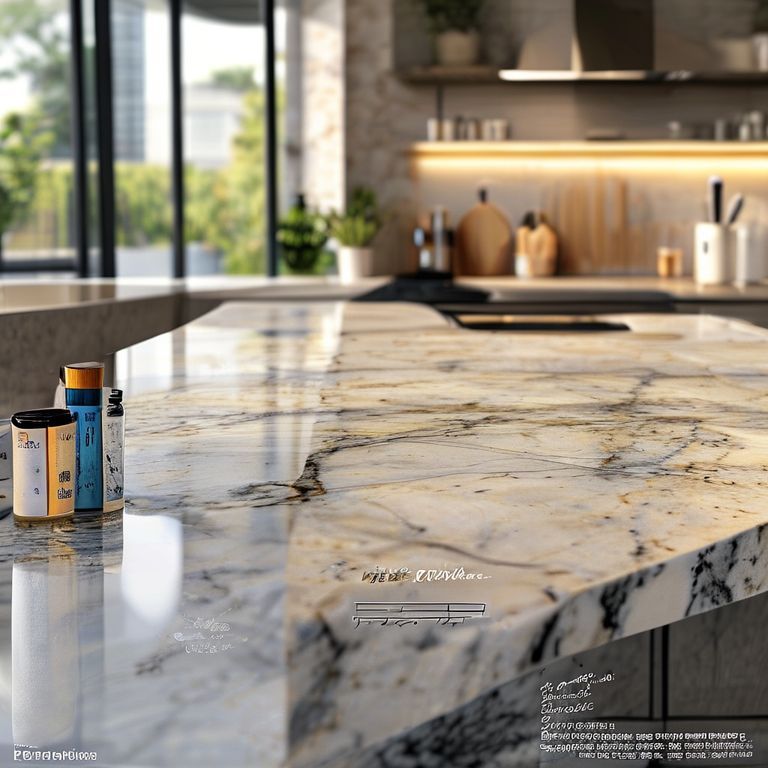
Artificial stone countertops, often referred to as “quarry stone” or “engineered stone,” are crafted by combining natural stone powder with a polymer resin. This mixture is then molded and cured to form a solid, monolithic surface. The result is a countertop that boasts the look of natural stone while being more resilient and easier to clean than traditional stone.
Artificial stone comes in various colors and finishes, allowing for a high degree of customization to match any kitchen design. Its durability is one of its key selling points, as it is less prone to scratches, chips, and stains compared to natural stone. However, over time, these countertops can develop imperfections such as scratches, discoloration, and surface pitting, which can detract from their appearance.
The Restoration Process
Restoration of artificial stone countertops typically involves a few key steps:
Assessment: The first step is a thorough assessment of the countertop’s condition. This involves identifying the specific issues such as scratches, stains, or surface pitting. A professional restoration service will evaluate the extent of damage to recommend the most effective restoration method.

Cleaning: Before any restoration work can begin, the surface of the countertop must be thoroughly cleaned to remove any dirt, grime, or grease. This ensures that the restoration materials can properly adhere to the surface.
Repair and Resurfacing: Depending on the extent of the damage, the restoration process may involve repairing scratches and pitting, and then resurfacing the entire countertop. This can be done using specialized restoration compounds and polishes designed for artificial stone.
Finishing: After the resurfacing, the countertop is polished to restore its original shine and appearance. In some cases, a protective sealant may be applied to further enhance the durability of the surface.
Cost of Restoration
The cost of restoring artificial stone countertops can vary widely based on several factors:
Size of the Countertop: Larger countertops will generally cost more to restore because more material and time are required. The cost per square foot typically ranges from $10 to $25, depending on the extent of the damage and the specific restoration techniques needed.
Extent of Damage: Minor scratches or discoloration may cost less to repair compared to extensive pitting or deep scratches that require more intensive resurfacing.
Location: The cost can also vary by location due to differences in labor rates and the cost of materials.
Customization: If the countertop requires custom finishing or coloring to match the original design, this will add to the overall cost.
Why Invest in Restoration?
Investing in the restoration of your artificial stone countertops is not just about aesthetics. Here are some compelling reasons to consider:
Aesthetic Appeal: Restoring your countertop can make it look as good as new, enhancing the overall look of your kitchen. This can also increase the value of your home.
Durability: Restoration can help to repair any minor damage, extending the life of the countertop and preventing further deterioration.
Functionality: A well-restored countertop will be easier to clean and maintain, reducing the time and effort needed for daily upkeep.
Cost-Effectiveness: While the initial cost of restoration may seem significant, it is often more economical than replacing the entire countertop, especially if the underlying structure and frame of the kitchen are still in good condition.
Advanced Restoration Techniques and Long-term Value
As we continue our exploration into the world of artificial stone countertops, it’s essential to understand the advanced techniques used in their restoration and how these methods contribute to the long-term value of your kitchen.
Advanced Restoration Techniques
Modern restoration services employ a range of advanced techniques to ensure that your artificial stone countertop looks and functions as good as new:
Laser Restoration: For deep scratches and pitting, laser resurfacing is often used. This method involves using a laser to precisely remove the damaged surface layer, followed by a polishing process to restore the countertop’s shine.
Chemical Restoration: Chemical processes can effectively remove discoloration and stains from artificial stone. This involves applying specific chemicals that react with the stone’s surface to lift stains and restore the original color.
Micro-Filling: For minor imperfections such as tiny scratches or pits, micro-filling is a technique where a fine filler is applied to the surface and then polished to achieve a smooth finish.
High-Pressure Cleaning: For tougher stains and grime, high-pressure cleaning uses powerful water jets to remove embedded dirt and grime without damaging the surface.
Custom Finishing: To match the original design, restoration services can apply custom finishes. This includes using colorants and polishing techniques to ensure the restored countertop matches the original aesthetic.
Impact on Kitchen Design and Functionality
Restoring artificial stone countertops can significantly impact the design and functionality of your kitchen:
Design Cohesion: A restored countertop can seamlessly blend with the existing design elements of your kitchen, whether it’s a modern minimalist look or a traditional style. This ensures that your kitchen maintains a cohesive and appealing aesthetic.
Enhanced Durability: Restoration not only repairs visible damage but also strengthens the surface, making it more resistant to future scratches, stains, and wear. This enhances the longevity and durability of the countertop.
Improved Cleanliness: With its restored shine and smooth surface, cleaning the countertop becomes easier. This reduces the maintenance burden and ensures that your kitchen stays clean and hygienic.
Increased Home Value: A well-maintained kitchen with restored countertops can significantly increase the value of your home. It presents a modern, well-cared-for space that is attractive to potential buyers.
Long-term Value and Home Renovation
When considering the long-term value of restoring your artificial stone countertops, it’s important to think about the broader implications for your home renovation projects:
Cost Savings: While the upfront cost of restoration might seem high, it is often more economical than replacing the entire countertop. This is especially true if the frame and structure of your kitchen remain intact.
Flexibility in Design: Restoration allows you to maintain the original design and style of your kitchen. This flexibility means you can experiment with different design elements without the need for a full countertop replacement.
Enhanced Usability: With its restored functionality, the countertop will be easier to clean and maintain, reducing the time and effort needed for daily upkeep. This contributes to a more user-friendly kitchen environment.
Sustainable Choice: Restoring rather than replacing is a more sustainable option. It reduces waste and conserves resources, aligning with eco-friendly practices in home renovation.
Conclusion
Restoring artificial stone countertops is a highly beneficial investment for both aesthetics and functionality. The advanced techniques used in restoration ensure that your countertop looks as good as new, while also enhancing its durability and ease of maintenance. The cost per square foot is generally manageable, offering a cost-effective alternative to complete replacement. Moreover, the long-term value of a restored countertop extends beyond immediate benefits, contributing to the overall design cohesion, increased home value, and sustainable renovation practices. If you’re looking to rejuvenate your kitchen without the hassle and expense of a full replacement, professional restoration services provide a compelling solution.