The Importance and Implications of Repairing Cracks in Artificial Stone Countertops
Artificial stone countertops have revolutionized modern kitchen and bathroom design with their beauty, durability, and versatility. These countertops, composed of a mixture of natural stone minerals and resins, offer a sleek, stone-like appearance without the fragility of traditional stone. However, despite their robustness, artificial stone can develop cracks over time, raising the question: Should you repair cracks in your artificial stone countertop?

The Aesthetic Aspect
One of the primary reasons to address cracks in artificial stone countertops is the aesthetic appeal. A cracked surface can disrupt the visual harmony of your kitchen or bathroom, detracting from its overall elegance. Artificial stone is prized for its seamless, uniform look, which is marred by visible cracks. Repairing these cracks ensures that your countertop maintains its polished, pristine appearance, enhancing the overall ambiance of the space.
Functional Considerations
Artificial stone countertops are designed to withstand daily wear and tear, including cutting, chopping, and even heavy objects. However, cracks can compromise the integrity of the surface. A crack can act as a pathway for liquids to seep beneath the surface, potentially causing damage to underlying structures such as cabinetry or tile work. Additionally, a crack may expand over time if not addressed, leading to larger areas of damage that would require more extensive repairs.
Structural Integrity
The structural integrity of your artificial stone countertop is another critical factor in deciding whether to repair a crack. While artificial stone is inherently durable, a crack can affect its strength and stability. Depending on the size and location of the crack, it might compromise the countertop’s ability to support heavy items or withstand daily use. In some cases, a seemingly minor crack could be a symptom of more significant underlying issues, such as improper installation or manufacturing defects. Addressing these cracks promptly can prevent more severe damage and ensure the longevity of your countertop.
Repair Versus Replacement
When it comes to artificial stone countertops, repair is often a more practical and cost-effective option than replacement, especially for minor cracks. Repairing a crack involves filling the crack with a compatible stone filler or resin and smoothing the surface to restore its original appearance. This process can be completed relatively quickly and does not require the extensive downtime associated with replacing a countertop. However, in cases where the crack is extensive or the countertop is beyond repair, replacement may be the only viable option.
DIY Repair Versus Professional Help
While it is possible to attempt a DIY repair of an artificial stone countertop, professional assistance is often recommended for the best results. Professionals have the expertise and specialized tools necessary to ensure that the repair material matches the existing stone perfectly, providing a seamless repair that is virtually undetectable. Additionally, professionals can assess the crack’s depth and extent, ensuring that any underlying issues are addressed to prevent future damage.
Signs Indicating the Need for Repair
Knowing when to repair a crack in your artificial stone countertop can save you from more extensive damage. Some signs that indicate the need for repair include:
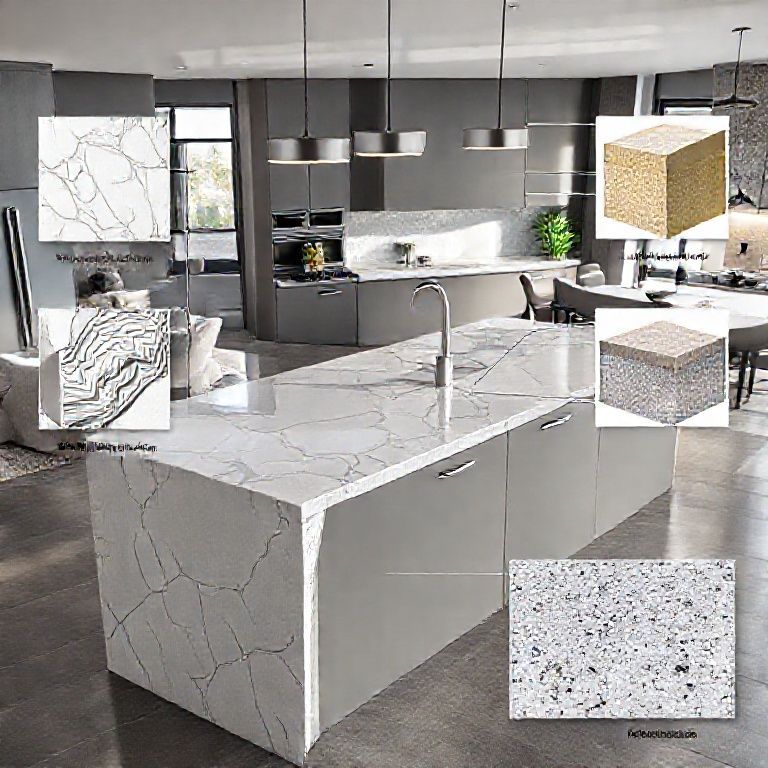
Visible Cracks: Any visible crack, no matter how small, should be addressed. Liquid Seepage: If you notice liquids seeping beneath the countertop, it’s a sign that the crack might be allowing water to penetrate. Surface Deterioration: Cracks can lead to surface deterioration over time, making the area more susceptible to staining and further damage. Changes in Appearance: A crack can cause discoloration or changes in the countertop’s appearance, which might be noticeable to guests or detract from the room’s aesthetic.
The Repair Process
The process of repairing a crack in an artificial stone countertop typically involves several steps:
Cleaning: The affected area is thoroughly cleaned to remove any debris, dirt, or moisture. Crack Assessment: Professionals assess the crack’s size, depth, and extent to determine the best repair method. Filling: A compatible stone filler or resin is used to fill the crack, matching the countertop’s color as closely as possible. Smoothing: The filled area is smoothed to create a seamless surface. Finishing: The repaired area is polished and finished to restore the countertop’s original luster.
By addressing cracks in a timely manner, you can maintain the beauty, functionality, and durability of your artificial stone countertop.
Advanced Repair Techniques and Long-term Maintenance for Artificial Stone Countertops
Once you’ve decided to repair cracks in your artificial stone countertop, it’s essential to understand the advanced techniques and long-term maintenance strategies that can ensure the longevity and aesthetic appeal of your countertop. This guide will explore the latest methods for repairing artificial stone and the best practices for maintaining these beautiful surfaces.
Advanced Repair Techniques
1. Micro-Filling
Micro-filling is an advanced technique that involves using a fine-grained stone filler to repair small cracks or imperfections in the artificial stone surface. This method allows for a high level of precision, ensuring that the repaired area blends seamlessly with the surrounding surface. The filler is carefully applied and smoothed to match the countertop’s texture and color, providing a nearly invisible repair.
2. Epoxy Resin Repair
Epoxy resin repair is another sophisticated method for addressing cracks in artificial stone countertops. Epoxy resins are formulated to match the color and texture of the stone, providing a durable and aesthetically pleasing repair. The resin is injected into the crack and then smoothed and polished to create a seamless finish. This method is particularly effective for larger cracks, as it provides strong adhesion and a high-quality repair.
3. Laser Repair
Laser repair is a cutting-edge technique that uses laser technology to repair cracks in artificial stone countertops. The laser heats the stone filler material, causing it to melt and fill the crack. The laser then smooths the surface, creating a seamless repair that matches the countertop’s original texture and color. This method offers precise control and a high level of accuracy, making it an excellent choice for intricate repairs.
Long-term Maintenance Strategies
1. Regular Cleaning
Regular cleaning is essential for maintaining the beauty and longevity of your artificial stone countertop. Use a mild soap or a dedicated stone countertop cleaner and a soft cloth to wipe down the surface daily. Avoid using abrasive cleaners or harsh chemicals, as these can damage the surface and lead to scratches or stains.
2. Immediate Cleanup of Spills
Liquids can seep beneath the surface of an artificial stone countertop, potentially causing damage if not addressed promptly. Wipe up spills immediately with a clean, dry cloth to prevent any liquids from penetrating the surface. For tougher spills, use a damp cloth to gently clean the area, followed by a dry cloth to ensure no moisture remains.
3. Use of Cutting Boards
To protect your artificial stone countertop from scratches and cuts, use cutting boards when preparing food. This will prevent knives and other sharp objects from damaging the surface. Place the cutting board on a silicone mat or place a sheet of parchment paper underneath to further protect the countertop.
4. Avoiding Heavy Objects
While artificial stone is incredibly durable, placing heavy objects directly on the countertop can cause cracks or dents. Use trivets or heat-resistant pads to protect the surface when placing hot pots, pans, or other heavy items on the countertop.
5. Regular Inspections
Regular inspections of your artificial stone countertop can help you catch minor cracks or imperfections before they become more significant issues. Check the surface for any signs of damage, and address any small cracks immediately to prevent them from expanding.
Choosing the Right Repair Material
Selecting the right repair material is crucial for ensuring a successful repair. The material must match the color, texture, and hardness of the original stone to provide a seamless repair. Use repair materials specifically designed for artificial stone countertops, as these are formulated to blend in perfectly and provide long-lasting durability.
Environmental Considerations
When repairing and maintaining your artificial stone countertop, consider the environmental impact of the products you use. Opt for eco-friendly cleaning products and repair materials to minimize your environmental footprint. Many modern cleaning and repair products are designed to be safe for both the countertop and the environment.
Conclusion
Repairing cracks in your artificial stone countertop is essential for maintaining its beauty, functionality, and durability. By understanding the implications of a crack and choosing the right repair technique, you can ensure that your countertop remains a stunning focal point in your kitchen or bathroom. Regular maintenance and prompt repairs will keep your artificial stone countertop looking and functioning like new, providing you with a beautiful and long-lasting surface for years to come.