Understanding Artificial Marble Fade and Causes
Artificial marble, often praised for its stunning aesthetic and durability, can unfortunately succumb to fading over time. This phenomenon can be particularly distressing for homeowners and business owners who have invested in high-quality artificial marble surfaces for their countertops, sinks, and other architectural elements. Understanding the causes of artificial marble fade is the first step toward effective restoration.
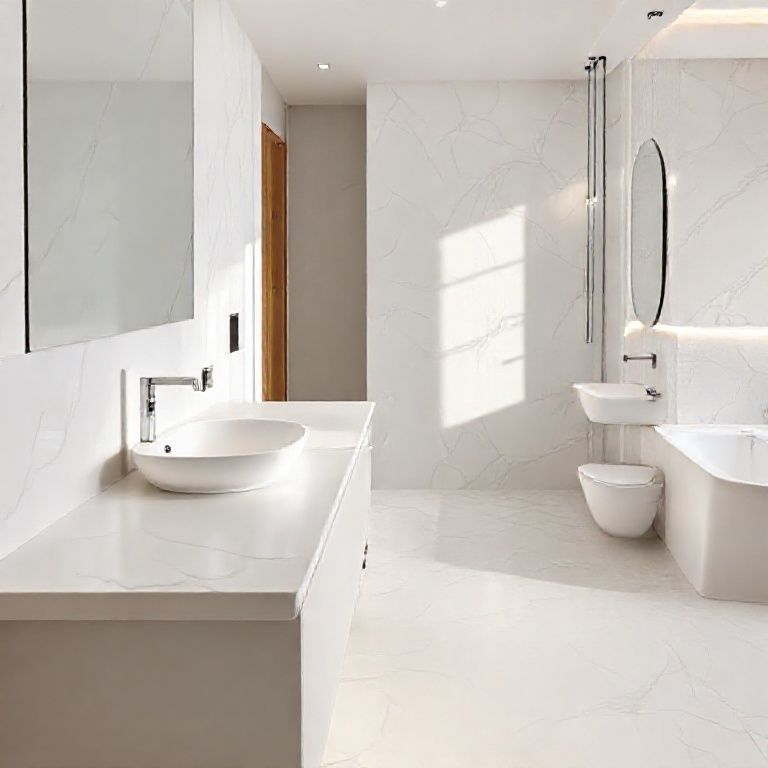
Causes of Artificial Marble Fade
Exposure to UV Light: Just like natural marble, artificial marble can suffer from UV light-induced fading. Prolonged exposure to sunlight or artificial UV lights can break down the pigments within the material, leading to a loss of color and an overall dull appearance.
Chemical Exposure: Cleaning products, especially those containing bleach or ammonia, can strip the surface of artificial marble, causing it to lose its vibrancy. Harsh chemicals can deteriorate the protective layers, making the material more susceptible to discoloration.
Abrasive Cleaning: Using abrasive cleaning tools or harsh scrubbing pads can damage the surface of artificial marble, causing scratches and dull spots. This mechanical wear can significantly contribute to the fading of colors.
Heat: High temperatures can also cause artificial marble to lose its color. This is particularly common in kitchens where the material is exposed to hot pots, pans, and steam. Over time, the heat can cause the pigments to fade, resulting in a less vibrant surface.
Aging: Like all materials, artificial marble ages over time. Even with proper care, the natural aging process can cause slight discoloration, especially in high-traffic areas where wear and tear are more pronounced.
Identifying the Signs of Fade
To determine if your artificial marble has started to fade, look for the following signs:
Color Discoloration: Noticeable changes in color, such as a lighter or darker hue, indicate fading. Dullness: A once bright and shiny surface now appears dull and lifeless. Surface Scratches: Tiny scratches or abrasions on the surface can lead to discoloration and a faded appearance.
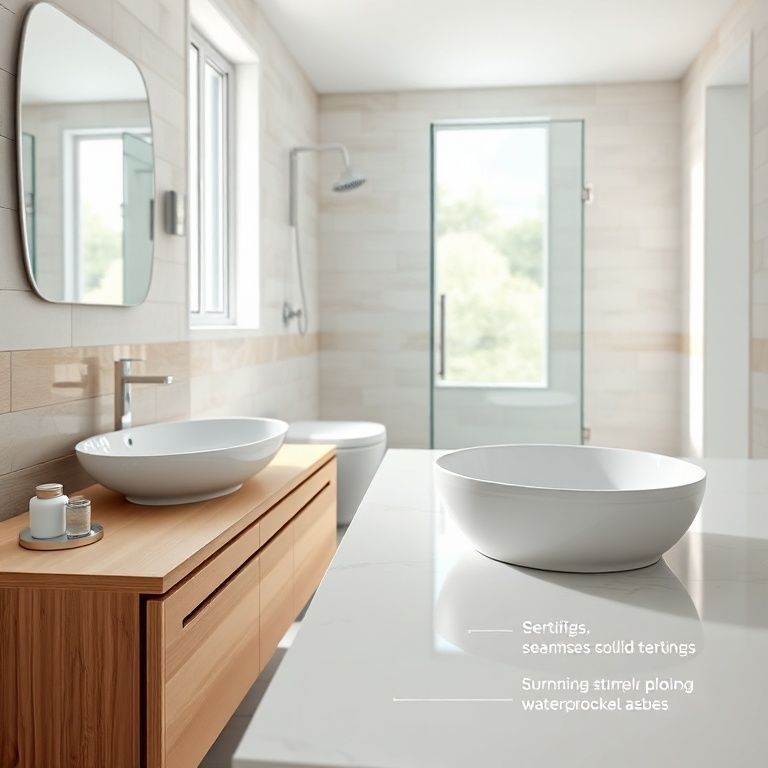
By recognizing these signs early, you can take proactive steps to restore the beauty and vibrancy of your artificial marble surfaces.
Preventive Measures
Preventing artificial marble fade is always easier than fixing it. Here are some preventive measures you can take to prolong the life and appearance of your artificial marble:
Use Gentle Cleaning Products: Opt for mild, non-abrasive cleaning products specifically designed for artificial marble. Avoid harsh chemicals that can strip the material of its protective layers.
Limit UV Exposure: If possible, limit direct exposure to UV light. Use shades or curtains to block sunlight, or relocate items that produce heat away from artificial marble surfaces.
Avoid Abrasive Tools: Use soft cloths and non-abrasive cleaning pads to avoid scratching the surface. For tough stains, consider using specialized marble cleaning solutions.
Regular Maintenance: Regularly clean and maintain your artificial marble surfaces to prevent build-up and potential damage. A simple wipe-down with a damp cloth can go a long way in maintaining the material’s appearance.
Temperature Control: Avoid placing hot pots or pans directly on artificial marble surfaces. Use trivets or pot holders to protect the material from high temperatures.
By implementing these preventive measures, you can significantly reduce the likelihood of artificial marble fading and ensure it retains its beauty for years to come.
Effective Solutions to Restore Artificial Marble’s Original Luster
Once your artificial marble has begun to fade, don’t despair. There are several effective solutions to restore its original luster and bring back its vibrant appearance. This comprehensive guide will walk you through the process of reviving your artificial marble surfaces.
Professional Restoration Services
For a high-quality, long-lasting solution, consider hiring a professional restoration service. Professionals have access to specialized tools and techniques that can effectively revive faded artificial marble. Here’s what you can expect from a professional restoration service:
Surface Cleaning: Professionals will start with a thorough cleaning to remove any dirt, grime, or build-up that may be contributing to the fade. This often involves using high-pressure cleaning and specialized chemical cleaners.
Surface Polishing: Once cleaned, the surface will be polished to remove any scratches and restore the material’s smooth texture. Polishing helps to bring back the shine and vibrancy of the artificial marble.
Color Restoration: Advanced techniques can be used to restore the original color of the artificial marble. This may involve color-matching and reapplication of pigments to ensure a seamless blend with the surrounding areas.
Protective Coating: To prevent future fading, professionals will often apply a protective coating or sealant. This layer acts as a barrier against UV light, chemicals, and mechanical wear, helping to maintain the restored appearance of the marble.
DIY Restoration Techniques
If you prefer to tackle the restoration yourself, there are several DIY techniques you can use to revive your artificial marble. Here are some effective methods:
Mild Cleaning Solutions: Start with a simple, mild cleaning solution. Mix warm water with a few drops of dish soap and use a soft cloth to gently clean the surface. Avoid using abrasive materials that can scratch the marble.
Lemon Juice and Baking Soda: Create a paste using lemon juice and baking soda. Apply the paste to the faded areas and let it sit for a few minutes before wiping it off with a damp cloth. The acidity of the lemon juice helps to brighten the surface, while the baking soda acts as a mild abrasive to remove dull spots.
Hydrogen Peroxide: For more stubborn stains or discoloration, you can use a solution of hydrogen peroxide and water. Apply the solution to the affected areas and let it sit for a few minutes before wiping it off with a clean cloth. Be cautious with this method, as hydrogen peroxide can be harsh on artificial marble surfaces.
Commercial Marble Restorers: There are several commercial products available specifically designed to restore the color and shine of artificial marble. Follow the manufacturer’s instructions carefully to achieve the best results.
Maintaining Restored Artificial Marble
After restoring the appearance of your artificial marble, it’s essential to maintain it properly to prevent future fading. Here are some tips for ongoing care:
Regular Cleaning: Continue to clean your artificial marble surfaces regularly using mild, non-abrasive cleaning products. A simple wipe-down with a damp cloth will help to keep the surface clean and free of build-up.
Protect from UV Light: Limit exposure to UV light by using shades or curtains to block sunlight. This will help to prevent further fading and discoloration.
Use Gentle Cleaning Tools: Avoid using abrasive cleaning tools or harsh chemicals. Opt for soft cloths and non-abrasive pads to keep the surface smooth and free of scratches.
Temperature Control: Avoid placing hot pots or pans directly on artificial marble surfaces. Use trivets or pot holders to protect the material from high temperatures.
By following these maintenance tips, you can ensure that your restored artificial marble retains its vibrant appearance and continues to look beautiful for years to come.
When to Seek Professional Help
While DIY restoration methods can be effective for minor issues, there are times when it’s best to seek professional help. Here are some scenarios when you should consider calling in a professional:
Severe Discoloration: If your artificial marble has suffered severe fading or discoloration, a professional restoration service can provide the expertise needed to restore its original appearance.
Complex Repairs: For more complex issues, such as deep scratches or significant color loss, a professional can use advanced techniques to achieve the best results.
Warranty Considerations: If your artificial marble is still under warranty, it’s important to follow the manufacturer’s guidelines for repairs. In some cases, DIY restoration may void the warranty, so it’s best to consult with a professional.
Peace of Mind: Sometimes, the best solution is to leave the restoration to the experts. A professional service can provide peace of mind knowing that the job has been done correctly and will last.
By understanding the best approach for restoring your artificial marble, whether through DIY methods or professional services, you can ensure that your beautiful surfaces remain vibrant and stunning for years to come.