Advantages and Disadvantages of Artificial Marble: Unveiling Its Unique Characteristics
In the world of modern materials, artificial marble stands out as a versatile and appealing choice for a variety of applications. This innovative material, often mistaken for natural marble, offers a range of benefits and some drawbacks that are worth exploring. In this first part of our series, we will delve into the advantages of artificial marble, focusing on its unique characteristics that make it a popular choice in both residential and commercial settings.
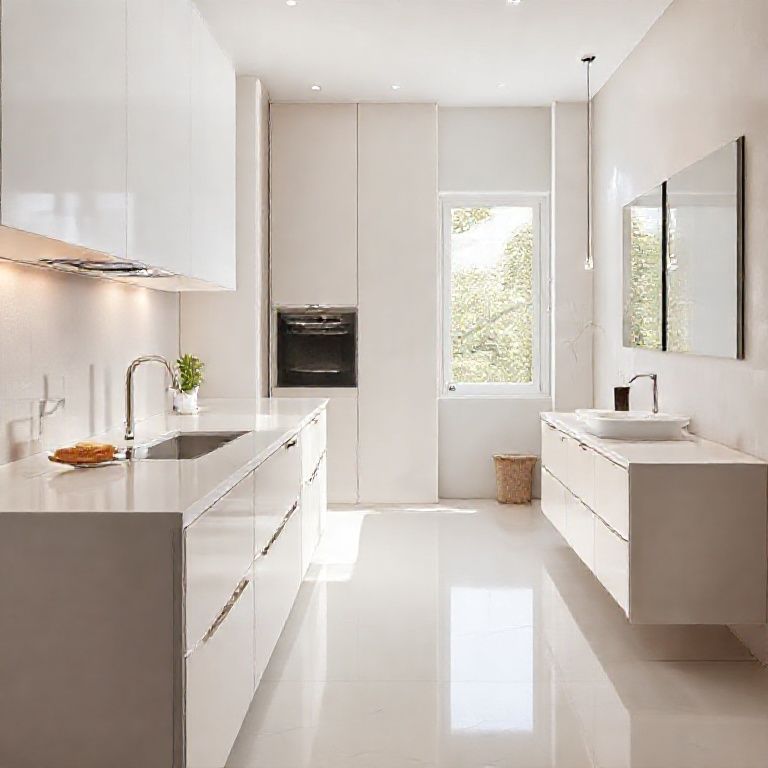
1. Aesthetic Appeal and Design Flexibility
One of the most significant advantages of artificial marble is its aesthetic appeal. It closely mimics the natural beauty of real marble, offering a stunning range of colors, patterns, and finishes. The design flexibility of artificial marble allows for custom creations tailored to specific design needs. Whether you want a classic look or a contemporary design, artificial marble can be engineered to meet these demands.
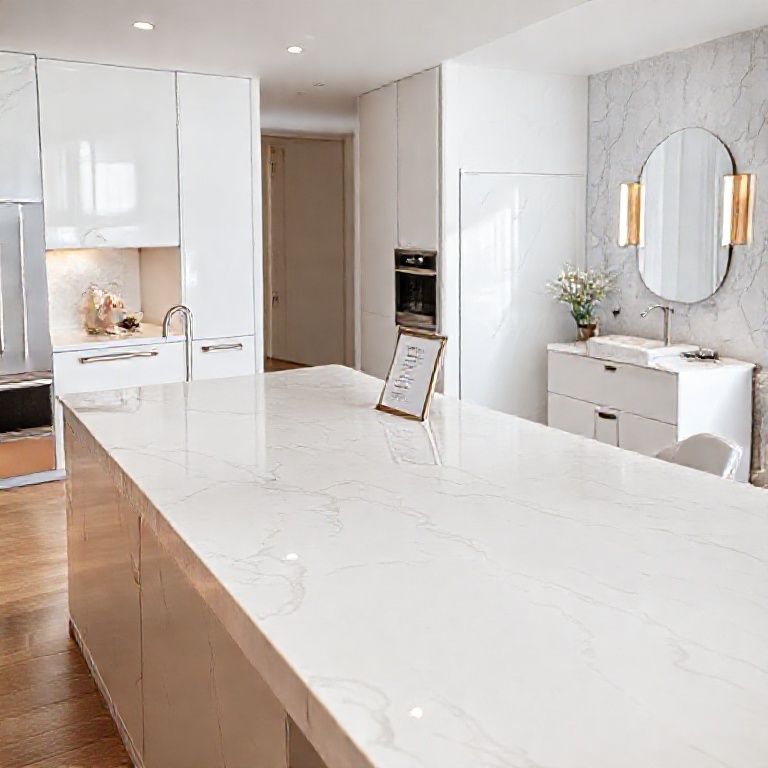
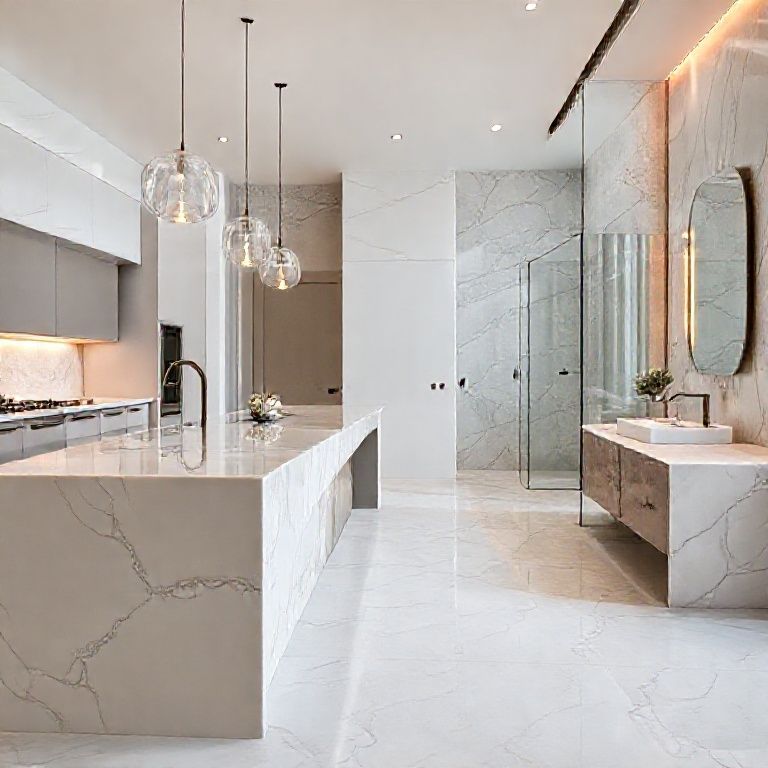
Artificial marble can be used in various settings, from countertops and kitchen islands to bathroom vanities and decorative features. Its ability to replicate the intricate veining and color variations of natural marble makes it an excellent choice for those seeking a luxurious appearance without the high cost of natural stone.
2. Cost-Effectiveness
Cost is often a major factor in material selection, especially for large-scale projects. Artificial marble is significantly more affordable than natural marble, making it an attractive option for homeowners and businesses looking to maximize their budgets. The production process of artificial marble is also less resource-intensive, reducing overall manufacturing costs.
Moreover, the lower initial cost of artificial marble is often accompanied by lower maintenance and repair costs. Unlike natural marble, which can be prone to damage from acid-based cleaning products, artificial marble is resistant to stains, scratches, and other forms of wear, thereby requiring less upkeep over time.
3. Durability and Longevity
Artificial marble is known for its durability. It is made from a composite of minerals, resins, and pigments, which gives it a robust structure capable of withstanding heavy use and daily wear. This makes it ideal for high-traffic areas such as kitchens and bathrooms where natural stone might not last as long.
The longevity of artificial marble also extends to its resistance to temperature fluctuations and thermal shock. This characteristic ensures that it maintains its integrity and appearance even in environments where temperature changes are frequent.
4. Environmentally Friendly Production
The production of artificial marble is more environmentally friendly compared to natural marble extraction. The manufacturing process does not require the extensive quarrying and transportation that natural marble production entails. This results in a lower carbon footprint and reduced environmental impact.
Additionally, the use of recycled materials in the production of artificial marble can contribute to sustainability efforts. Many manufacturers incorporate recycled glass and other waste materials into the composite, reducing the need for new raw materials and minimizing landfill waste.
5. Easy Installation and Versatility
Artificial marble is also versatile in terms of installation. It can be easily cut, shaped, and installed by professionals, making it suitable for various applications without the need for specialized skills or equipment. Its lightweight nature simplifies the installation process and reduces labor costs.
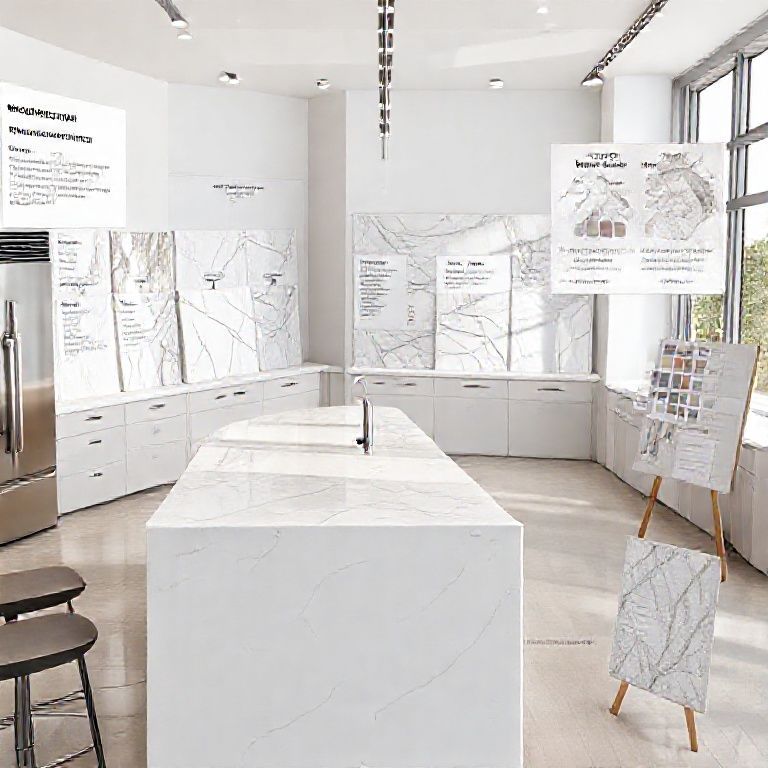
The material’s versatility extends to its use in different forms, including tiles, slabs, and decorative elements. This adaptability makes it an excellent choice for both large-scale renovations and smaller, more intimate projects.
6. Customizable Properties
One of the standout features of artificial marble is its ability to be customized to meet specific requirements. Manufacturers can adjust the composition and finish to achieve desired properties such as increased hardness, improved resistance to specific chemicals, or unique aesthetic effects. This level of customization allows for innovative design possibilities that can cater to unique client needs.
7. Health and Safety Benefits
Artificial marble is free from the bacteria and mold that can sometimes be found in natural stone. This makes it a safer choice for high-traffic areas like kitchens and bathrooms where hygiene is paramount. Additionally, the material does not contain any harmful chemicals or toxins, providing a healthier environment for users.
Conclusion
In summary, the advantages of artificial marble are numerous and compelling. From its aesthetic appeal and cost-effectiveness to its durability and environmental benefits, artificial marble offers a compelling alternative to natural stone. In the next part of this series, we will explore the disadvantages and challenges associated with this versatile material, providing a balanced view to help you make an informed decision. Stay tuned for an in-depth look at the less-discussed aspects of artificial marble.
The Disadvantages and Challenges of Artificial Marble: A Balanced Perspective
In our previous discussion, we explored the myriad advantages of artificial marble, highlighting its aesthetic appeal, cost-effectiveness, durability, and more. Now, let’s delve into the disadvantages and challenges that come with this versatile material. Understanding both the pros and cons will provide a comprehensive view to help you make an informed decision about whether artificial marble is the right choice for your project.
1. Limited Versatility in Design
While artificial marble offers a wide range of colors and patterns, its versatility in design is somewhat limited compared to natural marble. The manufacturing process of artificial marble, which involves mixing resins, pigments, and minerals, can result in less natural-looking veining and texture compared to the unique, organic patterns found in natural marble. This can be a drawback for projects where the intricate and organic beauty of natural stone is highly valued.
2. Potential for Surface Damage
Although artificial marble is durable, it is not indestructible. While it is resistant to scratches and stains, it can still be damaged by sharp objects and heavy impacts. This makes it less suitable for areas where heavy use and potential for accidental damage are common. For instance, it might not be the best choice for high-traffic areas like entryways where shoes and bags could scratch the surface.
3. Limited Availability of Customization
While artificial marble can be customized to some extent, the range of customization options is more limited compared to natural marble. Manufacturers can modify the material’s color, texture, and some physical properties, but achieving the same level of unique, organic customization found in natural marble is not possible. This might be a limitation for those seeking highly specific design elements.
4. Higher Upfront Costs for Certain Customizations
Some of the customizations available for artificial marble, such as creating highly unique designs or achieving specific finishes, can incur higher upfront costs. While the overall cost of artificial marble is generally lower than natural marble, certain custom orders might push the price closer to that of natural stone. This could affect budget planning for large-scale projects.
5. Potential for Surface Imperfections
Despite its durability, artificial marble is not immune to imperfections. During the manufacturing process, small inconsistencies or imperfections can occur, which might not be visible until the material is cut and installed. These imperfections can include minor color variations, slight surface irregularities, or tiny inclusions. While these might not be significant in most applications, they can be noticeable in high-end or custom projects.
6. Long-Term Durability Concerns
While artificial marble is known for its durability, long-term durability can be a concern. Over time, the resins and binders used in the material might degrade, leading to potential issues such as surface flaking or color fading. While this is rare, it’s something to consider for long-term projects where the material will be in use for decades.
7. Limited Availability of Warranties
The availability and terms of warranties for artificial marble can vary widely depending on the manufacturer and the specific product. While some manufacturers offer robust warranties, others might provide limited coverage or have specific exclusions. This variability can make it challenging to ensure that the product will meet your long-term needs and expectations.
8. Environmental Concerns
Although artificial marble has a lower environmental impact compared to natural marble, it is not entirely free of environmental concerns. The production process still generates waste and emissions, and the use of synthetic materials can raise questions about sustainability and ecological impact. Additionally, the disposal of artificial marble at the end of its life cycle might not be as straightforward as that of natural stone.
9. Perception and Acceptance
In some circles, there is still a perception that artificial marble is inferior to natural marble, despite its many advantages. This perception can affect the acceptance of the material in certain markets or by certain clients who place a high value on natural stone. Overcoming this perception can require education and demonstration of the material’s quality and durability.
10. Maintenance Requirements
While artificial marble is generally low-maintenance, it still requires regular cleaning and maintenance to maintain its appearance and longevity. Unlike natural marble, which can often be cleaned with simple water and mild soap, artificial marble might require specialized cleaning products to avoid surface damage. Regular maintenance ensures that the material retains its aesthetic appeal and durability over time.
Conclusion
The Disadvantages and Challenges of Artificial Marble: A Balanced Perspective
In our previous discussion, we explored the myriad advantages of artificial marble, highlighting its aesthetic appeal, cost-effectiveness, durability, and more. Now, let’s delve into the disadvantages and challenges that come with this versatile material. Understanding both the pros and cons will provide a comprehensive view to help you make an informed decision about whether artificial marble is the right choice for your project.
1. Limited Versatility in Design
While artificial marble offers a wide range of colors and patterns, its versatility in design is somewhat limited compared to natural marble. The manufacturing process of artificial marble, which involves mixing resins, pigments, and minerals, can result in less natural-looking veining and texture compared to the unique, organic patterns found in natural marble. This can be a drawback for projects where the intricate and organic beauty of natural stone is highly valued.
2. Potential for Surface Damage
Although artificial marble is durable, it is not indestructible. While it is resistant to scratches and stains, it can still be damaged by sharp objects and heavy impacts. This makes it less suitable for areas where heavy use and potential for accidental damage are common. For instance, it might not be the best choice for high-traffic areas like entryways where shoes and bags could scratch the surface.
3. Limited Availability of Customization
While artificial marble can be customized to some extent, the range of customization options is more limited compared to natural marble. Manufacturers can modify the material’s color, texture, and some physical properties, but achieving the same level of unique, organic customization found in natural marble is not possible. This might be a limitation for those seeking highly specific design elements.
4. Higher Upfront Costs for Certain Customizations
Some of the customizations available for artificial marble, such as creating highly unique designs or achieving specific finishes, can incur higher upfront costs. While the overall cost of artificial marble is generally lower than natural marble, certain custom orders might push the price closer to that of natural stone. This could affect budget planning for large-scale projects.
5. Potential for Surface Imperfections
Despite its durability, artificial marble is not immune to imperfections. During the manufacturing process, small inconsistencies or imperfections can occur, which might not be visible until the material is cut and installed. These imperfections can include minor color variations, slight surface irregularities, or tiny inclusions. While these might not be significant in most applications, they can be noticeable in high-end or custom projects.
6. Long-Term Durability Concerns
While artificial marble is known for its durability, long-term durability can be a concern. Over time, the resins and binders used in the material might degrade, leading to potential issues such as surface flaking or color fading. While this is rare, it’s something to consider for long-term projects where the material will be in use for decades.
7. Limited Availability of Warranties
The availability and terms of warranties for artificial marble can vary widely depending on the manufacturer and the specific product. While some manufacturers offer robust warranties, others might provide limited coverage or have specific exclusions. This variability can make it challenging to ensure that the product will meet your long-term needs and expectations.
8. Environmental Concerns
Although artificial marble has a lower environmental impact compared to natural marble, it is not entirely free of environmental concerns. The production process still generates waste and emissions, and the use of synthetic materials can raise questions about sustainability and ecological impact. Additionally, the disposal of artificial marble at the end of its life cycle might not be as straightforward as that of natural stone.
9. Perception and Acceptance
In some circles, there is still a perception that artificial marble is inferior to natural marble, despite its many advantages. This perception can affect the acceptance of the material in certain markets or by certain clients who place a high value on natural stone. Overcoming this perception can require education and demonstration of the material’s quality and durability.
10. Maintenance Requirements
While artificial marble is generally low-maintenance, it still requires regular cleaning and maintenance to maintain its appearance and longevity. Unlike natural marble, which can often be cleaned with simple water and mild soap, artificial marble might require specialized cleaning products to avoid surface damage. Regular maintenance ensures that the material retains its aesthetic appeal and durability over time.
Conclusion
In conclusion, while artificial marble offers numerous advantages, it also comes with certain disadvantages and challenges. From limited design versatility to potential surface imperfections and maintenance requirements, it’s essential to weigh these factors carefully when making a decision. Understanding both the positive and negative aspects of artificial marble will help you determine if it’s the right choice for your specific needs and preferences. In the end, the decision should be based on a balanced view of both the benefits and drawbacks, ensuring that you choose the material that best fits your project’s requirements and your personal preferences.