The Advantages of Engineered Marble
Introduction: Engineered marble, a contemporary marvel in the realm of stone materials, has revolutionized the way we approach home and commercial design. This innovative material combines the luxurious look of natural marble with superior functionality, making it an appealing choice for architects, designers, and homeowners alike. In this part, we will delve into the myriad advantages of engineered marble, exploring its unmatched durability, cost-effectiveness, aesthetic appeal, and ease of installation.
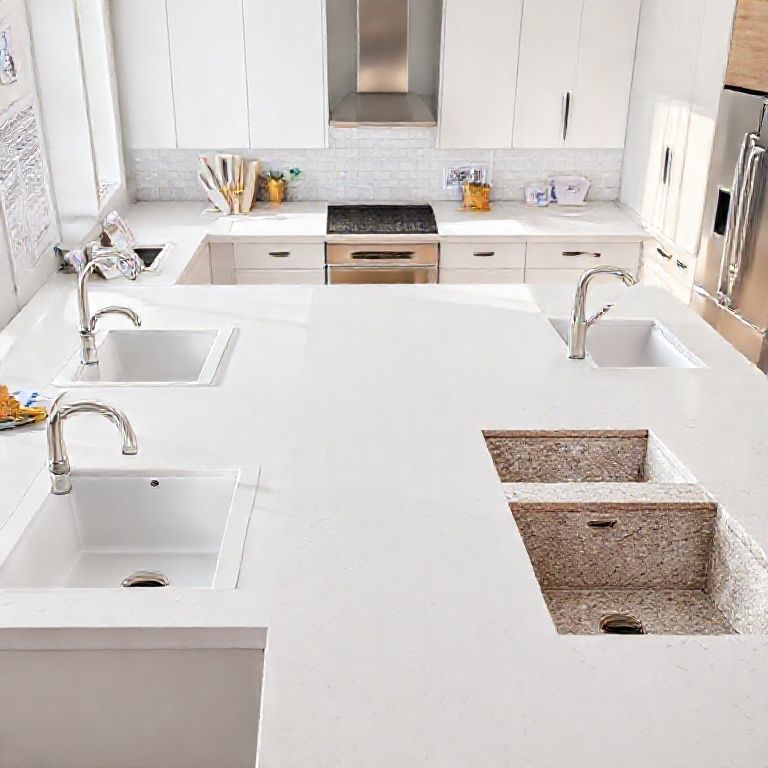
Durability and Strength: One of the standout features of engineered marble is its exceptional durability. Unlike natural marble, which is prone to chips, cracks, and staining, engineered marble is crafted through a process that fuses marble dust with a resin binder. This results in a composite material that is significantly harder and more resistant to wear and tear. This enhanced durability means that engineered marble can withstand heavy foot traffic and daily use without showing signs of damage, making it ideal for high-traffic areas like kitchens, bathrooms, and commercial spaces.
Cost-Effectiveness: When it comes to cost, engineered marble often provides a more budget-friendly alternative to natural marble. The manufacturing process of engineered marble is more economical as it does not require the extensive quarrying and transportation associated with natural stone. This cost efficiency is passed on to consumers, allowing them to enjoy the luxurious appearance of marble at a fraction of the price. Additionally, the longevity of engineered marble reduces the need for frequent replacements, further contributing to its cost-effectiveness.
Aesthetic Appeal: Engineered marble brings the timeless elegance of natural marble into modern design with its striking visual appeal. The manufacturing process allows for a wide range of colors, patterns, and textures, giving designers the freedom to create bespoke designs that match any aesthetic vision. The high-quality finish of engineered marble surfaces provides a sleek, polished look that can elevate the ambiance of any space, from upscale dining rooms to contemporary office environments.
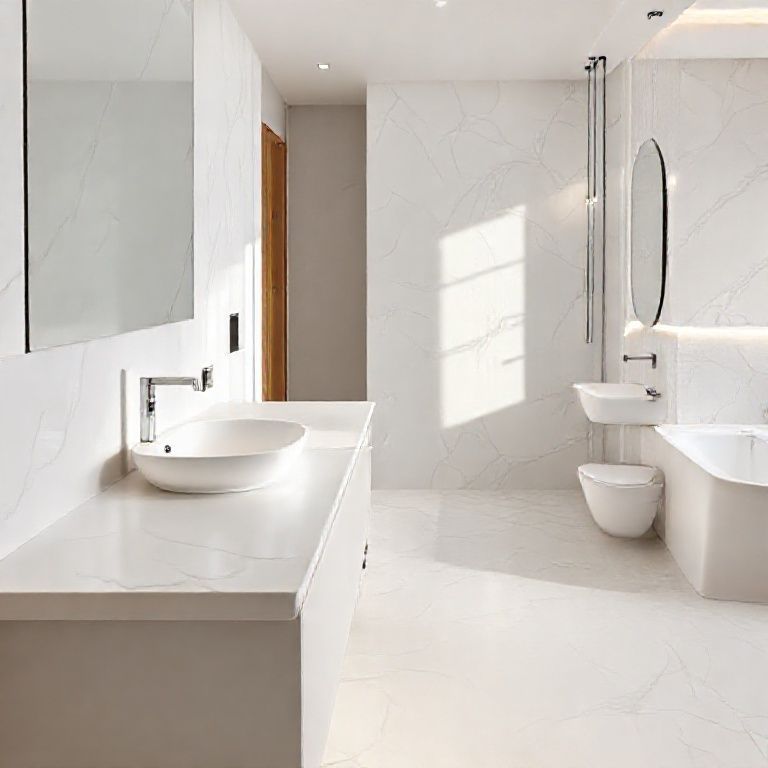
Ease of Installation: Another significant advantage of engineered marble is its ease of installation. Engineered marble slabs are typically pre-cut and ready for installation, which simplifies the process and reduces labor costs. Unlike natural marble, which often requires specialized cutting and fitting, engineered marble can be easily installed by standard tile installers. This streamlined installation process also means less downtime for projects, as the material does not require curing or additional finishing.
Maintenance: The low maintenance nature of engineered marble is another key benefit. Unlike natural marble, which needs regular sealing to prevent staining and etching, engineered marble requires minimal upkeep. A simple cleaning routine with mild soap and water is usually sufficient to maintain its pristine appearance. This ease of maintenance makes engineered marble an attractive option for busy households and commercial establishments alike.
Versatility: Engineered marble’s versatility extends beyond its appearance. It can be used in a wide range of applications, from countertops and backsplashes to floors and decorative elements. The material’s ability to withstand high temperatures and pressure makes it suitable for various settings, including kitchens and bathrooms where moisture and heat are common. This flexibility allows designers to incorporate engineered marble into diverse and imaginative design schemes.
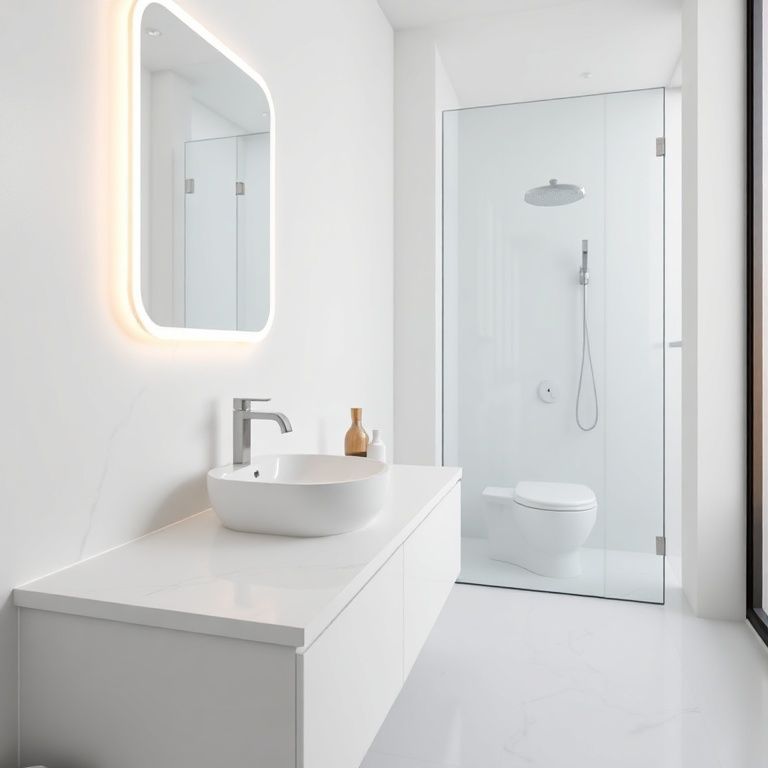
Conclusion: In conclusion, engineered marble stands out as a remarkable material with numerous advantages that make it a popular choice in both residential and commercial design. Its superior durability, cost-effectiveness, aesthetic appeal, ease of installation, low maintenance, and versatility combine to offer a compelling alternative to natural marble. As we explore the disadvantages in the next part, it is clear that engineered marble brings a wealth of benefits to modern design and functionality.
The Disadvantages of Engineered Marble
Introduction: While engineered marble boasts a host of advantages, it is not without its drawbacks. Understanding the limitations of this material is crucial for making an informed decision when choosing between engineered and natural marble. In this part, we will examine the disadvantages of engineered marble, focusing on its long-term durability, aesthetic inconsistencies, environmental impact, and potential issues during installation and maintenance.
Long-Term Durability: Although engineered marble is durable, it is not without its limitations in terms of long-term durability. The resin binder used in its creation can degrade over time, especially when exposed to extreme conditions such as intense heat or constant moisture. This degradation can lead to a gradual loss of strength and appearance, potentially necessitating repairs or replacements sooner than expected. While the lifespan of engineered marble is generally longer than many other synthetic materials, it may not match the indefinite durability of the best-quality natural marble.
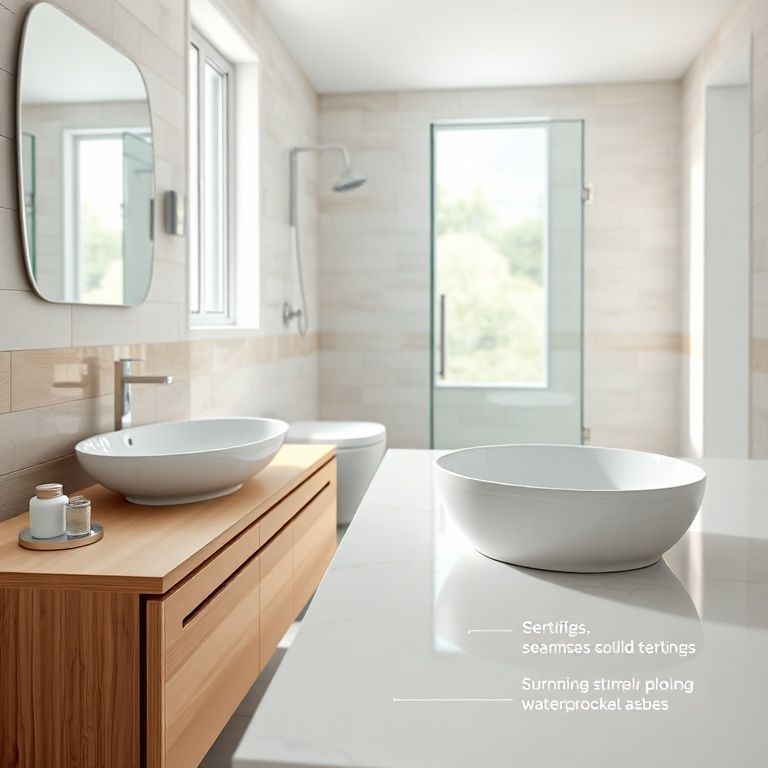
Aesthetic Inconsistencies: The aesthetic appeal of engineered marble, while versatile, can sometimes fall short when compared to natural marble. The manufacturing process, which involves layering and bonding different materials, can result in slight inconsistencies in color and texture. While high-quality engineered marble can mimic the look of natural marble closely, there are often subtle variations in the grain and finish that can be noticeable up close. These inconsistencies may be less apparent in general use but can be a concern for those seeking a perfectly uniform appearance.
Environmental Impact: The production of engineered marble involves the use of resins and other synthetic materials, which can raise environmental concerns. The manufacturing process can release volatile organic compounds (VOCs) into the air, contributing to indoor air pollution. Although advancements in material science have reduced these emissions, the environmental impact remains a consideration for environmentally-conscious consumers. Additionally, the disposal of engineered marble at the end of its life cycle may pose challenges, as it does not always break down easily and can contribute to landfill waste.
Installation Issues: While engineered marble is generally easy to install, there are potential issues that can arise during the process. The material can be more brittle than natural marble, making it susceptible to damage during transportation and installation if not handled carefully. Special care must be taken to avoid dropping or misaligning the slabs, as even minor damage can compromise the overall appearance and integrity of the installation. Moreover, the thickness of engineered marble slabs can make them less convenient to work with compared to thinner natural marble tiles, particularly in tight spaces.
Maintenance Challenges: Although engineered marble requires less maintenance than many other materials, there are still some challenges to be aware of. The resin binder can sometimes be less resistant to certain chemicals and abrasives than natural marble, meaning that care must be taken when cleaning and maintaining the surface. Specific cleaning products designed for engineered marble should be used to avoid etching or damaging the surface. Additionally, while engineered marble is generally low maintenance, it can still accumulate scratches or stains over time, requiring occasional touch-ups or replacements.
Natural vs. Synthetic: For some, the idea of using a synthetic material instead of natural marble is a significant consideration. The perception of “naturalness” often influences design choices, with many preferring the authentic look and feel of natural marble. While engineered marble can mimic natural marble closely, there remains a preference among some for the unique characteristics and imperfections of genuine stone, which add character and history to a space.
Conclusion: In conclusion, while engineered marble offers numerous benefits, it is important to weigh these against its limitations. The long-term durability, aesthetic inconsistencies, environmental impact, installation challenges, maintenance requirements, and the preference for natural materials all present considerations that should be carefully evaluated. By understanding both the advantages and disadvantages, consumers and designers can make well-informed decisions that align with their specific needs and preferences, ensuring the best possible outcome for their projects.
This detailed exploration of the advantages and disadvantages of engineered marble provides a comprehensive understanding of this versatile material, helping you make an informed choice for your next design project.