
The Advantages and Disadvantages of Engineered Marble: Part 1
In today’s world, where design and functionality are paramount, engineered marble has emerged as a top choice for both residential and commercial spaces. But what exactly makes this material so appealing, and what are its drawbacks? In this first part of our comprehensive overview, we’ll explore the myriad advantages of engineered marble.
1. Aesthetic Appeal
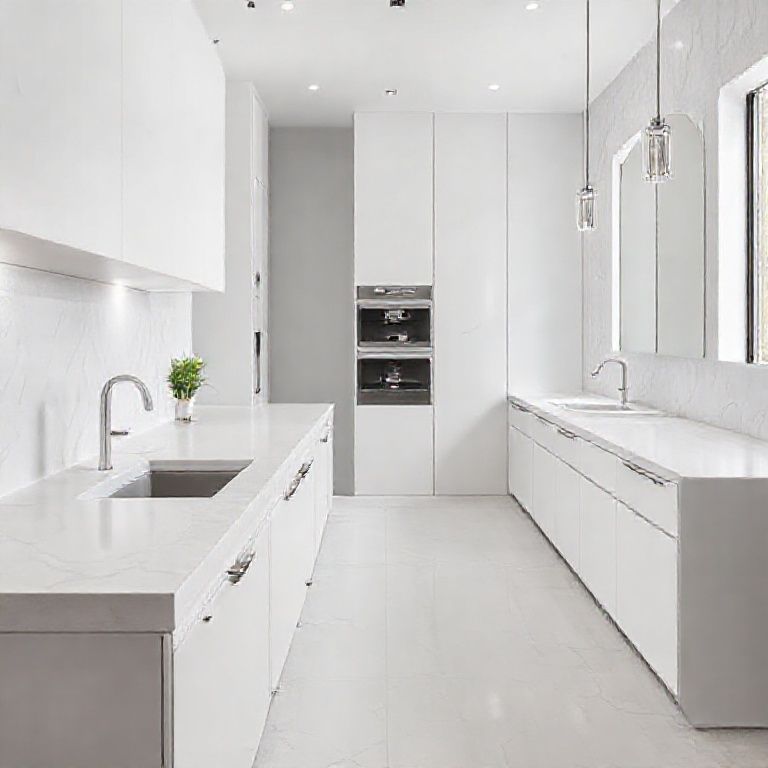
One of the primary reasons why engineered marble is so popular is its stunning aesthetic appeal. This material mimics the natural beauty of traditional marble while offering a wider range of colors, patterns, and textures. Whether you prefer a classic white or a bold, exotic hue, engineered marble can be crafted to match virtually any design vision.
The surface of engineered marble is often polished to a high gloss, giving it a luxurious and elegant look that is hard to beat. This makes it an excellent choice for high-end countertops, backsplashes, and other interior design elements where visual impact is crucial.
2. Durability and Strength
Engineered marble is known for its impressive durability. Unlike natural stone, which can be prone to scratching, chipping, and staining, engineered marble is designed to withstand everyday wear and tear. It is made from a composite of natural stone powder, resin, and other binding agents, which results in a material that is both strong and resilient.
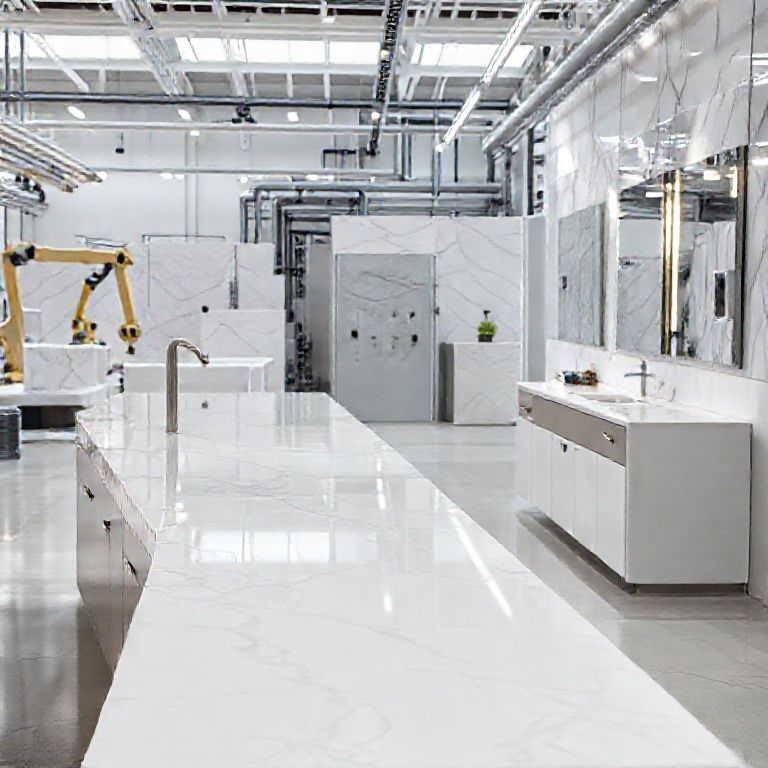
This durability means that engineered marble countertops can last for decades, maintaining their appearance and functionality through years of use. It also means that they require less maintenance than natural stone, which often needs sealing and re-sealing to protect it from stains.
3. Cost-Effectiveness
Another significant advantage of engineered marble is its cost-effectiveness. Producing engineered marble is generally cheaper than working with natural marble or other stone materials. This lower cost is often passed on to consumers, making engineered marble a more affordable option for those looking to achieve a high-end look without breaking the bank.
Additionally, the lower cost is not just in the material itself but also in installation. Engineered marble is easier to install since it is typically lighter and less cumbersome than natural stone, reducing labor costs and making the overall project less expensive.
4. Customizability
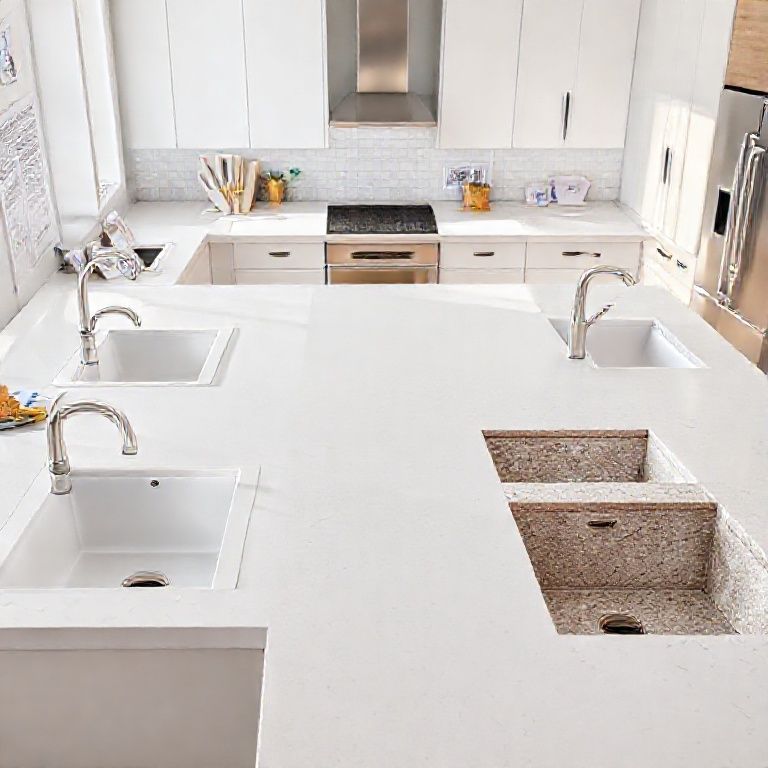
Engineered marble offers a high degree of customizability. Designers and homeowners can choose from a vast array of colors, patterns, and textures to create a unique look that suits their specific needs and preferences. This flexibility allows for endless creative possibilities, from replicating the look of traditional marble to creating entirely new and innovative designs.
Moreover, engineered marble can be easily cut to size, making it suitable for any space or design requirement. Whether you need a custom countertop, a unique backsplash, or a bespoke floor, engineered marble can be tailored to fit your exact specifications.
5. Environmental Friendliness
Engineered marble is also an environmentally friendly choice. Since it is made from natural stone powder and resin, it does not require the extraction of new stone, thus reducing the environmental impact associated with quarrying and transporting natural stone. This makes engineered marble a more sustainable option for those concerned about the ecological footprint of their construction and renovation projects.
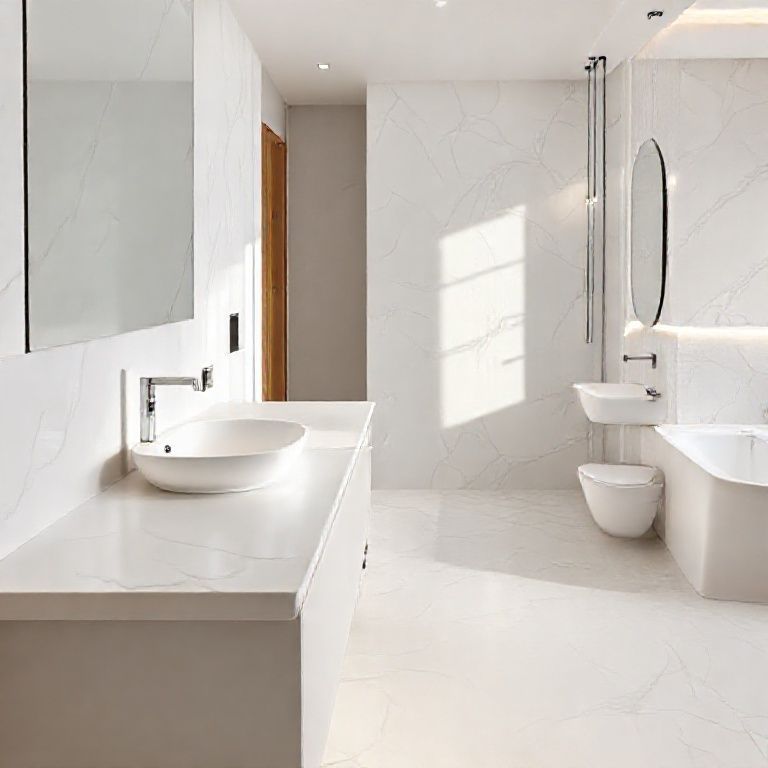
Furthermore, the production of engineered marble typically generates less waste than the extraction and processing of natural stone. The materials used in its creation are often recycled, and the manufacturing process is designed to minimize waste, making it a more eco-conscious choice.
The Advantages and Disadvantages of Engineered Marble: Part 2
In this second part of our comprehensive overview, we will delve into the disadvantages of engineered marble. While this material offers numerous benefits, it is essential to understand its limitations to make an informed decision. Here, we explore the potential drawbacks of using engineered marble in your home or commercial project.
1. Heat Sensitivity
One of the most significant disadvantages of engineered marble is its sensitivity to heat. Unlike natural stone, which can withstand high temperatures, engineered marble can be damaged by heat. Hot pots, pans, and other heated items can cause the surface to discolor, warp, or crack over time.
This means that while engineered marble can look beautiful, it may not be the best choice for kitchens where hot items are frequently placed on countertops. To mitigate this issue, it is advisable to use heat-resistant mats or place trivets under hot pots and pans.
2. Limited Lifespan Compared to Natural Stone
While engineered marble is durable, it still has a limited lifespan compared to natural stone. Natural marble, granite, and other stones have been used for centuries because of their longevity and resistance to wear and tear. Although engineered marble is designed to last for decades, it may not match the indefinite lifespan of natural stone.
This does not mean that engineered marble is a poor choice; it simply means that it may require more frequent replacement or maintenance compared to natural stone. However, given its cost-effectiveness and aesthetic appeal, this may still be a worthwhile trade-off for many homeowners and businesses.
3. Lack of Natural Grain
Another disadvantage of engineered marble is the lack of natural grain found in natural stone. While this may not be an issue for some, others may prefer the unique, organic patterns of natural marble or granite. Engineered marble, on the other hand, offers a more uniform appearance with a polished finish that can look artificial to some.
For those who appreciate the natural beauty and unique characteristics of natural stone, engineered marble may not fully satisfy their aesthetic preferences. However, this also means that the patterns and colors can be precisely replicated, providing a consistent look throughout a space.
4. Maintenance Requirements
Although engineered marble is less demanding than natural stone in terms of maintenance, it still requires some care to maintain its appearance. Over time, the polished surface can develop scratches, stains, and water spots. While these can often be cleaned with appropriate products, they can be more challenging to remove than those on natural stone.
Regular cleaning with a mild soap and water solution, followed by a suitable marble polish, can help maintain the surface’s shine and integrity. It is also essential to avoid using abrasive cleaners or sponges that can scratch the surface.
5. Installation Challenges
While engineered marble is generally easier to install than natural stone, it can still present some challenges. The composite material can be more brittle than natural stone, which means it may not be suitable for areas subjected to heavy impact or heavy weight.
Additionally, the installation process can sometimes be more complex than expected, requiring specialized tools and techniques. It is often best to hire experienced professionals to ensure the material is installed correctly to avoid any potential issues.
6. Potential for Chemical Damage
Engineers marble, like natural stone, can be susceptible to damage from certain chemicals. Acidic substances such as vinegar, lemon juice, and other cleaning agents can cause discoloration or etching on the surface of engineered marble.
To prevent damage, it is important to avoid using acidic cleaners on engineered marble countertops and to use cutting boards and other protective measures when working with acidic foods. Regular cleaning with water and mild soap is usually sufficient to keep the surface looking its best.
7. Availability and Customization Limitations
While engineered marble offers a high degree of customizability, there are still limitations to what can be achieved. Certain colors, patterns, and textures may not be available, and creating highly unique designs can be more challenging than with natural stone.
Moreover, since engineered marble is a composite material, it may not be possible to create certain intricate designs or patterns that are easily achievable with natural stone. For highly specific design needs, natural stone may still be the best option.
Conclusion
In conclusion, engineered marble offers a range of benefits, including aesthetic appeal, durability, cost-effectiveness, customizability, and environmental friendliness. However, it also has its drawbacks, such as heat sensitivity, a limited lifespan compared to natural stone, a lack of natural grain, maintenance requirements, installation challenges, potential for chemical damage, and availability limitations.
By understanding both the advantages and disadvantages of engineered marble, you can make a well-informed decision that best suits your needs and preferences. Whether you choose engineered marble for its beauty and affordability or opt for natural stone for its timeless elegance and unique character, both materials offer excellent options for enhancing the beauty and functionality of your space.

