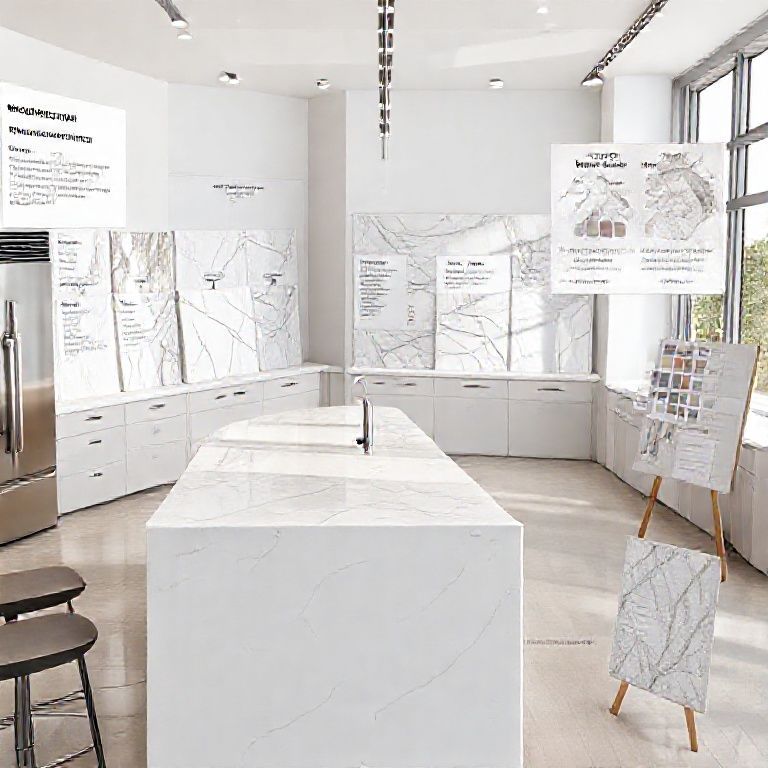
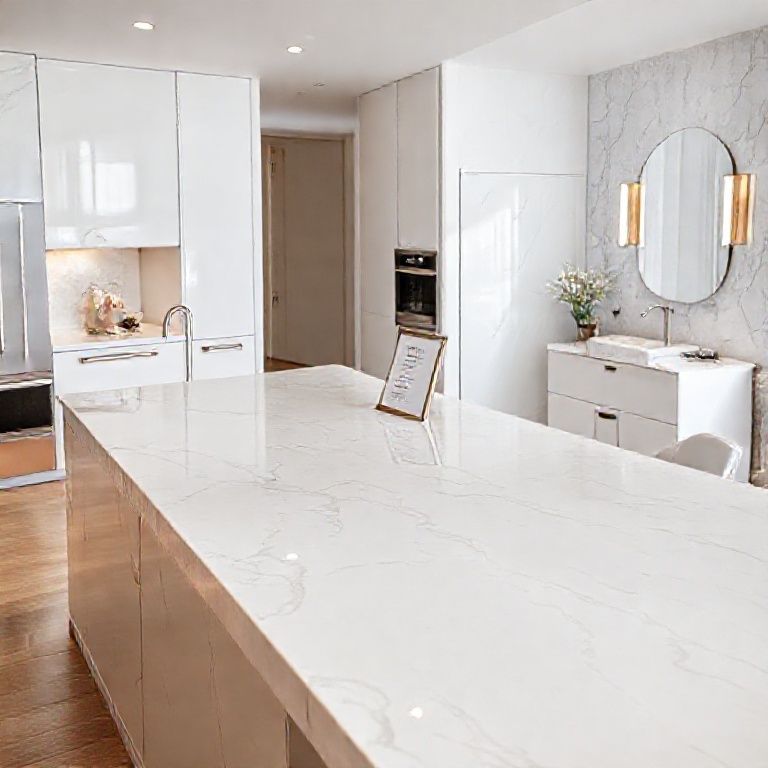
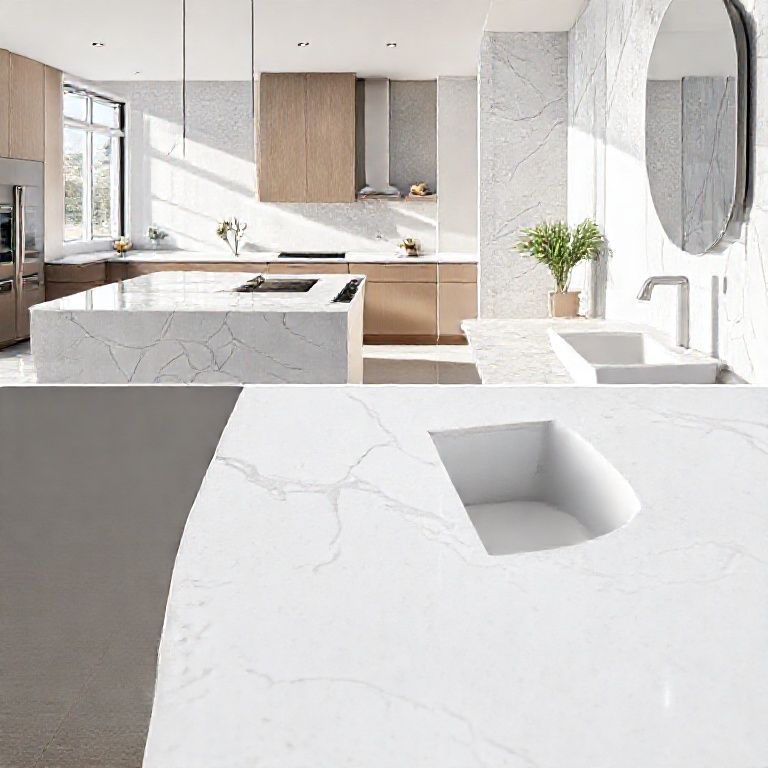
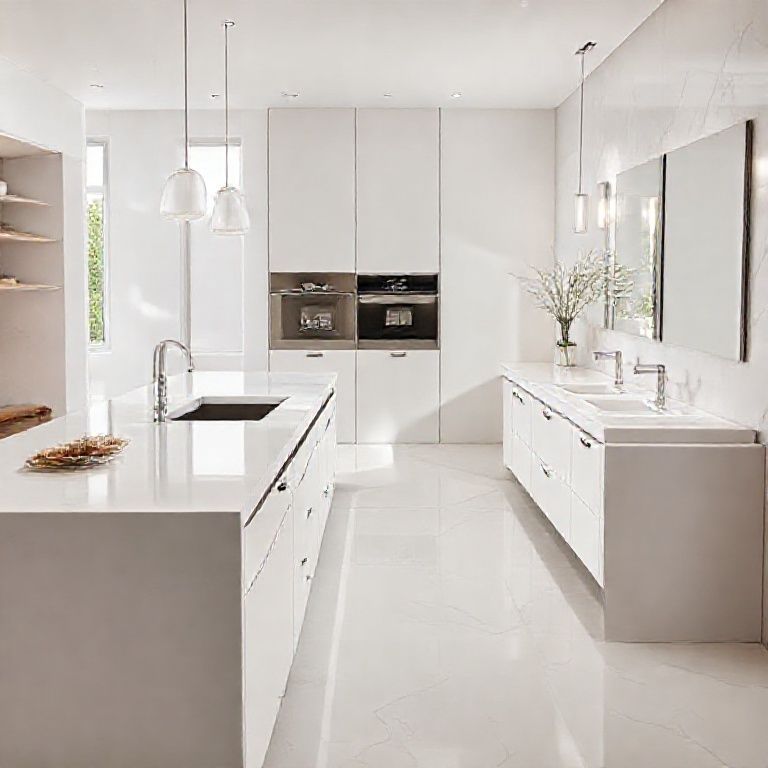
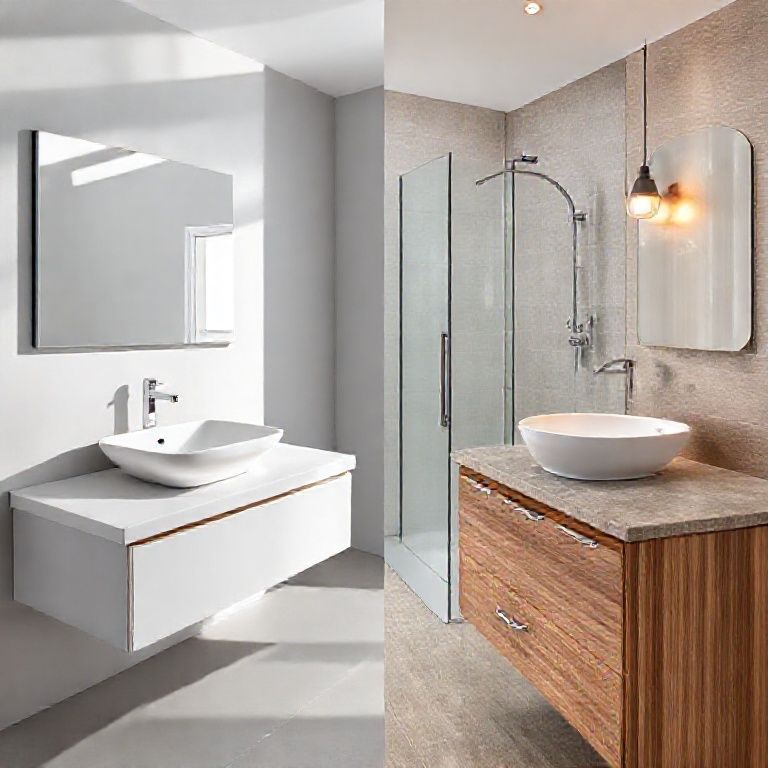
Artificial marble, also known as composite stone, has emerged as a superior alternative to natural stone in many aspects. Here are some of the key advantages:
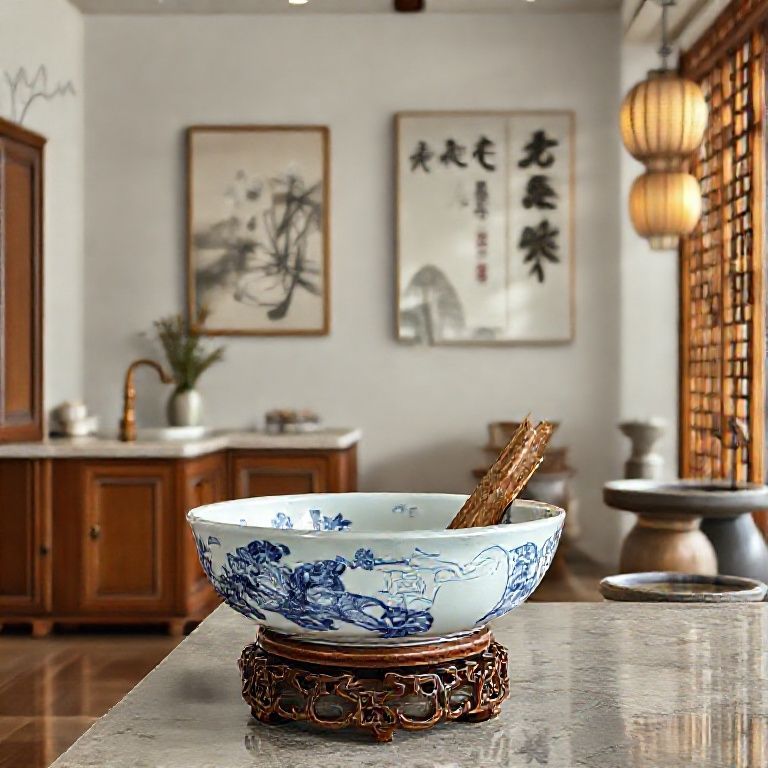
1. Durability and Strength
Artificial marble is incredibly durable and offers superior strength compared to many natural stones. It is composed of a blend of minerals, resins, and other additives which provide a robust structure. This makes it highly resistant to scratches, stains, and impact, ensuring it maintains its beauty and integrity over long periods.
2. Aesthetic Appeal
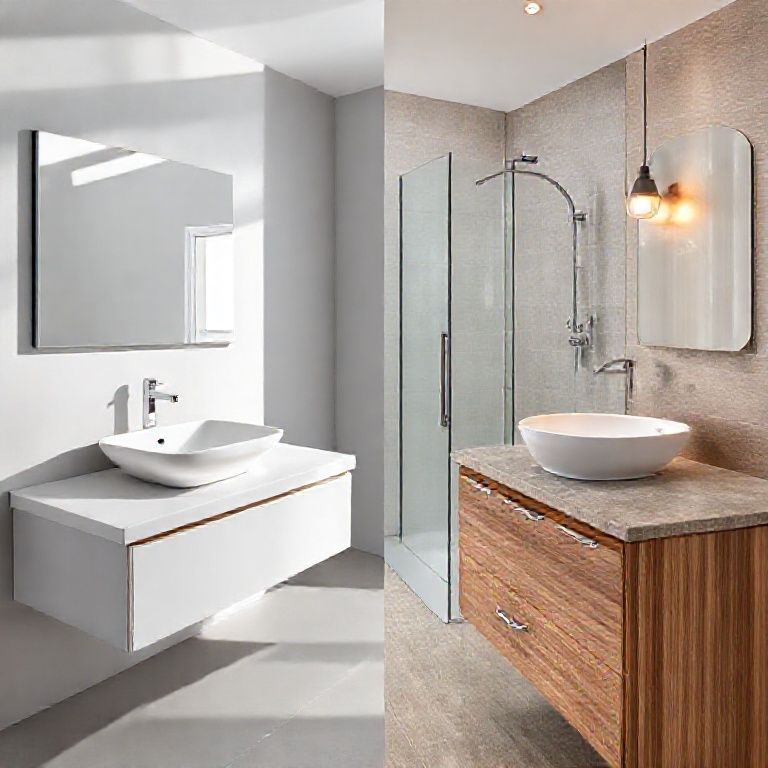
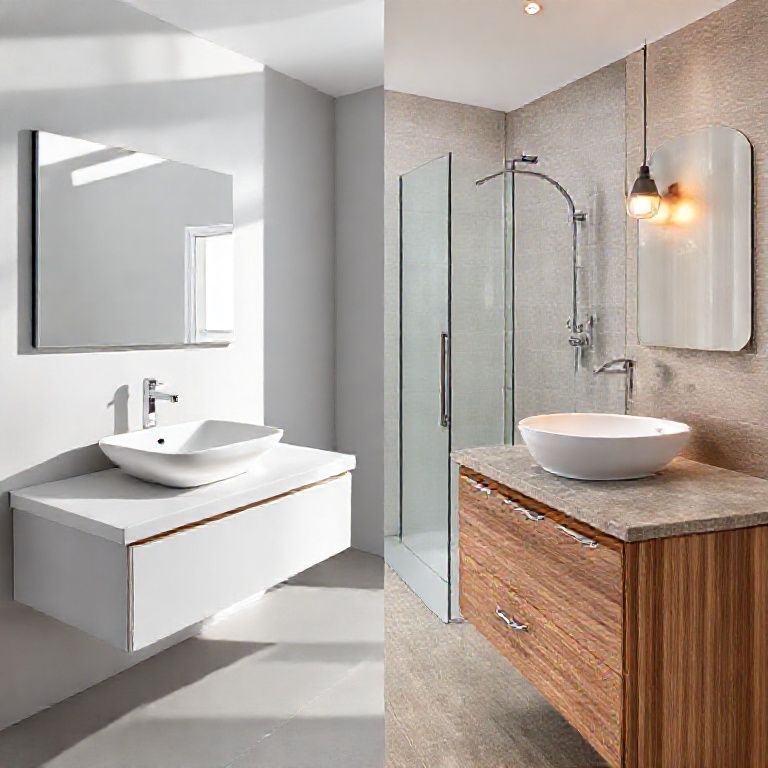
Artificial marble comes in a wide array of colors and finishes, allowing for a level of customization that is often not possible with natural stone. It can mimic the look of traditional marble, granite, and even wood, providing a versatile option for various design styles.
3. Cost-Effectiveness
One of the most significant advantages of artificial marble is its cost-effectiveness. It is generally more affordable than natural stone, making it a practical choice for budget-conscious homeowners. The lower cost is due to its manufacturing process, which involves fewer resources and labor.
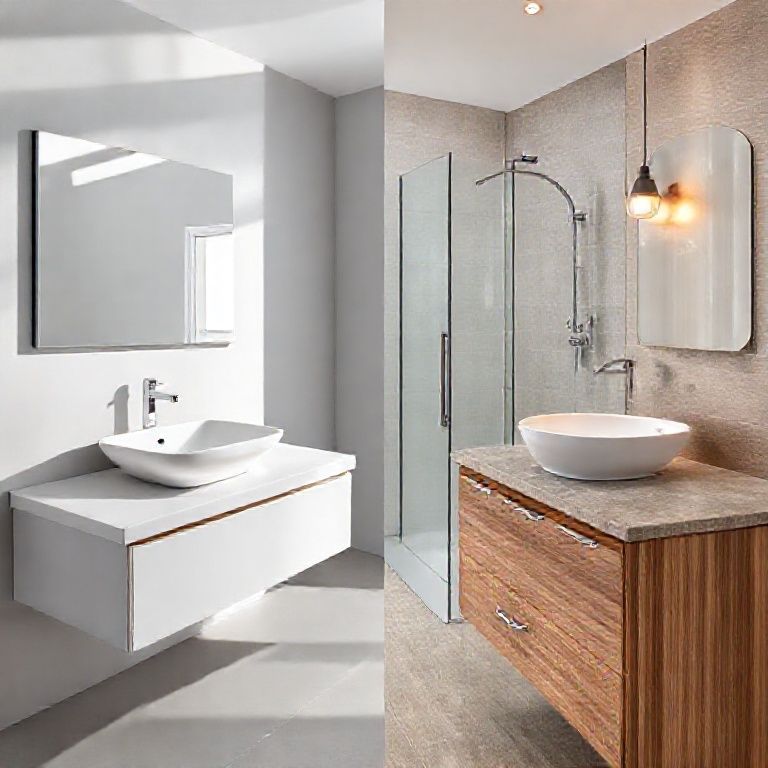
4. Maintenance-Free
Artificial marble is easy to maintain and requires minimal upkeep. Unlike natural stone, it does not require sealing to prevent staining, and it is not prone to water spots, mold, or bacteria growth. A simple wipe-down with a mild cleaner is often sufficient to keep it looking pristine.
5. Environmentally Friendly
Artificial marble is an eco-friendly option because it does not require the extraction of natural resources. The production process is more sustainable compared to the quarrying of natural stone, which often has significant environmental impacts.
6. Easy to Install
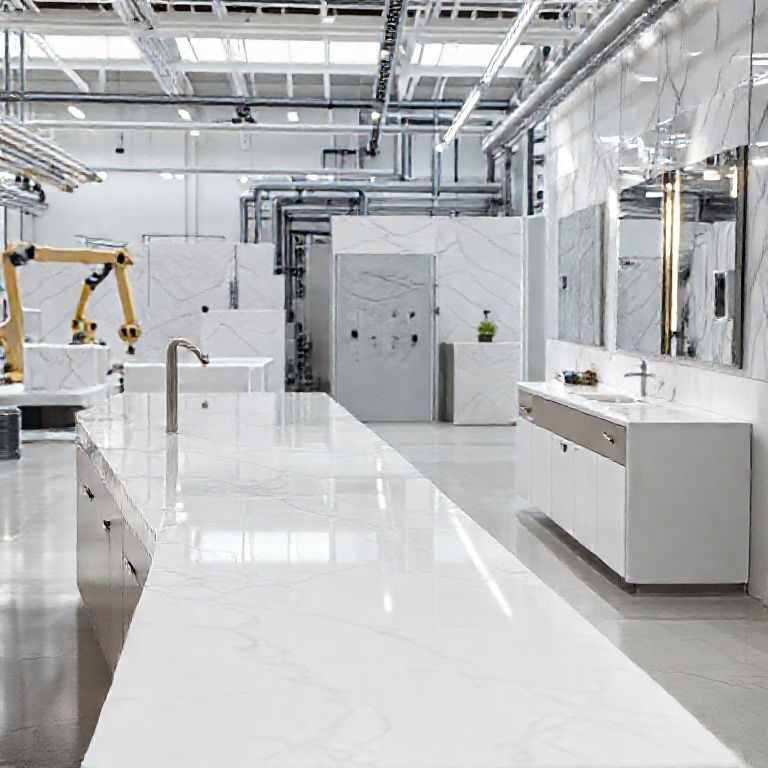
The installation process for artificial marble is straightforward and can often be completed by a professional in a relatively short amount of time. It adheres well to various surfaces and can be cut to fit any space with ease.
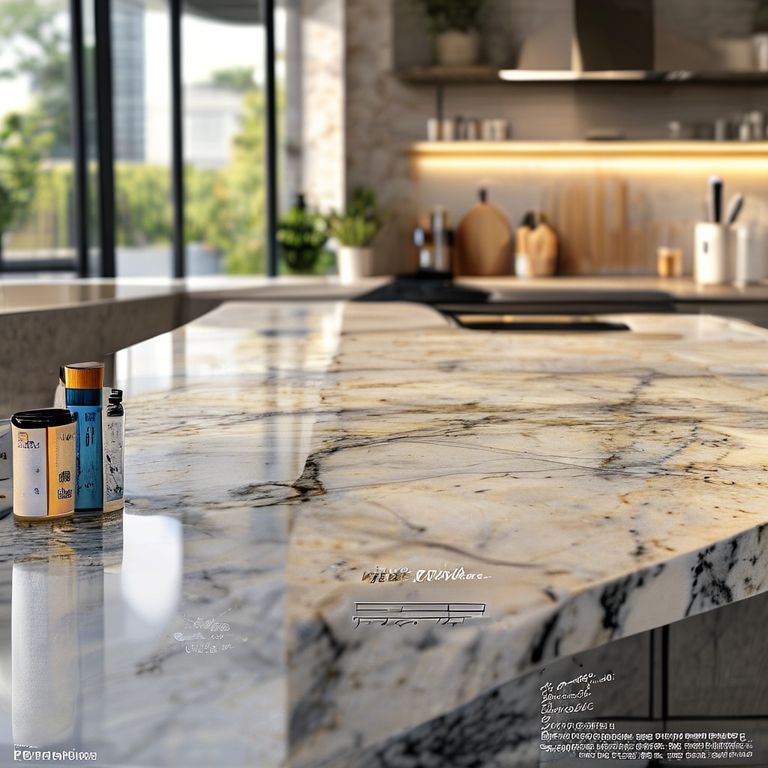
7. Versatility in Use
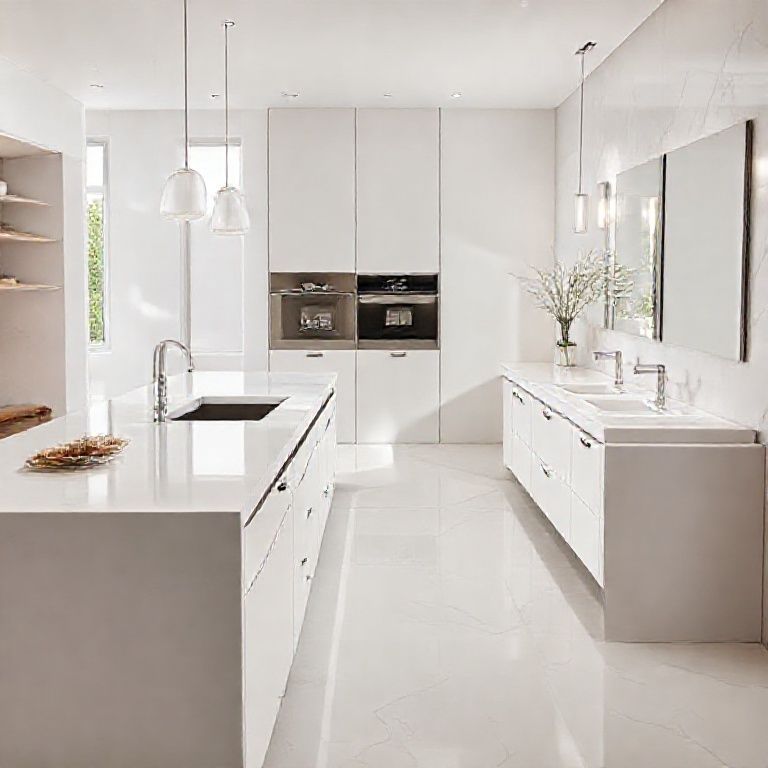
Artificial marble is versatile and can be used in a variety of applications including countertops, sinks, tabletops, and even decorative elements like fountains and sculptures. Its flexibility allows for creative and innovative design solutions.
8. Customization Options
Designers and homeowners can choose from a plethora of customization options. Whether you want a unique pattern or a specific color, artificial marble can be tailored to meet your exact specifications.
9. Safety and Health
Artificial marble does not contain harmful substances like asbestos, which is often a concern with natural stone. This makes it a safer choice for families and environments where health and safety are paramount.
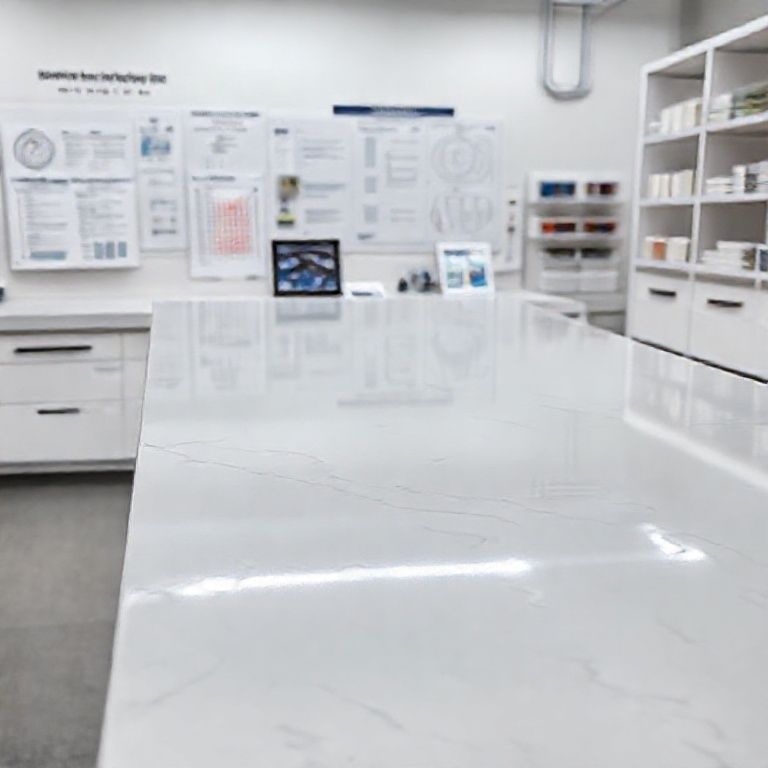
In conclusion, artificial marble offers a plethora of benefits that make it an attractive option for modern renovation and design projects. From its durability and aesthetic versatility to its cost-effectiveness and ease of maintenance, it stands out as a superior material for a wide range of applications.
Artificial marble, while offering numerous benefits, also comes with its own set of limitations. Understanding these drawbacks can help you make an informed choice and potentially find ways to mitigate them. Here are some of the main disadvantages of artificial marble:
1. Flexibility and Breakability
Artificial marble, despite its strength, lacks the flexibility of natural stone. It can still break under extreme pressure or impact, especially when compared to the more resilient nature of granite or certain types of marble. This makes it less suitable for high-traffic areas where heavy objects are frequently moved.
2. Thermal Resistance
While artificial marble is resistant to scratches and stains, it is not as thermally resistant as natural stone. It can crack or chip if exposed to extremely high temperatures, such as those from direct contact with a hot pan or burner. This limits its use in certain kitchen areas where heat is a constant factor.
3. Surface Imperfections
Despite advancements in manufacturing, artificial marble can sometimes exhibit surface imperfections such as bubbles, pinholes, or uneven textures. While these can often be minimized through quality control, they can still be a concern for those seeking a flawless finish.
4. Aging Appearance
Over time, artificial marble can lose its luster and develop a dull appearance. While it does not yellow or crack like natural stone, it may require re-finishing or polishing to restore its original shine, especially if it has been exposed to frequent cleaning and wear.
5. Chemical Resistance
While artificial marble is generally resistant to many chemicals, it can still be affected by strong acids, solvents, or alkaline substances. This means that it should not be used in areas where it will be exposed to harsh chemicals on a regular basis.
6. Weight
Artificial marble is generally heavier than natural stone alternatives like quartz. This can pose a challenge during installation, especially in larger projects, as it requires more robust support and handling.
7. Environmental Concerns
While artificial marble is more sustainable than natural stone in terms of resource extraction, its production still involves manufacturing processes that can have environmental impacts. Emissions from factories and the use of resins and other additives can be concerns for environmentally conscious consumers.
8. Variability in Quality
The quality of artificial marble can vary significantly between manufacturers. Some products may offer better durability and appearance than others, so it is essential to choose reputable brands and products that have been tested for quality and longevity.
9. Cost of Repairs
Repairing artificial marble can be more costly and complex compared to natural stone. While it is generally easier to maintain, if it does require repair, such as fixing cracks or chips, it might be more expensive than simply replacing a piece of natural stone.
In summary, while artificial marble offers many advantages, it is important to consider its limitations. Understanding the disadvantages can help you make a more informed decision and potentially find ways to mitigate these issues through careful selection and proper maintenance.
By weighing both the advantages and disadvantages, you can determine whether artificial marble is the right choice for your specific needs and preferences. Whether for aesthetics, durability, or cost-effectiveness, artificial marble provides a compelling option for modern renovation and design.