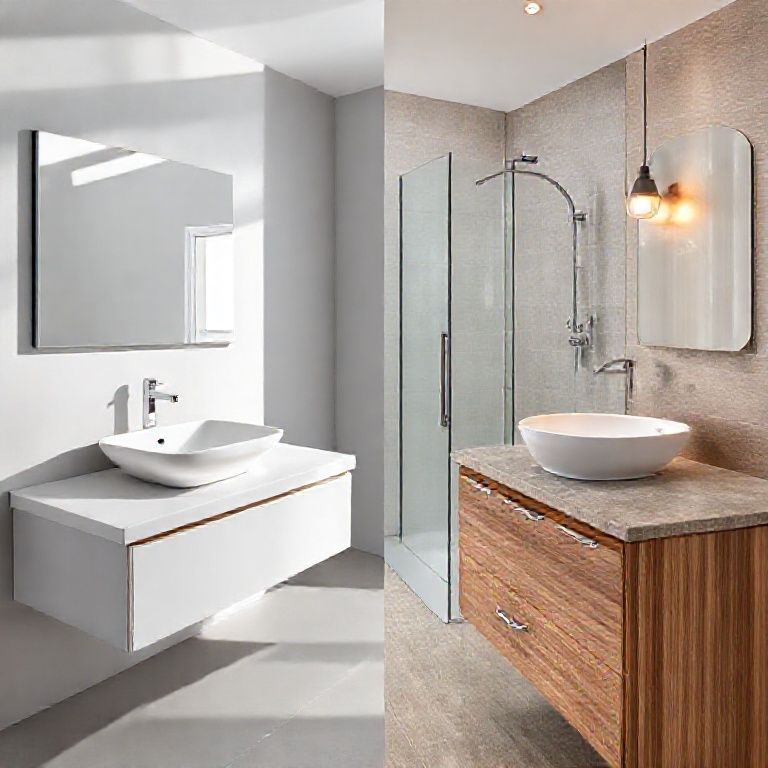
Introduction to Engineered Marble
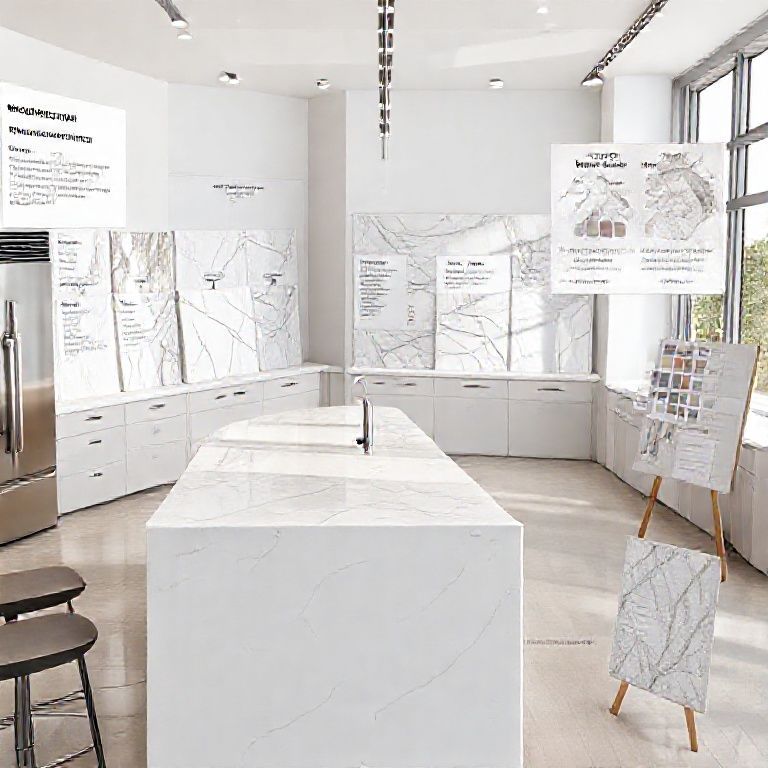
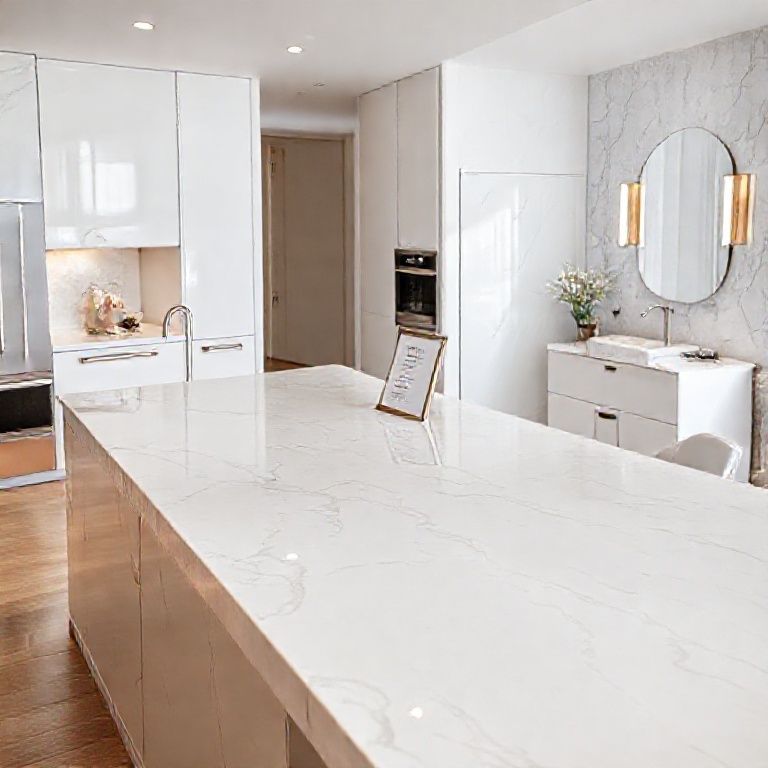
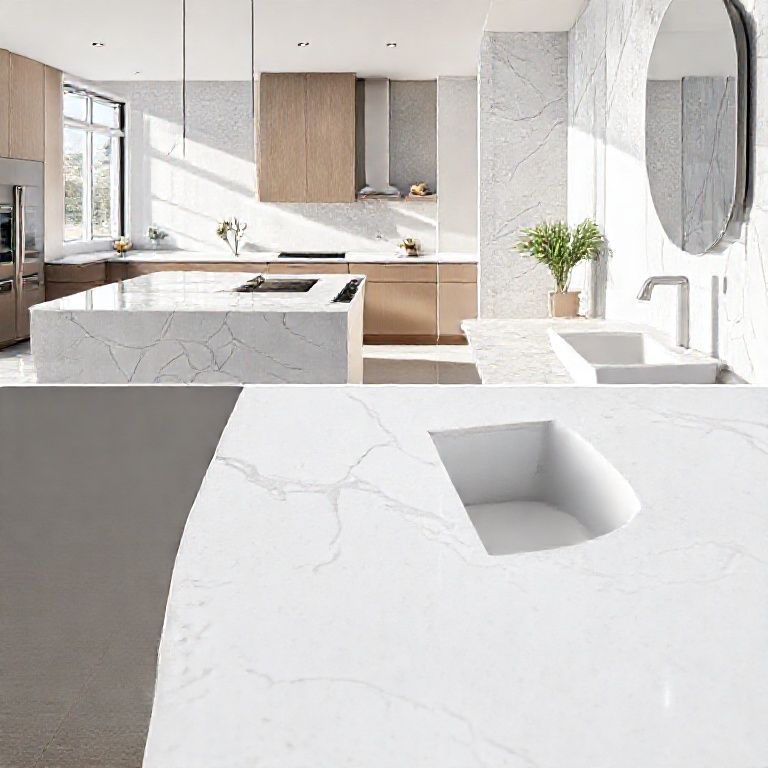
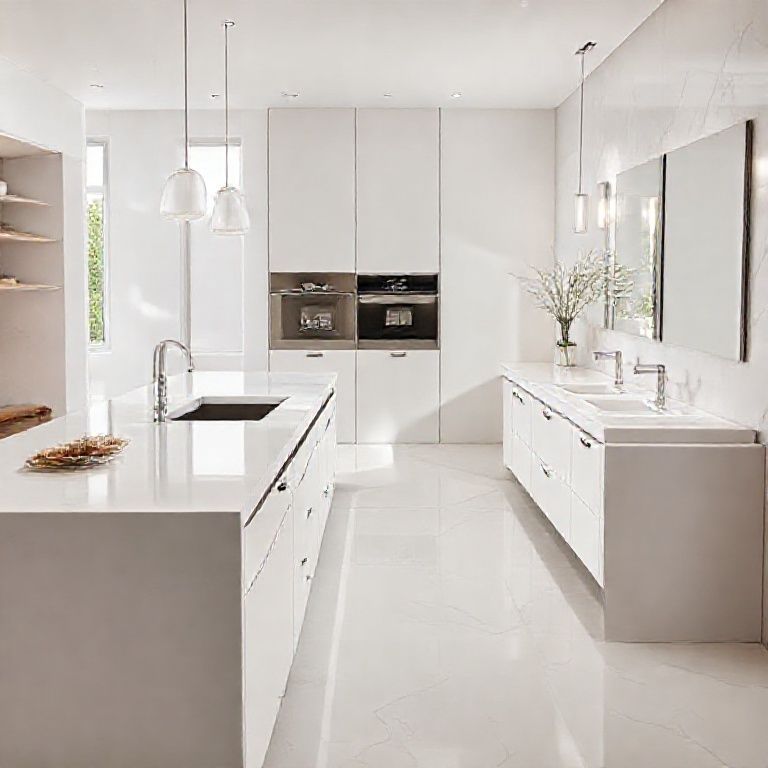
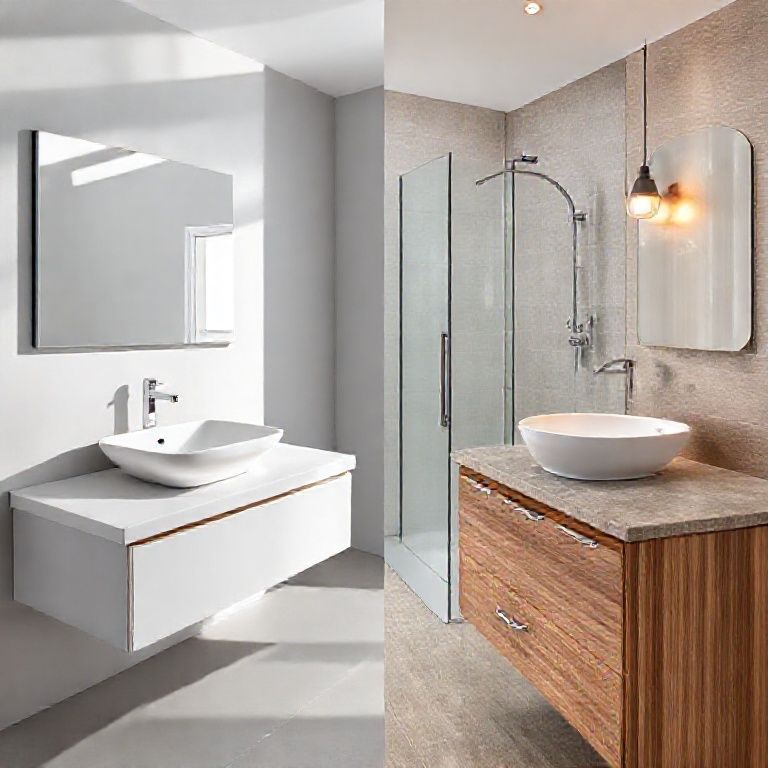
Engineered marble, a sophisticated creation of modern material science, has become a popular choice for both residential and commercial spaces. This man-made stone, which marries the elegance of natural marble with the durability of engineered materials, offers an array of benefits and some trade-offs. In this part of our series, we will delve into the myriad advantages and some of the inherent drawbacks of engineered marble.
1. Durability and Longevity
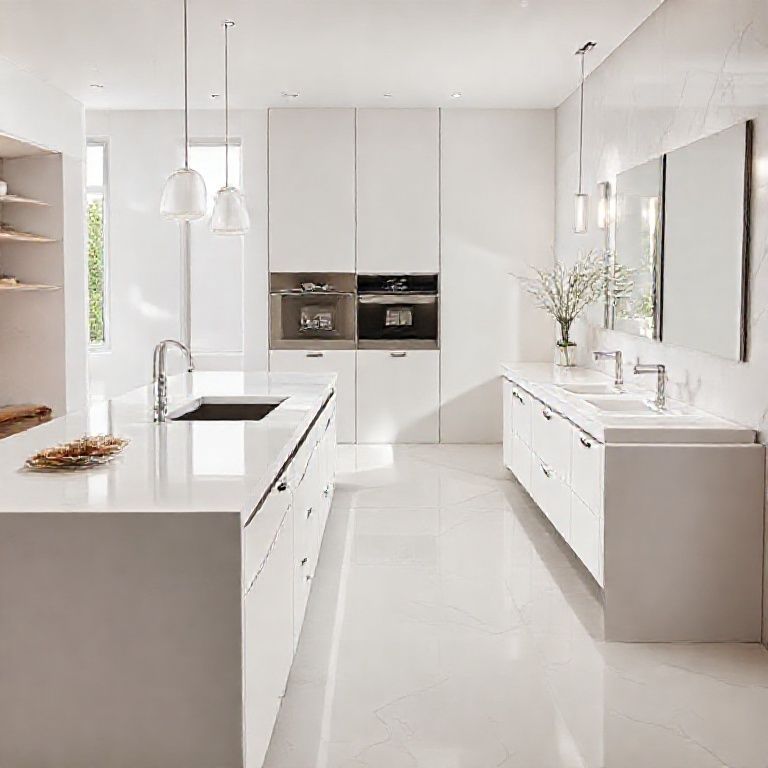
One of the most compelling advantages of engineered marble is its exceptional durability. Unlike natural marble, which is susceptible to scratching, chipping, and staining, engineered marble is made from a composite of natural stone and resin. This combination results in a material that is not only resilient but also highly resistant to wear and tear. Engineered marble surfaces are often coated with a sealant that further enhances their longevity, making them a reliable choice for high-traffic areas.
2. Design Flexibility
Engineered marble offers an unparalleled level of design flexibility. With the ability to mold and shape the material into various forms, it provides a vast array of design possibilities. From intricate mosaics to large slabs, the design limitations are virtually non-existent. This flexibility allows architects and designers to create unique, customized pieces that can perfectly complement any interior design.
3. Cost-Effectiveness
When compared to natural marble, engineered marble is often more cost-effective. The production process of engineered marble is more efficient and less expensive than that of natural marble. This results in lower costs for both the manufacturer and the consumer. Additionally, because engineered marble is less prone to damage, it often requires less maintenance, leading to long-term savings.
4. Easy Maintenance
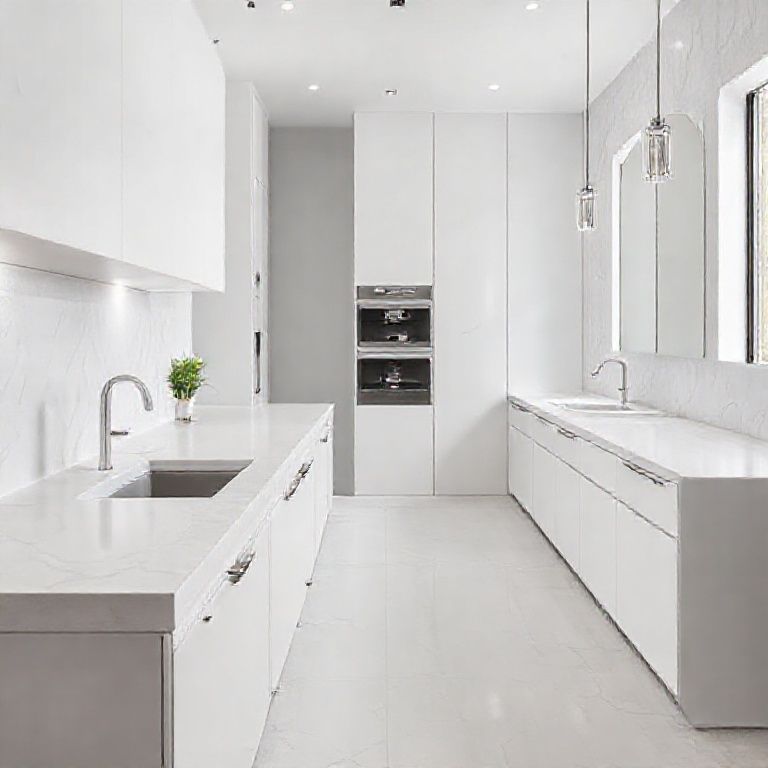
Maintaining engineered marble is relatively straightforward. Since it is less likely to scratch, chip, or stain, cleaning it requires minimal effort. A simple wipe with a damp cloth and a mild detergent is usually sufficient to keep it looking pristine. For deeper cleaning, specialized cleaning solutions are available that are safe for engineered marble, ensuring it remains in excellent condition with minimal effort.
5. Environmental Benefits
Engineered marble is an eco-friendly alternative to natural stone. The production process of natural marble often involves extensive quarrying, which can have detrimental effects on the environment. In contrast, engineered marble production is less resource-intensive. It also reduces the need for importing large amounts of natural stone, thereby decreasing carbon footprints associated with transportation.
6. Installation Simplicity
Installing engineered marble is often simpler and quicker than installing natural stone. The slabs are typically lightweight and can be easily cut to size on-site. This reduces the need for specialized tools and skills, making it accessible for a wider range of installers. Additionally, the pre-cut slabs mean less time is spent on-site, leading to faster project completion.
Concluding Thoughts on Advantages
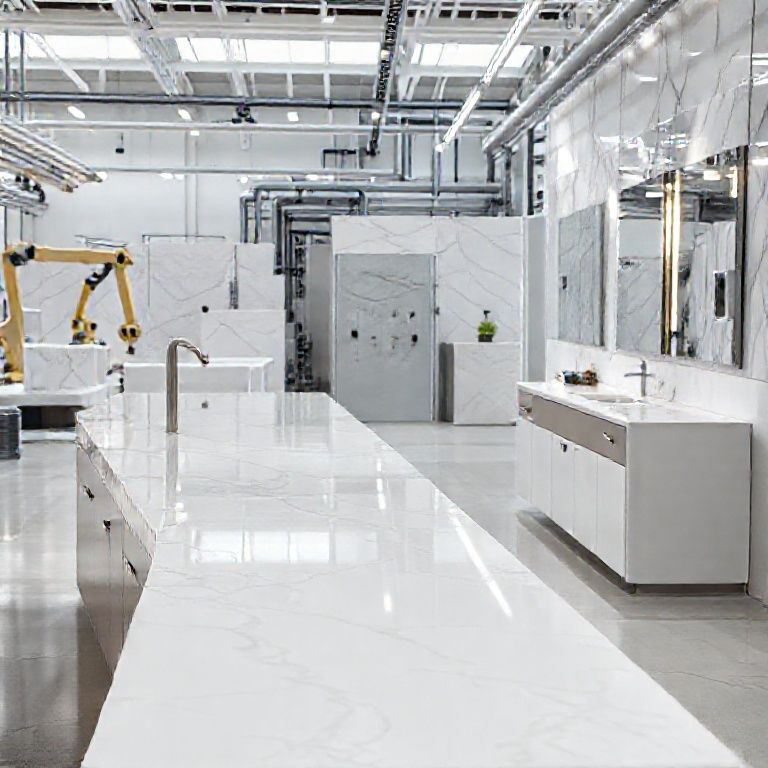
Engineered marble stands out as a versatile, durable, and cost-effective material that offers exceptional design flexibility and easy maintenance. Its environmental benefits and straightforward installation process further enhance its appeal. In the next part of our series, we will explore the disadvantages of engineered marble to provide a balanced and comprehensive comparison.
Introduction to the Drawbacks of Engineered Marble
While engineered marble has numerous advantages, it is essential to consider its drawbacks to make a well-rounded decision. In this part of our series, we will explore the potential downsides of engineered marble, offering a balanced perspective to help you determine if this material is the right choice for your needs.
1. Limited Natural Appearance
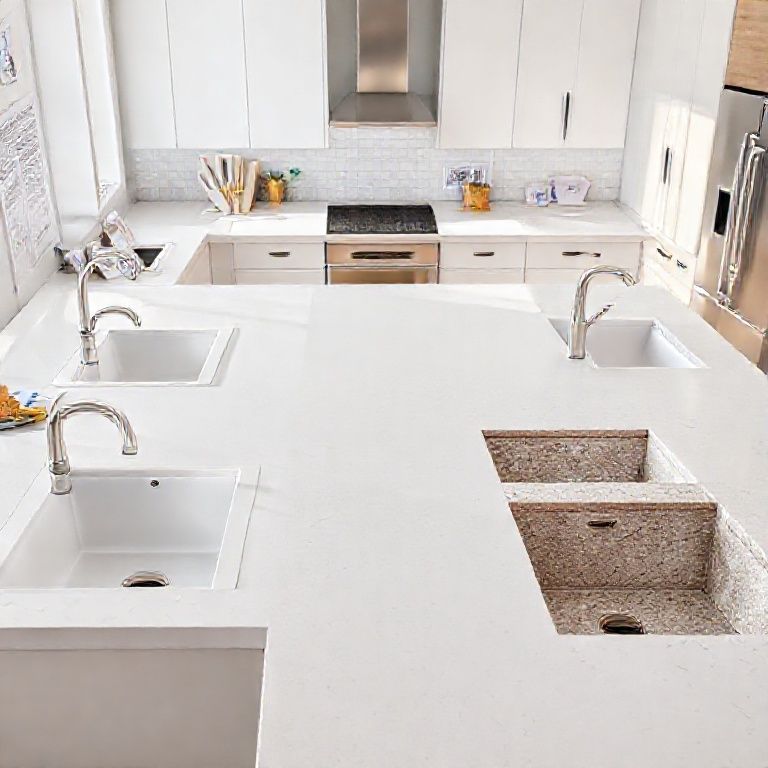
One of the primary disadvantages of engineered marble is its limited natural appearance. Although manufacturers strive to replicate the look of natural marble, engineered marble often lacks the unique and organic patterns found in natural stone. This can be a dealbreaker for those who prefer the natural beauty and individuality of genuine marble.
2. Weight and Handling Concerns
Although engineered marble slabs are lighter than natural marble, they can still be heavy, especially when dealing with large sizes. Proper lifting techniques and equipment should always be used to avoid injuries. Additionally, the resin used in engineered marble can break down over time, which might affect the structural integrity of the slab, although this is rare.
3. Potential for Surface Damage
While engineered marble is more durable than natural marble, it is not indestructible. High-impact objects can still cause surface damage, although it is less likely to chip or crack. Additionally, while engineered marble is resistant to stains, there are some chemicals that can cause discoloration if not properly cleaned.
4. Warranty and Authenticity Concerns
Since engineered marble is a man-made product, it does not come with the same authenticity and longevity that natural marble does. The warranty period for engineered marble is often shorter than that for natural marble. Furthermore, discerning between engineered and natural marble can sometimes be challenging, which may lead to issues in terms of authenticity and resale value.
5. Limited Color Options
While engineered marble offers a wide range of design possibilities, the color options are somewhat limited compared to natural marble. The natural stone market boasts an incredible variety of colors and patterns, which can be difficult to replicate in engineered marble. This limitation might be a significant factor for those looking for highly specific color and pattern combinations.
6. Higher Upfront Costs for Customization
Although engineered marble is generally more cost-effective than natural marble, the cost can increase significantly if customization is required. Special orders, unique designs, and bespoke pieces can drive up the price, making it less economical for some projects.
Concluding Thoughts on Drawbacks
While engineered marble offers many benefits, it is not without its limitations. The lack of natural appearance, potential for surface damage, shorter warranties, limited color options, and higher customization costs are notable drawbacks. These factors should be carefully considered in the context of your specific project requirements and preferences.
Final Comparison: Engineered Marble vs. Natural Marble
In conclusion, the choice between engineered marble and natural marble hinges on several factors, including durability, design flexibility, cost, maintenance, environmental impact, and aesthetic appeal. Engineered marble excels in durability, design flexibility, cost-effectiveness, and ease of maintenance but may fall short in terms of natural appearance and color variety. Natural marble, on the other hand, offers unparalleled beauty and authenticity but comes with higher costs and maintenance challenges.
When deciding between these two options, it’s crucial to weigh the pros and cons based on your project’s unique needs and preferences. Whether you opt for the modern elegance of engineered marble or the timeless beauty of natural marble, both materials have their own unique set of advantages and disadvantages that can influence your decision.