In this comprehensive article, we delve into the multifaceted world of artificial stone countertops. This detailed investigation spans two parts, each offering unique insights and considerations to help you make an informed decision about your next kitchen or bathroom renovation. Discover the pros and cons, durability, aesthetics, maintenance, and cost-effectiveness of artificial stone countertops, so you can decide if they are the perfect fit for your space.

artificial stone countertops, pros and cons, durability, aesthetics, maintenance, cost-effectiveness, kitchen renovation, bathroom renovation, stone countertop alternatives, modern countertops
Part 1
In this first part of our comprehensive exploration, we focus on the myriad benefits and some potential drawbacks of artificial stone countertops. We will cover aspects like durability, aesthetics, installation ease, and cost-effectiveness. Whether you are a homeowner or a designer, understanding these factors will help you decide if artificial stone countertops are the right choice for your next renovation project.
artificial stone countertops, pros, durability, aesthetics, installation, cost-effective, renovation, kitchen countertops, bathroom countertops
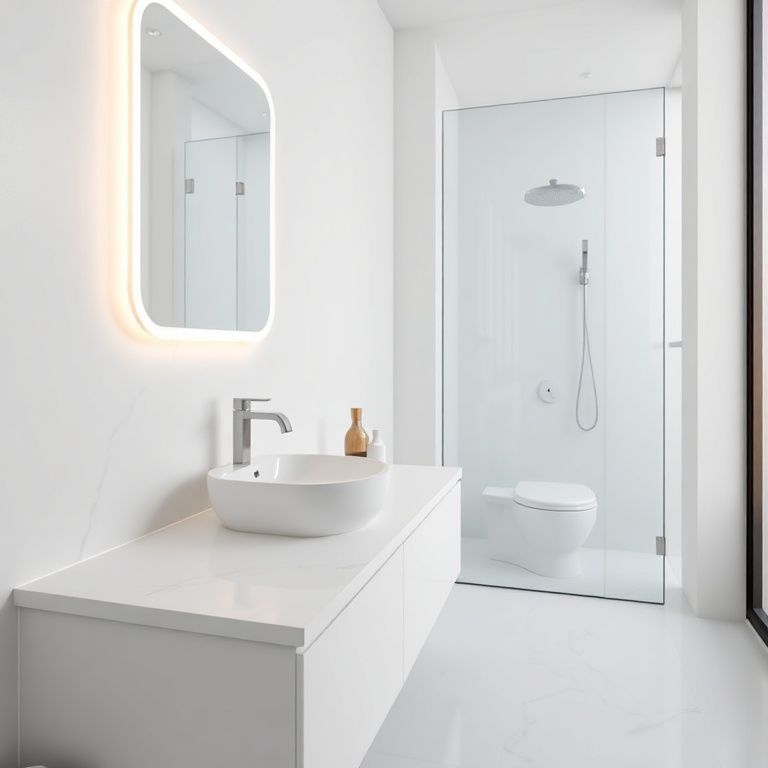
Content:
The Pros of Artificial Stone Countertops
Artificial stone countertops have revolutionized modern home design, offering a blend of aesthetics, durability, and practicality. Here, we explore the key advantages that make artificial stone a popular choice for both residential and commercial spaces.
1. Superior Durability:
Artificial stone countertops are renowned for their exceptional durability. Crafted from a combination of natural stone powders, resins, and other materials, these countertops exhibit remarkable resistance to scratches, chips, and dents. Unlike traditional stone, artificial stone doesn’t suffer from weathering or cracking, ensuring long-lasting beauty and functionality. This durability makes them an excellent choice for high-traffic areas like kitchens and bathrooms.
2. Aesthetic Versatility:
One of the most compelling advantages of artificial stone is its versatility in design. Manufacturers can mimic various natural stones, marbles, and even unique textures, offering a broad range of visual options. This allows homeowners and designers to create custom designs that match specific aesthetic preferences. The color and texture variations available ensure that artificial stone can blend seamlessly with any existing décor, providing a cohesive and stylish look.
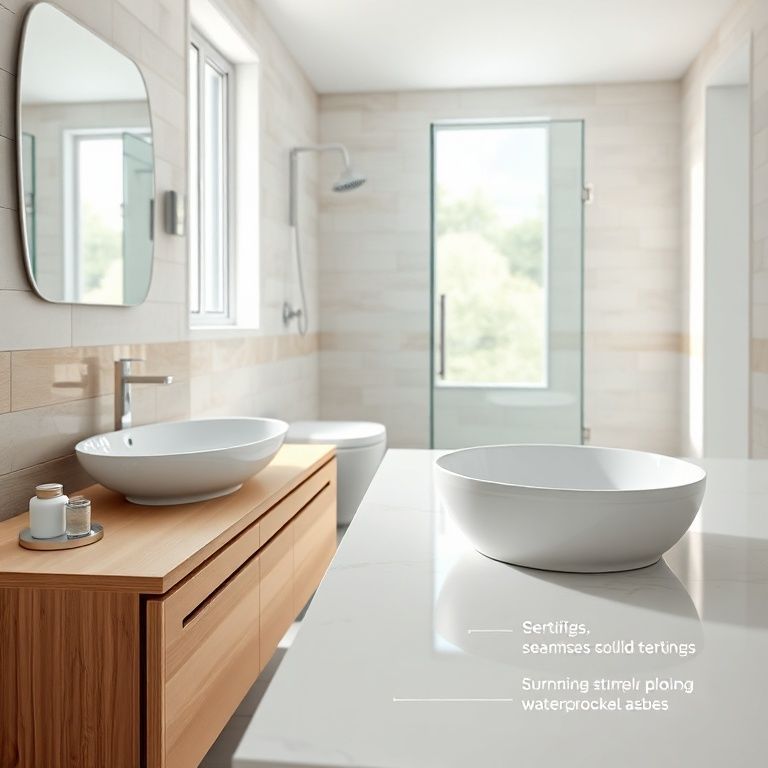
3. Easy Maintenance:
Artificial stone countertops are generally low-maintenance compared to natural stone surfaces. These countertops do not require sealing or frequent maintenance, which can be a significant hassle with natural stone. Cleaning is straightforward; a simple wipe with a damp cloth and mild soap is usually sufficient to maintain their pristine appearance. This ease of upkeep makes them an ideal choice for busy households or commercial spaces where cleaning can be a demanding task.
4. Cost-Effectiveness:
While the initial cost of artificial stone countertops might be higher than some other materials, the long-term benefits often make them a cost-effective choice. The durability of artificial stone means fewer replacements and repairs over time, resulting in lower long-term costs. Additionally, the variety of designs available often means you can find a style that fits within your budget, offering a balance of quality and affordability.
5. Environmental Considerations:
Artificial stone is an eco-friendly alternative to natural stone. The production process for natural stone involves significant environmental impact, including land disruption and water usage. Artificial stone, on the other hand, is made from recycled materials and has a lower carbon footprint. This makes artificial stone a more sustainable choice for environmentally conscious consumers.

6. Installation Flexibility:
Artificial stone countertops can be installed over a variety of substrates, including wood, concrete, and even existing countertops. The process is generally less labor-intensive than working with natural stone, often requiring minimal prep work. This flexibility makes artificial stone an adaptable option for both new builds and renovations.
The Cons of Artificial Stone Countertops
While artificial stone countertops offer numerous benefits, it’s important to consider some potential drawbacks to ensure they are the right choice for your specific needs.
1. Initial Cost:
One of the primary disadvantages is the initial cost, which can be higher than other countertop materials like granite or laminate. While the long-term savings due to durability can offset this, the upfront expense might be a barrier for some budgets.
2. Limited Customization:
While artificial stone offers a wide range of designs, the customization options are generally more limited compared to natural stone. While manufacturers can create a variety of colors and textures, the level of unique, bespoke designs might not be as extensive as with natural stone.
3. Heat Resistance:
Artificial stone has some limitations when it comes to heat resistance. While it can withstand moderate heat, prolonged exposure to high temperatures can cause the surface to discolor or even crack. This makes it less ideal for areas where hot pots and pans are frequently placed directly on the countertop.
4. Potential for Surface Damage:
Although artificial stone is more durable than natural stone, it is not completely invulnerable. Impact from heavy objects or sharp tools can cause surface damage or scratches. While this is less common than with natural stone, it’s still something to consider in high-traffic areas.
5. Limited Longevity in Humidity:
Artificial stone countertops are not as resistant to humidity as natural stone. In high humidity environments, prolonged exposure can lead to warping or mold growth. While this is not common, it is a consideration for those living in or planning to install countertops in humid climates.
6. Environmental Impact of Resins:
While artificial stone is generally more eco-friendly than natural stone, the resins used in its production can pose environmental concerns. The production process may release volatile organic compounds (VOCs), which can impact indoor air quality. However, advancements in manufacturing are continually reducing these emissions, and choosing high-quality, low-VOC products can mitigate this issue.
Part 2
In the second part of our detailed examination of artificial stone countertops, we will delve deeper into their maintenance, installation, and suitability for various spaces. We will also explore some additional pros and cons to provide a comprehensive understanding of whether artificial stone countertops are the right fit for your next renovation project.
artificial stone countertops, maintenance, installation, kitchen, bathroom, renovation, suitability, durability, cost, eco-friendly
Content:
Maintenance and Installation
Artificial stone countertops are designed to be low-maintenance, but understanding the specifics can help ensure they last their full lifespan.
1. Installation Process:
The installation of artificial stone countertops is typically straightforward and can often be done by professionals with minimal preparation. The surface must be clean and dry before installation to ensure proper adhesion. In some cases, a base layer of adhesive is used to secure the countertop to the underlying surface. The installation process is generally less labor-intensive than natural stone, and the result is a seamless, professional finish.
2. Maintenance Tips:
Maintaining artificial stone countertops is as simple as regular cleaning. Here are some maintenance tips to keep your countertops looking their best:
Regular Cleaning: Use a damp cloth and mild soap to wipe down the surface daily. Avoid using abrasive cleaners or sponges that can scratch the surface. Immediate Spill Management: For spills, especially those containing acidic or alkaline substances, it’s crucial to clean them up immediately to prevent stains. Avoiding Sharp Objects: To prevent scratches, avoid placing sharp objects directly on the countertop. Using trivets or pot holders for hot items is advisable. Deep Cleaning: For occasional deep cleaning, consider using specialized stone cleaner products that are gentle yet effective.
Suitability for Different Spaces
Artificial stone countertops are versatile and suitable for various applications, but understanding their best use cases can help you maximize their benefits.
1. Kitchen Countertops:
Artificial stone is an excellent choice for kitchen countertops due to its durability, resistance to heat, and ease of maintenance. Its ability to withstand daily wear and tear, including spills and scratches, makes it ideal for high-traffic kitchen areas. Moreover, the variety of colors and textures available allows for a custom design that complements your kitchen décor.
2. Bathroom Countertops:
While artificial stone is durable, it is less resistant to high humidity and moisture compared to natural stone. For bathrooms, it’s important to consider the level of humidity and ensure that the countertop is installed in a well-ventilated area. Regular cleaning is essential to prevent mold and mildew, which can thrive in humid environments. However, when properly maintained, artificial stone can still provide a beautiful and functional bathroom countertop.
3. Commercial Spaces:
In commercial settings like restaurants, cafes, and offices, artificial stone countertops offer durability, low maintenance, and design flexibility. These qualities make them ideal for high-traffic areas where frequent cleaning and repairs would be costly and time-consuming. The ability to mimic various natural stone designs also adds to their appeal in commercial spaces.
4. Custom Designs:
One of the significant advantages of artificial stone is the ability to create custom designs. Whether you want a unique pattern or a specific color scheme, artificial stone can be tailored to meet your exact requirements. This flexibility allows designers to push creative boundaries and create bespoke designs that stand out.
Additional Considerations
When considering artificial stone countertops, several additional factors can influence your decision.
1. Long-Term Cost Savings:
While the initial cost might be higher, the long-term savings due to durability and low maintenance can make artificial stone a cost-effective choice. Fewer replacements and repairs over time1. Long-Term Cost Savings:
While the initial cost of artificial stone countertops might be higher, the long-term savings due to durability and low maintenance can make them a cost-effective choice. Fewer replacements and repairs over time can significantly reduce the overall cost of ownership.
2. Aesthetic Appeal:
Artificial stone countertops offer a wide range of aesthetic possibilities. Manufacturers can create designs that mimic natural stones, marbles, and even unique textures. This versatility allows homeowners and designers to choose a style that matches specific aesthetic preferences, providing a cohesive and stylish look that can elevate the overall design of a space.
3. Environmental Benefits:
Artificial stone is an eco-friendly alternative to natural stone. The production process for natural stone involves significant environmental impact, including land disruption and water usage. Artificial stone, on the other hand, is made from recycled materials and has a lower carbon footprint. This makes artificial stone a more sustainable choice for environmentally conscious consumers.
4. Installation Versatility:
Artificial stone countertops can be installed over a variety of substrates, including wood, concrete, and even existing countertops. The process is generally less labor-intensive than working with natural stone, often requiring minimal prep work. This flexibility makes artificial stone an adaptable option for both new builds and renovations.
5. Safety Features:
Artificial stone countertops are generally safer than natural stone due to their lower risk of sharp edges and natural stone imperfections. This makes them an excellent choice for households with children or pets, where safety is a priority.
Addressing the Cons
While artificial stone countertops offer numerous benefits, it’s important to address some of the potential drawbacks to ensure they are the right choice for your specific needs.
1. Initial Cost:
The initial cost of artificial stone countertops can be higher than other materials like granite or laminate. However, the long-term savings due to durability and low maintenance can offset this initial expense. When planning a renovation, it’s important to consider the total cost of ownership, including maintenance and potential repairs over time.
2. Limited Customization:
While artificial stone offers a wide range of designs, the customization options are generally more limited compared to natural stone. However, advancements in manufacturing are continually expanding the range of available colors and textures, and choosing high-quality, customizable products can help meet specific design needs.
3. Heat Resistance:
Artificial stone has some limitations when it comes to heat resistance. Prolonged exposure to high temperatures can cause the surface to discolor or crack. To mitigate this, it’s advisable to use trivets or pot holders for hot pots and pans, and avoid placing heavy objects directly on the countertop.
4. Surface Damage:
Although artificial stone is more durable than natural stone, it is not completely invulnerable. Impact from heavy objects or sharp tools can cause surface damage or scratches. To prevent this, it’s important to use caution with heavy items and to avoid placing sharp objects directly on the countertop.
5. Humidity Concerns:
Artificial stone countertops are not as resistant to humidity as natural stone. In high humidity environments, prolonged exposure can lead to warping or mold growth. While this is not common, it’s important to ensure proper ventilation and to clean the countertop regularly to prevent moisture buildup.
6. Resin Environmental Impact:
While artificial stone is generally more eco-friendly than natural stone, the resins used in its production can pose environmental concerns. The production process may release volatile organic compounds (VOCs), which can impact indoor air quality. However, advancements in manufacturing are continually reducing these emissions, and choosing high-quality, low-VOC products can mitigate this issue.
Conclusion
Artificial stone countertops offer a compelling blend of durability, aesthetic versatility, and low maintenance, making them an excellent choice for both residential and commercial spaces. While there are some potential drawbacks to consider, such as initial cost, limited customization, and heat resistance, the long-term benefits often outweigh these concerns. By understanding the pros and cons, you can make an informed decision and choose the right countertop material for your specific needs, ensuring a beautiful and functional space that will stand the test of time.