The Advantages of Quartz Countertops
Introduction
In the world of modern kitchen and bathroom design, quartz countertops have emerged as a highly popular choice. Renowned for their blend of beauty, functionality, and durability, these surfaces offer a myriad of benefits that make them a preferred option for many homeowners. This first part of our comprehensive guide will delve into the advantages of quartz countertops, highlighting why they are becoming the material of choice for contemporary spaces.

1. Unmatched Durability and Strength
One of the most significant advantages of quartz countertops is their unmatched durability. Quartz is an engineered stone made from 90% natural quartz and 10% resin and other materials. This composition makes it one of the hardest materials available, offering superior resistance to scratches, dents, and impact. Unlike traditional stone countertops, quartz does not suffer from chips or cracks, ensuring a longer-lasting and more resilient surface.
2. Superior Scratch Resistance
Quartz countertops exhibit exceptional scratch resistance. Unlike granite and marble, which can easily be marred by everyday kitchen activities, quartz maintains its pristine appearance. Cutting boards, knives, and other sharp tools leave no marks on quartz, making it a practical choice for busy households. This resistance to scratches not only preserves the countertop’s aesthetic appeal but also eliminates the need for constant maintenance to rectify minor damages.
3. Unparalleled Heat Resistance
Quartz countertops are also highly resistant to heat. They can withstand high temperatures without warping or cracking, making them ideal for areas where hot pans and dishes are frequently placed. This makes quartz a safe choice for any kitchen environment, regardless of the number of cooking activities. In contrast, materials like marble and granite can be adversely affected by high heat, leading to potential damage and safety concerns.
4. Easy Maintenance and Cleaning
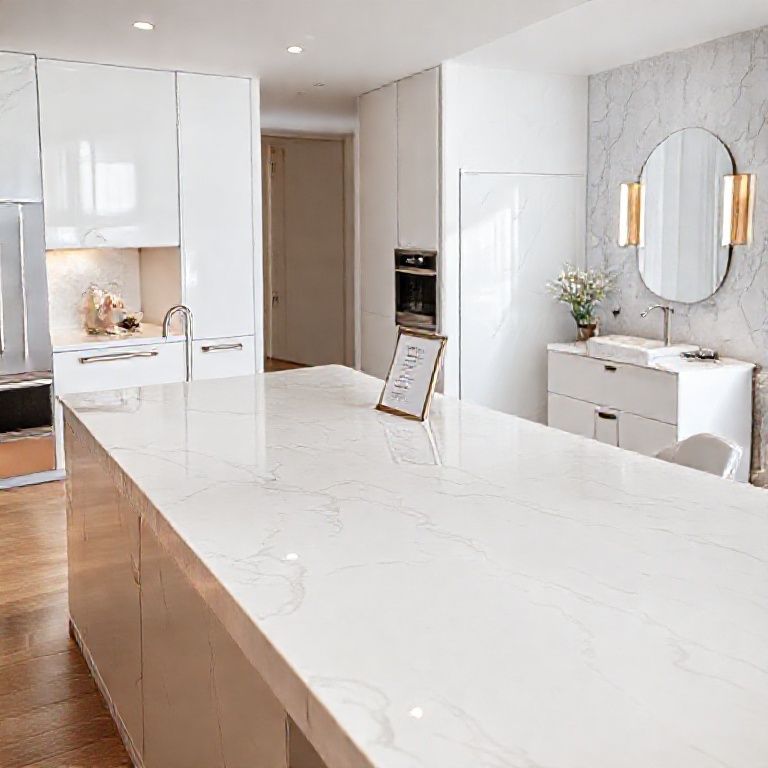
Maintaining quartz countertops is straightforward and does not require the use of harsh chemicals. A simple wipe-down with a mild soap and water solution is usually sufficient to keep the surface clean and pristine. Unlike granite, which requires sealing every few months to maintain its protective barrier against stains, quartz does not need such frequent maintenance. This ease of upkeep makes quartz countertops an excellent choice for those who prefer minimal cleaning efforts.
5. Aesthetic Versatility and Customization
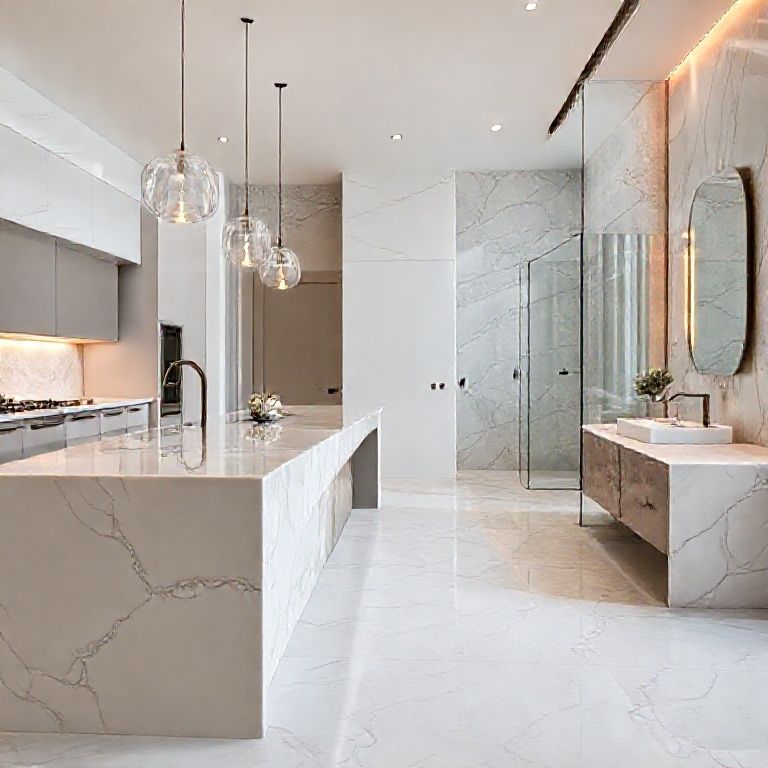
Quartz countertops come in a stunning array of colors, patterns, and textures, providing an unparalleled level of aesthetic versatility. Manufacturers can create quartz in virtually any design imaginable, from natural stone finishes to bold, modern patterns. This customization allows homeowners to tailor their countertops to match any style or theme, providing a unique and personalized look. Additionally, quartz can mimic the appearance of various natural stones, giving homeowners the ability to choose a design that fits their desired aesthetic.
6. Environmentally Friendly Options
Many quartz manufacturers offer eco-friendly options that minimize environmental impact. Quartz is a sustainable material, as it is made from abundant natural quartz and minimal synthetic components. Additionally, the manufacturing process for quartz can be optimized to reduce waste and energy consumption. This makes quartz a more environmentally conscious choice compared to other countertop materials.
Conclusion
The advantages of quartz countertops are manifold, ranging from their durability and scratch resistance to their ease of maintenance and aesthetic flexibility. Whether you are looking to enhance the functionality of your kitchen or the elegance of your bathroom, quartz countertops offer a compelling combination of benefits that make them an excellent choice for modern design. In the next part of this guide, we will explore the potential disadvantages of quartz countertops to provide a well-rounded perspective.
The Disadvantages of Quartz Countertops
Introduction
While quartz countertops offer numerous benefits, it is important to consider the potential drawbacks to make a well-informed decision. This second part of our comprehensive guide will delve into the disadvantages of quartz countertops, helping you understand their limitations and any considerations you may need to keep in mind when choosing this popular material for your kitchen or bathroom.
1. Cost
One of the primary disadvantages of quartz countertops is their cost. While quartz is generally more affordable than high-end natural stones like granite or marble, it is still more expensive than other countertop materials like composite or solid surface options. The price of quartz can vary widely depending on the design, color, and quality of the material. For some homeowners, the initial investment may be a deterrent, especially if budget constraints are a concern.
2. Installation Challenges
Although quartz is a durable and easy-to-maintain material, its installation can present some challenges. Quartz countertops are typically heavier than other types of countertops, which can complicate the installation process. The additional weight may require stronger support structures and can make the installation more labor-intensive. Additionally, the precise cutting and fitting required for quartz can sometimes result in higher labor costs.
3. Limited Natural Look
While quartz offers a wide range of designs and patterns, it may not always perfectly replicate the natural beauty of stones like granite or marble. Although manufacturers can create stunning designs, some purists may find that quartz lacks the natural aesthetic appeal of genuine stone. For homeowners who value the natural look and texture of authentic stone materials, quartz may not fully meet their expectations.
4. Potential for Surface Imperfections
Although quartz is highly resistant to scratches and stains, it is not completely immune to imperfections. Under extreme conditions, such as prolonged exposure to acidic or alkaline substances, quartz can develop surface imperfections like etching or frosting. While these occurrences are rare, they can affect the appearance of the countertop and may require professional refinishing to restore its original look.
5. Limited Flexibility in Design
While quartz offers a wide array of colors and patterns, its flexibility in design is somewhat limited compared to other materials. The manufacturing process for quartz requires specific molds and techniques, which can restrict the range of custom designs that can be achieved. For homeowners seeking highly unique or unconventional designs, quartz may not offer the same level of creative freedom as other materials.
6. Environmental Impact of Manufacturing
Although quartz is a sustainable material, its manufacturing process can still have environmental implications. The extraction and processing of natural quartz can lead to environmental concerns, such as land disruption and energy consumption. Additionally, the resin and synthetic components used in the manufacturing of quartz can introduce potential environmental pollutants. While the overall impact is generally lower than that of some other materials, it is an aspect to consider for environmentally-conscious consumers.
Conclusion
While quartz countertops offer a multitude of advantages, it is crucial to weigh these benefits against their potential drawbacks. From cost and installation challenges to design limitations and environmental considerations, understanding the full spectrum of pros and cons can help you make an informed decision. When choosing a countertop material, it is essential to balance aesthetic preferences, functional requirements, and budget considerations. By carefully evaluating both the advantages and disadvantages of quartz countertops, you can select the best option to meet your specific needs and enhance the beauty and functionality of your kitchen or bathroom.
In this comprehensive guide, we have explored both the advantages and disadvantages of quartz countertops, providing you with a thorough understanding of what to expect when choosing this modern, versatile material. Whether you are drawn to its durability, ease of maintenance, or aesthetic options, or you need to consider its cost and potential limitations, this detailed overview aims to equip you with the information you need to make an informed choice.