The Emergence of Artificial Quartz: A Modern Marvel
In the ever-evolving world of home décor, one material has captured the imagination of designers and homeowners alike: artificial quartz. This synthetic marvel has revolutionized the way we think about countertops, vanities, and other surface applications. But what exactly is artificial quartz, and how does it compare to its counterpart, artificial granite?

Understanding Artificial Quartz
Artificial quartz, often referred to as quartzite, is a composite material crafted from a combination of quartz sand, resin, and colorants. This luxurious surface is manufactured using a proprietary process that binds the quartz particles together, resulting in a material that is both aesthetically pleasing and incredibly durable. Unlike natural quartz, which is mined from the earth, artificial quartz is produced in a controlled environment, allowing manufacturers to create a wide array of colors and patterns that mimic natural stone.
Advantages of Artificial Quartz
The appeal of artificial quartz lies in its numerous advantages. Firstly, it offers unmatched durability. The resin binding ensures that the surface is highly resistant to scratches, stains, and heat, making it ideal for high-traffic areas like kitchens and dining rooms. Moreover, artificial quartz is impervious to water, making it an excellent choice for bathrooms and outdoor spaces where moisture is a concern.
Another significant advantage is its versatility. The ability to produce artificial quartz in various colors and patterns means that it can easily be tailored to fit any design aesthetic. Whether you’re looking for a sleek, monochromatic look or a vibrant, pattern-rich surface, artificial quartz provides endless possibilities.
Design Applications
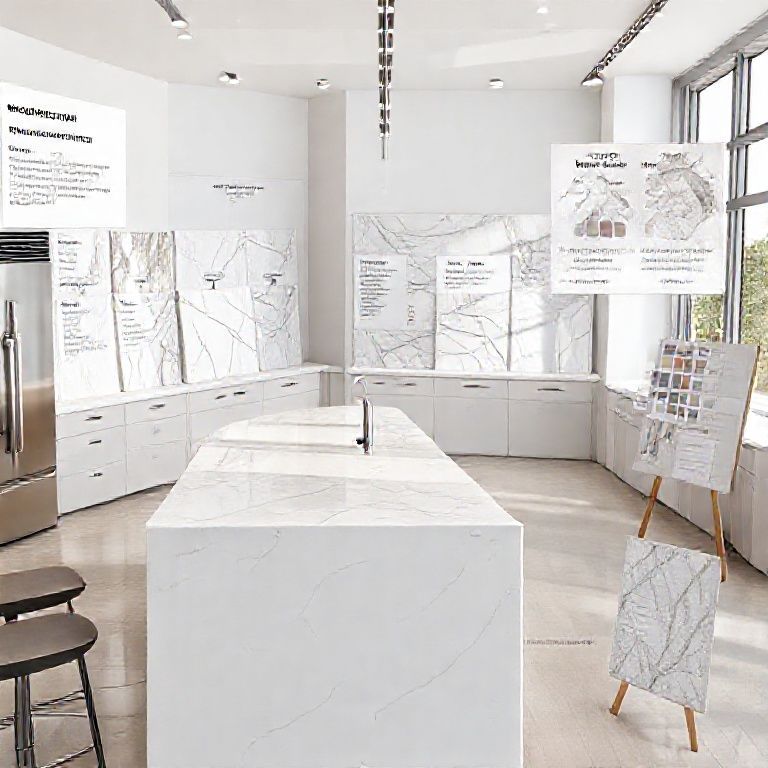
Artificial quartz has quickly become a favorite among designers for its combination of beauty and practicality. In kitchens, it is often used for countertops, providing a luxurious appearance while maintaining a low-maintenance surface. Its use in bathroom vanities adds a touch of elegance and durability, ensuring that the space remains pristine over time.
In commercial settings, artificial quartz is also popular for its use in reception areas, conference rooms, and showrooms. Its durability and aesthetic appeal make it an ideal choice for environments where surfaces are frequently exposed to wear and tear.
Artificial Granite: The Other Contender
While artificial quartz has made significant strides in recent years, it’s important to consider its counterpart: artificial granite. Though often confused with natural granite, artificial granite is a composite material that brings the look and feel of natural stone to a range of applications.
Understanding Artificial Granite
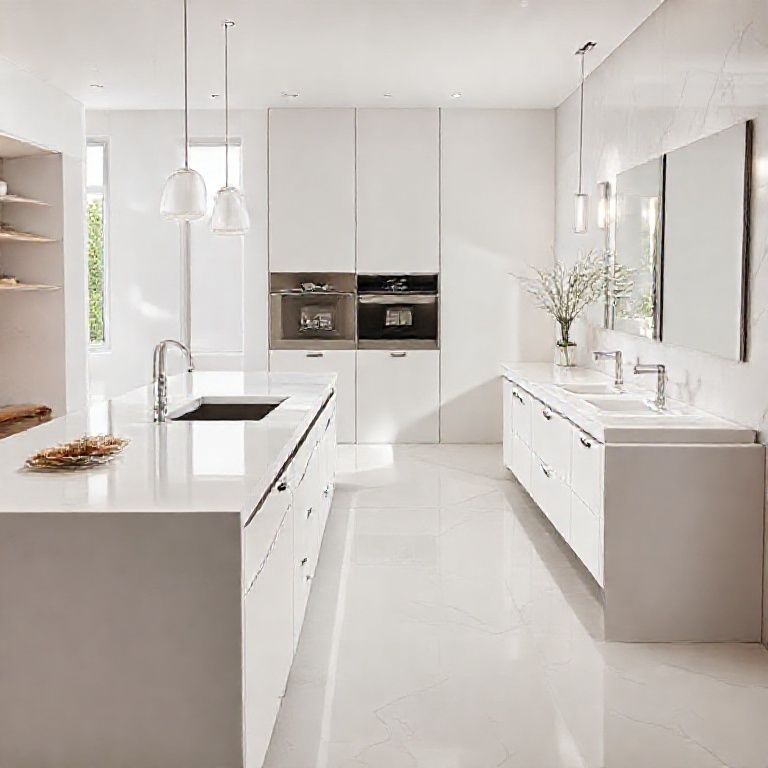
Artificial granite, also known as cultured stone, is made from a mixture of water, pigments, acrylic resin, and stone chips. The process involves pouring the mixture into a mold, where it hardens into a solid, stone-like material. This material can then be cut, polished, and finished to mimic the appearance of natural granite.
Advantages of Artificial Granite
Artificial granite shares many of the same benefits as artificial quartz, including durability and resistance to stains and heat. However, it offers some unique characteristics that set it apart. For one, artificial granite can replicate the intricate veining and color variations found in natural granite, providing a realistic and striking appearance.
Additionally, artificial granite is lightweight compared to natural stone, making it easier to install and transport. This can be particularly beneficial for projects where accessibility and ease of installation are important factors.
Design Applications
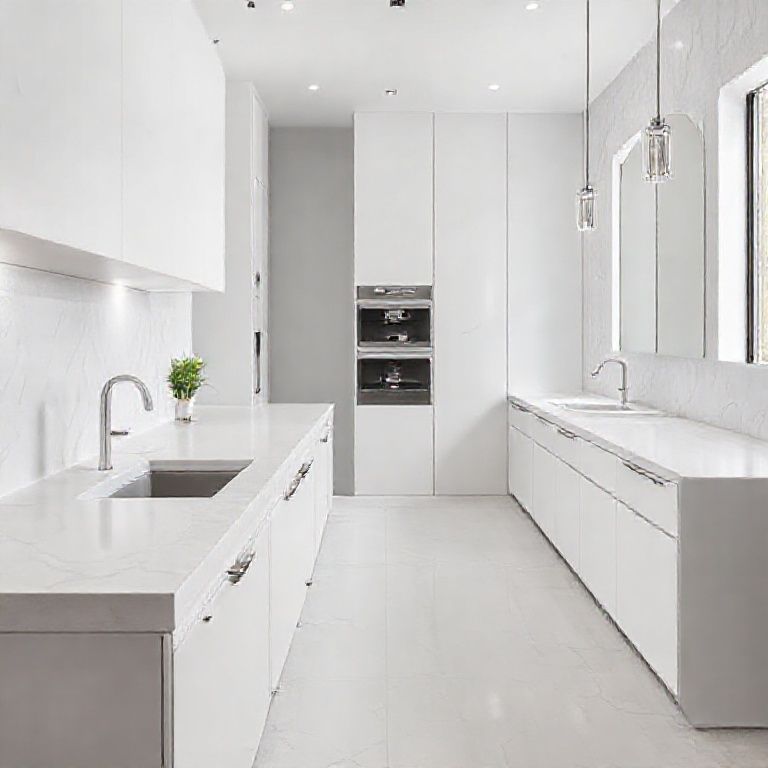
Like artificial quartz, artificial granite is versatile and can be used in a variety of settings. It is commonly found in kitchen countertops, bathroom vanities, and exterior facades. Its realistic appearance makes it an excellent choice for those looking to achieve a natural stone look without the high cost and maintenance requirements of natural granite.
In commercial spaces, artificial granite is often used for reception desks, conference tables, and other areas where a natural stone appearance is desired but a more durable and low-maintenance option is needed.
Comparing Artificial Quartz and Artificial Granite
While both artificial quartz and artificial granite offer numerous benefits, they each have their unique advantages and ideal applications. The choice between the two often comes down to personal preference and specific project requirements.
Durability
Both materials are highly durable, but artificial quartz generally offers superior resistance to heat and stains. This makes it an excellent choice for high-traffic areas where surfaces are frequently exposed to hot cookware and cleaning agents.
Aesthetic Appeal
Artificial granite excels in replicating the intricate patterns and colors found in natural stone, making it a popular choice for those seeking a more realistic stone appearance. Artificial quartz, while also capable of mimicking stone patterns, often offers a broader range of colors and patterns, providing more design flexibility.
Cost
In terms of cost, artificial quartz typically offers a more affordable option compared to artificial granite. This is due in part to the materials and manufacturing processes involved, making it an attractive choice for budget-conscious projects.
Maintenance
Both materials are low-maintenance, but artificial quartz’s resistance to heat and stains makes it particularly easy to clean and maintain. Artificial granite, while still easy to care for, may require more attention in high-heat environments.
Conclusion
The world of modern home décor is enriched by the availability of artificial quartz and artificial granite, both of which offer impressive durability, versatility, and aesthetic appeal. Whether you’re looking to update your kitchen countertops, add elegance to your bathroom, or enhance a commercial space, these synthetic materials provide excellent options that combine beauty with practicality.
As we continue to explore the latest trends and innovations in home décor, it’s clear that artificial quartz and artificial granite are playing an increasingly important role. By understanding their unique advantages and applications, homeowners and designers can make informed decisions that elevate their spaces with stunning, long-lasting surfaces.