Understanding the Polishing Process for Artificial Stone Countertops
In the realm of modern kitchen and bathroom design, artificial stone countertops have emerged as a popular choice for their durability, ease of maintenance, and stunning aesthetic appeal. These countertops, made from a composite of minerals and resins, mimic the appearance of natural stone while offering superior performance. However, to fully unlock their potential and maintain their pristine appearance, a meticulous process of polishing is essential. In this first part, we will explore the fundamentals of polishing artificial stone countertops.
The Composition of Artificial Stone
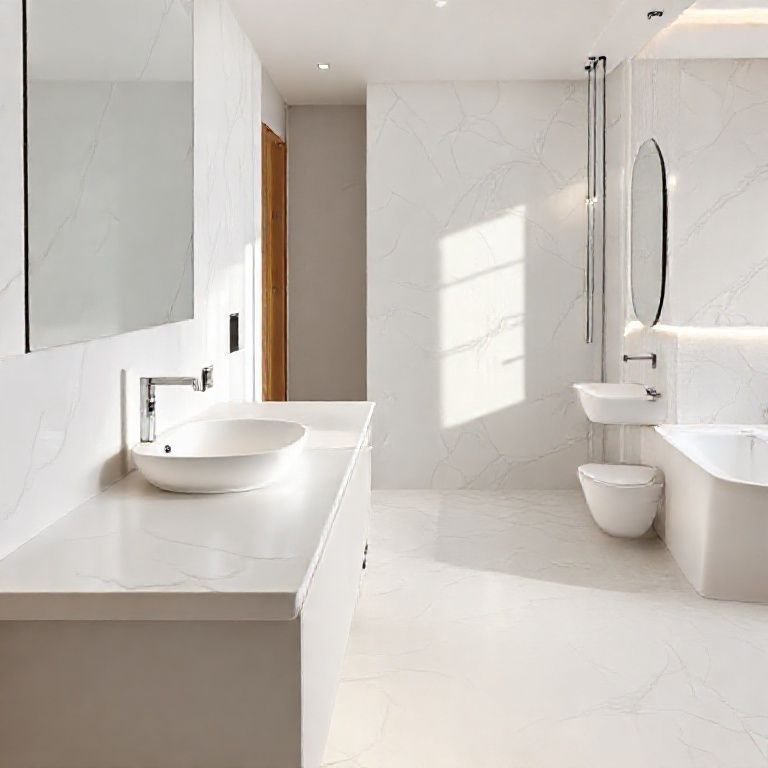
Artificial stone, also known as quartz, is composed of 93% natural stone and 7% resin. This composite material is designed to replicate the beauty of natural stone while providing the practical advantages of a more durable and low-maintenance product. Despite its robustness, artificial stone requires careful handling, especially when it comes to polishing and maintenance. The resin binder can be affected by abrasive cleaning agents, which can lead to dullness and surface imperfections.
Why Polishing is Essential
Polishing artificial stone countertops enhances not only their visual appeal but also their longevity. By removing scratches, stains, and dullness, polishing revitalizes the surface, making it look as good as new. Regular polishing also helps in maintaining the countertop’s smooth, non-porous surface, which is crucial for preventing stains and easy cleaning.
Tools and Materials Needed
To polish an artificial stone countertop, you’ll need a selection of specialized tools and materials. Here’s a list of essential items:

Diamond Polishing Pads: These are specifically designed for stone surfaces and come in various grits for different stages of polishing. Diamond Polishing Paste: Used in conjunction with the pads, this paste contains fine abrasives that help in removing scratches and dullness. Microfiber Cloths: For polishing and buffing the surface, microfiber cloths are preferred for their softness and ability to hold polishing compounds. Water: Always use clean water to rinse the surface between different stages of polishing. Vacuum Cleaner: To remove dust and debris from the countertop before starting the polishing process.
Step-by-Step Polishing Process
Preparation: Begin by thoroughly cleaning the countertop with a mild detergent and water. Ensure that the surface is completely dry before starting the polishing process.
Initial Cleaning: Use a vacuum cleaner to remove any dust, dirt, or debris from the surface. This step is crucial to avoid embedding these particles into the stone during polishing.
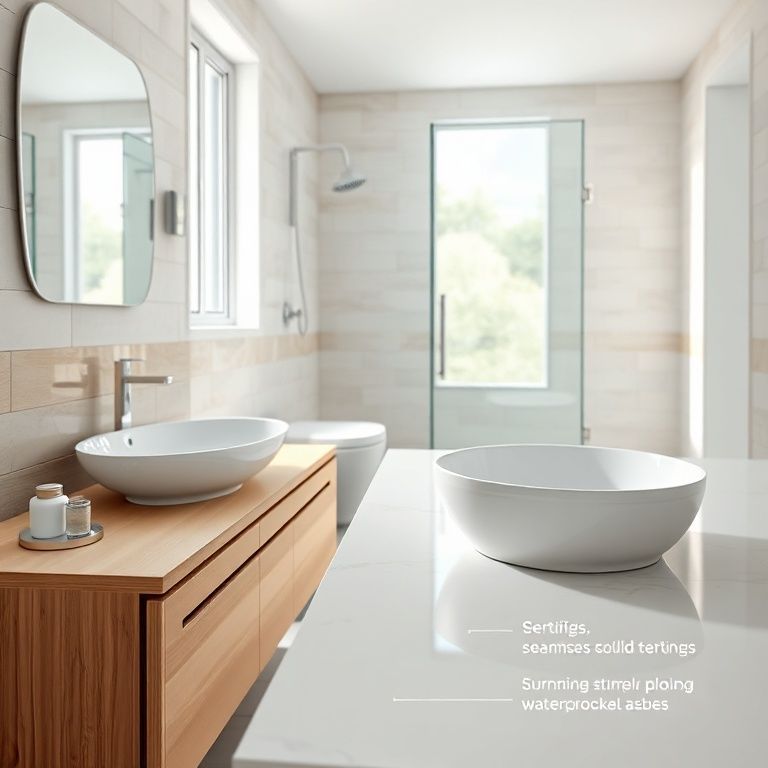
Apply Polishing Paste: Using a diamond polishing pad, apply the polishing paste to the countertop. Use gentle, circular motions to evenly distribute the paste over the surface.
Polishing: Start with a coarser grit pad and paste to remove any deep scratches or dullness. Gradually move to finer grit pads to achieve a smooth, shiny finish.
Rinsing: After polishing with each grit level, rinse the countertop thoroughly with clean water to remove the polishing paste and any embedded particles.
Buffing: Use a clean microfiber cloth to buff the surface, which will help to bring out the shine and smooth out any remaining imperfections.
Final Inspection: Examine the countertop for any remaining scratches or dull spots. Repeat the process if necessary to achieve a flawless finish.
Advanced Techniques and Maintenance Tips for Artificial Stone Countertop Polishing
In the second part of our exploration of artificial stone countertop polishing, we will delve into advanced techniques and maintenance tips to ensure your countertops remain in pristine condition for years to come. We’ll also discuss how to address common issues that may arise during the polishing process.
Advanced Polishing Techniques
Hybrid Polishing: This technique combines both mechanical and chemical processes to achieve an ultra-smooth finish. Start with a coarse diamond pad to remove deep scratches, then switch to a finer pad. Finally, use a hybrid polishing system that combines both diamond and chemical action for a flawless shine.
Laser Polishing: For countertops with significant scratches or imperfections, laser polishing can be an effective solution. This process uses a laser to remove the top layer of the stone, creating a smooth, even surface. While more expensive, laser polishing can restore the countertop to its original state.
Chemical Polishing: This method involves using specialized chemical agents that react with the stone’s surface to remove scratches and dullness. It is typically used for extensive damage and requires careful application and rinsing to avoid over-polishing.
Maintenance Tips
Regular Cleaning: Maintain the shine of your artificial stone countertops by cleaning them regularly with a mild soap and water solution. Avoid abrasive cleaners that can scratch the surface.
Sealing the Surface: Although artificial stone is more resistant to stains than natural stone, sealing the surface periodically can provide an additional layer of protection against stains and scratches.
Avoiding Sharp Objects: To prevent scratches, avoid placing sharp objects directly on the countertop. Use cutting boards and placemats to protect the surface during food preparation.
Immediate Stain Removal: Wipe up spills immediately to prevent stains from setting in. For tougher stains, use a gentle cleaner and avoid scrubbing with abrasive materials.
Common Issues and Solutions
Scratches and Chips: If you notice scratches or chips on your artificial stone countertop, they can often be polished out using the techniques we’ve discussed. However, for severe damage, laser polishing may be necessary.
Dull Surface: A dull surface can usually be revived with a polishing process. Start with a coarser grit pad to bring back the shine.
Stains: For stubborn stains, use a specialized stone cleaner. Avoid using acidic cleaners, as they can damage the surface.
Water Spots: Water spots can be removed by polishing the surface. Use a fine-grit diamond pad and paste to gently buff away the spots.
Final Thoughts
Polishing artificial stone countertops is a rewarding process that not only enhances the aesthetic appeal of your kitchen or bathroom but also extends the life of your investment. By understanding the composition of artificial stone and following the right techniques and maintenance tips, you can ensure your countertops remain beautiful and functional for years to come. Whether you are a homeowner or a professional in the industry, mastering the art and science of polishing artificial stone countertops is essential for achieving flawless results.
This comprehensive guide to polishing artificial stone countertops covers the fundamentals and advanced techniques needed to maintain and enhance the beauty and longevity of your stone surfaces. With the right tools, techniques, and maintenance tips, your artificial stone countertops can look as stunning as the day they were installed.