The Foundation of Artificial Stone Countertop Manufacturing
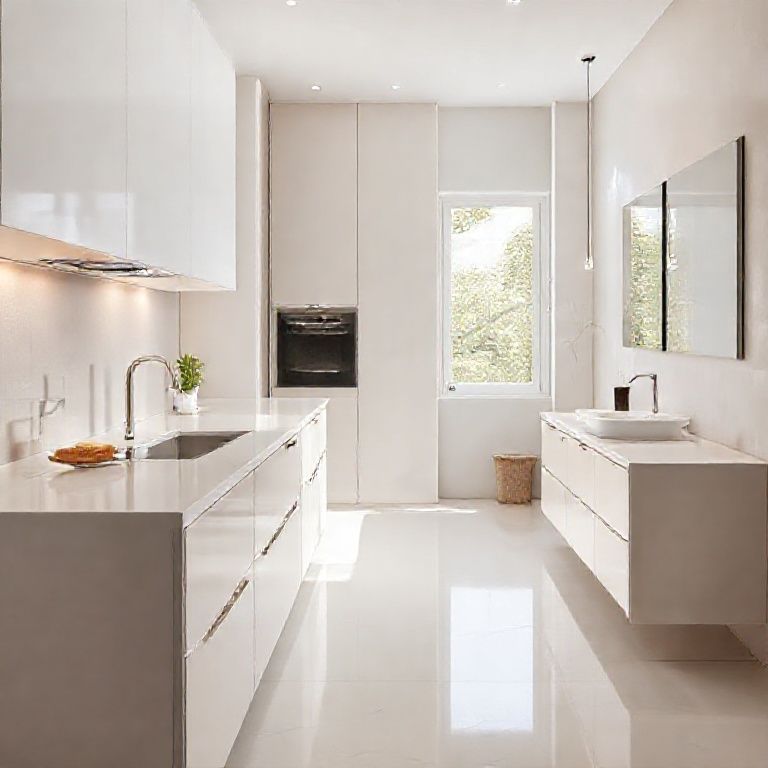
Artificial stone has emerged as a leading choice in the countertop industry, blending the beauty of natural stone with the practicality of modern materials. The manufacturing process of artificial stone countertops is a fascinating blend of art and science, meticulously crafted to create surfaces that are not only visually stunning but also highly functional and durable.
Understanding the Basics
Artificial stone, often referred to as cultured stone or resin stone, is a composite material made from a mixture of minerals, pigments, and resins. The process begins with selecting high-quality raw materials, including marble, granite, quartz, and other natural stones, which are ground into fine powders. These powders are then combined with a polymer resin that acts as a binder, giving the material its strength and flexibility.
The Preparation Stage
The preparation stage is crucial in ensuring the quality of the final product. The raw materials are meticulously measured and mixed to achieve the desired color and texture. This step requires precision and expertise, as even minor variations can significantly affect the outcome. Once mixed, the material is poured into molds that mimic the intended design of the countertop.
Curing and Setting
After pouring the mixture into the molds, the material is allowed to cure. Curing involves a period of hardening where the resin binds the minerals together, forming a solid, stone-like surface. This process often takes place in a controlled environment where temperature and humidity are carefully monitored to ensure optimal setting.
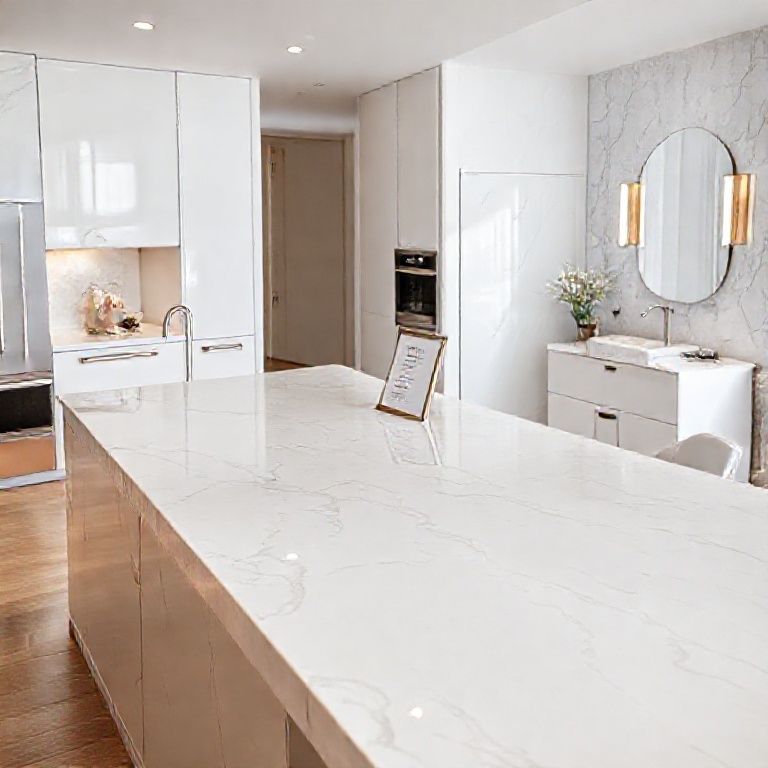
During the curing phase, the material undergoes a transformation. It starts as a fluid mixture and gradually solidifies into a durable, stone-like surface. This phase is critical as it determines the strength and durability of the final product.
Shaping and Finishing
Once the artificial stone has cured, it is carefully removed from the molds and begins its shaping process. This stage involves cutting and polishing the material to achieve the desired contours and surfaces. High-precision tools and machinery are used to ensure that each piece is perfectly shaped and smooth to the touch.
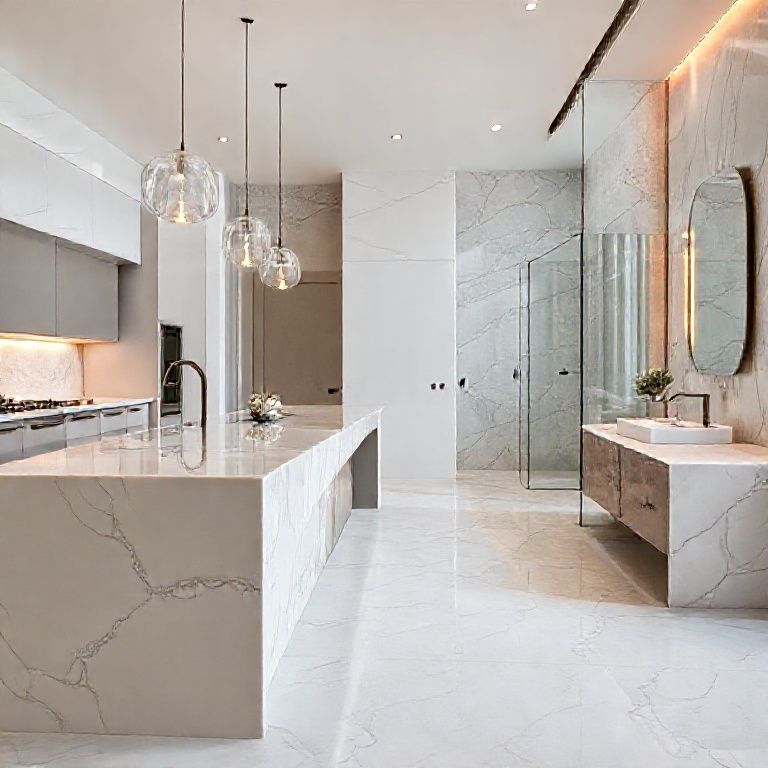
Polishing is a meticulous process that adds the final touch to the artificial stone countertop. It involves using abrasive materials to create a glossy, mirror-like finish. This step not only enhances the aesthetic appeal but also adds a layer of protection, making the surface more resistant to scratches, stains, and everyday wear.
Quality Control
Quality control is an integral part of the manufacturing process. Each piece of artificial stone is rigorously tested to ensure it meets the highest standards of quality. This includes checking for uniformity in color, surface finish, and structural integrity. Advanced testing equipment is used to detect any imperfections that could affect the performance of the countertop.
Environmental Considerations
The production of artificial stone also takes into account environmental sustainability. Manufacturers are increasingly adopting eco-friendly practices, such as using recycled materials and reducing waste. This not only helps in minimizing the environmental impact but also aligns with the growing demand for sustainable products in the market.
The Appeal of Artificial Stone Countertops
The appeal of artificial stone countertops lies in their versatility and durability. They offer a wide range of colors, patterns, and finishes, allowing designers and homeowners to create custom designs that match their unique style. Unlike natural stone, artificial stone is not prone to staining, scratching, or fading, making it an ideal choice for high-traffic areas like kitchens and bathrooms.
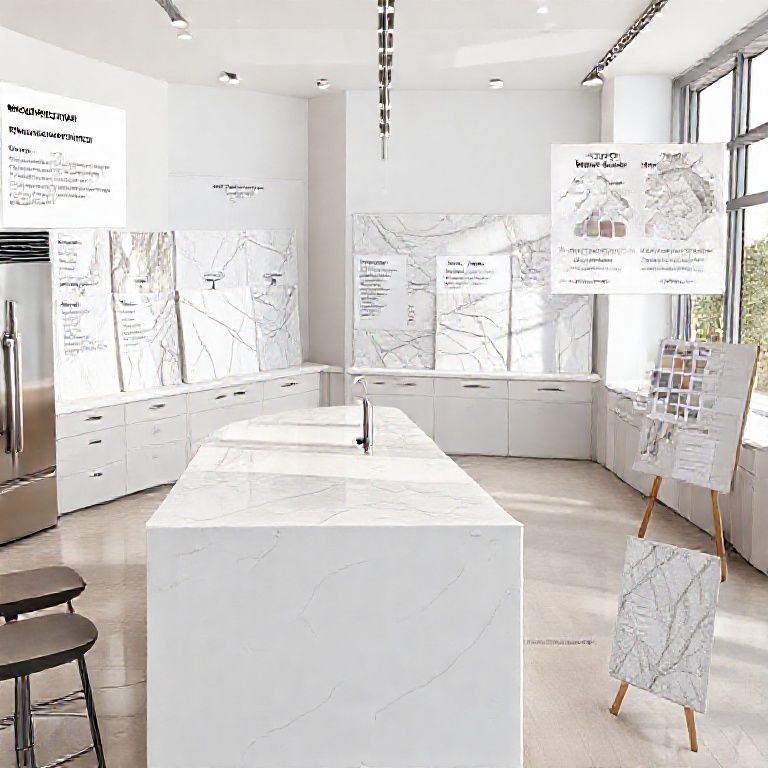
Moreover, artificial stone countertops are known for their longevity. They can withstand the rigors of everyday use, including heat, moisture, and chemical exposure, without losing their appearance or structural integrity. This makes them a cost-effective and long-lasting solution for countertops.
Advanced Techniques and Future Trends in Artificial Stone Countertop Manufacturing
As the demand for artificial stone countertops continues to grow, manufacturers are continually pushing the boundaries of innovation. Advanced techniques and cutting-edge technologies are revolutionizing the way artificial stone is produced, making it more versatile, durable, and aesthetically appealing.
Advanced Manufacturing Techniques
3D Printing and Additive Manufacturing
One of the most exciting developments in artificial stone manufacturing is the use of 3D printing and additive manufacturing. These technologies allow for the creation of complex shapes and designs that would be impossible to achieve with traditional methods. By layering material in a controlled environment, manufacturers can produce intricate patterns and structures that mimic natural stone with incredible precision.
Laser Cutting
Laser cutting is another advanced technique that has transformed the shaping and finishing of artificial stone. Lasers can precisely cut through the material with minimal waste, resulting in clean, sharp edges and a high degree of accuracy. This technique is particularly useful for creating custom shapes and intricate designs, allowing for greater flexibility in countertop design.
Material Innovation
Nanotechnology
The incorporation of nanotechnology in artificial stone manufacturing is opening up new possibilities for enhancing the material’s properties. Nanoparticles can be added to the resin mixture to improve the durability, scratch resistance, and self-cleaning properties of the stone. This innovation not only makes the countertops more resilient but also easier to maintain.
Sustainable Materials
Sustainability is at the forefront of modern manufacturing, and artificial stone is no exception. Manufacturers are exploring the use of sustainable materials, such as recycled plastics and biodegradable resins, to create eco-friendly countertops. These materials reduce the environmental impact of production and offer an attractive option for environmentally conscious consumers.
Digital Design and Customization
Digital Fabrication
Digital fabrication is revolutionizing the way artificial stone countertops are designed and manufactured. By using digital tools and software, manufacturers can create highly detailed designs that can be precisely replicated in the material. This allows for a high degree of customization, enabling designers to bring their most creative visions to life.
Augmented Reality (AR) and Virtual Reality (VR)
AR and VR technologies are being integrated into the design process to provide customers with a more immersive experience. By using AR and VR, designers and homeowners can visualize how an artificial stone countertop will look in their space before it’s even produced. This technology not only enhances the design process but also helps in making informed decisions about color, pattern, and overall aesthetics.
Future Trends
Smart Countertops
The future of artificial stone countertops is likely to include smart features that integrate with modern technology. Imagine countertops that can change color based on the time of day or respond to touch inputs. Smart countertops can also be equipped with sensors that detect spills and automatically clean the surface, reducing maintenance efforts.
Biodegradable Options
As the push for sustainability continues, we can expect to see more biodegradable options in artificial stone manufacturing. These materials will decompose naturally, reducing the environmental footprint of the products. This trend aligns with global efforts to create a more sustainable future and offers an eco-friendly alternative to traditional stone.
Personalization and Customization
The trend towards personalization and customization will continue to grow in the artificial stone industry. Advanced manufacturing techniques will enable manufacturers to produce highly customized pieces that meet the specific needs and preferences of individual customers. This level of personalization will set artificial stone apart as a premium, bespoke material for countertops.
The Role of Artificial Stone in Modern Design
The role of artificial stone in modern design is becoming increasingly significant. Its versatility allows designers to experiment with bold colors, patterns, and textures that would be challenging to achieve with natural stone. This flexibility is particularly appealing in contemporary design, where innovation and creativity are key.
Artificial stone countertops are not just a practical choice; they are also a statement of style and sophistication. They can complement a wide range of design aesthetics, from minimalist to luxurious, making them suitable for any home or commercial space.
Conclusion
The manufacturing of artificial stone countertops is a dynamic and evolving field, driven by innovation and a commitment to quality. From advanced manufacturing techniques to cutting-edge technologies, the industry is shaping the future of countertops. As artificial stone continues to evolve, it will undoubtedly remain a preferred choice for those seeking beauty, durability, and functionality in their kitchen and bathroom designs.
By embracing the latest advancements and trends, manufacturers are ensuring that artificial stone countertops will continue to set new standards in the industry, offering unparalleled versatility and appeal for years to come.