The Art of Choosing the Perfect Thickness for Cabinet Countertop Stone
When it comes to kitchen design, the choice of cabinet countertop stone can make or break the overall aesthetic and functionality of your space. Among the many factors that influence the selection of cabinet countertop stone, one of the most critical yet often overlooked aspects is the stone thickness. Whether you are a homeowner planning a kitchen renovation or a designer looking to perfect your next project, understanding the importance of stone thickness is paramount.
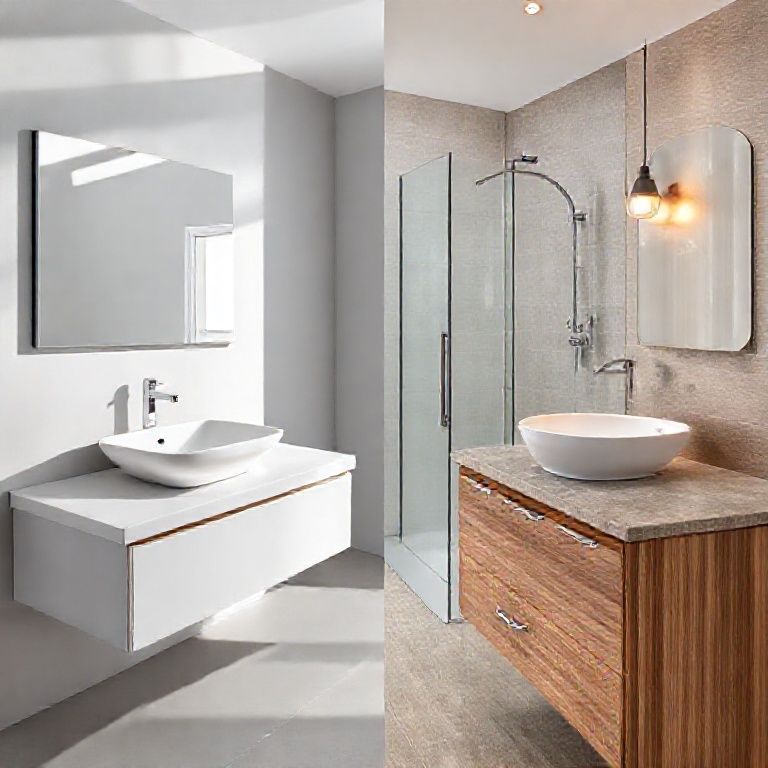
Understanding Stone Types and Their Thickness
First and foremost, it’s essential to understand the various types of stone available for cabinet countertops. Common stone types include granite, marble, quartz, and slate, each with its unique characteristics and recommended thicknesses.
Granite: Granite is renowned for its durability and vibrant colors. Typically, granite countertops range in thickness from 2 to 3 inches. A 2-inch thickness is often sufficient for standard countertop applications, providing ample strength and a premium look. However, for heavier use areas like islands, a 3-inch thickness may be more appropriate to ensure longevity and resilience.
Marble: Marble, with its elegant and often creamy aesthetic, is a favorite among many. However, marble is less durable than granite and requires special care. Marble countertops usually range from 1.5 to 2.5 inches. The thinner end of the spectrum is ideal for aesthetic purposes, but it’s crucial to weigh this against the need for durability and resistance to staining and scratching.
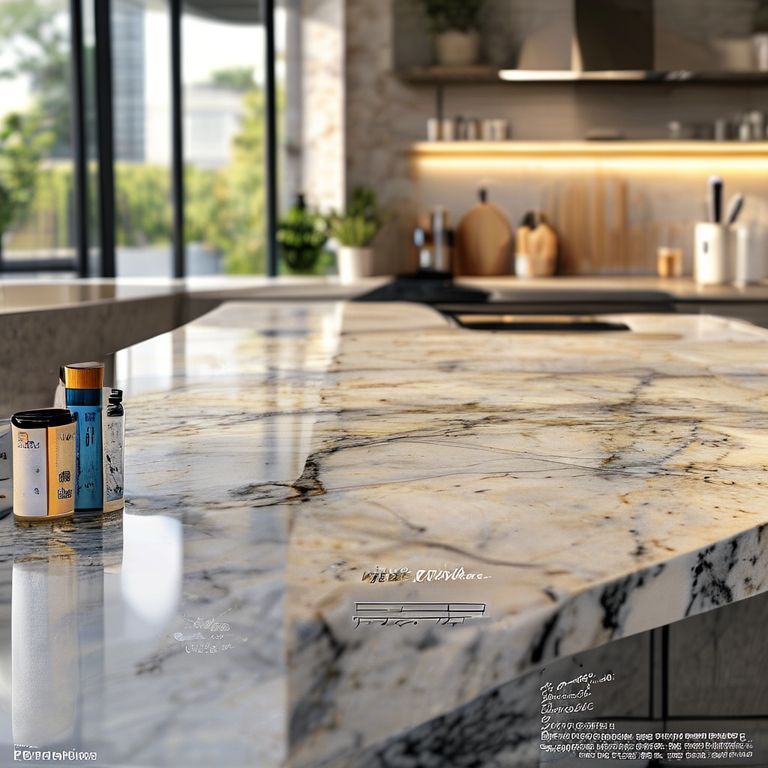
Quartz: Quartz, a composite material made from 90% quartz particles bound with resin, offers a modern and highly durable alternative. Quartz countertops typically come in thicknesses of 1 to 1.5 inches. This range is sufficient for everyday use while still providing a sleek and contemporary look. The thinner option offers a sleek, minimalistic design while maintaining high durability.
Slate: Slate, known for its natural, earthy tones, ranges in thickness from 1 to 2 inches. Slate is often used for its rustic charm and can be a great choice for those looking to add a touch of nature to their kitchen. A 1.5-inch thickness is generally recommended to balance durability and aesthetic appeal.
Functional Aspects of Stone Thickness
The thickness of stone for cabinet countertops is not just an aesthetic choice; it also plays a significant role in functionality. Here are some key considerations:
Load-Bearing and Stability: Thicker stone countertops offer greater stability and can better withstand heavy use and wear. When selecting a stone, consider the intended use of the kitchen. If you frequently host gatherings or have a bustling family kitchen, a thicker stone like granite (2-3 inches) would be more suitable.
Heat Distribution: Thinner stone countertops can conduct heat more efficiently, which might be desirable for those who cook frequently. However, this can also mean that the surface might become uncomfortably hot. For those concerned about heat distribution, a thicker stone like granite (2 inches) provides a more balanced approach, offering both durability and a more manageable heat distribution.
Installation and Support: The thickness of the stone also affects the installation process. Thicker stones require more robust support structures to prevent sagging over time. Modern installation techniques, such as frameless designs and advanced adhesives, can mitigate these concerns, but it’s still a factor to consider.
Aesthetic Balance
While functionality is crucial, aesthetic balance is equally important when choosing the thickness of cabinet countertop stone. The right thickness can complement the overall design of your kitchen, enhancing both style and substance.
Modern Minimalism: For a sleek and contemporary look, thinner stone options like quartz (1-1.5 inches) are ideal. They offer a clean, modern aesthetic that pairs well with minimalist kitchen designs, where the focus is on simplicity and clean lines.
Traditional and Rustic Looks: For those who prefer a more traditional or rustic aesthetic, thicker stones like granite (2-3 inches) provide a robust and timeless appeal. These stones often have a more pronounced texture and color variation, adding depth and character to traditional kitchen designs.
Transitioning Between Materials: When combining different materials in your kitchen, the thickness of your stone countertop should harmonize with the surrounding elements. For example, if you have a wooden island, a slightly thicker stone countertop can provide a striking contrast and highlight the natural beauty of the wood.
Conclusion
Choosing the perfect thickness for your cabinet countertop stone is a decision that involves balancing durability, functionality, and aesthetic appeal. By understanding the unique properties of different stone types and considering your kitchen’s specific needs, you can make an informed choice that enhances both the look and longevity of your space.
In the next part, we will delve deeper into the installation considerations, maintenance tips, and advanced techniques to ensure your chosen stone countertop not only looks stunning but also stands the test of time.
The Art of Choosing the Perfect Thickness for Cabinet Countertop Stone
In the continuation of our exploration into the nuances of cabinet countertop stone thickness, we now turn our attention to installation considerations, maintenance tips, and advanced techniques. These elements are crucial in ensuring that your stone countertop not only looks stunning but also stands the test of time, providing both durability and aesthetic value.
Installation Considerations
The installation process for cabinet countertop stone is as important as the choice of material and thickness. Here are some advanced considerations to ensure a flawless installation:
Support Structures: Thicker stone countertops require more robust support structures to prevent sagging and ensure longevity. Modern techniques such as frameless installations, which use advanced adhesives and brackets, can provide the necessary support. For instance, granite countertops that are 2-3 inches thick benefit from frameless installations to maintain structural integrity without compromising the sleek appearance.
Custom Cut and Fitting: Precision is key when it comes to fitting stone countertops. Custom cuts to match your cabinet dimensions ensure a seamless look. Using high-quality saws and blades can help achieve precise cuts, minimizing the risk of cracks and ensuring a perfect fit. Advanced fitting techniques, such as using specialized fixtures and adhesives, can further enhance the durability and appearance of the countertop.
Sealing and Finishing: Proper sealing and finishing of the stone countertop are critical for both protection and aesthetics. Depending on the type of stone, different sealing techniques may be required. For example, natural stones like marble and slate often require periodic sealing to maintain their beauty and resist stains and scratches. Quartz, on the other hand, typically requires minimal sealing due to its composite nature.
Maintenance Tips
Maintaining your stone countertop is essential to preserving its beauty and durability. Here are some expert tips for different types of stone:
Granite: Granite is highly durable but requires regular maintenance to prevent stains and scratches. Use a pH-neutral cleaner and avoid abrasive pads or sponges. For tougher stains, consider using a granite-specific cleaner. Regular sealing every 6-12 months can help maintain its protective qualities.
Marble: Marble is beautiful but more delicate. It requires frequent sealing to prevent stains and etching from acidic substances. Use a soft cloth and pH-neutral cleaner to avoid scratching the surface. Avoid placing hot pots or pans directly on the countertop, and use trivets to protect the stone from heat.
Quartz: Quartz is low-maintenance and highly durable. Regular cleaning with a pH-neutral cleaner and mild soap is usually sufficient. For tougher stains, specialized quartz cleaners are available. Unlike natural stones, quartz does not require frequent sealing, making it a low-maintenance option.
Slate: Slate countertops require minimal maintenance but benefit from periodic sealing to maintain their natural beauty. Use a mild soap and water solution for cleaning. Avoid using acidic cleaners, which can etch the surface. Regular sealing can help protect against stains and scratches.
Advanced Techniques
In addition to installation and maintenance, there are advanced techniques that can enhance the performance and appearance of your stone countertop:
Edge Beveling: Beveling the edges of the stone countertop can add a touch of elegance and prevent chips and cracks from the edges. This technique involves creating a slight angle on the edge, which not only looks appealing but also provides a more durable surface.
Color Enhancement: Some stone types, like granite and quartz, can benefit from color enhancement techniques. These methods involve using specialized dyes and sealants to bring out the natural beauty of the stone and enhance its color. This can be particularly useful for creating a custom look that matches your kitchen design.
Custom Shapes and Patterns: Advanced stoneworking techniques allow for custom shapes and patterns that can add a unique touch to your kitchen. Whether it’s a custom island, bar, or sink, skilled stonemasons can create intricate designs that complement your overall kitchen aesthetic.
Conclusion
Choosing the perfect thickness for your cabinet countertop stone is a multifaceted decision that requires careful consideration of material properties, functional needs, and aesthetic goals. By understanding the nuances of different stone types and advanced installation and maintenance techniques, you can ensure that your stone countertop not only enhances the beauty of your kitchen but also provides long-lasting durability and performance.
In
The Art of Choosing the Perfect Thickness for Cabinet Countertop Stone
Advanced Design and Customization Options
Beyond the fundamental aspects of material, thickness, and installation, there are advanced design and customization options that can elevate your kitchen’s aesthetic and functionality. These choices allow for a tailored approach to kitchen design, ensuring that your stone countertop perfectly complements your unique style and needs.
Custom Shapes and Curves
One of the most exciting aspects of stone countertops is the ability to create custom shapes and curves. Whether it’s a kitchen island, a peninsula, or a bespoke bar, stone can be cut and shaped to fit any design. Advanced techniques allow for intricate cuts and smooth curves, providing a personalized touch that traditional materials cannot match.
Mixed Materials and Multi-Texture Surfaces
Combining different materials can create a striking contrast and texture in your kitchen. For instance, a granite countertop can be seamlessly integrated with a wood island or a metal bar, creating a dynamic and visually appealing design. Multi-texture surfaces can add depth and interest to your kitchen, with the stone providing a durable and elegant base.
Innovative Installation Techniques
Modern installation techniques have made it possible to install stone countertops with minimal disruption and maximum precision. For example, frameless installations using advanced adhesives and brackets can provide the necessary support without compromising the sleek appearance of the countertop. These techniques also allow for seamless integration with other kitchen elements, such as cabinets and under-counter appliances.
Sustainable and Eco-Friendly Options
Sustainability is increasingly important in modern design. Some stone types, such as quartz, offer eco-friendly options that are both durable and low-maintenance. Quartz countertops are made from recycled quartz particles and resin, reducing the environmental impact associated with traditional stone mining. Additionally, many stone suppliers now offer sustainable practices, such as using reclaimed stone or offering take-back programs for old countertops.
High-Tech Finishes and Coatings
Advancements in stone finishing and coating technologies have opened up new possibilities for customization and protection. For instance, stone countertops can be treated with advanced coatings that provide enhanced resistance to stains, scratches, and heat. These coatings can be tailored to specific needs, such as requiring less frequent maintenance or offering additional protection for high-traffic areas.
Case Studies and Real-World Applications
To better understand the impact of stone countertop thickness on design and functionality, let’s explore some real-world examples and case studies.
Case Study 1: Modern Kitchen with Granite Island
In a contemporary kitchen design, a 2.5-inch granite island serves as the focal point. The thicker granite provides not only durability and stability but also a rich, textured surface that complements the sleek, modern aesthetic of the kitchen. The island features custom cuts and curves, with beveled edges that add elegance and prevent chips and cracks. The island’s surface is treated with a high-tech coating to resist stains and scratches, ensuring long-lasting beauty and ease of maintenance.
Case Study 2: Traditional Family Kitchen with Slate Countertop
In a traditional family kitchen, a 1.5-inch slate countertop is chosen for its rustic charm and natural beauty. The slate’s earthy tones and varied texture provide a warm and inviting contrast to the kitchen’s classic design elements. The countertop features a seamless integration with the wooden cabinets, with a custom-cut edge that enhances its natural appearance. Regular sealing ensures the slate’s protective qualities, maintaining its beauty and durability over time.
Case Study 3: Eco-Friendly Kitchen with Quartz Countertop
In an eco-conscious kitchen design, a 1.25-inch quartz countertop is selected for its sustainability and low maintenance. The quartz’s sleek, modern look complements the kitchen’s minimalist design, with its high-tech finish providing enhanced resistance to stains and scratches. The countertop is seamlessly integrated with the kitchen’s natural wood elements, creating a harmonious and eco-friendly space.
Conclusion
Choosing the perfect thickness for your cabinet countertop stone is a decision that encompasses a range of factors, from material properties and installation techniques to design aesthetics and sustainability. By exploring advanced design and customization options, you can create a kitchen that not only looks stunning but also functions perfectly for your everyday needs.
Whether you’re looking to enhance the durability and beauty of your kitchen with a custom granite island, add rustic charm with a slate countertop, or opt for a sustainable and low-maintenance quartz option, the right thickness and design choices can transform your kitchen into a functional and inspiring space.
In the end, the perfect thickness for your cabinet countertop stone is one that harmonizes with your kitchen’s overall design, meets your functional needs, and stands the test of time. With careful consideration and expert guidance, you can achieve a kitchen countertop that is both beautiful and durable, providing years of enjoyment and pride.
By understanding the intricacies of stone countertop thickness, you can make informed decisions that enhance your kitchen’s design and functionality, creating a space that is both aesthetically pleasing and practical for everyday use.