The Comprehensive Analysis of Quartz Countertops: Advantages and Disadvantages
In the realm of modern kitchen and bathroom design, quartz countertops have emerged as a top contender. This material, known for its blend of natural and engineered components, offers a range of benefits that appeal to both homeowners and professionals. In this first part of our comprehensive analysis, we’ll explore the myriad advantages of quartz countertops, from their unmatched durability to their versatile design options.
Unmatched Durability and Strength
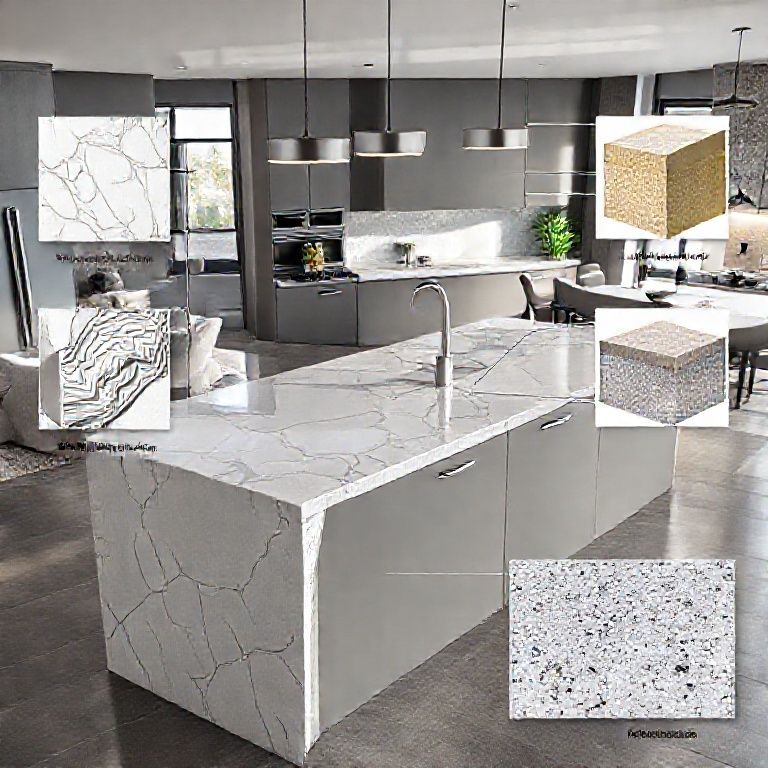
One of the standout features of quartz countertops is their extraordinary durability. Quartz is a natural stone composed of 93% silica, making it one of the hardest minerals on Earth. This inherent hardness translates to exceptional resistance against scratches, dents, and impacts, which makes quartz countertops a preferred choice in high-traffic areas like kitchens and bathrooms.
Scratch and Stain Resistance
Quartz’s hardness means it doesn’t easily scratch, which is a significant advantage over other countertop materials like granite or marble. The surface of a quartz countertop can withstand everyday wear and tear without showing signs of damage. Additionally, quartz is inherently non-porous, which means it does not absorb liquids or stains. This characteristic makes cleaning and maintaining quartz countertops incredibly easy, as spills can simply be wiped away without fear of permanent discoloration.
Aesthetic Versatility
Quartz countertops offer an impressive level of aesthetic versatility. Available in a wide array of colors, patterns, and finishes, quartz can mimic the look of virtually any natural stone, including granite, marble, and even wood. This flexibility allows designers and homeowners to choose a look that precisely matches their vision, whether it’s a rustic, modern, or luxurious design.
Customization Options
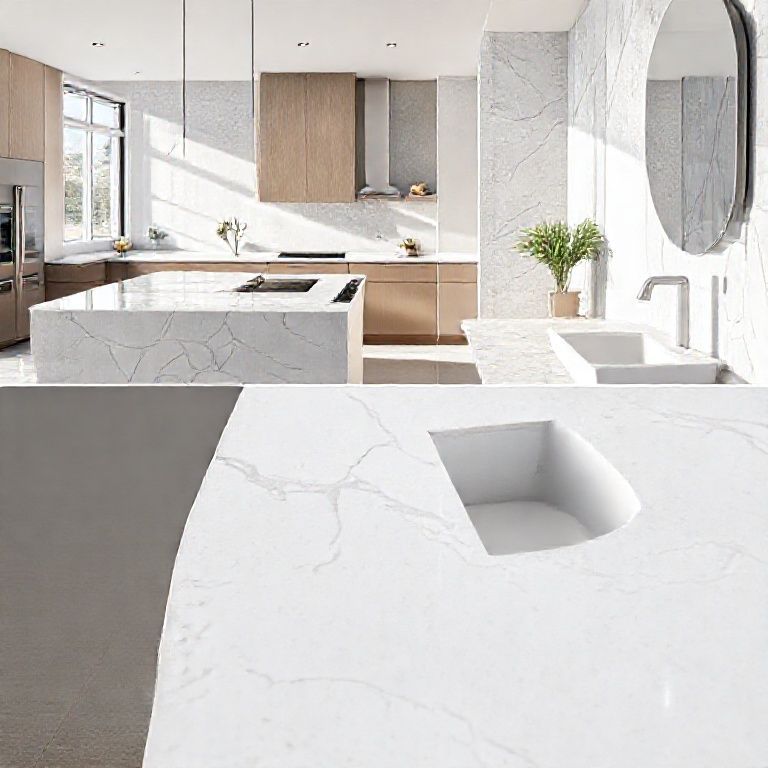
Quartz is a highly customizable material. It can be engineered to mimic the appearance of any stone or wood, and manufacturers can mix in pigments to create unique color combinations and patterns. This allows for an almost limitless range of design possibilities, making it easier to find a quartz countertop that fits perfectly into any existing décor.
Low Maintenance
The low-maintenance nature of quartz countertops is another significant advantage. Because quartz is non-porous and resistant to stains, it requires minimal upkeep. Daily cleaning typically involves a simple wipe with a damp cloth and a mild soap or specialized quartz cleaner. Unlike natural stone countertops, quartz does not require sealing, which further reduces maintenance efforts and costs.
Cost-Effectiveness
While the initial cost of quartz countertops can be higher than some other materials, the long-term benefits often make it a cost-effective choice. The durability and low maintenance requirements mean that quartz countertops require less frequent replacement and fewer cleaning supplies, which can offset the initial investment over time.
Safety
Quartz countertops are also a safe option because they do not off-gas harmful chemicals like some composite materials. This makes them a healthier choice for homes, especially for those concerned about indoor air quality.
Environmental Impact
From an environmental perspective, quartz is a relatively sustainable option. The manufacturing process involves less waste compared to natural stone quarrying, and quartz can be recycled at the end of its lifespan, reducing its overall environmental footprint.
The Comprehensive Analysis of Quartz Countertops: Advantages and Disadvantages
Having explored the myriad advantages of quartz countertops in the first part of this article, we now turn our attention to the potential drawbacks. While quartz offers many benefits, it’s important to understand any limitations that might affect your decision. This second part delves into the disadvantages of quartz countertops, including considerations about cost, installation, and long-term durability.
Cost Considerations
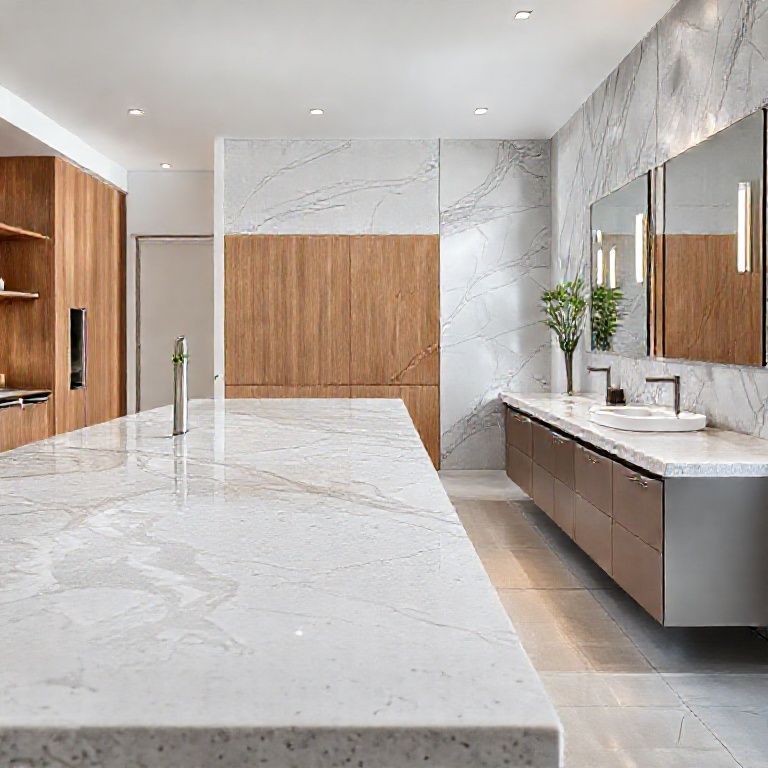
While the long-term benefits of quartz often make it a cost-effective choice, the initial investment can be significant. Quartz countertops typically cost more than composite or laminate options, which can be a barrier for some homeowners. The price difference is primarily due to the material’s quality, durability, and customizable nature.
Installation Costs
The installation of quartz countertops may also come with additional costs. Because quartz is a relatively hard material, it requires specialized tools and techniques to cut and install. This can increase labor costs compared to softer materials like laminate or some types of stone. However, the precision and strength of quartz often mean a more stable and long-lasting countertop, potentially justifying the higher installation costs.
Weight
Quartz countertops are heavier than some other countertop materials, which can be a consideration for certain types of installations. The added weight may require more robust support structures, particularly in older homes with less sturdy cabinets or countertops.
Handling and Transportation
The weight of quartz can also pose challenges during installation and transportation. Heavier materials require careful handling to prevent damage during transport and installation, which can add to the overall cost and complexity of the project.
Limited Color Options
While quartz offers extensive customization options, there are still some limitations when it comes to color. Although it can mimic almost any natural stone or wood, achieving some very rare or specific color combinations might be challenging. This could be a drawback for those looking for a very particular look.
Potential for Chips and Cracks
Despite its hardness, quartz is not immune to damage. While quartz is highly resistant to scratches and stains, it can chip or crack under extreme pressure or from heavy impacts. This is less common than with softer materials but is still something to consider.
Edge Protection
To mitigate the risk of chipping, it’s important to use edge protection when installing quartz countertops. This involves applying a protective trim or cap to the edges of the countertop, which can help prevent chips and cracks from accidental impacts.
Environmental Concerns
Although quartz is a more sustainable option than some other materials, the manufacturing process can still have environmental impacts. The production of quartz involves energy-intensive processes and the use of certain chemicals, which can contribute to its overall environmental footprint. Additionally, the global transportation of quartz can add to its carbon footprint.
Aesthetic Limitations
While quartz offers a wide range of design options, it may not perfectly replicate some very specific textures or patterns found in natural stone. For those seeking an exact match to a natural stone or wood look, quartz might not be the perfect solution.
Long-Term Durability
While quartz is highly durable, it’s important to consider its long-term performance. Over time, any material can show signs of wear, and while quartz is resistant to most forms of damage, it is not completely invulnerable. Proper maintenance and occasional repairs can help ensure the longevity of a quartz countertop, but some level of upkeep is inevitable.
Conclusion
In conclusion, quartz countertops offer a compelling blend of durability, versatility, and low maintenance that makes them a top choice for many homeowners and designers. However, the higher initial cost, installation challenges, and some limitations in color and design options are important considerations. By weighing these pros and cons, you can make an informed decision that best suits your needs and preferences.
Whether you’re looking to upgrade your kitchen or bathroom, quartz countertops provide a robust, stylish, and low-maintenance option that stands the test of time.