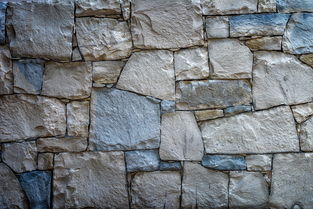
When it comes to kitchen design, one of the most important decisions you’ll make is choosing the right material for your cabinet countertops. The countertop not only defines the aesthetic appeal of your kitchen but also plays a significant role in its functionality. Selecting the best material for your kitchen cabinet countertops can make a substantial difference in durability, maintenance, and overall cost. In this article, we’ll explore the best inexpensive materials for kitchen cabinet countertops, comparing their features, benefits, and drawbacks to help you make an informed decision.

Melamine Laminate
Melamine laminate is a popular choice for kitchen cabinet countertops due to its affordability and durability. It’s made from layers of paper coated with melamine resin, which provides a high-gloss finish and resistance to scratches, stains, and moisture.
Benefits:
Cost-Effective: Melamine laminate is one of the most affordable materials available, making it an excellent choice for budget-conscious homeowners. Durability: Melamine laminate is highly resistant to scratches, stains, and moisture, which makes it a practical choice for everyday use. Design Variety: Melamine laminate comes in a wide range of colors and patterns, allowing for versatile design options.
Drawbacks:
Heat Sensitivity: While melamine laminate is resistant to moisture, it is not ideal for areas exposed to high heat, such as near stoves or ovens. Low-End Aesthetic: The material may not have the high-end aesthetic appeal compared to other more expensive options. Formica
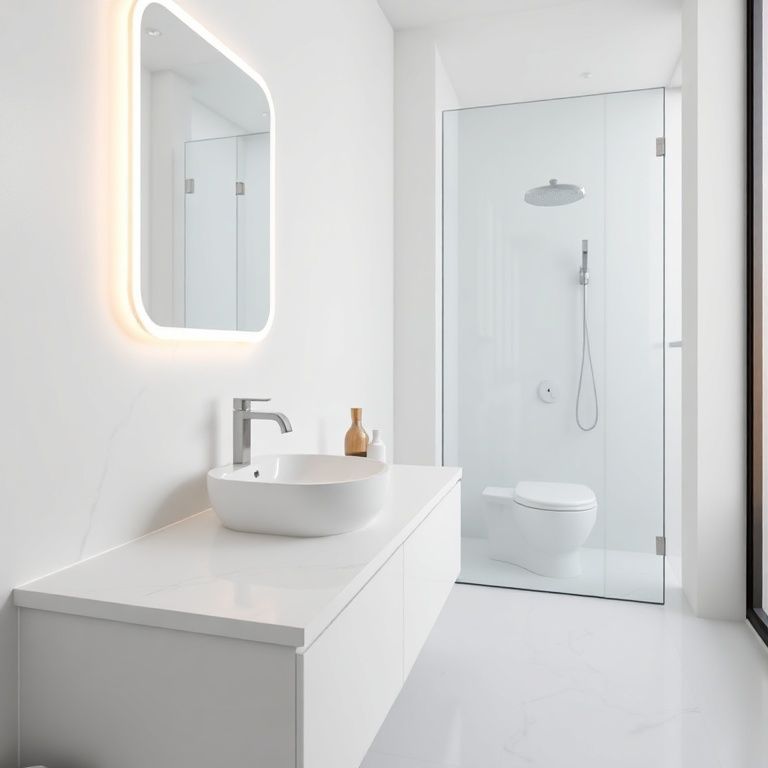
Formica is another budget-friendly option for kitchen cabinet countertops. It is made from a composite of resins and wood flour, which gives it a durable and scratch-resistant surface.
Benefits:
Durability: Formica is known for its durability and resistance to scratches, stains, and moisture. Heat Resistance: Formica can withstand higher temperatures, making it suitable for areas near stovetops. Variety: It comes in numerous colors and patterns, offering a wide range of design possibilities.
Drawbacks:
Limited Flexibility: Formica is not as flexible as some other materials, which means it may not be the best choice for areas where movement or shifting is expected. Aesthetic: While functional, Formica may not provide the same high-end aesthetic appeal as some premium materials. PVC Sheet
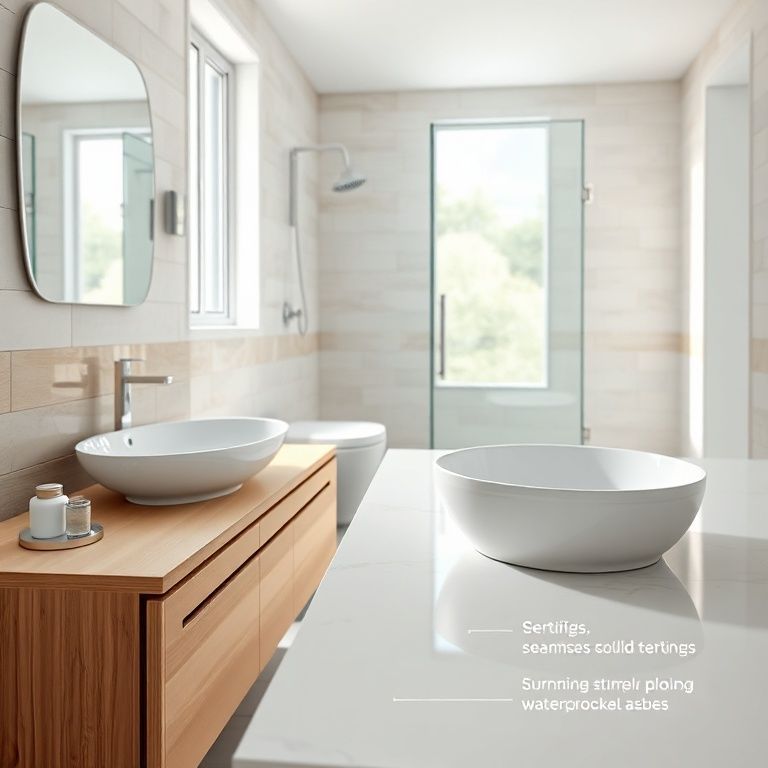
PVC (polyvinyl chloride) sheet is an affordable and versatile material that is often used for kitchen cabinet countertops. It is made from plastic and coated with a protective layer that gives it a sleek, modern appearance.
Benefits:
Cost-Effective: PVC sheet is one of the most budget-friendly options available. Versatility: It can be molded into various shapes and colors, providing endless design possibilities. Easy Maintenance: PVC is easy to clean and resistant to stains, making it low-maintenance.
Drawbacks:
Heat Sensitivity: Like melamine laminate, PVC is not ideal for areas exposed to high heat. Aesthetic: While functional, PVC may not provide the same premium feel as other materials. Laminated Particle Board
Laminated particle board is a cost-effective material made from small wood particles glued together and covered with a protective laminate. It is an economical choice for kitchen cabinet countertops.
Benefits:
Affordability: Laminated particle board is significantly cheaper than many other options. Strength: Despite its low cost, it provides a sturdy surface that can withstand everyday use. Design Options: Available in various laminates, providing flexibility in design.
Drawbacks:
Sensitivity to Moisture: It is more susceptible to moisture and may not be the best choice for areas prone to spills and humidity. Low-End Appearance: The aesthetic appeal may not match that of higher-end materials. High-Pressure Laminate (HPL)
High-pressure laminate (HPL) is a durable and affordable material made from multiple layers of paper compressed under high heat and pressure. It is then coated with a melamine resin, which provides a smooth, glossy finish.
Benefits:
Durability: HPL is highly resistant to scratches, stains, and moisture. Cost-Effective: It is a more affordable option compared to many premium materials. Design Variety: Available in a wide range of colors and patterns, allowing for extensive design flexibility.
Drawbacks:
Heat Sensitivity: Like other laminates, HPL is not suitable for areas exposed to high heat. Limited Flexibility: It may not be the best choice for areas where movement or shifting is expected.
In conclusion, selecting the best inexpensive material for your kitchen cabinet countertops involves balancing cost, durability, and aesthetic appeal. Melamine laminate, Formica, PVC sheet, laminated particle board, and high-pressure laminate all offer budget-friendly options with varying features and benefits. By understanding these materials, you can make a well-informed decision that meets your budget and design needs.
In the second part of our comprehensive guide on the best inexpensive materials for kitchen cabinet countertops, we delve deeper into additional cost-effective options, examining their unique features, pros, and cons to help you find the perfect material for your kitchen renovation.
Composite Materials
Composite materials, such as engineered wood and fiberboard, are an excellent choice for budget-friendly kitchen cabinet countertops. These materials combine various components to create a durable and cost-effective surface.
Benefits:
Durability: Composite materials offer good resistance to scratches and minor impacts, making them a practical choice for everyday use. Cost-Effective: Engineered wood and fiberboard are generally more affordable than solid wood or high-end laminates. Design Flexibility: Available in various finishes and styles, providing ample design options.
Drawbacks:
Sensitivity to Heat and Moisture: While composite materials are durable, they may not be the best choice for areas exposed to high heat or moisture. Aesthetic Appeal: The aesthetic may not match the high-end look of premium materials like granite or marble. Acrylic
Acrylic is a versatile and budget-friendly material often used for kitchen cabinet countertops. It is known for its durability, resistance to scratches, and ability to be molded into various shapes and colors.
Benefits:
Durability: Acrylic is highly resistant to scratches, stains, and scratches, making it a practical choice for high-traffic areas. Design Variety: Acrylic can be molded into intricate shapes and comes in a wide range of colors and patterns. Low-Maintenance: Acrylic is easy to clean and maintain.
Drawbacks:
Heat Sensitivity: Acrylic can become soft when exposed to high heat, so it’s not ideal for areas near stovetops. Aesthetic: While functional, acrylic may not provide the same premium feel as materials like granite. Recycled Content Composites
Recycled content composites are made from a mixture of recycled materials and new components, providing a sustainable and budget-friendly option for kitchen cabinet countertops.
Benefits:
Sustainability: Using recycled materials helps reduce environmental impact. Cost-Effective: These materials are generally more affordable than traditional options. Design Flexibility: Available in various finishes, providing design options.
Drawbacks:
Durability: The durability of recycled content composites may vary depending on the specific formulation. Aesthetic: The aesthetic appeal may not match premium materials like marble or granite. Resin-Based Countertops
Resin-based countertops, such as those made from resin and wood fibers, offer a budget-friendly alternative with a variety of design options.
Benefits:
Cost-Effective: Resin-based countertops are generally more affordable than traditional materials. Design Variety: Available in various colors and patterns, providing extensive design flexibility. Durability: They offer good resistance to scratches and minor impacts.
Drawbacks:
Heat Sensitivity: Resin-based countertops are not ideal for areas exposed to high heat. Aesthetic: The aesthetic may not match the look of high-end materials. Vinyl
PVC复合材料
PVC复合材料是由PVC和其他添加剂混合制成的,具有高耐用性和设计灵活性。
优点:
耐用性: PVC复合材料耐刮擦、耐污渍,且耐化学品。 设计灵活: 可以制成各种形状和颜色,设计选择丰富。 易于维护: 表面光滑,易于清洁和维护。
缺点:
热敏感: 长时间暴露在高温下可能会变软或变形。 环境影响: PVC生产过程中可能产生有害物质,需要特别注意环保。 竹材
竹材是一种可再生资源,具有轻便、强度高、抗菌等特性,是一种环保且经济的选择。
优点:
环保: 竹材是可再生资源,生长周期短,对环境影响小。 强度: 竹材强度高,耐用性好。 抗菌: 天然的抗菌特性,减少细菌滋生。
缺点:
维护: 需要定期保养以防止虫害和湿气。 设计: 较为单一的自然纹理,设计选择较为有限。 再生木材
再生木材是经过处理和再利用的旧木材,具有独特的纹理和历史感。
优点:
独特: 每块再生木材都是独一无二的,具有历史感。 环保: 利用废弃木材,减少新木材的采伐。 耐用: 经过处理后,再生木材具有很强的耐用性。
缺点:
成本: 由于工艺复杂,有时价格可能较高。 设计: 受限于原始材料的纹理和尺寸,设计灵活性较低。 石英石
石英石是一种由天然材料和矿物质制成的复合材料,具有高耐用性和美观性。
优点:
耐用: 高度耐刮擦、耐污渍,不易磨损。 美观: 提供多种颜色和纹理,设计选择丰富。 易维护: 表面光滑,易于清洁和维护。
缺点:
成本: 相对于其他材料,石英石的价格较高。 重量: 比木材和一些复合材料重,安装和运输成本较高。
选择经济和环保友好的材料不仅能够降低成本,还能为环境保护做出贡献。在做决定时,需要综合考虑材料的耐用性、设计灵活性、维护要求以及预算等多方面因素。希望这些信息能帮助你在选择厨房橱柜台面材料时做出更明智的决策。