The Aesthetic Appeal and Durability of Artificial Stone Countertops
Artificial stone countertops have revolutionized modern kitchen and bathroom design, blending the timeless elegance of natural stone with the practical benefits of modern materials. Let’s explore their aesthetic appeal and durability, and address the often-asked question: will these countertops change color over time?
The Aesthetic Appeal of Artificial Stone Countertops
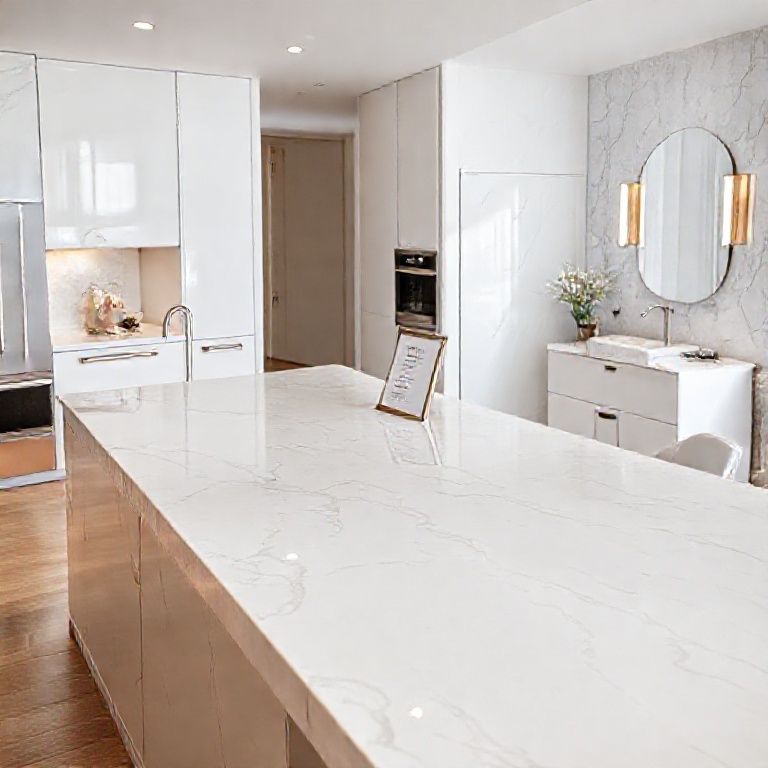
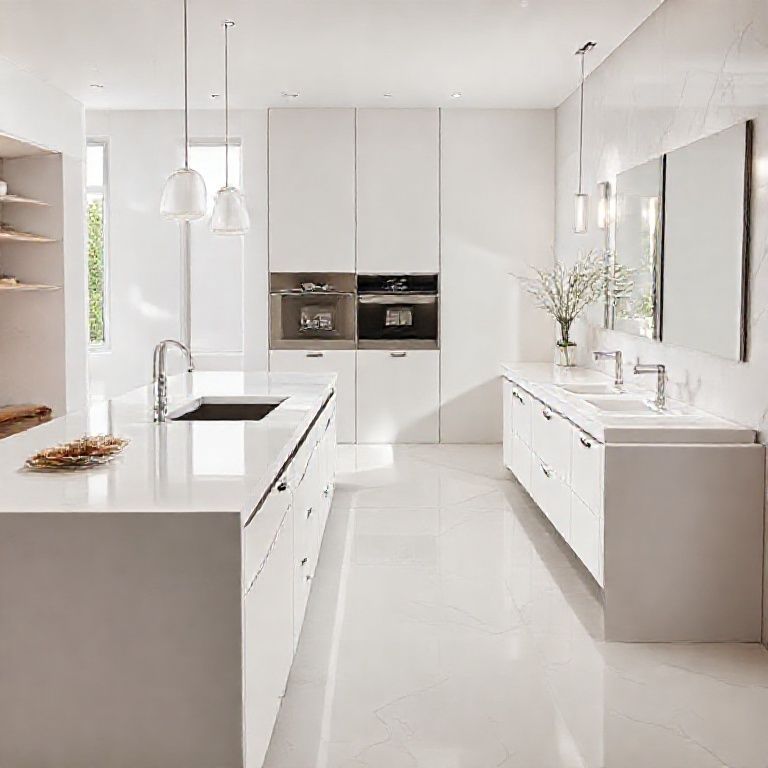
Artificial stone countertops, often referred to as quartz, bring a level of sophistication and beauty to any space. Unlike traditional natural stone, which comes in a myriad of colors and textures, artificial stone allows for a customizable aesthetic. Designers and homeowners can select from an extensive palette of colors, patterns, and finishes to perfectly match the existing decor or create a unique design statement.
The color options range from classic neutrals to bold, vibrant hues. With advanced manufacturing techniques, these countertops can mimic the look of marble, granite, and even wood, offering versatility that traditional stone cannot match. Moreover, their polished surfaces create a sleek, modern look that enhances the overall elegance of a space.
Durability and Maintenance
One of the primary reasons artificial stone countertops are favored is their durability. They are known for their exceptional resistance to scratches, stains, and heat. Unlike natural stone, which can be susceptible to staining from acidic foods and beverages, artificial stone does not absorb liquids or oils, making it easier to maintain and clean. This resistance to damage extends to everyday wear and tear, ensuring that your countertops will look pristine for years to come.
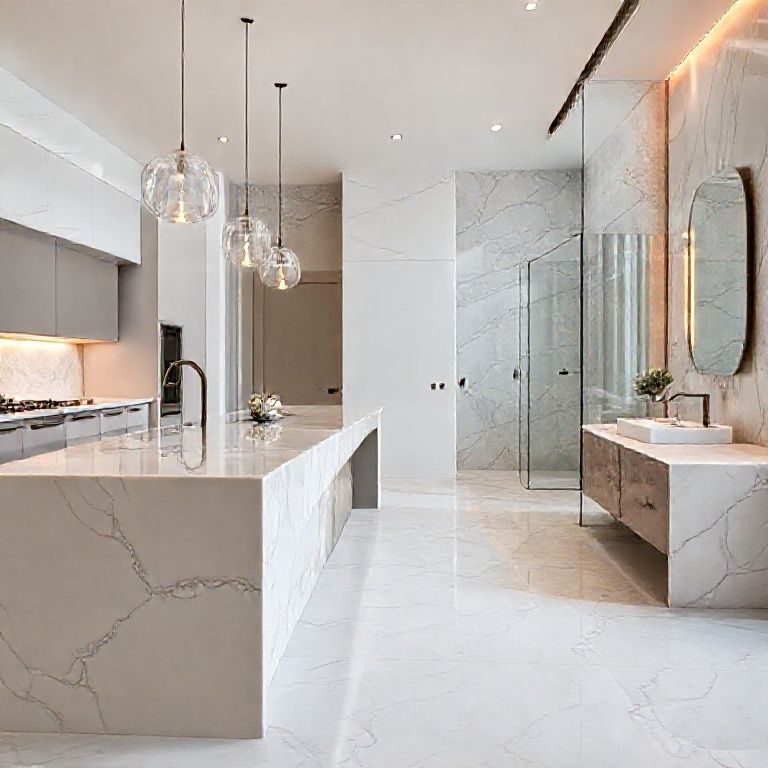
In terms of maintenance, artificial stone countertops are a breeze to care for. They require minimal cleaning, often just a simple wipe-down with a damp cloth and mild soap. This low-maintenance feature is particularly appealing for busy households and those who prefer not to spend time on daily cleaning routines.
Will Artificial Stone Countertops Change Color?
Now, to the question at the heart of this discussion: will artificial stone countertops change color over time?
Resistance to Color Change
One of the standout features of artificial stone is its resistance to color change. Unlike natural stone, which can fade or alter color due to exposure to sunlight, moisture, or other environmental factors, artificial stone maintains its color integrity. This is because the pigments used in artificial stone are embedded within the material rather than on the surface, making them less susceptible to fading or discoloration.
However, it’s important to note that while artificial stone is highly resistant to color change, it is not completely immune. Factors such as extreme heat or prolonged exposure to certain chemicals can potentially affect the color. To ensure the longevity of the color, it’s best to avoid direct contact with items that could cause discoloration and to use heat-resistant pads when placing hot cookware on the surface.
Conclusion of Part 1
In summary, artificial stone countertops offer a blend of aesthetic appeal and practical durability that makes them an excellent choice for modern kitchens and bathrooms. Their resistance to color change, coupled with their easy maintenance, ensures that they remain a popular and enduring choice among homeowners and designers alike. In the next part, we will delve deeper into the nuances of protecting and maintaining your artificial stone countertops to ensure they remain as beautiful as the day they were installed.
Protecting and Maintaining Your Artificial Stone Countertops
In the previous section, we explored the aesthetic appeal and durability of artificial stone countertops, as well as their resistance to color change. Now, let’s delve deeper into the best practices for protecting and maintaining your artificial stone countertops to ensure they remain in pristine condition for years to come.
Understanding the Composition of Artificial Stone
To better understand how to care for your artificial stone countertops, it’s important to know their composition. Artificial stone, or quartz, is made from a combination of natural minerals, including quartz, calcite, and feldspar, fused together at high temperatures. This process creates a material that is not only durable and resistant to stains but also offers a wide range of design possibilities.
Best Practices for Protecting Your Countertops
Use Heat-Resistant Pads: When placing hot pots, pans, or other items on your artificial stone countertop, always use heat-resistant pads. Direct contact with extreme heat can potentially cause discoloration or damage to the surface. Heat-resistant pads distribute the heat more evenly and protect the countertop from potential damage.
Avoid Abrasive Cleaners: While artificial stone is resistant to many stains, using abrasive cleaners or scrubbers can scratch the surface. Instead, opt for a soft cloth and a mild soap solution to clean your countertops. This gentle approach will help maintain the smooth, polished surface of your artificial stone.
Seal the Edges: Although artificial stone countertops do not require sealing like some natural stones, it’s still a good practice to seal the edges. Over time, tiny particles can accumulate along the edges, which might not be completely removed by regular cleaning. Sealing the edges can help prevent these particles from becoming embedded in the surface.
Use Appropriate Cutting Boards: To prevent scratches and damage, use cutting boards when preparing food on your countertops. Wooden or plastic cutting boards are ideal as they are less likely to scratch the surface compared to glass or metal boards.
Avoid Prolonged Exposure to Chemicals: While artificial stone is resistant to many chemicals, prolonged exposure to certain solvents or acidic substances can potentially affect the surface. It’s best to avoid leaving these substances on the countertop for extended periods. If spills occur, wipe them up promptly with a damp cloth.
Maintaining the Color and Appearance
To ensure your artificial stone countertops maintain their vibrant color and appearance, follow these additional tips:
Regular Cleaning: As mentioned earlier, regular cleaning is key to maintaining the look and feel of your countertops. A simple wipe-down with a damp cloth and mild soap can go a long way in keeping your countertops looking new.
Avoid Placing Acidic or Oily Foods Directly on the Surface: While artificial stone is resistant to stains, it’s best to avoid placing acidic or oily foods directly on the surface to prevent any potential discoloration or damage.
Regular Inspection: Regularly inspect your countertops for any signs of wear or damage. If you notice any scratches or minor imperfections, they can often be buffed out with a fine polish or stone.
Conclusion of Part 2
In conclusion, by following these best practices for protecting and maintaining your artificial stone countertops, you can ensure they remain a stunning feature in your kitchen or bathroom for years to come. Their durability, resistance to color change, and ease of cleaning make them an excellent choice for those looking to enhance their space with a modern, low-maintenance countertop. Remember, with proper care, your artificial stone countertops will continue to look as beautiful as the day they were installed, providing a blend of elegance and practicality that is hard to beat.
In this detailed exploration, we’ve covered the aesthetic appeal, durability, and maintenance of artificial stone countertops, addressing the question of whether they change color over time. By understanding the composition and care requirements of these versatile materials, you can make an informed decision and enjoy the beauty and benefits they offer.